Watersports Skills & Safety for Nomads
 by Yannick Schroth
Jul 2026
Skills hub
by Yannick Schroth
Jul 2026
Skills hub
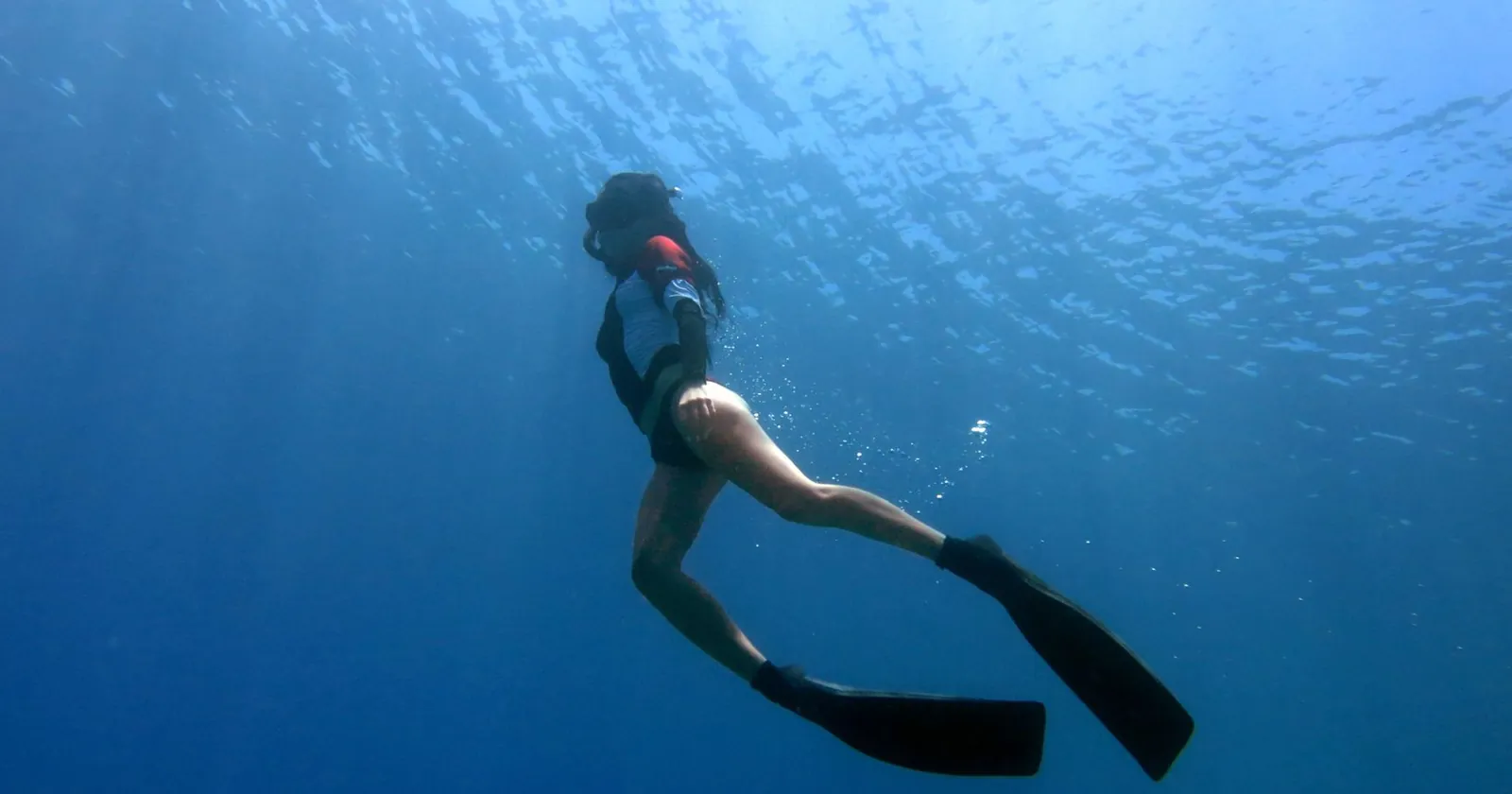
Photo: Ecrinn Burgazli via Pexels (free license).
Safety guidance is general information, not training or a substitute for a certified course.
What a certification does and does not buy you
A card is a permission, not a competence. Every training body here, PADI, SSI, IKO, VDWS, ISA, AIDA and the rest, certifies that you completed a syllabus with an instructor on a given day. It says nothing about how much water time you have had since, which is the thing that actually keeps you safe, and no register on this site records it.
The body matters less than most people think, and the school matters more. The major agencies teach broadly equivalent entry-level syllabi and recognize one another's cards. Where they differ meaningfully we say so on the page. What varies far more is the school: group size, equipment age, whether the instructor is the person you spoke to. Our operator directory carries what each school states about itself, quoted and dated, so you can compare on evidence rather than on a badge.
Grades are not a scale you can cross-read. A grade III river, a black diamond spot and an advanced dive site are three separate vocabularies invented by three separate communities. Each page here defines the grade it uses instead of assuming you already know it.
Where the risk actually is. For most watersports it is not the skill ceiling but the conditions on the day and the answer to whether you are tired. That sentence appears on these pages more than any technique tip, and it is deliberate.
Start here: the water skills worth learning first
Pick your sport. Never dived? Read how to get scuba certified while travelling. Drawn to breath-hold? Start with how to start freediving and freediving safety. Want to catch waves? Begin with how to start surfing. Just want to float over reefs? How to snorkel. Chasing wind? Kitesurfing must be learned with a school, see how to learn kitesurfing. Prefer a calm paddle? How to start SUP. Whatever you choose, read the safety guide first.
Scuba & freediving
Get scuba certified while travelling
PADI vs SSI, real costs, the eLearning shortcut, and how to choose a safe dive school abroad.
Read → How-toHow to start freediving (safely)
Take a course, learn to breathe and equalize, and never dive alone. The safe way in.
Read → SafetyFreediving safety & shallow water blackout
What it is, why it happens, the warning signs, and the rules that prevent it.
Read → ComparisonFreediving vs scuba diving
Cost, gear, time, depth and safety compared, so you can choose which to learn.
Read → ComparisonFreediver certification: AIDA vs Molchanovs vs PADI
Course levels, depths and requirements, and which agency to choose.
Read → SafetyHow to equalize your ears
The techniques and the golden rules, equalize early, gently and often, and when to stop.
Read → How-toHow to improve your buoyancy control
Weighting, breathing, trim and the BCD, the skill that makes diving effortless.
Read → How-toScuba diving hand signals
The essential signals, why OK is a circle not a thumbs up, and agreeing them first.
Read → SafetyDangerous marine life & how to stay safe
Look, don't touch: the creatures to respect and the basics of staying safe.
Read → How-toWhat is nitrox? Enriched air explained
What EANx does and doesn't do, the benefits, the depth limit, and if it's worth it.
Read → How-toNight diving for beginners
What to expect, the torches and markers you need, torch signals, and staying safe.
Read → How-toHow to pack dive gear for travel
The carry-on rules, the lithium-battery limits, and what to own vs rent.
Read →Surfing guides
How to start surfing
Lessons first, the right foamie, whitewater, the pop-up, and the beginner mistakes to avoid.
Read → SafetySurf etiquette & safety
Right-of-way, dropping in, never ditch your board, rip currents and how to escape one.
Read → How-toHow to read waves & a surf forecast
Swell height and period, wind, tide and break types, so you can pick a good day.
Read → How-toHow to get past the waves
Timing the sets, paddling out, the turtle roll and the duck dive, done safely.
Read →Snorkelling guides
How to snorkel
Gear fit, calm breathing, clearing your mask and snorkel, and finning gently over the reef.
Read → SafetySnorkelling safety
Currents, boats, your health, sun, and the caution on full-face masks.
Read → Family · SafetySnorkelling with kids
The right gear fit, buoyancy aids, easy water, supervision, and keeping it fun.
Read →Wind sports: kite, wing & windsurf
How to learn kitesurfing
Why lessons are mandatory, kite control, body dragging, the water start, and your first rides.
Read → How-toHow to start wing foiling
The progression from wing handling to flying on the foil, and the safety that matters.
Read → How-toHow to start windsurfing
Big board, small sail, uphaul, the stance and steering with the sail, the easy way in.
Read → ComparisonKitesurfing vs wing foiling
Which is easier to start, safety, wind, space and cost compared, so you can choose.
Read →Paddling: SUP & kayak
How to start stand-up paddleboarding
Kneel, stand, paddle and fall safely, plus the offshore-wind rule that matters most.
Read → ComparisonSUP vs kayak for travel
Stability, speed, wind, workout and packability compared, to pick the right craft.
Read →Whitewater & river
How to start whitewater kayaking
Learn with a club, the wet exit, the roll, reading the river and the grading scale, safely.
Read → How-toWhitewater rafting for beginners
How guided trips work, the grade to pick, the paddle commands, and what to do if you fall in.
Read → ExplainerRiver surfing: standing waves
What a standing wave is, the famous spots like the Eisbach, the etiquette and the hazards.
Read →Wake sports
How to wakeboard for beginners
Cable park or boat, the stance, the all-important getting-up technique, and edging the wake.
Read → ComparisonWakesurfing vs wakeboarding
Rope or no rope, speed, strapped-in vs free feet, the boat you need, and which to try first.
Read →Swimming & spearfishing
How to start open water swimming
Cold water shock, acclimatising, Float to Live, swimming with others, and knowing the water.
Read → SafetyHow to start spearfishing (safely)
Freedive first, one up one down, shallow water blackout, local laws, and fishing sustainably.
Read →Sailing guides
Foiling guides
How to start foiling (hydrofoil)
What a foil does, the ways in, pitch control, and the sharp-foil safety that matters most.
Read → ExplainerWhat is an eFoil?
The electric hydrofoil explained: motor, battery, throttle, cost, learning curve and safety.
Read → ComparisonFoil surfing vs wing foiling
Waves or wind, the learning curve, the gear, and which foil sport to start with.
Read →Bodyboard, bodysurf & skim
How to bodyboard for beginners
Board size, fins and leash, catching whitewater then green waves, and shore-break safety.
Read → How-toHow to bodysurf
The purest wave riding: swim fins, a handplane, catching the wave, and streamlining.
Read → How-toHow to skimboard
Flatland vs wave skimming, the drop and the run, and the shallow, hard-sand safety.
Read →Water fishing
How to start kayak fishing
A stable sit-on-top, paddle vs pedal, the PFD and licence, and on-water safety.
Read → How-toHow to SUP fish
Sight-fishing from a stand-up board, rigging, the anchor, and respecting the wind.
Read →Adventure water
How to start packrafting
The hike-and-paddle raft, inflating and packing it, flat water first, and the whitewater warning.
Read → ExplainerCoasteering: a beginner's guide
Scramble, swim and jump the rocky coast, why you go guided, and the tide and jump safety.
Read → How-toCanyoning for beginners
Abseil, slide, jump and swim a gorge, why you go guided, and the flash-flood danger.
Read →