Freediver Certification: AIDA vs Molchanovs vs PADI
 by Yannick Schroth
Jul 25, 2026
12 min read
by Yannick Schroth
Jul 25, 2026
12 min read
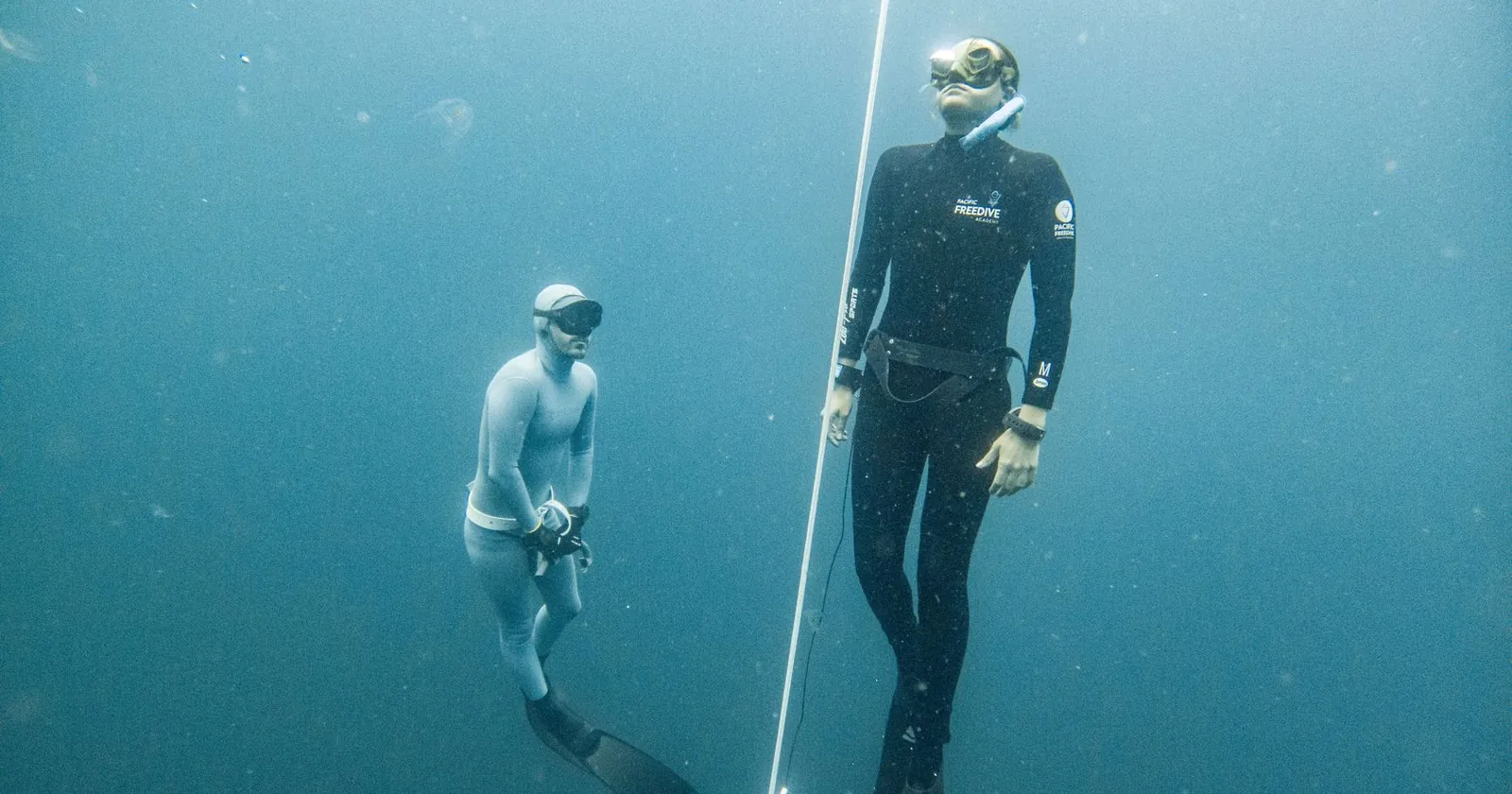
Photo: Michele Correa via Pexels (free license).
Course levels and depths are per each agency and "as of 2026"; confirm current requirements before you enrol.
Key takeaways
- All three are recognized worldwide. Recognition is not the deciding factor.
- AIDA: competition heritage, standardised performance targets.
- Molchanovs: modern, technique-led, strong community and online platform.
- PADI: the most widespread and easy-to-find brand, recreational and gentle.
- Choose the school, not the logo, and take what your destination offers well.
First: recognition is not the deciding factor
Whichever of these you hold, dive centers around the world will accept it, and the levels roughly map across systems, so you can start with one agency and progress with another. That means your freediver certification choice is really about teaching style, availability and the instructor in front of you, not about one badge being "better". As with scuba certification, the school and instructor decide the quality of your training far more than the agency logo does. Start there.
The three systems, briefly
- AIDA is the classic, with roots in competitive freediving. Its courses use clear, standardised performance targets (static, dynamic and depth), which appeals to people who like measurable goals and a competition pathway.
- Molchanovs is the modern force, built by the Molchanov freediving family around a technique-and-movement philosophy, a structured "Wave" progression, and a large online platform and community. It has grown fast and is popular with people who want depth and a strong learning ecosystem.
- PADI is the most recognisable name in diving, and its freediving courses are recreational, approachable and widely available, often the easiest to find at a general dive center. SSI plays a similar, widespread recreational role.
The beginner course, compared
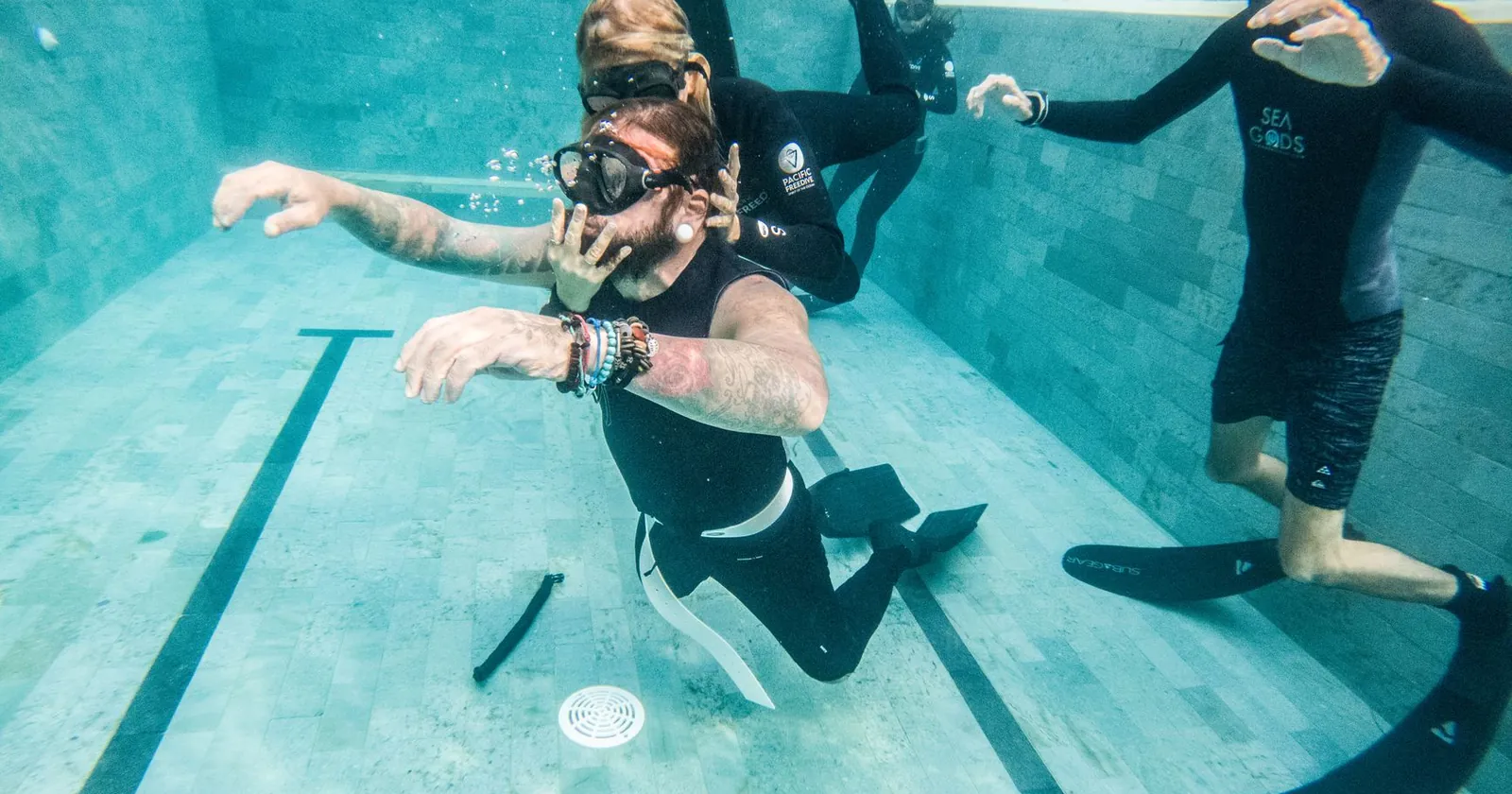
The entry-level certification is where most travelers start. Here is how the three compare at that first level:
| Beginner course | Depth | Requirements | Duration |
|---|---|---|---|
| PADI Freediver | ~10 to 16 m | Breath-holds up to ~3 min; min age 12 | ~2 to 3 days |
| AIDA 2 (Freediver) | ~16 m (certifies to ~20 m) | 2:00 static, 40 m dynamic, 16 m depth | ~2 to 3 days |
| Molchanovs Wave 1 | ~12 to 20 m | Breath-hold beyond ~90 s; with/without fins | min ~5 days |
Figures per each agency's own materials (PADI, AIDA, Molchanovs); confirm current requirements when you book. Note Molchanovs Wave 1's longer minimum reflects a more extensive syllabus, not a harder gate.
The full progression ladders
If you catch the bug, here is roughly how each system climbs (depths per each agency, verify current standards):
| Level | AIDA | Molchanovs |
|---|---|---|
| Intro | AIDA 1 (no depth requirement) | Discover / basics |
| Beginner | AIDA 2 (16 m) | Wave 1 (12 to 20 m) |
| Advanced | AIDA 3 (24 m, 2:45 static, 55 m dynamic) | Wave 2 (24 to 30 m) |
| Master | AIDA 4 (32 m, 3:30 static, 70 m dynamic) | Wave 3 (34 to 40 m) |
PADI runs a parallel recreational ladder (Basic Freediver, Freediver, Advanced Freediver, Master Freediver) to progressively greater depths; confirm its current depth targets on PADI's site.
Which should a traveling beginner choose?
- Choose Molchanovs if you want a modern, technique-led system, a strong online platform and community, and you plan to progress deeper.
- Choose AIDA if you like clear performance targets, a competition pathway, or you are training at a classic AIDA-heavy freediving hub.
- Choose PADI (or SSI) if convenience matters: it is the easiest to find at a general dive center and a gentle, recreational introduction.
- In practice: pick the best school and instructor at your destination and take whichever quality certification they teach. Availability and teaching beat the logo.
Where to get certified
Warm, calm, deep water and lots of schools make certain places ideal to learn. Egypt's Dahab is one of the world's great (and cheap) freediving hubs, and warm-water bases like Amed and Moalboal are excellent too. Wherever you go, make sure your insurance covers freediving, as many policies exclude it, and read up on freediving safety before you start.
Do you have to certify to freedive?
Legally, in many places, no one checks for a card, and plenty of people snorkel and dip below the surface without any training. But that is exactly how the sport's fatalities happen. A certification is not bureaucracy: the course is where you learn the buddy system, safe weighting, equalization and rescue, the specific skills that prevent and respond to shallow water blackout. So while you may not be legally required to certify, doing so is the difference between a safe hobby and a serious risk. It also opens guided deep sessions, some competitions and, at some operators, insurance and access. In short: treat the certification as a safety necessity, not an optional formality.
A note on online theory
All three systems now offer the classroom part as online theory you can complete before you arrive, which is handy for travelers who want to spend their days in the water rather than a classroom. Molchanovs in particular built its reputation partly on a strong online learning platform. You still complete the confined and open-water sessions in person with an instructor, but doing the theory in advance shortens your in-water course, much like the scuba eLearning route.
FAQ: freediver certification
Is AIDA, Molchanovs or PADI better for freediving?
All three are internationally recognized, so none will hold you back. AIDA has a performance and competition heritage with standardised targets, Molchanovs is a modern, technique-focused system with a strong community and online platform, and PADI is the most widespread recreational brand and often the most convenient to find. For most beginners the instructor and school matter more than the agency logo.
What depth do you reach in a beginner freediving course?
Beginner certifications target modest depths. PADI Freediver is roughly 10 to 16 meters, AIDA 2 requires 16 meters constant weight (a 2-minute static and 40-meter dynamic) and certifies you to about 20 meters, and Molchanovs Wave 1 covers about 12 to 20 meters. Depth builds gradually with training, and for most beginners equalization, not breath-hold, is the limit.
Are freediving certifications interchangeable between agencies?
Broadly yes. The levels roughly map across agencies, and schools will usually accept an equivalent certification from another system when you continue training, sometimes after a short assessment. You can start with one agency and progress with another. Recognition is not the deciding factor; availability and the instructor are.
How deep are the advanced freediving levels?
They climb steadily. AIDA 3 requires 24 meters and AIDA 4 requires 32 meters constant weight; Molchanovs Wave 2 targets about 24 to 30 meters and Wave 3 about 34 to 40 meters. PADI has Advanced and Master Freediver levels above the entry course. Confirm exact current requirements with the agency, as they can change.
How much does freediver certification cost?
An entry-level freediving course typically costs a few hundred dollars, similar across AIDA, Molchanovs and PADI, and cheaper in Southeast Asia and places with lots of schools. Price differences between agencies are usually smaller than differences between schools, so compare the school, instructor ratio and reviews rather than just the certification name.
Which freediving agency is easiest to find while traveling?
It depends on the destination. PADI is the most widespread brand overall, Molchanovs has grown rapidly and is common in freediving hubs, and AIDA is well established in classic freediving spots. In practice, the best move is to pick a reputable school at your destination and take whichever quality certification it offers.
Yannick Schroth
Founder of NOMADREEF and a former digital nomad. This comparison is researched against the freediving agencies' own course standards and cites them; depths and requirements are set by the agencies and should be confirmed current before you enrol. About the author · LinkedIn ↗
Sources
- PADI, Freediver course (entry depth and prerequisites). padi.com.
- AIDA International, freediver course levels (AIDA 1 to 4 depths and requirements). aidainternational.org.
- Molchanovs, freediving education (Wave 1 to 3 target depths). molchanovs.com.