How to Bodysurf: The Beginner's Guide
 by Yannick Schroth
Jul 30, 2026
6 min read
by Yannick Schroth
Jul 30, 2026
6 min read
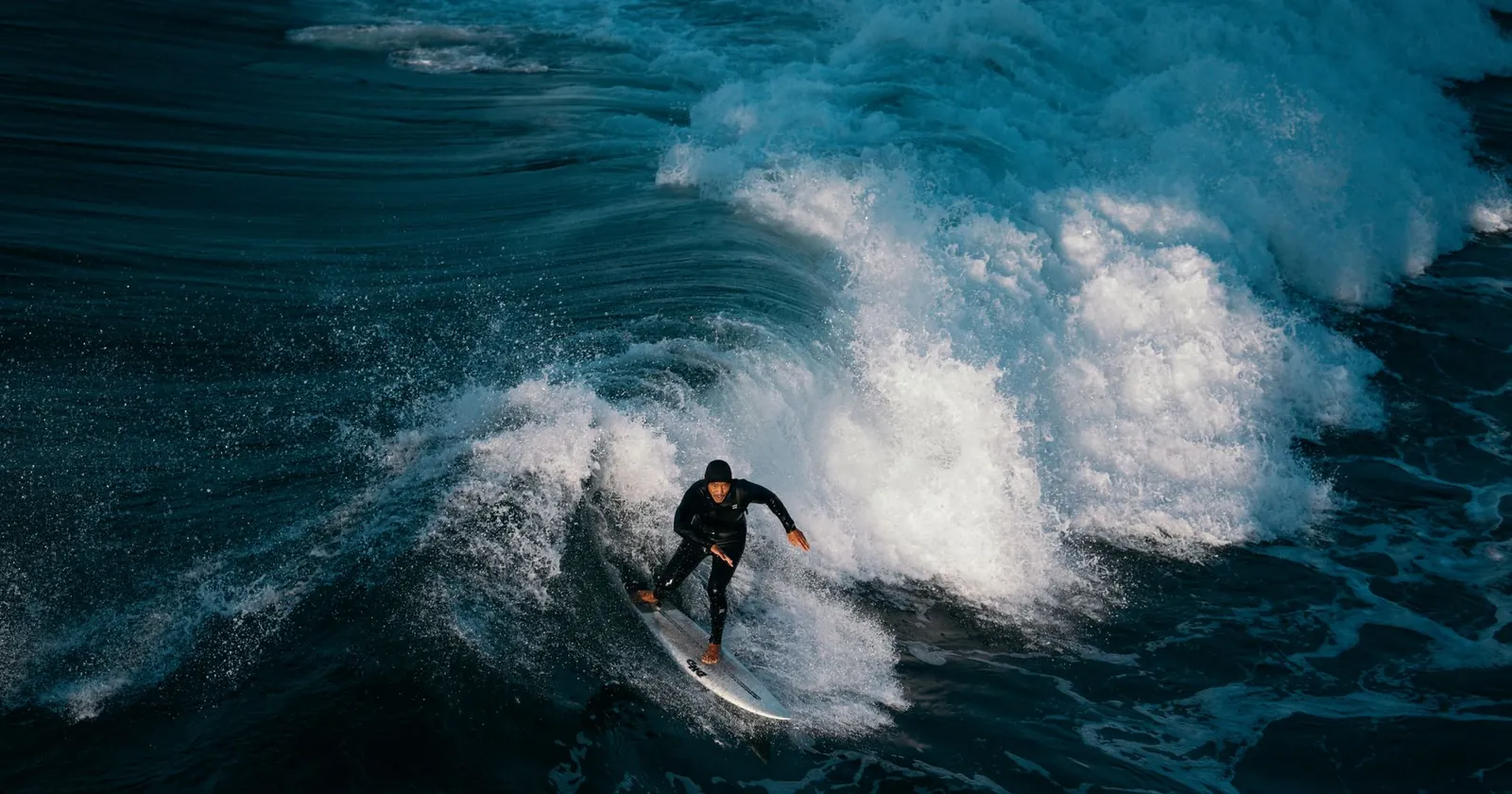
Photo: Kyle Miller via Pexels (free license).
This is general beginner guidance, not a substitute for a lesson or in-water supervision.
Key takeaways
- No board: just your body, swim fins, and optionally a handplane.
- Fins do most of the work; a handplane adds lift and speed.
- Positioning and timing matter most when you have no board.
- Catch with a hard kick, then streamline and angle across the wave.
- Shore break is the danger: gentle beaches, pull out before it closes out.
The simplest wave riding
Bodysurfing is riding a wave with just your body. It is the oldest and purest form of wave riding, needs almost no gear, and gives a connection to the ocean that boards cannot. The two enablers are swim fins (for speed and control) and, optionally, a handplane that adds lift. It pairs beautifully with bodyboarding and packs into nothing.
How a beginner progresses in bodysurfing
Step 1: Fins, and maybe a handplane
Swim fins transform bodysurfing, giving you the speed to catch waves and control in the water. A handplane (a small handboard on one hand) is optional but adds lift and planing so you ride higher and faster. Both are cheap and packable.
Step 2: Waves and position
Start on small, clean waves at a gentle, beginner-friendly beach. Watch the sets and position yourself where waves are breaking, because with no board to paddle you into place, positioning is everything.
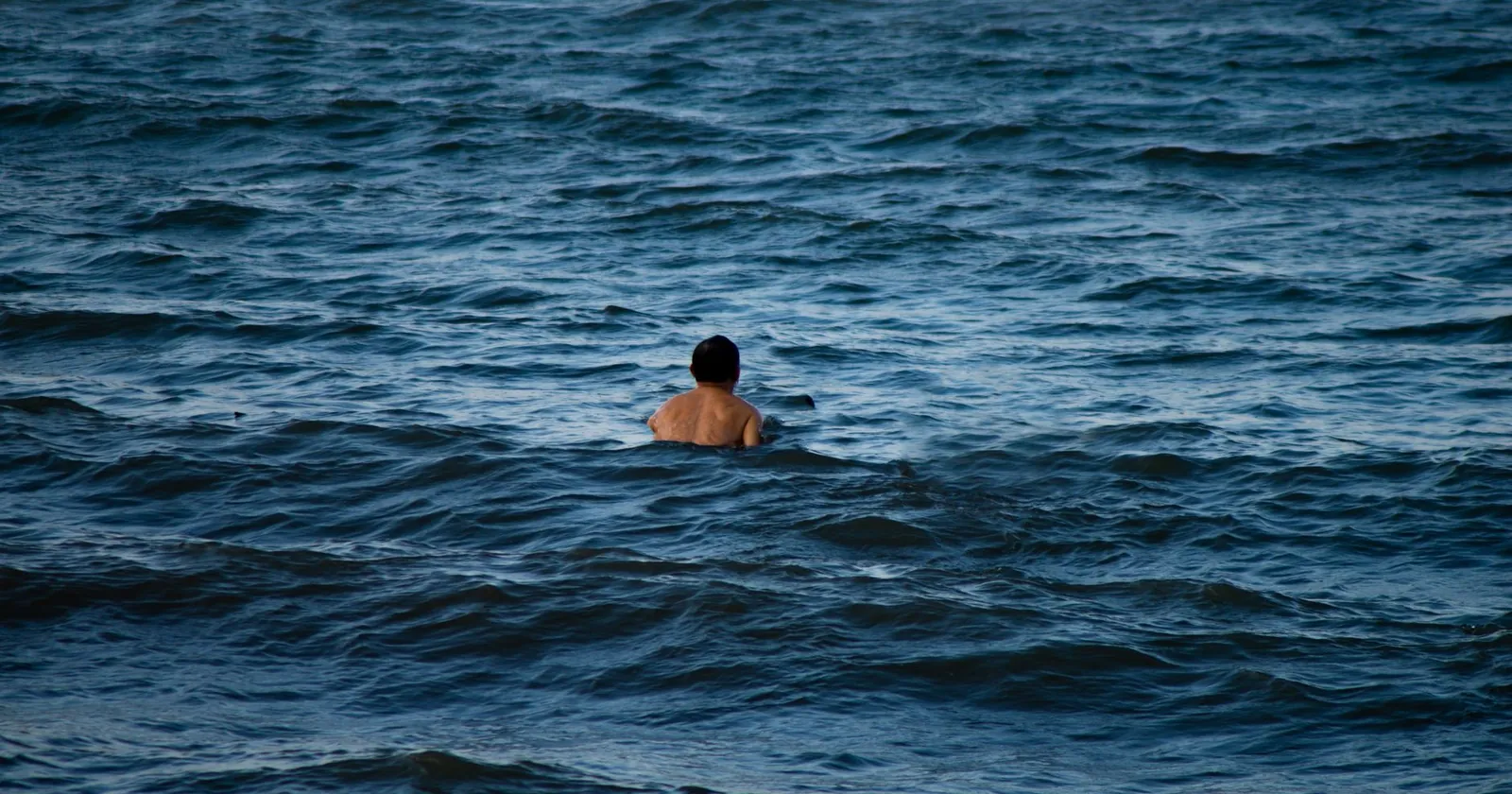
Step 3: Catch it with a hard kick
As the wave nears, turn to shore and kick hard to match its speed, launching in just as it begins to break. Timing is everything: too early it passes under you, too late it breaks on top of you. Commit with a strong burst of kicking.
Step 4: Streamline and angle
On the wave, extend into a streamlined position: lead with one arm (and the handplane), keep your body long and firm near the surface, lift your chest slightly, and angle across the face rather than straight down, to ride longer in the wave's power.
The current you are riding, and the one you are not
Bodysurfing puts you in the shore break with no board, which means no flotation and no way to paddle out of anything. That makes reading the water a skill rather than a nicety, and there is one feature worth being able to see from the sand.
NOAA describes a rip current as a “strong, narrow, seaward flow of water that extends from close to the shoreline to outside of the surf zone”, visible as “darker, narrow gaps of water heading offshore between areas of breaking waves and whitewater”, “narrow regions of choppy, rippled water heading offshore” and “plumes of sand or foam offshore of the breakers”. Look from an elevated position and through polarized sunglasses, which is what makes the colour difference visible.
The reason a bodysurfer in particular should care: a channel rip “typically flows about 1 to 2 feet per second and may reach speeds up to 8 feet per second”, and “attempting to swim back to shore against the seaward flowing current can quickly result in exhaustion”. A surfer caught out has a floating board. You have your arms.
For the scale of what is at stake, the World Health Organization counts around 300,000 drowning deaths a year worldwide. Most are nothing like a fit adult bodysurfing a beach break, 92 per cent occur in low- and middle-income countries, but the mechanism that turns a good session bad is the same one, and it starts with not having looked at the water before getting in.
What gear you need to start bodysurfing
Very little: swim fins (with socks and savers), optionally a handplane, and a rashguard or wetsuit for the conditions. The same fins work for bodyboarding, so it is a natural companion sport.
FAQ: bodysurfing
What is bodysurfing?
Bodysurfing is riding a wave using just your body, with no board. You swim into the wave, usually with swim fins for speed, and glide along or in front of the breaking wave in a streamlined position. Many bodysurfers use a handplane, a small handboard strapped to one hand, to add lift and plane higher and faster. It is often called the purest, simplest and most connected form of wave riding, and needs very little gear.
Do I need fins to bodysurf?
You can bodysurf small shore-break waves without fins, but swim fins transform the sport. They give you the speed to catch waves you otherwise could not, more control in the water and currents, and the ability to ride bigger, faster waves. Most bodysurfers consider fins essential beyond the smallest waves. Use fins that fit snugly, ideally with fin socks and tethers, the same as for bodyboarding, so you do not lose one in a wipeout.
What is a handplane and do I need one?
A handplane (or handboard) is a small board that straps to one hand. It acts like a mini surfboard for your hand, adding lift and planing surface so you ride higher on the wave face, go faster and can angle more. It is optional, you can bodysurf with just your body and fins, but many find it makes rides longer and more controllable. Handplanes are cheap, tiny and easy to travel with, so they are a fun, low-commitment addition once you have the basics.
Is bodysurfing hard to learn?
The basics are quite accessible, catching a small wave with fins and gliding to shore can happen in your first session, but riding well takes practice because timing and positioning matter so much when you have no board to paddle into position. Reading waves, catching them at the right moment, streamlining your body and angling across the face are skills that develop over time. It is easy to start and rewarding to master, with minimal, cheap gear.
Is bodysurfing safe?
Bodysurfing is simple but shares the ocean's hazards, and because you ride right at the surface with no board, the shore break, waves breaking onto shallow sand, is the main risk and can cause neck and shoulder injuries. Rip currents are the other big danger. Stay safe by choosing gentle, beginner-friendly beaches, avoiding heavy shore dumps, learning to spot and escape rips, never going out alone, and pulling out of waves before they close out in the shallows.
Yannick Schroth
Founder of NOMADREEF and a former digital nomad. This guide explains the beginner basics of bodysurfing; it is not a substitute for a lesson or in-water supervision, and the shore break is a real hazard to respect. About the author · LinkedIn ↗
Sources
- Rip currents, from the weather service. NOAA National Weather Service: a rip current is a “strong, narrow, seaward flow of water that extends from close to the shoreline to outside of the surf zone”, visible as “darker, narrow gaps of water heading offshore between areas of breaking waves and whitewater”, “narrow regions of choppy, rippled water heading offshore” and “plumes of sand or foam offshore of the breakers”, best seen from an elevated position and through polarized sunglasses; channel rips “typically flow about 1 to 2 feet per second and may reach speeds up to 8 feet per second”, and “attempting to swim back to shore against the seaward flowing current can quickly result in exhaustion”. weather.gov. Read 12 September 2026.
- The global scale of drowning. World Health Organization drowning fact sheet, 1 May 2026: “There are around 300 000 annual drowning deaths worldwide” and “Ninety-two percent of drowning deaths occur in low- and middle-income countries”. who.int. Read 12 September 2026.
- Bodysurfing conventions (swim fins, handplanes, wave catching and positioning, shore-break safety).
- Our own how to bodyboard and surf etiquette & safety guides.