How to Start Wing Foiling
 by Yannick Schroth
Jul 29, 2026
9 min read
by Yannick Schroth
Jul 29, 2026
9 min read
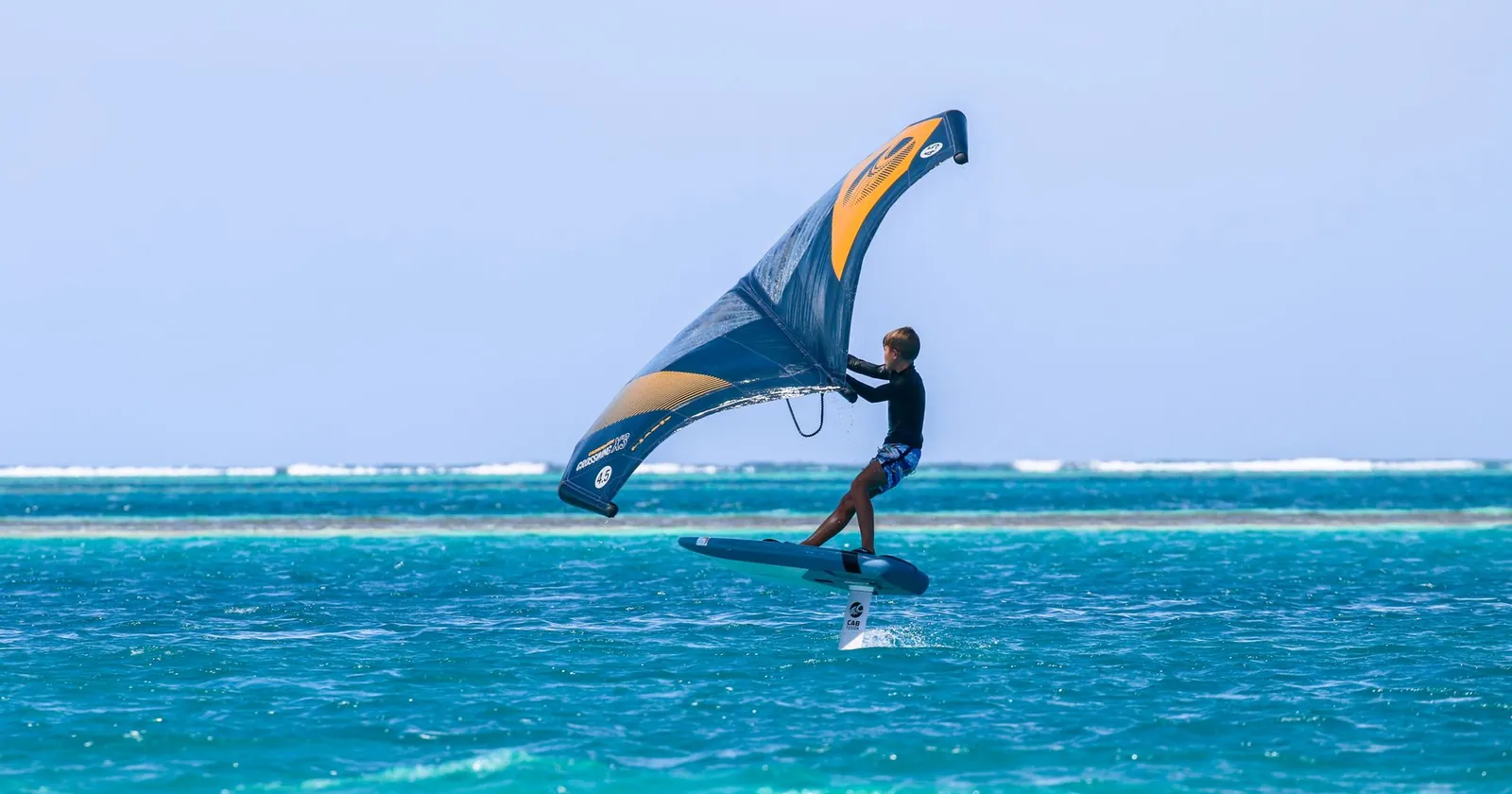
Photo: Fuka jaz via Pexels (free license).
This is general beginner guidance, not a substitute for lessons or in-water supervision.
Key takeaways
- Easier start than kitesurfing; the handheld wing is simpler and safer.
- The hard part is the foil balance, expect lots of falls at first.
- Progression: wing on land → big board no foil → add foil → short flights.
- Take a lesson; it shortens the curve dramatically.
- Wear a helmet and impact vest, the hydrofoil is sharp.
What is wing foiling?
Wing foiling (or wingsurfing) means holding a light, handheld inflatable wing for power while riding a board fitted with a hydrofoil, a wing on a mast under the board that lifts you clear of the water as you gain speed. The result is a quiet, almost flying sensation. Because the wing is not attached to lines like a kite, it is simpler and safer to manage, which is a big part of why the sport has exploded.
Is it easier than kitesurfing?
To start, generally yes, the handheld wing is easier and safer to handle than a kite on lines, with no complex setup or launch. The trade-off is the foil: learning to balance on a hydrofoil takes practice and a lot of falls. So people often reach "riding along" quickly, then spend the real time mastering the foil. We compare the two in kitesurfing vs wing foiling.
How a beginner progresses in wing foiling
Step 1: Take a lesson, learn the wing on land
Start with a lesson. Learn to hold and control the wing on land or in shallow water, sheeting in and out, depowering it, and handling it in the wind without a board. Wing handling is the foundation of everything else.
Step 2: Ride a big board with no foil
Before foiling, practice on a large, stable board (or a SUP) with the foil removed or a shallow setup. Learn to stand, balance and use the wing to get moving and steer. This builds board-and-wing coordination without the challenge of the foil, and it is genuinely fun in its own right.

Step 3: Add the foil, control it at low speed
Fit the foil and get used to it at low speed, feeling the board lift slightly and learning to keep it down with pressure on the front foot. Expect plenty of falls. A large, low-speed front wing makes this stage far more forgiving than a small, fast one.
Step 4: Short, controlled flights
As you build speed, gently shift weight back to let the foil lift you clear of the water for short flights, then settle back down. Keep flights low and controlled at first, and learn to come off the foil smoothly rather than crashing.
Step 5: Build control, then turns
Lengthen your flights, learn to hold a steady height, then start gybing and tacking. Progress gradually. This is where wing foiling becomes the magical, silent gliding it is famous for.
What gear and wind do you need?
You need a wing, a foil board and a hydrofoil, plus safety gear. Foiling is efficient, so you can ride in lighter wind than many wind sports (often from around 12 to 15 knots for a beginner, depending on weight and kit). Bigger wings and foils help in light wind. See our beginner wing foiling gear guide, and do not rush to buy before your first lessons.
What the sport's own rulebook asks for, and the wind floor
Wing foiling is young enough that safety advice varies by school. There is a written standard underneath it, because the sport has a world tour and the tour has a rulebook.
On equipment it is specific. A wing safety leash is compulsory, and riding without one is a disqualification: “Safety leashes that ensure the wing remains secured to the rider are compulsory for all competitors.” A helmet is mandatory. In the FreeFly-Slalom discipline a protection vest is mandatory too. None of that binds you on a Tuesday afternoon, but it is what the people who do this for a living are made to wear.
The same rulebook answers the question every beginner asks, which is how much wind is enough. Rule 40.26 sets 7 knots as the minimum for a race, and abandons a race already under way if the wind drops below it. Read that as a floor rather than a target: it is the wind at which the best riders in the world, on race equipment, stop being able to compete. A beginner on a big board needs more, not less: and if your home spot sits under it for most of the season, no amount of gear will help.
Worth knowing who writes this: the sport has a class association, the IWSA, which describes itself as a World Sailing class association and writes the class rules for Formula Wing and WingFoil Open Racing. Wing foiling is not an unregulated novelty; it has the paperwork of a sailing class.
FAQ: starting wing foiling
Is wing foiling hard to learn?
Wing foiling has a learning curve but is widely considered easier to start than kitesurfing, because the handheld wing is simpler and safer to manage than a kite on lines. The hardest part is learning to balance on the foil, which takes practice and plenty of falls. Most people learn to handle the wing and ride a board quite quickly, then spend the real time getting up and staying on the foil. Lessons speed it up a lot.
Do I need lessons to start wing foiling?
Lessons are strongly recommended. Wing foiling is safer to learn than kitesurfing, but the foil is sharp and the wind and water still carry risk, and a good instructor shortens the learning curve dramatically by teaching wing control, foil control and self-rescue in the right order. If you cannot take lessons, at least learn wing handling and board skills thoroughly before adding the foil, and never go out alone.
What is the progression for learning to wing foil?
The standard progression is: learn to handle the wing on land or in shallow water; ride a big stable board with no foil to build board-and-wing coordination; add the foil and control it at low speed; get up on the foil for short controlled flights; then lengthen flights and learn turns. Rushing to the foil before you can handle the wing and board is the classic mistake.
Is wing foiling dangerous?
It carries real risks, mainly the sharp hydrofoil, which can cut you, so beginners should wear a helmet and an impact vest, keep clear of the foil when falling, and give other water users space. The wing itself is relatively safe and easy to depower. As with any wind sport, check conditions, avoid offshore winds, stay within your level and do not go out alone while learning. Wear the safety gear every session.
What wind do you need to wing foil?
Foiling gets you riding in lighter wind than many wind sports because the foil is so efficient, often from around 12 to 15 knots for a beginner, depending on your weight and gear. Bigger wings and foils help in lighter wind; smaller ones suit stronger wind. As a learner, moderate, steady side-shore wind on flat water is ideal. Always check the forecast and avoid offshore wind.
Yannick Schroth
Founder of NOMADREEF and a former digital nomad. This guide explains the standard beginner wing-foil progression; it is not a substitute for lessons or in-water supervision, which new wind-sport riders should have. About the author · LinkedIn ↗
Sources
- The safety equipment the wing tour requires. GWA Wingfoil World Tour Rulebook 2023, last updated 20 November 2023. Rule 2.5: “Safety leashes that ensure the wing remains secured to the rider are compulsory for all competitors. Competitors will be disqualified from the event if they ride without a safety leash”, and “The use of a helmet is mandatory.” Rule 41.4, FreeFly-Slalom: “The use of a helmet and protection vest is mandatory.” Rule 40.26: “For all races the Minimum wind conditions is 7 knots or considered suitable conditions by the call of the Race Director.” wingfoilworldtour.com. Read 12 September 2026.
- Who governs the sport. The International Wing Sports Association describes itself as a World Sailing class association, developing the class rules and championship rules and running the Formula Wing Class and the WingFoil Open Racing Class. wingfoilracing.com. Read 12 September 2026.
- Wing foiling progression and safety conventions (instruction and manufacturer guidance).
- Our own kitesurfing vs wing foiling and beginner wing foiling gear guides.