How to Get Past the Waves: Paddling Out, Duck Dive & Turtle Roll
 by Yannick Schroth
Jul 29, 2026
9 min read
by Yannick Schroth
Jul 29, 2026
9 min read
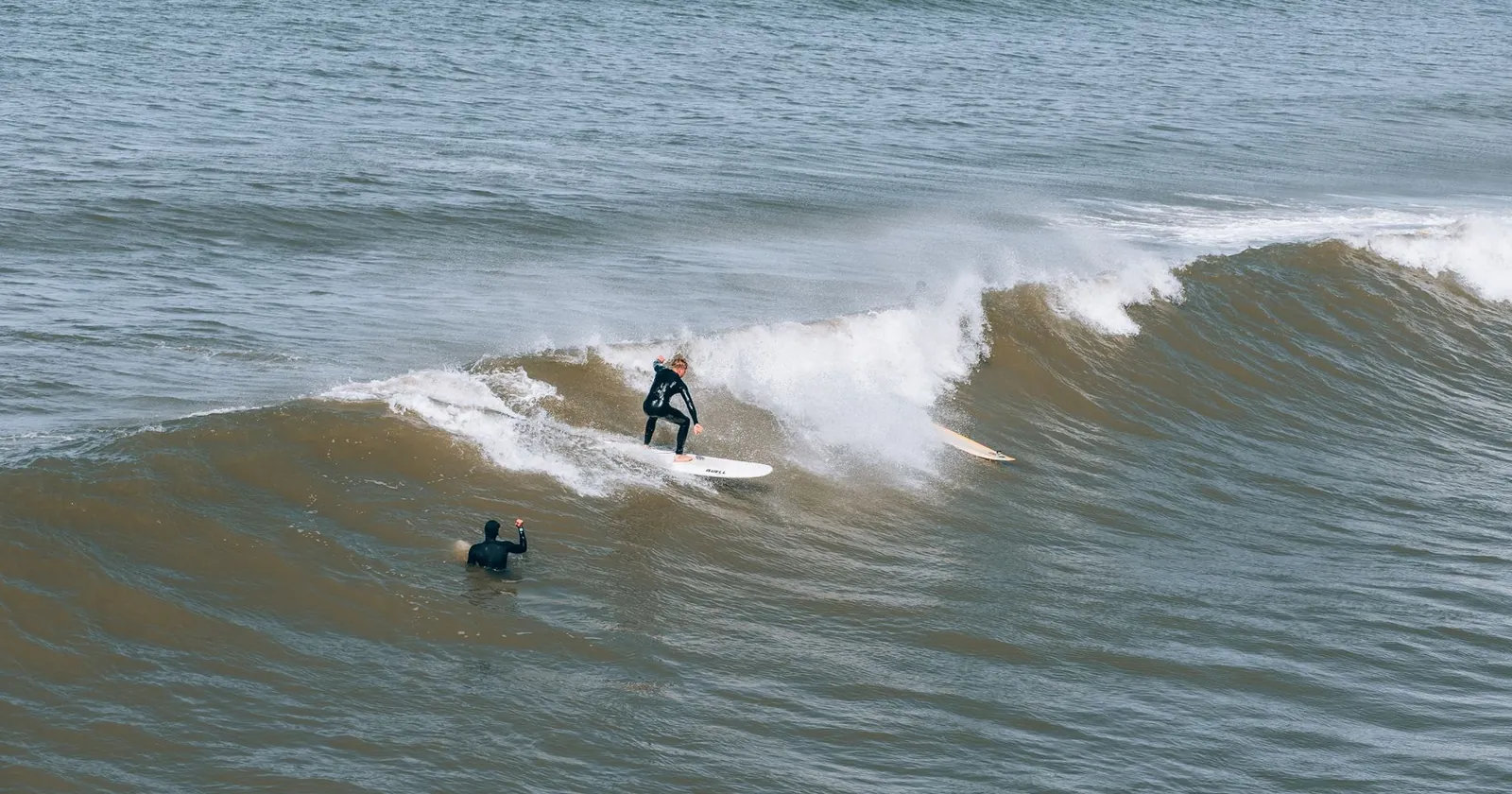
Photo: Josh Hild via Pexels (free license).
This is general beginner guidance, not a substitute for lessons or supervision in the water.
Key takeaways
- Timing beats strength: go out in the lull, use the channel.
- Paddle with commitment, straight at the whitewater, keep momentum.
- Foamie / longboard: use the turtle roll.
- Shortboard: use the duck dive.
- Protect your head on every wipeout; only surf conditions you can handle.
First: read the water
Before you paddle out, stop and watch for a few minutes. Find where the waves break, where the channel is (calmer, deeper water with fewer breaking waves, often where the water is a slightly different color and rips flow out), and the lull between sets. Most of getting out easily is going at the right time, in the right place, not paddling harder. If you can walk or paddle around the break via the channel, do.
Step 1: Time the sets
Waves come in sets with lulls between. Watch the rhythm, then time your paddle out for a lull, not into the biggest set. Getting the timing right can mean the difference between an easy paddle and a beating.
Step 2: Paddle out with commitment
Lie centred on the board (not too far forward or the nose digs, not too far back or you plough water) and paddle with long, deep, steady strokes. Keep momentum and paddle straight at oncoming whitewater, never side-on, a wave hitting you sideways will roll you. Hesitation is what gets you pushed back.

Step 3: Turtle roll (foamie & longboard)
Beginner boards are too buoyant to push underwater, so you turtle roll (also called an eskimo roll):
- As the breaking wave reaches you, grip the rails firmly.
- Roll upside down so the board is between you and the wave, and you are hanging underneath.
- Hold on tight and pull the nose down slightly so the wave cannot rip the board away.
- Once the wave has passed, roll back up, climb on and keep paddling.
This is the technique you will use most as a beginner on a soft-top foamie.
Step 4: Duck dive (shortboard)
Once you are on a lower-volume shortboard, you duck dive instead:
- Paddle at the wave with speed, grip the rails near your chest.
- Push the nose down under the water with your arms.
- Sink the tail with a knee or foot so the whole board dives under the wave.
- Let the wave pass overhead, then let your buoyancy float you back up, and resume paddling.
Duck diving does not work on buoyant foam boards or big longboards, which is why beginners turtle roll.
Step 5: Protect yourself (and others)
When you wipe out, come up with an arm shielding your head, your own board (and others') can hit you. Stay relaxed and hold your breath calmly through the wash; panicking burns oxygen. And never ditch your board where it could hit someone behind you, that is both dangerous and a serious etiquette breach (see the surf etiquette and safety guide).
Using a rip current to get out the back
Paddling out is mostly a fight against water moving the wrong way, with one exception that beginner advice rarely mentions because it sounds like bad advice: a rip current is the fastest way through the break. Surfers use them deliberately. The reason that is safe for a surfer and dangerous for a swimmer is the board.
The US National Weather Service is worth quoting on the swimmer's side of it, because the same water that gives you a free ride out is the leading beach hazard. Its guidance is blunt about where to be: “Only swim at a beach with lifeguards. The chances of drowning at a beach with lifeguards are 1 in 18 million”, citing the United States Lifesaving Association. And it carries the warning that catches people on exactly the mornings that look best for a surf: “Great weather for the beach does not always mean it's safe to swim or even play in the shallows. Rip currents often form on calm, sunny days.”
Which turns the paddle-out into a reading exercise before it is a fitness one. The channel that looks like the easy way out is usually the rip (darker, choppier, fewer breaking waves) and using it is a decision, not an accident. Make it on purpose, on a board, and know what you would do without one.
It is also worth knowing that the sport has a governing authority that treats teaching as a discipline: the International Surfing Association, founded in 1964 and recognised by the IOC as “the World Governing Authority for Surfing”, lists its own certification tracks as coaching, judging, ILS water safety and adaptive surf instruction, and publishes a certificate directory of who holds them.
FAQ: getting past the waves
How do beginners get past breaking waves?
Time your paddle out for a lull between sets, use the channel (the calmer, deeper water where waves are not breaking) where you can, and paddle out with commitment and momentum straight at the whitewater. To get through an oncoming wave, use the turtle roll on a foamie or longboard, or the duck dive on a shortboard. As a beginner on a foamie, timing and the turtle roll are your main tools.
What is a turtle roll?
A turtle roll (or eskimo roll) is how you get a buoyant board, a foamie or longboard, through a breaking wave. As the wave reaches you, grip the rails, roll upside down so the board is between you and the wave, hold on tight and pull the nose down a little. The wave passes over the board's underside, then you roll back up and keep paddling. It is the beginner's technique because foam boards are too buoyant to duck dive.
What is a duck dive?
A duck dive is how you push a low-buoyancy board (a shortboard) under a breaking wave. Paddling at speed, you grip the rails, push the nose down underwater, then sink the tail with a knee or foot so the whole board dives under the wave. The wave passes overhead and you float back up. It does not work on buoyant foam boards or big longboards, which is why beginners use the turtle roll instead.
Why do I keep getting pushed back when paddling out?
Usually because of timing, angle or hesitation. Paddle out during the lull between sets, not into the biggest set; use the channel where waves are not breaking; keep steady momentum and paddle straight at oncoming whitewater rather than turning side-on; and get through each wave with a turtle roll or duck dive rather than letting it hit you flat. Fitness helps too, paddling is most of surfing.
Is it safe to paddle out in big surf as a beginner?
No. Beginners should only paddle out in small, manageable conditions and at forgiving beach breaks, ideally with a lesson or supervision. Big surf, strong currents and reef breaks are dangerous and can hold you underwater or push you onto rocks. Learn to read the conditions first, and if a spot looks big or heavy from the beach, it is bigger and heavier in the water, do not go out.
Yannick Schroth
Founder of NOMADREEF and a former digital nomad. This guide explains standard beginner surf technique; it is not a substitute for lessons or in-water supervision, which every new surfer should have. About the author · LinkedIn ↗
Sources
- What the rip is, from the weather service. NOAA National Weather Service, How to Avoid Getting Caught in a Rip Current: “Only swim at a beach with lifeguards. The chances of drowning at a beach with lifeguards are 1 in 18 million (U.S. Lifesaving Association)”; “Great weather for the beach does not always mean it’s safe to swim or even play in the shallows. Rip currents often form on calm, sunny days.” weather.gov. Read 13 September 2026.
- Who certifies surf teaching and water safety. International Surfing Association, About the ISA: “The International Surfing Association (ISA), founded in 1964, is recognized by the International Olympic Committee as the World Governing Authority for Surfing”; its course tracks are listed as Coaching, Judging, ILS Water Safety and Adaptive Surf Instructor, with a public certificate directory. isasurf.org. Read 13 September 2026.
- Standard beginner surf technique (paddling out, turtle roll, duck dive). Surf-instruction convention.
- Our own how to start surfing, surf etiquette & safety and how to read waves guides.