Foil Surfing vs Wing Foiling: Which to Try?
 by Yannick Schroth
Jul 30, 2026
7 min read
by Yannick Schroth
Jul 30, 2026
7 min read
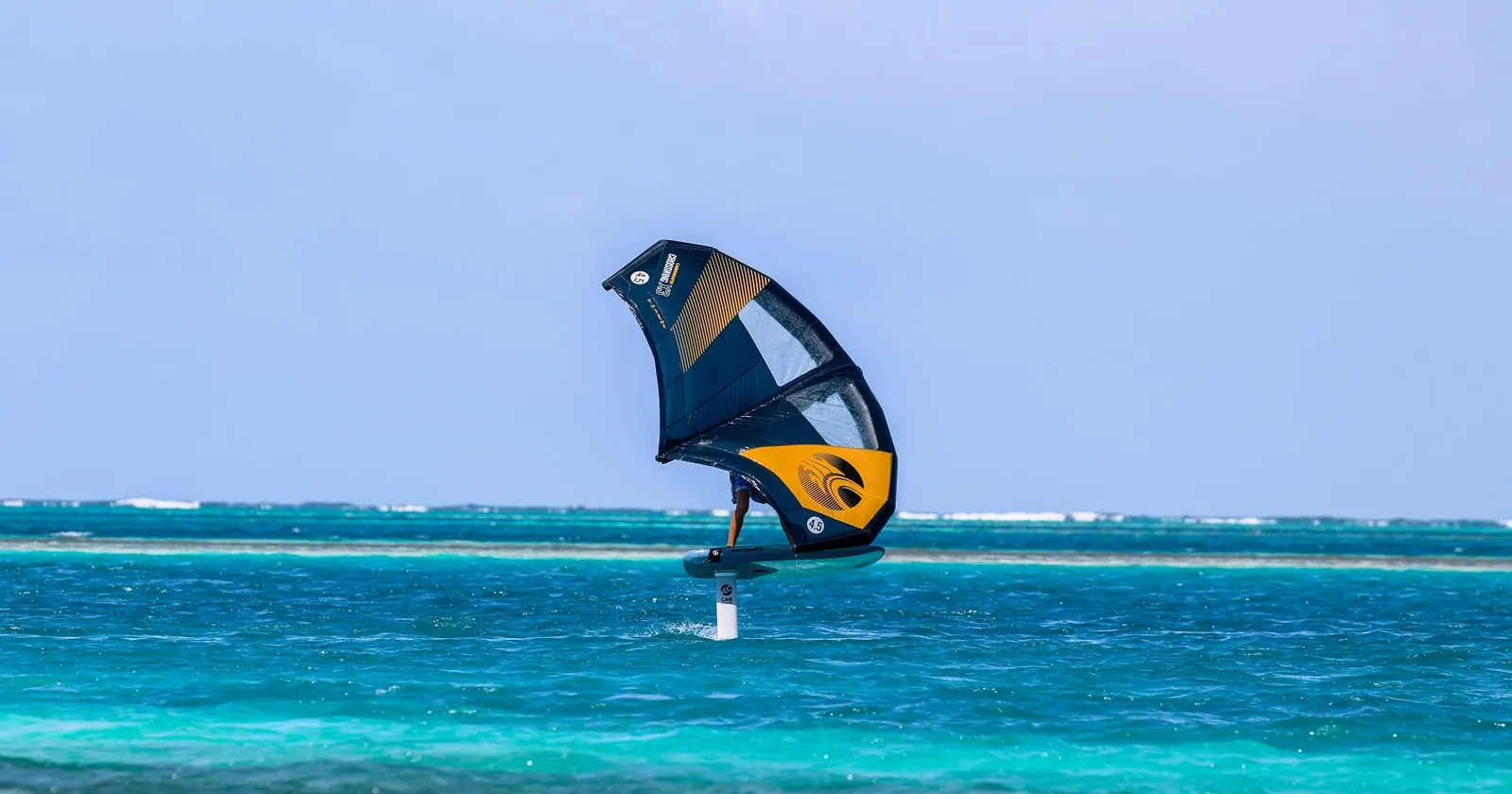
Photo: Fuka jaz via Pexels (free license).
This is a general comparison, not a substitute for lessons and in-water supervision.
Key takeaways
- Power: foil surfing uses waves; wing foiling uses wind.
- Rig: foil surfing has none; wing foiling adds a handheld wing.
- Easier to start: wing foiling (controllable power, more conditions).
- Versatility: wing foiling rides flat water, chop or waves; foil surf needs swell.
- Shared: the foil, and the helmet-and-impact-vest safety.
The core difference
Both ride a hydrofoil, but what powers you is different. Foil surfing (prone foiling) is closest to surfing: you paddle into a wave, pop up, and ride the foil on the wave's energy, with no rig to carry. Wing foiling is a wind sport: you hold a handheld inflatable wing that catches the wind to power you across the water, so you can ride even where there are no waves.
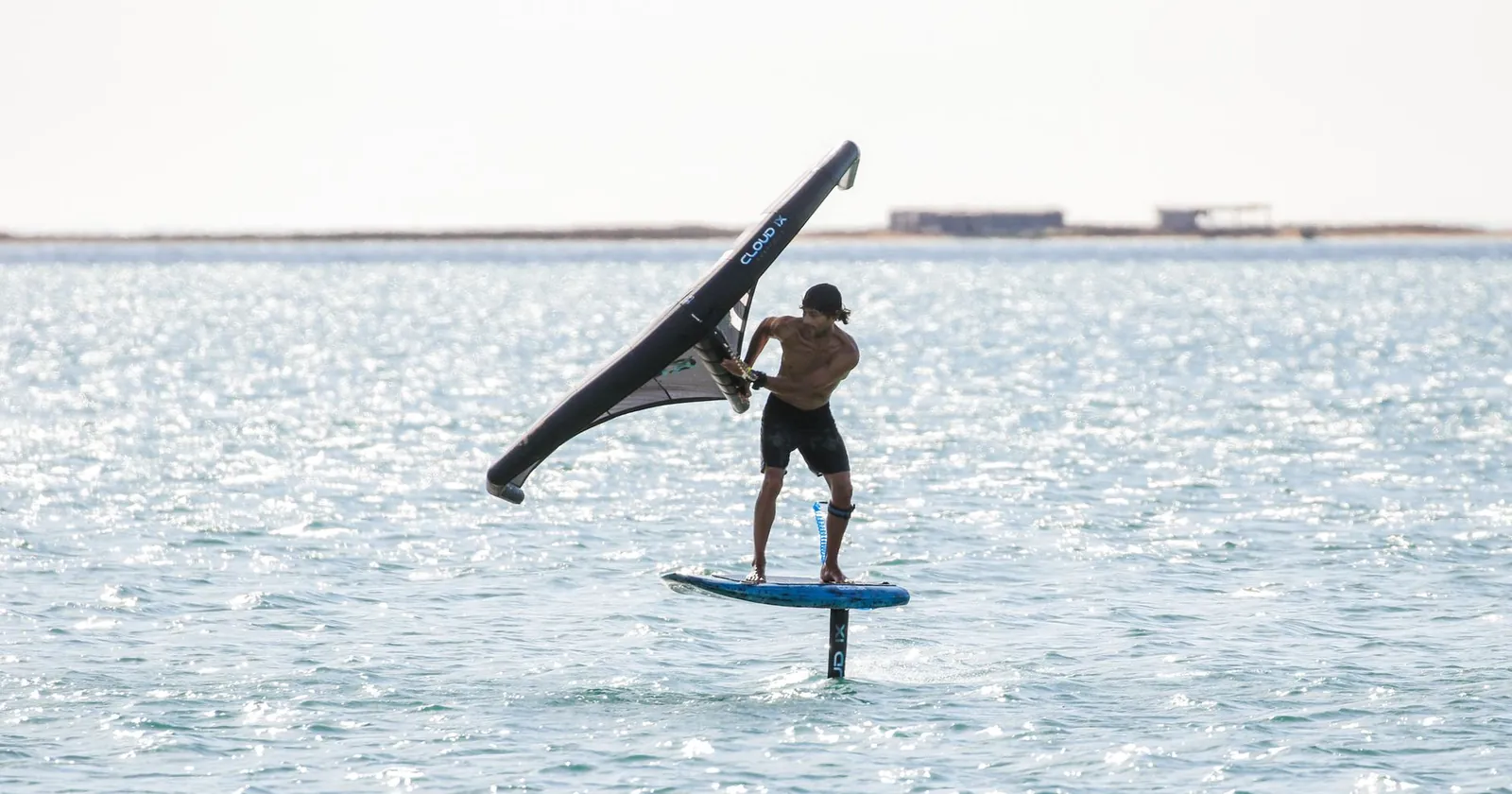
Foil surfing and wing foiling head to head
| Foil surfing (prone) | Wing foiling | |
|---|---|---|
| Power source | Waves / swell | Wind |
| Rig to carry | None | A handheld wing |
| Conditions | Needs surf (but small waves work) | Flat water, chop or waves, with wind |
| Learning curve | Harder (paddle + timing + foil) | Easier (steady, controllable power) |
| Prerequisite | Surf skills help a lot | None specific; wind-sport feel |
| Versatility | Depends on swell | Very versatile; ride more often |
| Certification | None, not a VDWS discipline | VDWS basic licence, one of six disciplines the body certifies |
| Written safety rules | Manufacturer's manual only | World-tour rulebook: helmet and wing leash mandatory |
| Shared | The hydrofoil, and helmet + impact vest safety | |
Which is easier to learn?
Wing foiling, for most people. The wing gives you controllable, steady power and something to brace against for balance, so you can focus on getting onto the foil without also catching and timing waves. Foil surfing asks you to paddle into waves, time the take-off and manage the foil at once, and it rewards existing surf skills, so it is the steeper start.
Only one of them has somewhere to learn
“More accessible” usually gets read as a claim about the learning curve. Most of it is a claim about infrastructure, and that part can be checked.
The VDWS, the German water-sports school association, issues a basic licence in six disciplines: windsurfing, kitesurfing, SUP, sailing, wingfoiling and the motorboat certificate. Prone foil surfing is not one of them, under that name or any other. The wing licence needs only Level 1, and the association is plain about what the card is for: it is helpful for renting equipment, and it lets you document your training to local authorities.
The gap shows up in where you could actually take a lesson. Of the 428 stations VDWS lists, 413 publish a discipline list, and on 26 August 2026 122 of those named wingfoiling among the sports they teach. The figure for prone foil surfing is not low. It does not exist, because the register has no such category: the six labels those stations use are catamaran, kitesurfing, sailing, SUP, windsurfing and wingfoiling.
The competitive side runs the same way. Wing foiling has a class association, the IWSA, which is a World Sailing class association and writes the class rules for Formula Wing and WingFoil Open Racing, and a world tour whose rulebook sets out the safety equipment quoted in the box above. Prone foil surfing has neither.
That rulebook also answers the wind question the table above leaves vague. Rule 40.26 sets 7 knots as the minimum for a race, and a race already under way is abandoned if the wind drops below it. Read that as a hard floor rather than a target: it is the wind at which the best riders in the world on race equipment stop being able to compete, so a beginner needs more, not less. If your home spot sits under 7 knots for most of the season, “more versatile” is not true of your spot, and the sport that runs on swell is the one that will get you on the water.
Which should you try first?
- Windy home spot? Wing foiling will get you on the water most often.
- Reliable swell, little wind? Foil surfing fits your conditions.
- Already a surfer? Foil surfing will feel familiar, though still challenging.
- Total beginner to both? Start with wing foiling, then take the foil skills into prone.
FAQ: foil surfing vs wing foiling
What is the difference between foil surfing and wing foiling?
Both ride a hydrofoil, but the power source differs. Foil surfing (prone foiling) means paddling into ocean waves like a surfer and riding the foil on the wave's energy, so it needs waves and no rig. Wing foiling means holding a handheld inflatable wing that catches the wind to power you, so it needs wind rather than waves and you carry the wing. Foil surfing feels like wave riding; wing foiling feels like a wind sport, and each suits different conditions and temperaments.
Which is easier to learn, foil surfing or wing foiling?
Wing foiling is generally easier to start. The wing gives you a controllable, steady source of power and something to brace against for balance, so you can practice getting onto the foil without also having to catch and time waves. Foil surfing is harder because you must paddle into waves, time the take-off and manage the foil all at once, and it demands existing surf skills and fitness. Many people learn wing foiling first, then take those foil skills into prone foil surfing.
What conditions does each one need?
Foil surfing needs waves or swell to provide the power, so it depends on surf conditions, though foilers can ride smaller, softer waves than surfers. Wing foiling needs wind, and the sport puts a number on the floor: the GWA world tour rulebook sets 7 knots as the minimum it will race in, so read that as a lower bound rather than a target. Above it, wing foiling can be done on flat water, chop or waves, which makes it very versatile and often rideable on days that are no good for surfing or foil surfing. If your local spot is windy, wing foiling will get you on the water more often; if it has reliable swell but little wind, foil surfing fits.
Do foil surfing and wing foiling use the same gear?
They share the hydrofoil, and many foils are modular so wings and masts can carry across, but the boards differ and wing foiling adds the wing itself. A prone foil-surf board is small with no need for a rig, while a wing board is often bigger with more volume for stability and sometimes footstrap inserts. If you own a modular foil you can often use it for both with the right board, which is part of why riders cross between the two. Both need the same protective gear: a helmet and impact vest.
Which should a beginner try first?
For most beginners, wing foiling is the more forgiving and versatile starting point, because the wind-powered wing gives controllable power and you can ride in more conditions and more often. Foil surfing is a beautiful, pure form of foiling but is best approached once you already surf and ideally after some foil time, because of the combined demands of paddling, wave timing and foil control. Whichever you pick, start on big, stable, forgiving gear, wear a helmet and impact vest, and take lessons.
Yannick Schroth
Founder of NOMADREEF and a former digital nomad. This comparison explains how the two foil sports differ; it is not a substitute for lessons and in-water supervision, which every new foiler should have. About the author · LinkedIn ↗
Sources
- Which sports the VDWS certifies. The association's own basic-licence overview lists six: windsurfing, kitesurfing, SUP, sailing, wingfoiling and the motorboat certificate. There is no licence for prone foil surfing or for foil surfing without a wing. vdws.de. Read 10 September 2026.
- What the wing licence is for. The VDWS wing licence page: Level 1 is enough for the classic basic-licence level, and the card is “hilfreich zum Ausleihen von Material” and serves “um gegenüber örtlichen Behörden die VDWS-Wingausbildung dokumentieren zu können”, helpful for renting equipment, and proof of training for local authorities. vdws.de. Read 10 September 2026.
- The safety rules and the 7-knot floor. GWA Wingfoil World Tour Rulebook 2023, last updated 20 November 2023. Rule 2.5: “Safety leashes that ensure the wing remains secured to the rider are compulsory for all competitors. Competitors will be disqualified from the event if they ride without a safety leash”, and “The use of a helmet is mandatory.” Rule 41.4, FreeFly-Slalom: “The use of a helmet and protection vest is mandatory.” Rule 40.26: “For all races the Minimum wind conditions is 7 knots or considered suitable conditions by the call of the Race Director.” wingfoilworldtour.com. Read 10 September 2026.
- Wing foiling's governing body. The International Wing Sports Association describes itself as a World Sailing class association, developing the class rules and championship rules and running the Formula Wing Class and the WingFoil Open Racing Class. wingfoilracing.com. Read 10 September 2026.
- Where you could take a lesson. Counted from the discipline block on each station's page in the VDWS register, read on 26 August 2026: 413 station pages, of which 122 name wingfoiling. The six labels in use are catamaran, kitesurfing, sailing, SUP, windsurfing and wingfoiling; there is no foil-surfing label. The register itself lists 428 stations in 26 countries.
- Our own how to start foiling and wing foiling guides.