How to Start Packrafting
 by Yannick Schroth
Jul 30, 2026
8 min read
by Yannick Schroth
Jul 30, 2026
8 min read
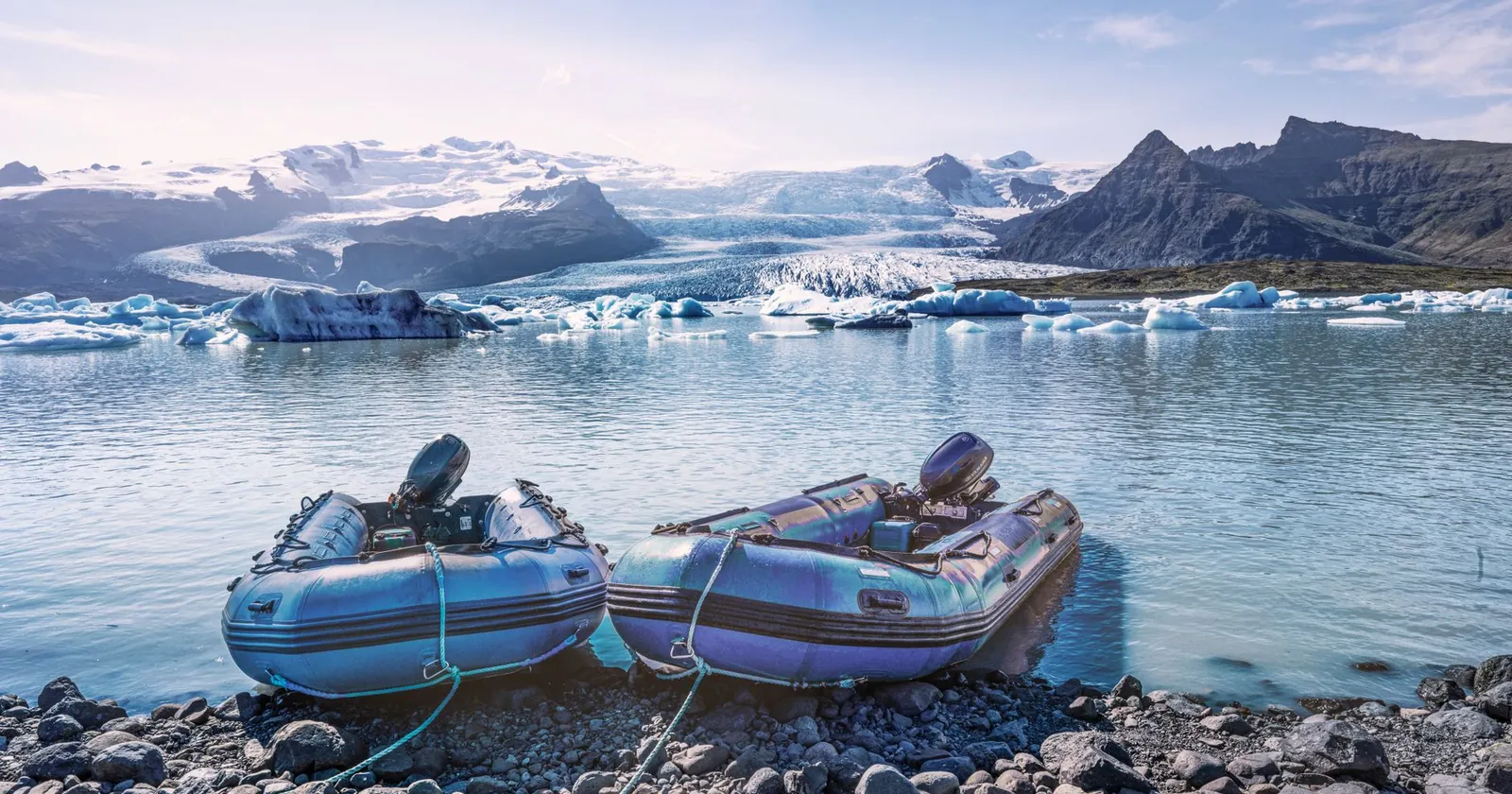
Photo: Miguel Cuenca via Pexels (free license).
This is general beginner guidance, not a substitute for instruction and whitewater training.
Key takeaways
- A packraft packs into a backpack; hike in, then paddle.
- Inflates with an air bag, not a pump. Practise it at home.
- Start on flat, calm water; it handles differently from a kayak.
- Whitewater is a separate skill: right boat, helmet, training first.
- Wilderness safety: PFD, cold-water dress, repair kit, never alone.
What a packraft is, and how it differs from a kayak
A packraft is a lightweight, durable inflatable one-person raft that packs down small enough to carry in a backpack, weighing only a few kilograms. Because you can hike with it and then paddle, it combines trekking and paddling, letting you cross lakes and rivers on a hike or run wilderness journeys a hard boat could never reach. Modern packrafting grew out of remote wilderness travel in places like Alaska.
How a beginner progresses in packrafting
Step 1: Inflate and pack it
Most packrafts inflate with a lightweight inflation bag (scoop air into the bag, then squeeze it into the raft through a valve), topped off by mouth. Practise inflating, adjusting pressure, deflating, rolling and packing at home so it is quick in the field, and learn to secure your backpack to the bow for trips.
Step 2: Start on flat water
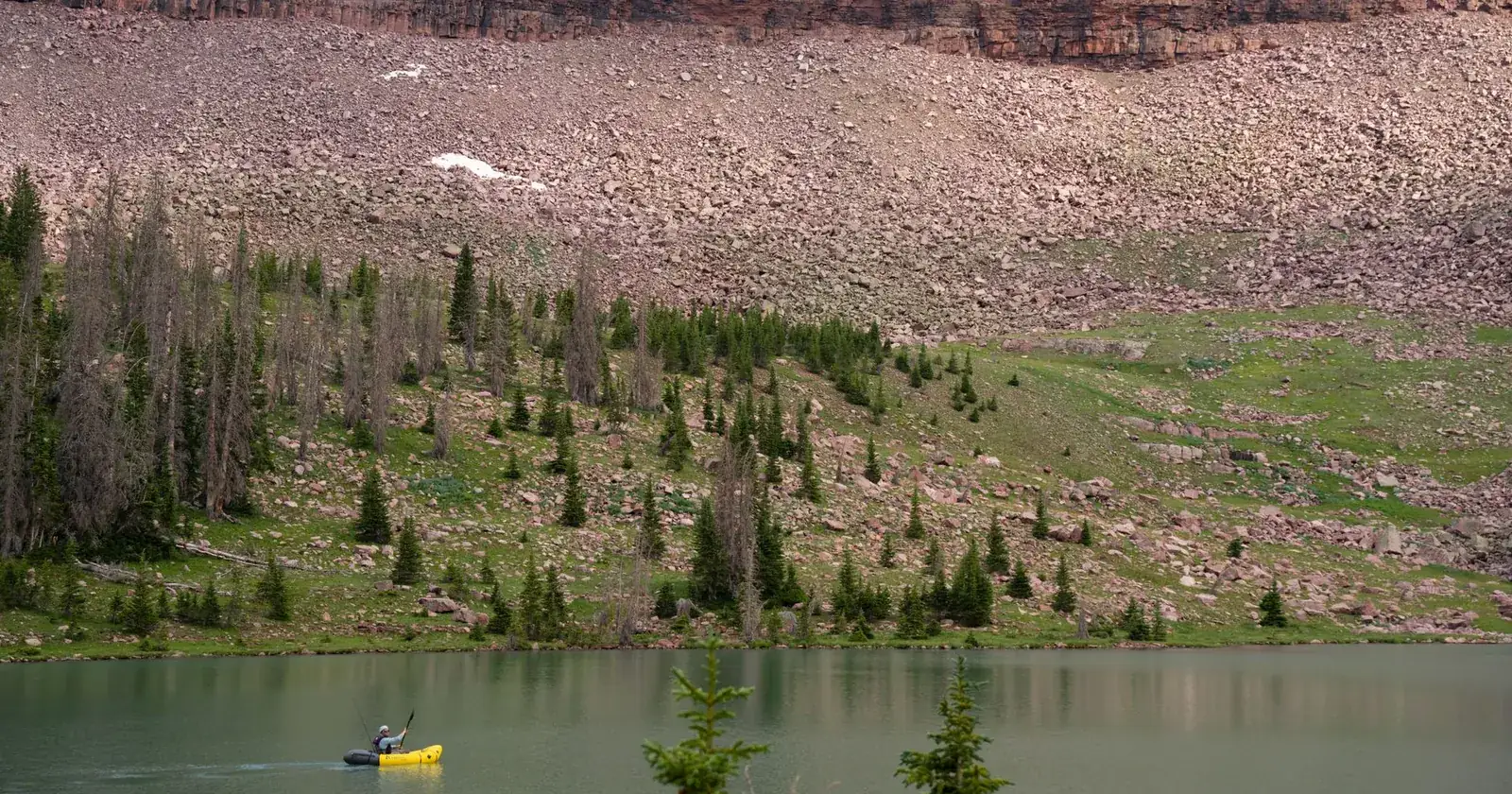
Learn on flat, sheltered water: getting in and out, balancing, and the forward, back and turning strokes, including how the boat handles with a pack on the bow. Packrafts are slower and more wind-affected than kayaks, so build comfort on easy water first.
Step 3: Respect whitewater
Flat-water packrafting is beginner-friendly, but packrafting whitewater is a serious, separate discipline. It needs whitewater skills, a proper whitewater packraft (spray deck, thigh straps), a helmet and training, and follows the same river grading and hazards as whitewater kayaking. Stay on flat and gentle water until you have learned whitewater skills.
Why nomads love it
Because it is so light and packable, a packraft opens up water almost anywhere without transporting a hard boat. You can fly with it, carry it on a trek, and reach lakes, fjords and rivers that would otherwise need rental or a roof rack, turning a landscape into a network of routes across land and water. It is one of the most adventurous, portable ways to get afloat while traveling.
What gear you need to start packrafting
A packraft, a breakdown paddle, an inflation bag, a PFD, dry bags and a repair kit, plus whitewater kit (spray deck, thigh straps, helmet) if you progress there. See our packrafting gear guide.
Cold and entrapment: the two rules a packrafter cannot bend
Both come from the American Whitewater Safety Code (2024), quoted rather than paraphrased, because the wording carries the detail. On standing up: "Do not attempt to stand in fast-moving water. Swim to slow-moving water (little to no current) or very shallow water (below your knee) before attempting to stand." A wedged foot plus current pushes you under and holds you there. The threshold is knee-deep, not a feeling.
On swimming, there are two techniques and picking the wrong one is the common error: "When swimming in shallow or obstructed rapids, lie on your back with your feet held high and pointed downstream", but "if you're in slow moving water or the rapids are deep, roll onto your stomach and swim aggressively for shore." Feet-downstream is the defensive position, not the universal one.
American Whitewater also states plainly that "river running alone is strongly discouraged. Single-craft outings are a common factor in incidents and drownings."
Quoted from American Whitewater Safety Code (2024), checked 8 August 2026. AW publishes these as guidelines "for informational purposes only", not as a standard of care, and they are no substitute for instruction or local knowledge.
The number that should decide your first packrafting decision
Beginners ask about boats. The US Coast Guard's 2024 recreational boating statistics suggest the first decision is something else entirely.
Across the year the Coast Guard verified 3,887 incidents involving 556 deaths. Where vessel type was known, paddlecraft made up 26 per cent of the deaths, more than one in four, second only to open motorboats. Where cause of death was known, 76 per cent drowned. And where life-jacket use was known, 87 per cent of those who died were not wearing one.
There is a second figure that speaks directly to a first trip: 69 per cent of deaths occurred on boats where the operator had not received boating safety instruction, against 19 per cent where the operator held a nationally approved certificate. Instruction is not a formality that experienced people skip; it is the variable with the clearest signal in the whole report.
For packrafting specifically that translates into an unglamorous order of operations: wear the jacket every time including on the flat sections, take instruction before the remote trip rather than after it, and treat the grade as a planning number rather than a promise.
FAQ: starting packrafting
What is packrafting?
Packrafting is traveling with a packraft, a lightweight, durable inflatable one-person raft that packs down small enough to carry in a backpack, usually weighing only a few kilograms. Because you can hike with it and then paddle, packrafting combines trekking and paddling, letting you cross lakes and rivers on a hike, reach remote water, and run wilderness journeys that would be impossible with a heavy hard boat. Modern packrafting grew out of wilderness travel in places like Alaska.
Is packrafting hard to learn?
Flat-water packrafting is beginner-friendly: inflating the boat, getting in and paddling on calm water can be learned quickly, which is part of the appeal. What is not beginner-friendly is whitewater packrafting, which is a serious discipline needing whitewater skills, the right boat and safety training, just like whitewater kayaking. So the answer is that easy flat-water use is simple, but moving water is a separate, demanding skill you must build up to.
How do you inflate a packraft?
Most packrafts inflate with a lightweight inflation bag rather than a pump: you open the bag to scoop air, seal it, and squeeze the air into the raft through a valve, repeating until firm, then top off the last pressure by mouth. This system is very light to carry, which suits the pack-it-in ethos, and takes a few minutes once you have the knack. Practise it at home so it is quick and reliable when you are cold or in the field.
Can you take a packraft on whitewater?
Yes, but only with the right boat, skills and safety. Whitewater packrafting uses purpose-built whitewater packrafts, often with a spray deck and thigh straps for control, plus a helmet and whitewater training, and it follows the same river grading and hazards as whitewater kayaking. As a beginner you should stick to flat and very gentle water until you have learned whitewater skills, ideally through a course or club. Taking an unprepared packraft onto a serious river is genuinely dangerous.
Why is packrafting good for travelers and nomads?
Because a packraft is so light and packable, it opens up water almost anywhere without needing to transport a hard boat, which suits travelers and nomads perfectly. You can fly with it, carry it on a trek, and reach lakes, fjords and rivers that would otherwise need local rental or a roof rack. Combined with hiking, it turns a landscape into a network of routes across land and water, making it one of the most adventurous and portable ways to get on the water while traveling.
Yannick Schroth
Founder of NOMADREEF and a former digital nomad. This guide explains the beginner basics of packrafting; it is not a substitute for instruction or whitewater training, and remote-water and cold-water safety must always come first. About the author · LinkedIn ↗
Sources
- What the paddlecraft numbers look like. US Coast Guard, Recreational Boating Statistics 2024: “the Coast Guard verified 3,887 incidents that involved 556 deaths”; “the vessel types with the highest percentage of deaths were open motorboats (46%), paddlecraft (26%) and pontoons (8%)”; “Where cause of death was known, 76% of fatal boating incident victims drowned. Where Personal Flotation Device usage was known, 87% were not wearing a Personal Floatation Device”; “Where instruction was known, 69% of deaths occurred on boats where the operator did not receive boating safety instruction. Only 19% of deaths occurred on vessels where the operator had received a nationally-approved boating safety education certificate.” uscgboating.org. Read 13 September 2026.
- American Whitewater Safety Code (2024). Defensive and aggressive swimming techniques; the instruction not to stand in fast-moving water and the below-the-knee threshold; and the warning against solo river running. American Whitewater Safety Code (2024), checked 8 August 2026.