How to Start Foiling (Hydrofoil)
 by Yannick Schroth
Jul 30, 2026
9 min read
by Yannick Schroth
Jul 30, 2026
9 min read
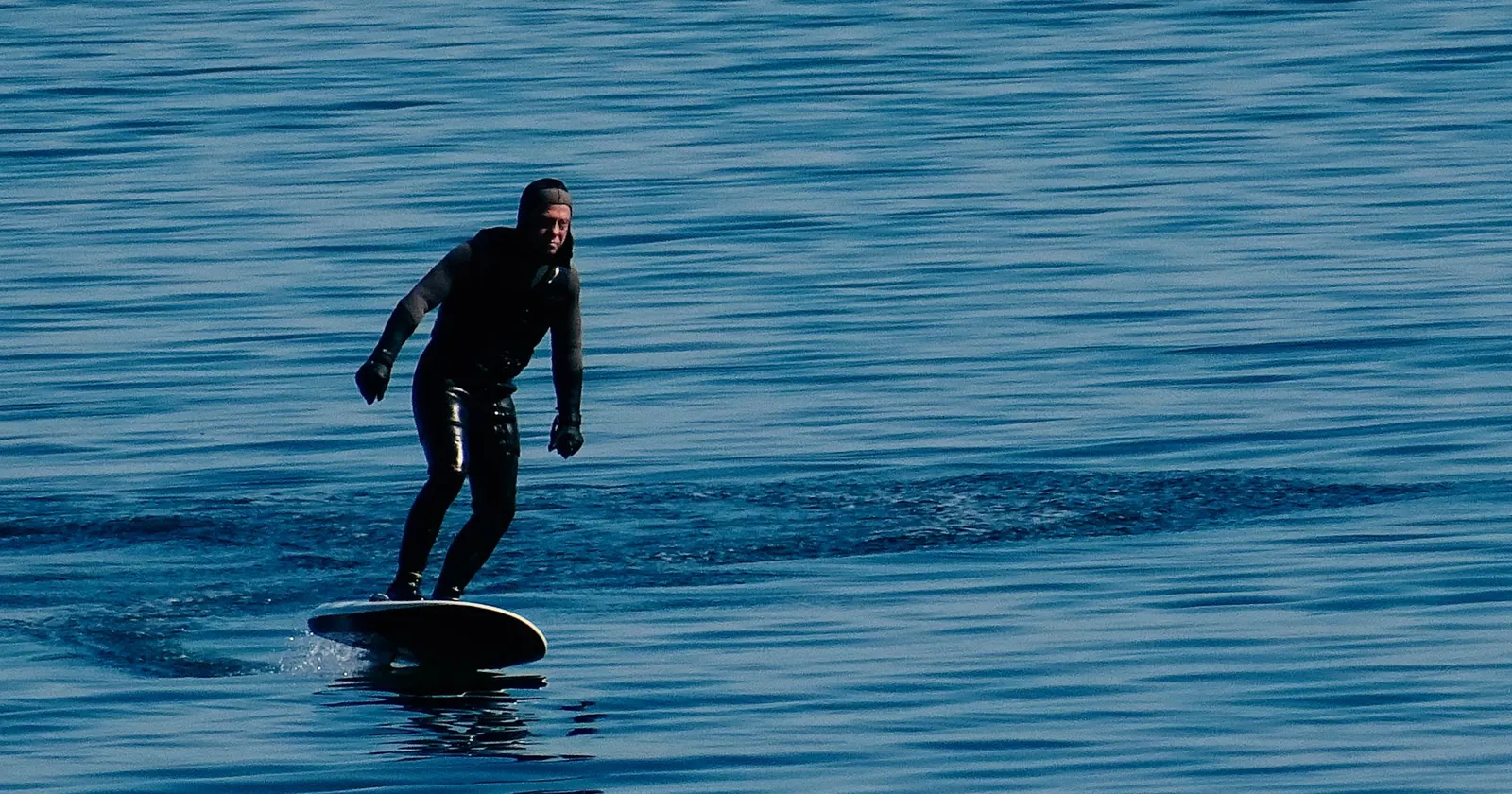
Photo: Nadejda Bostanova via Pexels (free license).
This is general beginner guidance, not a substitute for lessons or in-water supervision.
Key takeaways
- A hydrofoil lifts the board clear of the water for a smooth, flying glide.
- Easiest ways in: wing foiling and eFoiling (controllable power). Prone is hardest.
- Start big, stable, low-aspect and slow; advanced foils come later.
- The core skill is pitch control: subtle fore-and-aft balance.
- Respect the foil: helmet, impact vest, fall flat and away, cover your head.
What a hydrofoil does, and why the board lifts
A hydrofoil is a wing mounted on a mast beneath the board. As you build speed, the underwater wing generates lift and raises the hull clear of the surface, so you ride on the foil alone with almost no drag. The result is that famous smooth, fast, near-silent glide, like flying just above the water. That lift is powerful and reacts to tiny movements, which is exactly why foiling feels incredible and takes real practice.
The ways into foiling: wing, surf, kite and tow
Foiling is a family of sports sharing the same foil:
- Prone foiling: paddle into ocean waves like surfing, then ride the foil. The hardest to learn.
- SUP foiling: stand-up paddle onto waves or bumps and foil.
- Tow foiling: towed behind a boat or jetski for steady, controllable speed.
- Wing foiling: wind-powered with a handheld wing. A very accessible start.
- eFoiling: electric, motor-powered with a handheld throttle. The most controllable way to learn the foil.
For most beginners, wing foiling or eFoiling is the gentlest entry, because you get steady power while you learn the balance.
How a beginner progresses in foiling
Step 1: Big, stable, low and slow
Learn on a large, high-volume, stable board with a big, low-aspect front wing on a shorter mast, at low speed. Low-aspect wings are slow and forgiving; that is exactly what you want. Small, high-aspect, fast foils come much later.
Step 2: Master pitch, the see-saw
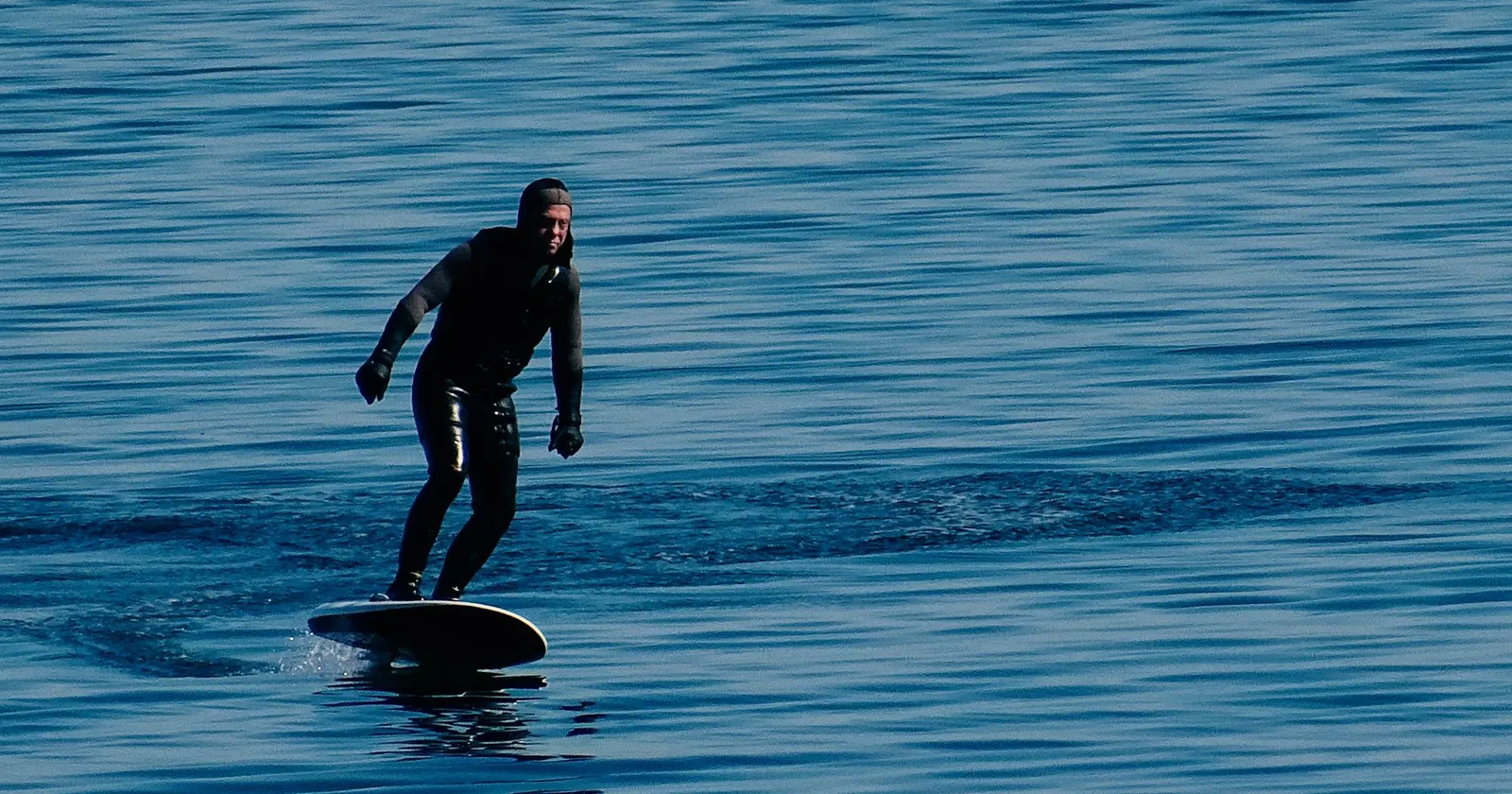
The heart of foiling is controlling pitch: too much lift and you breach (the foil pops out and you fall), too little and you sink back down. You manage it with subtle fore-and-aft weight shifts, keeping the foil just under the surface at first. This is a body skill that only comes with reps, so be patient with the falls.
Step 3: Progress gradually
Once you can fly in control, you move to smaller, higher-aspect wings, longer masts and faster speeds, and add turns, pumping and swell-riding. There is no rush; the foundation is everything.
What gear you need to start foiling
A foil board plus a hydrofoil (mast, fuselage, a large front wing and a rear stabiliser) matched to your discipline, plus a helmet, impact vest and a wetsuit. Foil gear is expensive and your ideal setup changes fast, so learn on school or rental kit first. See our foiling gear guide.
Foiling has named levels now, and an instructor qualification to match
Foiling spent a decade as something people taught themselves. It has since been written into a syllabus, which is the most useful signal a beginner can have that the learning curve is known rather than mysterious.
The RYA's personal foiling levels are called First Flights and Sustained Flights, and the instructor qualification is built on top of the existing ladder rather than beside it: an RYA Foiling Instructor must already be an RYA Intermediate Instructor with “personal foiling experience to a RYA Sustained Flights level”, then complete a four-day course assessed continuously throughout. The result qualifies them to teach “RYA First Flights or higher”, depending on their own level, and is valid five years as long as a first-aid certificate is maintained.
Two things follow for someone starting. First, the sequence is not optional: the foiling ticket sits above the intermediate one, which means the sport's own view is that you learn to sail or ride properly first and add the foil afterwards. Second, when you book a foiling lesson, there is now a specific thing to ask for, and “our guy foils really well” is not it.
At the competitive end the equipment is controlled to a degree that would surprise most people. The Olympic iQFOiL class rules are closed class rules with hulls, appendages, rigs and sails “manufacturing controlled” and buildable only by licensed manufacturers, and the class spells out the principle in capitals: “IF IT DOES NOT SPECIFICALLY SAY THAT YOU MAY – THEN YOU SHALL NOT”.
FAQ: starting foiling
What is foiling and how does a hydrofoil work?
Foiling is riding a board fitted with a hydrofoil, a wing on a mast beneath the board. As the board gains speed the underwater wing generates lift and raises the hull clear of the water, so you glide above the surface with very little drag. This gives the smooth, fast, quiet, almost flying sensation foiling is famous for. The lift is powerful and sensitive to small movements, which is why the sport feels amazing but has a real learning curve.
Is foiling hard to learn?
Foiling has a steeper balance curve than most board sports because you are managing lift in three dimensions, so expect plenty of falls at first. How hard it is depends on the discipline: wing foiling and eFoiling are usually the most accessible because they give you controllable power, while prone (paddle) foiling is the hardest. Starting on a big, stable board with a large, forgiving low-aspect wing at low speed, and taking lessons, makes a huge difference.
What is the easiest way to start foiling?
For most people, wing foiling (wind-powered with a handheld wing) or eFoiling (electric, motor-powered) is the easiest entry, because both give you a controllable, steady source of power while you learn the foil balance, rather than relying on catching a wave. Whichever you choose, start on large, stable, forgiving beginner gear at low speed and take lessons. Prone foiling, paddling into waves, is rewarding but the hardest starting point.
Is foiling dangerous?
Foiling carries a specific hazard the other board sports do not: the hydrofoil itself is hard and has sharp edges, and hitting it in a fall can cause serious cuts and impact injuries. This makes protective gear and good falling technique essential. Always wear a helmet and an impact vest, learn to fall flat and away from the board while covering your head, keep well clear of other riders' foils, and take lessons. Treated with respect and the right gear, it is a wonderful sport; treated casually, the foil can hurt you.
What gear do I need to start foiling?
A foil setup is a board plus a hydrofoil (mast, fuselage, a large front wing and a rear stabiliser), matched to your discipline, plus safety gear: a helmet and an impact vest are strongly recommended, along with a wetsuit for the conditions. Beginners want a big, stable board and a large, low-aspect front wing on a shorter mast. Schools and rental centers provide beginner setups, which is the sensible way to start before buying, since foil gear is expensive and your ideal setup changes as you progress.
Yannick Schroth
Founder of NOMADREEF and a former digital nomad. This guide explains the standard beginner foiling progression; it is not a substitute for lessons or in-water supervision. The foil is genuinely dangerous, so wear protection and take instruction. About the author · LinkedIn ↗
Sources
- The foiling levels and the instructor route. Royal Yachting Association, windsurfing instructor qualifications: the Foiling Instructor requires “RYA Intermediate Instructor with personal foiling experience to a RYA Sustained Flights level”, a “Four-day course… assessed continuously throughout”, and qualifies the holder to teach “RYA First Flights or higher (Personal foiling level dependent)”, valid “Five years from the date of issue, provided that a valid first aid certificate is maintained”. rya.org.uk. Read 13 September 2026.
- How the Olympic foiling class is specified. International Windsurfing Association, International iQFOiL Class Rules, effective 28 May 2020: “iQFOiL hulls, hull appendages, rigs and sails are manufacturing controlled. All equipment shall only be manufactured by approved manufacturers – in the class rules referred to as licensed manufacturers”; “REMEMBER – THESE RULES ARE CLOSED CLASS RULES WHERE IF IT DOES NOT SPECIFICALLY SAY THAT YOU MAY – THEN YOU SHALL NOT.” internationalwindsurfing.com. Read 13 September 2026.
- Hydrofoil beginner instruction conventions (disciplines, wing sizing, pitch control, protective gear).
- Our own foiling gear, eFoil explainer and wing foiling guides.