How to Start Kayak Fishing
 by Yannick Schroth
Jul 30, 2026
8 min read
by Yannick Schroth
Jul 30, 2026
8 min read
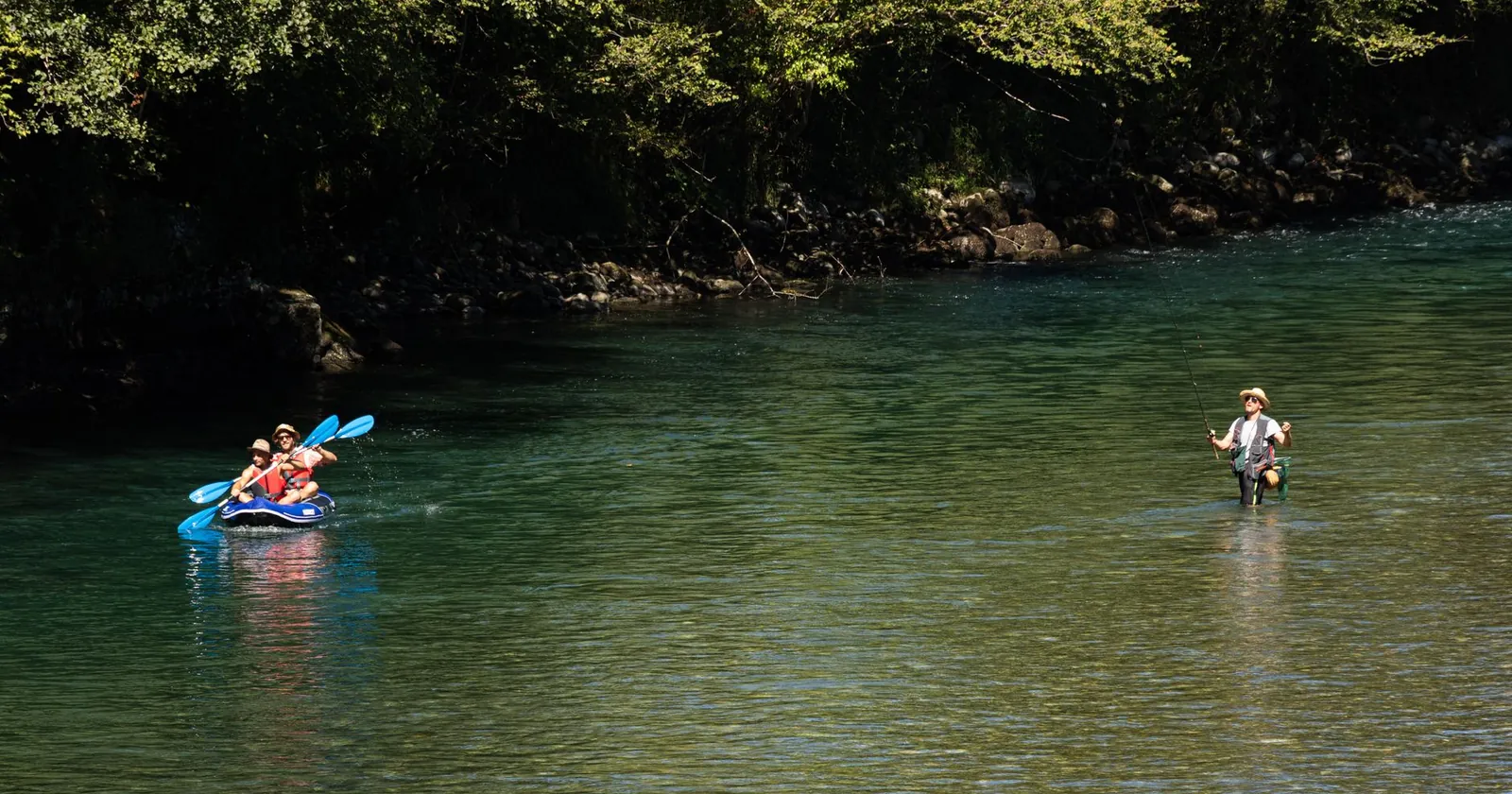
Photo: Mikael Dubarry via Pexels (free license).
This is general beginner guidance, not a substitute for instruction and local knowledge.
Key takeaways
- Get a stable sit-on-top; stability and capacity over speed.
- Paddle vs pedal: pedal frees your hands to fish, but costs more.
- Keep the rig simple; rod holders, leashes, storage, a way to anchor.
- Wear a PFD (often the law) and hold the correct fishing license.
- Respect the wind and weather; learn re-entry, never fish alone learning.
Why kayak fishing suits nomads
Kayak fishing is one of the cheapest ways onto the water and reaches quiet spots that shore anglers and big boats miss. It builds naturally on paddling skills, needs no engine or launch fees, and, with an inflatable or roof-carried kayak, travels reasonably well. For a nomad who fishes, it is a low-cost, low-hassle way to combine paddling with fishing.
How a beginner progresses in kayak fishing
Step 1: Choose a stable sit-on-top
A wide, stable sit-on-top kayak is the standard: self-draining, easy to remount, and stable enough to fish from (some let you stand). Prioritise stability and weight capacity over speed. Paddle kayaks are simpler and cheaper; pedal kayaks free your hands to fish but cost more. See our fishing kayak guide.
Step 2: Rig it simply
Start with a couple of rod holders, paddle and rod leashes (so nothing goes overboard), a crate or storage for tackle, and a way to hold position (an anchor or stakeout pole). Add a fish finder and comforts later. Do not over-rig at first.
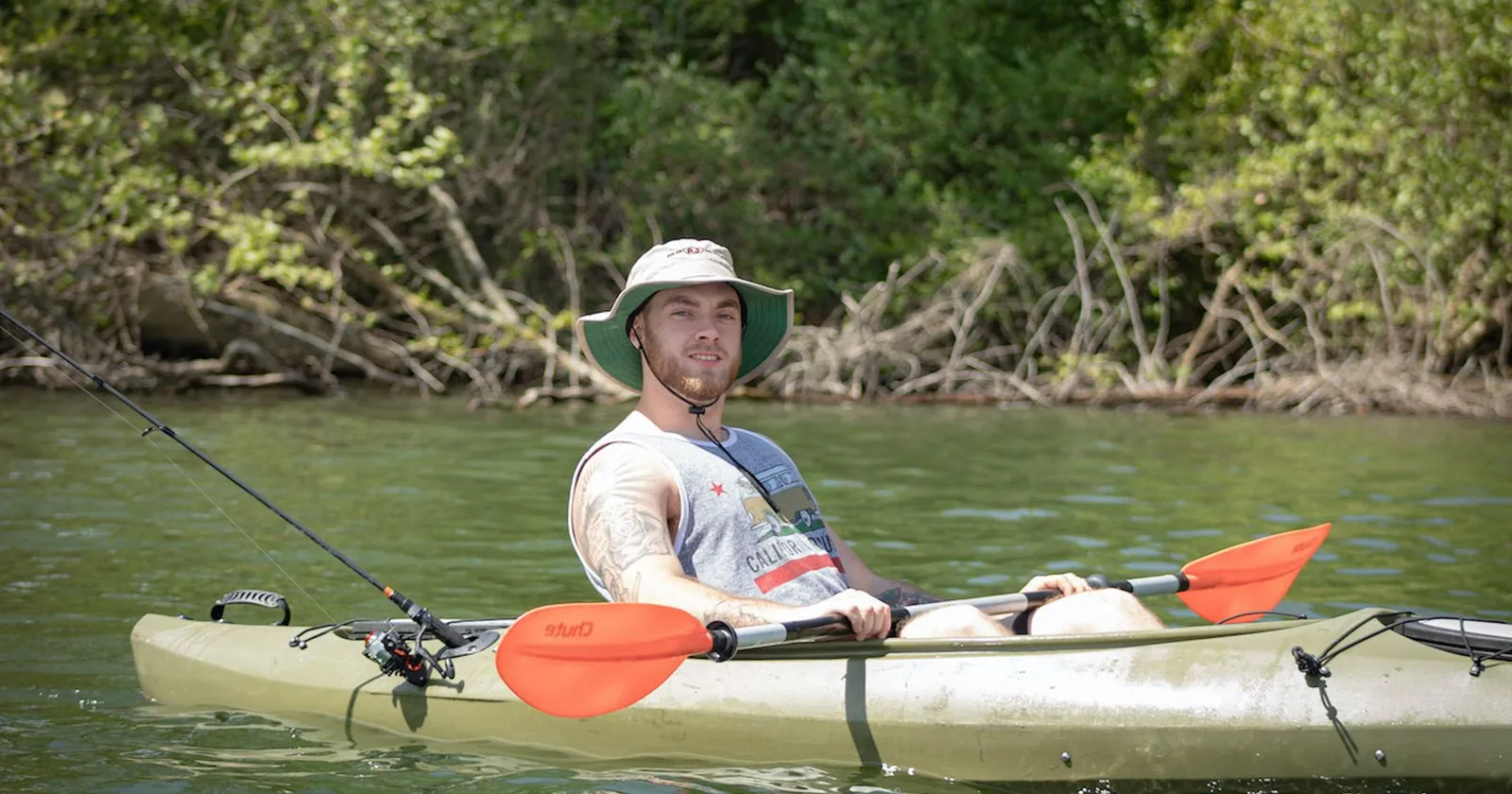
Step 3: PFD and license
A properly-fitted PFD is essential and in many places legally required on a kayak, so wear it. Get the correct fishing license or permit for your location and target species, and follow local size and bag limits, seasons and protected areas. Rules vary widely, so check first.
The gap between carrying and wearing, in one jurisdiction's actual words. United States federal law is worth reading closely because it is public, specific, and constructed differently from what most people assume. A kayak is a recreational vessel, and 33 CFR 175.15(a) requires that "at least one wearable PFD is on board for each person", with 175.19 adding that it must be "readily accessible" and 175.21 that it be "of an appropriate size and fit for the intended wearer". For an adult, that is a carriage requirement, not a wearing one. Two things change that. Children under 13 must actually wear one while the vessel is under way (175.15(c)), and 175.5 hands the wearing question to the states, which are exempted from federal preemption precisely for "operating a canoe or kayak". That is why the answer to "must I wear it?" is a state answer, not a federal one, and why it differs as you drive across a line. The whistle in the safety note has a rule behind it too: under 33 CFR 83.33(b) a vessel under 12 meters need not carry the prescribed sound appliances, but "if she does not, she shall be provided with some other means of making an efficient sound signal". Outside the US the framework will differ; the lesson that carriage and wearing are separate questions usually does not. Checked 12 August 2026.
Step 4: Launch, paddle, cast
Practise launching and landing in calm shallow water, paddling and holding position, before you focus on fishing. Then learn to cast, manage your line and land a fish while seated and balanced, keeping your weight low when reaching or netting.
What gear you need to start kayak fishing
A stable sit-on-top and paddle, a PFD, rod holders, paddle and rod leashes, storage, and a way to anchor, plus your rods and basic tackle for your target fish. See our best fishing kayak guide, and consider SUP fishing if you prefer to stand.
Cold and entrapment: the two rules for fishing moving water
Both come from the American Whitewater Safety Code (2024), quoted rather than paraphrased, because the wording carries the detail. On standing up: "Do not attempt to stand in fast-moving water. Swim to slow-moving water (little to no current) or very shallow water (below your knee) before attempting to stand." A wedged foot plus current pushes you under and holds you there. The threshold is knee-deep, not a feeling.
On swimming, there are two techniques and picking the wrong one is the common error: "When swimming in shallow or obstructed rapids, lie on your back with your feet held high and pointed downstream", but "if you're in slow moving water or the rapids are deep, roll onto your stomach and swim aggressively for shore." Feet-downstream is the defensive position, not the universal one.
American Whitewater also states plainly that "river running alone is strongly discouraged. Single-craft outings are a common factor in incidents and drownings."
Quoted from American Whitewater Safety Code (2024), checked 8 August 2026. AW publishes these as guidelines "for informational purposes only", not as a standard of care, and they are no substitute for instruction or local knowledge.
FAQ: kayak fishing for beginners
What kind of kayak is best for fishing?
A wide, stable sit-on-top kayak is the standard for fishing. Sit-on-tops are self-draining, easy to climb back onto after a capsize, and stable enough to fish from, with many modern models stable enough to stand on. Prioritise stability and weight capacity over speed as a beginner. You then choose between a paddle kayak (simpler, cheaper, lighter) and a pedal kayak (hands-free propulsion so you can fish while moving, but heavier and more expensive).
Do I need a license to go kayak fishing?
Almost always, yes, you need the appropriate fishing license or permit for your location, just as with any fishing, and the rules vary widely by country, state or region and by whether you fish fresh or salt water. You must also follow local regulations on size and bag limits, seasons, protected species and no-take areas. It is your responsibility to research and hold the correct license and follow the rules before you fish. Check with the local fishing authority.
Is kayak fishing safe for beginners?
Kayak fishing is very accessible but it is a water sport on open water, so it must be taken seriously. Always wear a properly-fitted PFD (in many places a legal requirement), check the wind and weather and avoid offshore winds and building seas, dress for immersion in the water temperature, carry a whistle and a means of communication, tell someone your plan, and learn to re-enter your kayak after a capsize. Start in calm, sheltered water and do not fish alone while learning. Treated with respect, it is a safe, rewarding sport.
Do I need a pedal kayak to fish?
No. A paddle kayak is a perfectly good and much cheaper way to start kayak fishing, and many anglers use one for years. A pedal kayak's advantage is hands-free propulsion, you drive with your legs and keep your hands on the rod, which is great for trolling and holding position in wind or current. Pedal drives cost significantly more and add weight and complexity. Start with a stable paddle kayak if budget matters, and consider pedal later if you fish often.
What gear do I need to start kayak fishing?
Beyond a stable sit-on-top kayak and paddle, the essentials are a PFD, rod holders, paddle and rod leashes, a crate or storage for tackle, and a way to hold position such as an anchor or stakeout pole. A fish finder, upgraded seat and more storage can come later. Keep it simple at first, a couple of rods, basic tackle for your target fish, and safety gear, and add to your rig as you learn what you actually use on the water.
Yannick Schroth
Founder of NOMADREEF and a former digital nomad. This guide explains the beginner basics of kayak fishing; it is not a substitute for instruction, local knowledge or the correct license, and on-water safety and the weather must always come first. About the author · LinkedIn ↗
Sources
- American Whitewater Safety Code (2024). Defensive and aggressive swimming techniques; the instruction not to stand in fast-moving water and the below-the-knee threshold; and the warning against solo river running. American Whitewater Safety Code (2024), checked 8 August 2026.
- 33 CFR part 175, subparts A and B (US Coast Guard, recreational boating). The carriage rule at 175.15(a)(1), "at least one wearable PFD is on board for each person"; stowage at 175.19, "readily accessible"; condition and fit at 175.21, "of an appropriate size and fit for the intended wearer, as marked on the approval label"; children at 175.15(c), a child under 13 must be wearing one while under way; the exemption at 175.17(a) that canoes and kayaks of 16 feet or more need not carry the additional throwable PFD; and 175.5, which exempts the states from federal preemption when they legislate on "operating a canoe or kayak", which is where wearing requirements come from. eCFR, 33 CFR 175, checked 12 August 2026.
- 33 CFR 83.33(b) (Rule 33, sound signal appliances). "A vessel of less than 12 meters in length shall not be obliged to carry the sound signaling appliances prescribed in paragraph (a) of this Rule but if she does not, she shall be provided with some other means of making an efficient sound signal." eCFR, 33 CFR 83, checked 12 August 2026. This is US law and cited as a worked example; your jurisdiction will have its own equivalent.