PADI vs SSI: Which Scuba Certification Should You Get?
 by Yannick Schroth
Oct 13, 2026
11 min read
by Yannick Schroth
Oct 13, 2026
11 min read
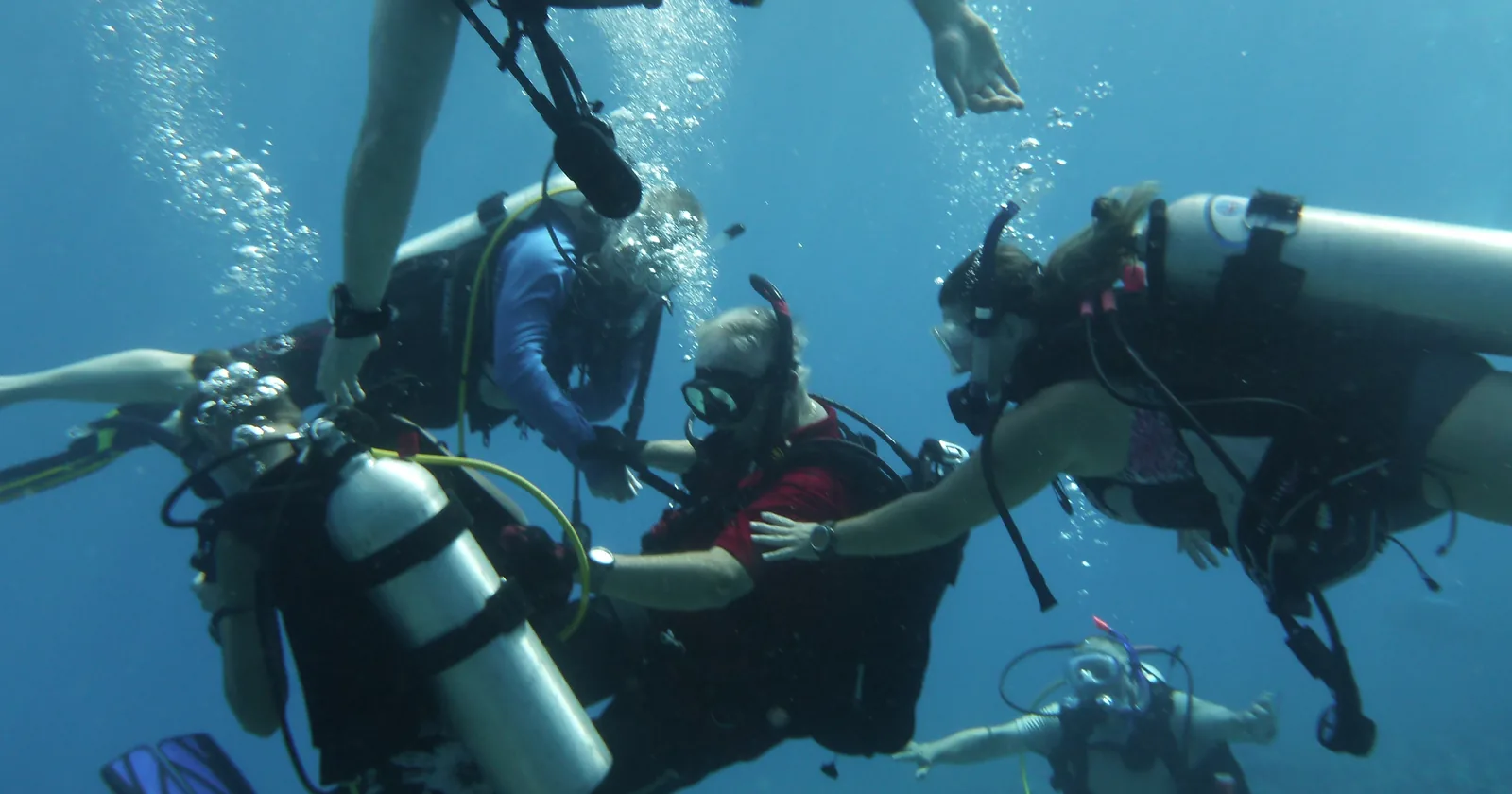
An instructor with students during an advanced class off Guam, 2013. Photo: Staff Sgt. Veronica Montes, U.S. Air Force, Wikimedia Commons, public domain.
Agency rules, prices and depth limits as of October 2026, read on the agencies' own pages.
Key takeaways
- Same level: PADI Open Water and SSI Open Water Diver both map to ISO 24801-2 and both stop at 18 m.
- Cross-recognition is written down: each agency says it accepts the other's divers into further training, though neither the ISO summary nor the WRSTC says a center must.
- The theory is sold separately: PADI eLearning cost USD 251.00 on PADI's US store; SSI sells a Digital Kit. The dive center prices the in-water part.
- Switching later is easy: take your next course with the other agency instead of converting the card.
- Check before you pay: both agencies let you check an instructor's teaching status. SSI gives affiliated centers a public page; PADI lists centers that lost their PADI status.
Is SSI Recognized at PADI Dive Centers? The ISO Level Both Cards Share
The question behind PADI vs SSI is usually whether one card will lock you out of the other agency's shops. It will not. The answer starts with an international standard, not with either agency's marketing.
ISO 24801-2 is the standard for the second level of recreational scuba training, and ISO's own summary says it "specifies the competencies required of a scuba diver in order to obtain a scuba diver qualification from a training organization attesting that he/she has met or exceeded scuba diver level 2 (“Autonomous diver”)" (iso.org). The 2014 edition was last reviewed and confirmed in 2024 and is current.
Both agencies certify their entry course to that level. PADI's certificate from Austrian Standards plus GmbH (No. S EUF CB 2004001, issued 22 November 2024, valid to 15 December 2029) lists "ISO 24801-2 - PADI Open Water Diver" (PADI certificate, PDF). SSI's own about page lists "ISO 24801-2 for Open Water Diver" among its ISO-certified programs (divessi.com). Two different logos, one level.
The second shared root is the World Recreational Scuba Training Council, which describes itself as "dedicated to the worldwide safety of the recreational diving public" and names "the development of worldwide minimum training standards" as a primary goal (wrstc.com). PADI and SSI are both listed under its United States council and its European council (where PADI appears as PADI EMEA).
What neither document does is oblige a dive center to accept anyone. The ISO summary and the WRSTC pages say nothing about which cards a shop must honor. Each agency's own wording fills that gap, and it runs the same way in both directions: PADI's training department wrote that a non-PADI certification "might" meet the prerequisite for a PADI continuing education course (PADI Pros, 2015), and SSI's FAQ says it "will recognize them for purposes of subsequent SSI certifications" (SSI FAQ).
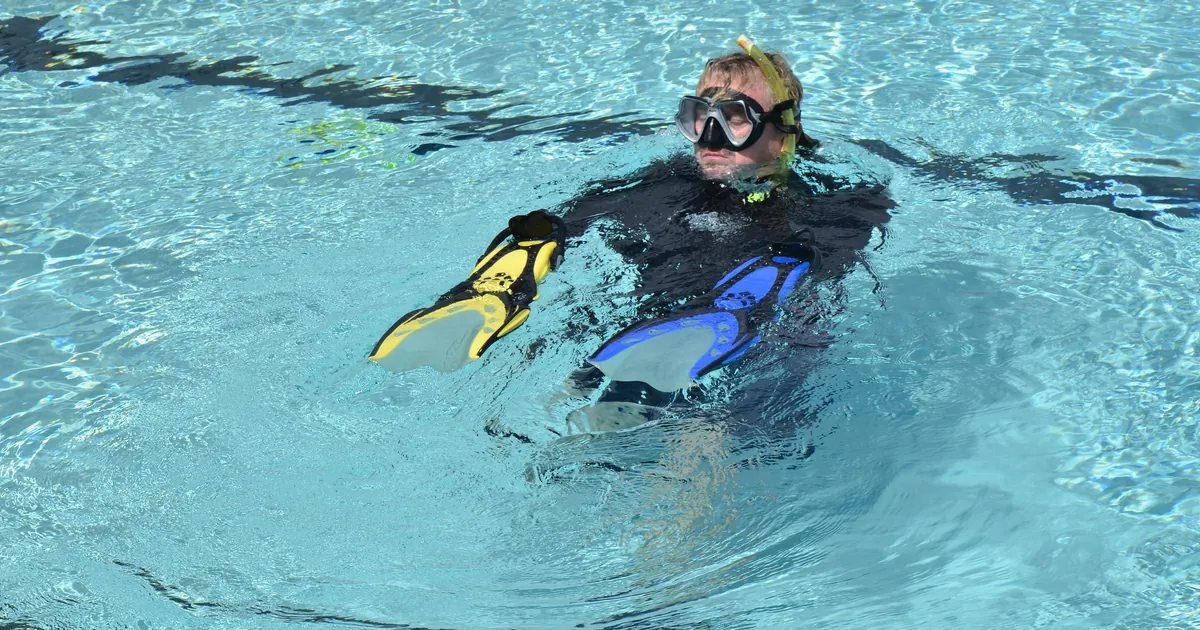

PADI vs SSI Open Water: Depth, Age and Course Structure Side by Side
Put the two Open Water course pages next to each other and the PADI vs SSI overlap is close to total. The differences are in how each agency describes its course, not in what you are allowed to do afterwards.
| PADI Open Water Diver | SSI Open Water Diver | |
|---|---|---|
| Maximum depth | 18 m / 60 ft; "expect shallow dives (12m/40ft)" | 18 m / 60 ft maximum training depth |
| Minimum age | 10 (Junior Open Water from 10 to 14) | 10 |
| Course parts | eLearning, pool or shallow water, four open-water dives | 6 academic, 6 pool or confined, 4 open-water sessions |
| Stated time | eLearning 5 to 10 hours; whole course "as little as 2 to 4 days" | 16 to 32 hours suggested |
| Water skills test | 10-minute float or tread; 200 m swim, or 300 m with mask, fins and snorkel | Swim assessment and survival float |
| ISO level | ISO 24801-2 (Austrian Standards certificate) | ISO 24801-2 (SSI's own list) |
| Proof of certification | PADI eCard in the PADI App | Digital certification in the MySSI app, with QR verification |
Sources: PADI course page and FAQ on store.padi.com, SSI course page on divessi.com, both read 13 October 2026.
PADI's course page puts the depth in plain words: "With PADI Open Water Diver you can dive anywhere in the world up to 18m/60ft" (PADI). SSI lists the same 18 m as its "Maximum Training Depth" and publishes the session counts that PADI leaves out (SSI). PADI is the more specific of the two on the swim test, while SSI names a swim assessment and a survival float without giving distances on that page.
Divers certified between 10 and 14 earn PADI's Junior Open Water card, which turns into a full Open Water Diver at 15, according to the same PADI page. For an adult nomad none of these rows separates the two agencies. Going past 18 m means an advanced course with either of them.
PADI eLearning vs SSI Digital Kit: What You Pay, and to Whom
This is where PADI and SSI really do differ. Both agencies sell the theory themselves, and both leave the in-water price to the dive center. Neither publishes what a full course costs.
PADI. The US PADI store sold Open Water eLearning for USD 251.00 on 13 October 2026. PADI's FAQ on the same page says the fee covers the digital materials, videos, quizzes and the digital manual, and adds: "This fee covers the theory only. In-water training and equipment rentals are handled separately through your chosen dive center." The center then charges "for training with a PADI Professional and renting the scuba gear", and "the cost will vary based on the dive center's location".
PADI also notes that "the dive center will help you purchase your eLearning", so it can come through the shop as well. You do not have to buy it before you pick one.
SSI. SSI sells a Digital Kit on its course page, and says "Digital Kits include your training materials only". The price is shown in a regional currency: on 13 October 2026 the page displayed THB 7,079.82. SSI lists four cost components, "Training Materials / Digital Kit", tuition, open water training dives and certification, which "are either charged singly or as a package depending on the selected Training Center." Every SSI student must also pick a Training Center as "Training Partner" when registering, and can change it or add more later.
SSI's free app and free course preview are not the course. One detail matters if you learn at a resort abroad: SSI's FAQ describes a cheaper Rental version, "only available through select overseas SSI dive resorts", whose access ends "upon certification OR after six months at the latest". The Diamond version keeps lifetime access. Ask which one your quote includes.
So PADI vs SSI on price means comparing two complete shop quotes. Ask each center whether materials, certification and gear are inside the number. The guide to getting certified while traveling covers what full courses tend to cost by region.
Switching From SSI to PADI, or PADI to SSI, After Open Water
You cannot convert an Open Water card from one agency to the other. You do not need to.
PADI's training department put the rule bluntly: "it is not possible to issue a PADI certification to a diver who did not complete a PADI training course under the supervision of a PADI Instructor." The same article adds that "other training organizations provide training that may meet the same requirements as a corresponding PADI course", and recommends that divers who want a PADI card take "a PADI continuing education course rather than simply repeating the same level of training" (PADI Pros). That article dates from September 2015, and the instructor manual it cites is not public.
SSI's version is shorter. A "crossover" in SSI's vocabulary is only for diving professionals and instructors. For everyone else: "Non SSI professionals cannot have their certifications crossed to SSI although SSI will recognize them for purposes of subsequent SSI certifications." The FAQ adds that certifications from other organizations "must be entered in your SSI diver's profile", and asks you to bring your logbook and copies of the cards to the Training Center (SSI FAQ).
For a traveler this means the next course is the switch. An SSI Open Water diver may join PADI Advanced Open Water at a PADI shop after what PADI calls "a knowledge and skill preassessment", and SSI says it recognizes the reverse. A nitrox course is the other common second step, and it is taught by both agencies.
Proving a PADI or SSI Card Abroad: eCard, MySSI and the QR Check
Nobody on a dive boat in Dahab will phone your instructor in Bali. What they look at is the card. PADI says new divers in North America, the listed South American countries, Asia Pacific and Europe, Middle East and Africa "receive PADI eCards and have the option to purchase a physical card". The eCard shows your name, diver number, level, birthdate, certification date, instructor name and number, dive center, and "ISO qualifications (where applicable)", inside the PADI App (PADI eCards).
SSI's FAQ says a digital certification "is included in the price of every SSI course" and can be confirmed with a QR code that opens SSI's diver verification page. SSI's "Find Certification" form asks for first and last name and birthday, or your SSI Master ID, and its terms limit it to the card owner or someone the owner has authorized. Save a screenshot of either card before a trip with no signal. SSI suggests exactly that for its own.
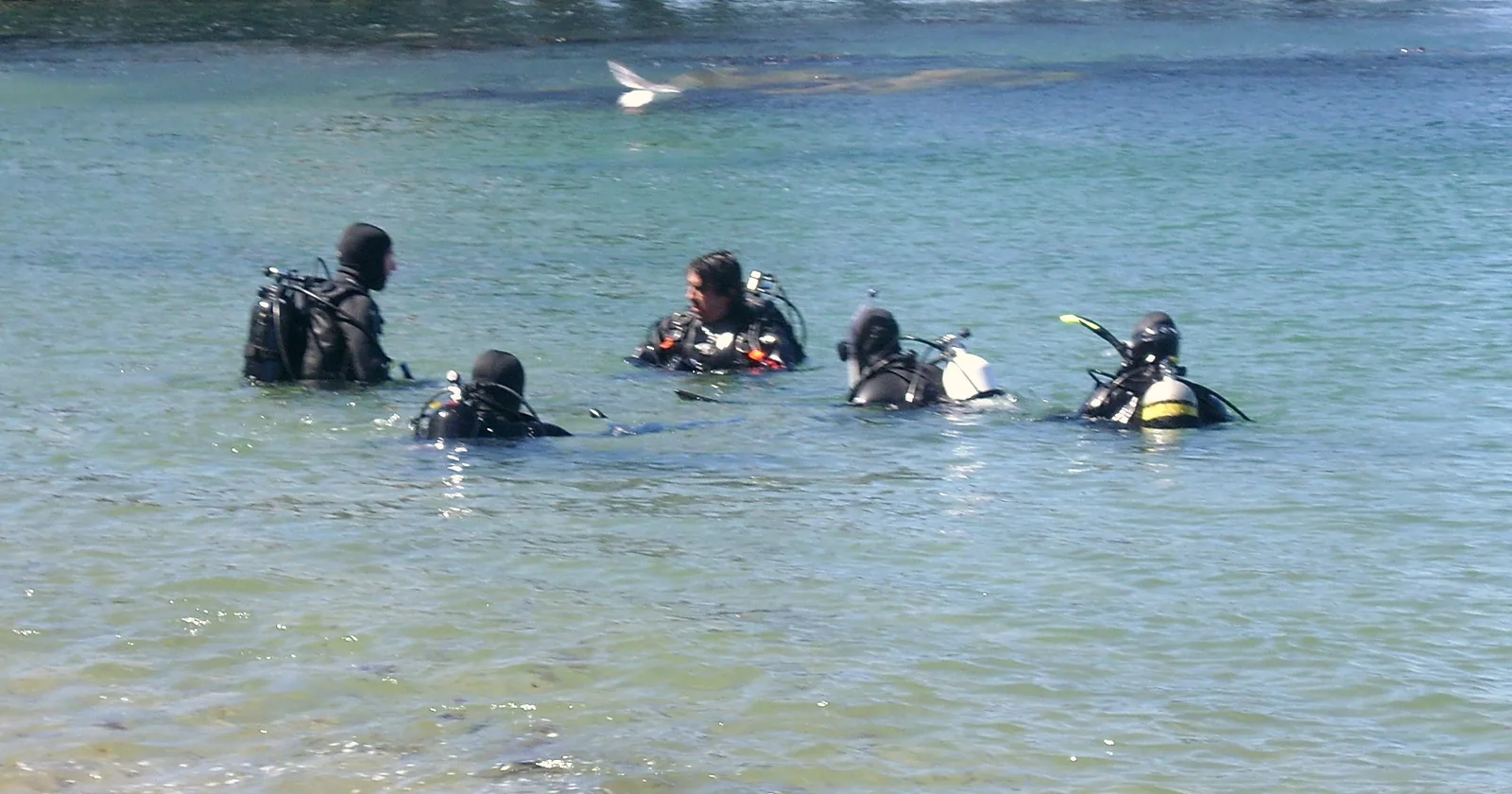

How to Check a PADI or SSI Dive Center Before You Pay
Both agencies let you check the person who will teach you, which matters more than the shop. PADI's Pro Chek lets you "verify an individual PADI Member's credential status" (PADI consumer protection). SSI's consumer protection page says you can check "the Teaching Qualifications and Active Teaching Status of any SSI Professional" by asking to see their pro-card, scanning the QR code on its back or entering their Pro Number, with the professional's permission (SSI consumer protection).
Ask for the number before you pay. A good instructor will not mind.
For the shop itself the two agencies offer different things. SSI runs a center locator in which affiliated centers have their own page on divessi.com, so a school either appears there or it does not. PADI runs a dive shop locator and, separately, consumer alerts naming "instructors, assistant instructors, divemasters, dive centers, and resorts who are not qualified to offer PADI courses or programs".
The dive-center table carries entries such as "Is no longer a PADI Dive Center", with town and country (PADI special advisories). If a shop front says PADI, that table takes thirty seconds to search.
Then come the questions no register answers. Who is your instructor, and what is their member number? How many students go into the water with one instructor? Is the theory taught in a language you follow without effort? Is the eLearning or Digital Kit inside the quote, and for SSI, Diamond or Rental? A center that answers all four in writing has told you more than its logo.
PADI or SSI for a Nomad: Four Situations That Decide It
You want the theory done before you know where you will land. Both agencies sell it online. PADI publishes the price up front and its course page says the three parts can be done "locally, on holiday, or split between the two." SSI asks you to name a Training Partner when you register, which you can change later.
You already know the shop. Take the agency it teaches. The card is the same ISO level either way, and switching later only takes the next course.
You want to check the business from your laptop. SSI gives its centers a public page you can open before you write to them. With PADI, search the consumer alerts for the center's name. With either, ask for the instructor's number and check it.
The shop teaches both. Then the agency barely matters. Choose by the instructor, the group size and which digital materials you will keep after the course ends.
PADI and SSI Dive Centers in the NOMADREEF Directory
The operator directory held 1,851 scuba businesses in 117 places on 13 October 2026. 1,217 of them link to their own page in SSI's center register. 203 name PADI in a sentence on their own website, and 74 of those are also in the SSI register, which leaves 129 that name PADI and have no SSI page. Every one of the 203 is the shop's own statement. None comes from a PADI register page.
The PADI vs SSI gap in those numbers is about access, not quality. SSI's center pages are public and can be linked one by one. PADI's shop pages sit inside its locator, and its travel site's robots.txt closes the shop and dive-center paths to automated reading, so a directory can link an SSI record but can only quote a shop's PADI claim. Several place lists also started from SSI's register, so the 1,217 shows how many centers can be checked, not which agency is more common. Which registers can be read covers the rest.
In the seven beginner towns on the learn-to-dive list, the pattern holds: 148 of 220 centers have an SSI page, and PADI appears 31 times, each time in the shop's own words.
FAQ: PADI vs SSI
Is PADI or SSI better for a beginner?
Neither card is a higher level than the other. PADI's Open Water certificate from Austrian Standards maps it to ISO 24801-2, SSI lists the same standard for its Open Water Diver, and both courses train to a maximum of 18 m with four open-water dives. Pick the instructor and the dive center, then take whichever agency they teach.
Is SSI recognized at PADI dive centers?
Both agencies say they accept the other's divers into further training. PADI's training department wrote that a non-PADI certification may meet the prerequisite for a PADI continuing education course, and SSI's FAQ says it will recognize other organizations' certifications for subsequent SSI certifications. Neither the ISO standard's summary nor the WRSTC says a center must accept a card, so carry your card and logbook.
How deep can you dive with PADI or SSI Open Water?
18 meters (60 feet) for both, as of October 2026. PADI's course page says Open Water divers can dive up to 18m/60ft and that course dives are usually shallower, around 12 m. SSI lists a maximum training depth of 18 m / 60 ft for its Open Water Diver. Going deeper means an advanced course with either agency.
Can I switch from SSI to PADI after Open Water?
Yes, by taking your next course with the other agency rather than converting the card. PADI can only issue a PADI card after a PADI course and recommends a continuing education course for divers certified elsewhere. SSI only crosses over professional ratings, but recognizes other agencies' certifications as prerequisites once your center enters them in your SSI profile.
Does PADI or SSI cost more?
Neither agency publishes a full course price. PADI's US store sold Open Water eLearning for USD 251.00 in October 2026, covering theory only. SSI sells a Digital Kit priced in your regional currency. In both cases the dive center sets the fee for pool and open-water training, so compare two complete shop quotes, not the agencies.
Yannick Schroth
Founder of NOMADREEF and a former digital nomad who has based across Asia and Latin America, from Thailand to Peru. This comparison quotes the agencies' own course pages, FAQs and certificates and the ISO standard summary; course requirements at a specific center should always be confirmed with the instructor. About the author · LinkedIn ↗
Sources
- ISO, "ISO 24801-2:2014 Recreational diving services, Requirements for the training of recreational scuba divers, Part 2: Level 2, Autonomous diver", abstract and status. iso.org, read 13 October 2026.
- Austrian Standards plus GmbH, certificate No. S EUF CB 2004001 for the Professional Association of Diving Instructors, issued 2024-11-22, expiry 2029-12-15. PDF on padi.com, read 13 October 2026.
- SSI, "About SSI", International Recognition and ISO-certified programs. divessi.com, read 13 October 2026.
- WRSTC, home page and member councils (United States, Europe). wrstc.com, read 13 October 2026.
- PADI, "Open Water Diver" course page with FAQ and eLearning price (US store). store.padi.com, read 13 October 2026.
- SSI, "Open Water Diver", Facts and Training Standards, Training Prerequisites, Training Course Costs. divessi.com, read 13 October 2026.
- SSI, Frequently Asked Questions (crossover, digital certification, Diamond and Rental courses). my.divessi.com, read 13 October 2026.
- PADI Pros, "PADI Certifications for Non-PADI Divers", 4 September 2015. pros-blog.padi.com, read 13 October 2026.
- PADI, "Certification Cards and PADI eCards", FAQ. padi.com, read 13 October 2026.
- PADI, Consumer Protection (Pro Chek, Consumer Alerts) and Special Advisories, Dive Centers and Resorts. padi.com, read 13 October 2026.
- SSI, Find Certification form and terms of use. my.divessi.com, read 13 October 2026.
- SSI, "Consumer Protection: Ensure Your Instructor is Active and Certified". divessi.com, read 13 October 2026.
- travel.padi.com robots.txt, Disallow: /dive-shops/ and /dive-center/. travel.padi.com, read 13 October 2026.
- NOMADREEF operator records,
content-ops/operators/*.json, 134 files, counted 13 October 2026: SSI register links inregister_affiliation.register_page.SSI; PADI fromwebsite.agencies_namedwithagency_review"confirmed", plus one PADI shop-profile entry in the agency field.