Dangerous Marine Life & How to Stay Safe
 by Yannick Schroth
Jul 29, 2026
9 min read
by Yannick Schroth
Jul 29, 2026
9 min read
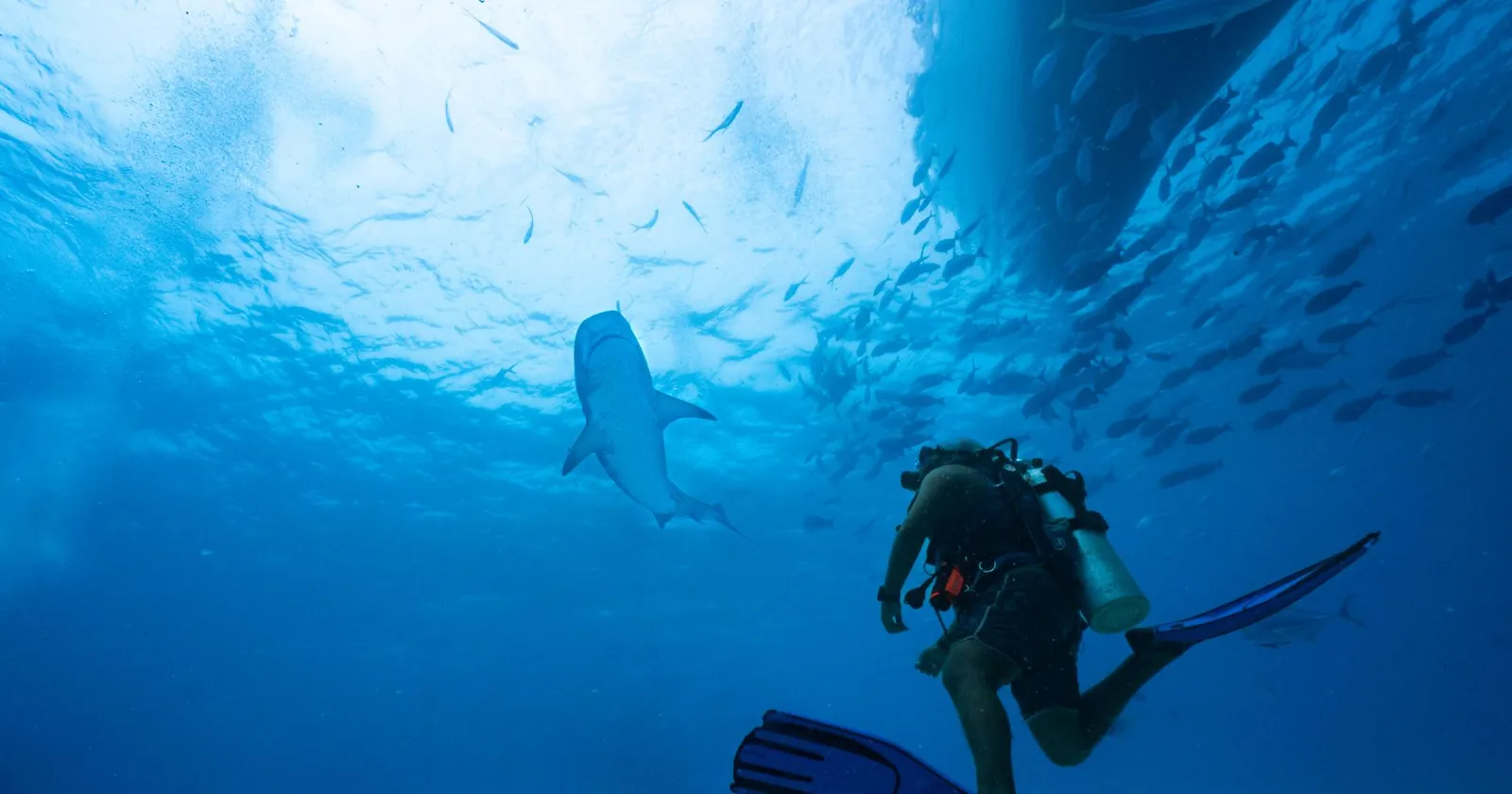
Photo: Pexels via Pexels (free license).
For any injury seek professional care and follow local guidance.
Key takeaways
- Look, don't touch: most injuries come from contact, not attacks.
- Good buoyancy keeps you off the reef and its stings.
- Never put hands in holes; watch where hands, knees and fins go.
- Shuffle your feet in shallow sand to avoid stepping on stingrays.
- Don't chase, feed or harass; respect gets you a better, safer dive.
The risks that actually send people to hospital
First, perspective: the biggest dangers in diving and snorkeling are drowning, running low on air, currents and poor buoyancy, far more than any animal. When marine creatures do hurt people, it is almost always a defensive sting or bite after being touched or stepped on, not a predatory attack. So the single most protective habit is the oldest one: look, don't touch. Add good buoyancy so you never contact the reef, watch where you put your hands, knees and fins, and you have handled most of the risk.
The universal rules
- Don't touch anything, coral, animals or the reef.
- Control your buoyancy so you hover, not crash into things.
- Never chase, corner, ride or feed marine life.
- Watch your hands and fins, and never reach into holes or crevices.
- Wear exposure protection, even a rashguard prevents many stings and scrapes.
- Shuffle your feet in shallow sand (the "stingray shuffle") so rays feel you coming and move off.
- Follow your guide's briefing, they know the local hazards.
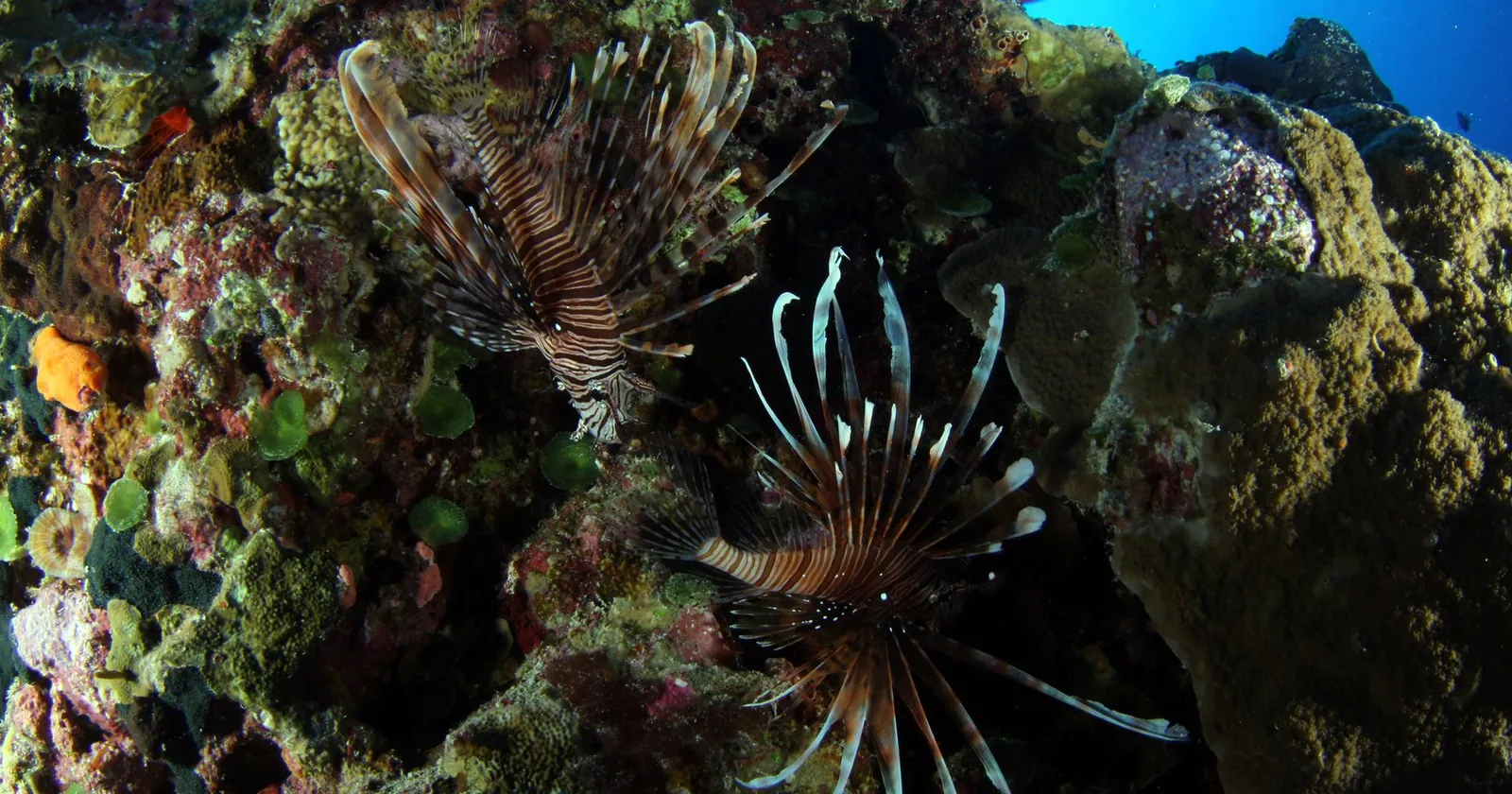
Creatures worth respecting
Not to fear, to respect and not touch:
| Creature | Why respect it | How to avoid trouble |
|---|---|---|
| Fire coral & hydroids | Sting on contact | Don't touch coral; mind your hands and fins |
| Lionfish, scorpionfish, stonefish | Venomous spines; stonefish is well camouflaged | Don't touch; watch where you place hands/feet |
| Stingrays | Tail barb if stepped on or cornered | Shuffle feet in shallows; give space |
| Cone snails | Sting can be very serious | Never pick up shells, even "empty" ones |
| Jellyfish | Stinging tentacles (some serious) | Exposure protection; avoid contact; heed local warnings |
| Sea urchins | Painful spines | Don't put hands/feet down on the reef |
| Moray eels | Bite if hands enter their hole | Never reach into crevices |
| Triggerfish (nesting) | Territorial bites when guarding a nest | Swim away horizontally, out of their cone-shaped territory |
| Blue-ringed octopus | Small but highly venomous | Never handle small octopuses; look only |
What about sharks? The actual risk, in numbers
The animal people fear most is usually the least of the worry. The vast majority of sharks divers meet are not a threat and are a highlight, not a hazard; serious incidents are very rare. Do not chase, corner, feed or harass them, stay calm, keep eye contact, and follow your guide. Treat sharks with respect and they are one of diving's great joys.
Basic first-aid principles
Specific treatment depends on the animal, so follow local and professional guidance, but general principles: get out of the water safely, seek help, and for many venomous fish spine injuries (lionfish, stonefish, scorpionfish), immersing the area in hot, not scalding, water can ease pain while you get medical care. Some stings need specific treatment and some are medical emergencies. Know the local emergency number, and for divers, where the nearest medical help, hyperbaric chamber and DAN contact are, this is part of why dive insurance matters.
Urine on a jellyfish sting: why it does not work, and what does
Of all the beach folklore, one piece has survived every attempt to kill it, and a national ocean agency has taken the trouble to write it down as a myth.
NOAA lists it under the heading “MYTH #3: Applying urine to a jellyfish sting can reduce the pain”, and the finding is flat: “the use of urine to treat stings has been tested and proven unhelpful. A better idea? Try an acidic liquid like vinegar.”
The sequence it gives instead is short enough to remember on a boat: “First, look for any tentacle adhering to skin, and flush the area well with cold ocean water. Do not rub the sting area because you could inadvertently distribute the venom further into the body. Then vinegar or evidence-based commercial product should be applied if there is continuing pain.”
Two details in that worth noticing, because they are the ones people get wrong in the moment. Cold ocean water, not fresh, fresh water changes the pressure around undischarged stinging cells and can set them off. And do not rub, which is exactly what a hand reaches to do. A small bottle of vinegar in the boat bag costs nothing and settles the argument on the day.
FAQ: marine life safety
How do you stay safe around marine life?
The golden rule is look, don't touch: almost every marine-life injury happens because someone touched, stepped on, cornered or tried to handle an animal. Control your buoyancy so you don't contact the reef, watch where you put your hands, knees and fins, never chase, feed or harass animals, wear exposure protection (even a rashguard), and shuffle your feet in shallow sand to avoid stepping on stingrays. Respect the animals and most dangers disappear.
What is the most dangerous thing when diving or snorkeling?
Statistically, the real risks are things like drowning, running low on air, currents and poor buoyancy far more than animal attacks, which are rare. When marine creatures do cause harm it is usually a defensive sting or bite after being touched or stepped on, not a predatory attack. So the biggest safety wins are good training, buoyancy, watching your air and conditions, and simply not touching things.
Are sharks dangerous to divers?
The vast majority of sharks divers encounter are not a threat and are a highlight of the dive, not a danger. Serious incidents are very rare and usually involve specific circumstances. Do not chase, corner, feed or harass sharks, keep calm, maintain eye contact, and follow your guide's briefing. Treat them with respect and enjoy them; they are far more valuable alive and undisturbed.
What should you never touch underwater?
As a rule, nothing, but especially avoid coral (including fire coral, which stings), anything with spines (lionfish, scorpionfish and stonefish have venomous spines), cone snails (a sting can be very serious), jellyfish and hydroids, sea urchins, and the small but highly venomous blue-ringed octopus. Also never put your hands into holes or crevices where moray eels or other animals shelter. When in doubt, keep your hands to yourself.
What is the basic first aid for a marine sting?
It depends on the animal, so follow local and professional guidance, but general principles include getting out of the water safely, seeking help, and for many venomous fish spine injuries (like lionfish or stonefish) immersing the area in hot (not scalding) water can ease pain while you get medical care. Some stings need specific treatment and some are medical emergencies. Carry the local emergency number, know where the nearest medical help and, for divers, the nearest chamber and DAN contact are. For anything that needs treatment, seek professional care.
Yannick Schroth
Founder of NOMADREEF and a former digital nomad. This guide summarises widely-taught marine-life safety and conservative first-aid principles (per DAN and dive agencies). Seek professional care for any injury and follow local guidance. About the author · LinkedIn ↗
Sources
- Jellyfish stings, and the urine myth. NOAA: “MYTH #3: Applying urine to a jellyfish sting can reduce the pain”: “the use of urine to treat stings has been tested and proven unhelpful. A better idea? Try an acidic liquid like vinegar.” And the sequence: “First, look for any tentacle adhering to skin, and flush the area well with cold ocean water. Do not rub the sting area because you could inadvertently distribute the venom further into the body. Then vinegar or evidence-based commercial product should be applied if there is continuing pain.” noaa.gov. Read 11 September 2026.
- Divers Alert Network (DAN), hazardous marine life first aid and safety. dan.org.
- Dive-agency marine-environment and safety guidance (look-don't-touch, buoyancy, briefings).
- Our own buoyancy control and dive insurance guides.