How to Equalize Your Ears (Diving & Freediving)
 by Yannick Schroth
Jul 29, 2026
9 min read
by Yannick Schroth
Jul 29, 2026
9 min read
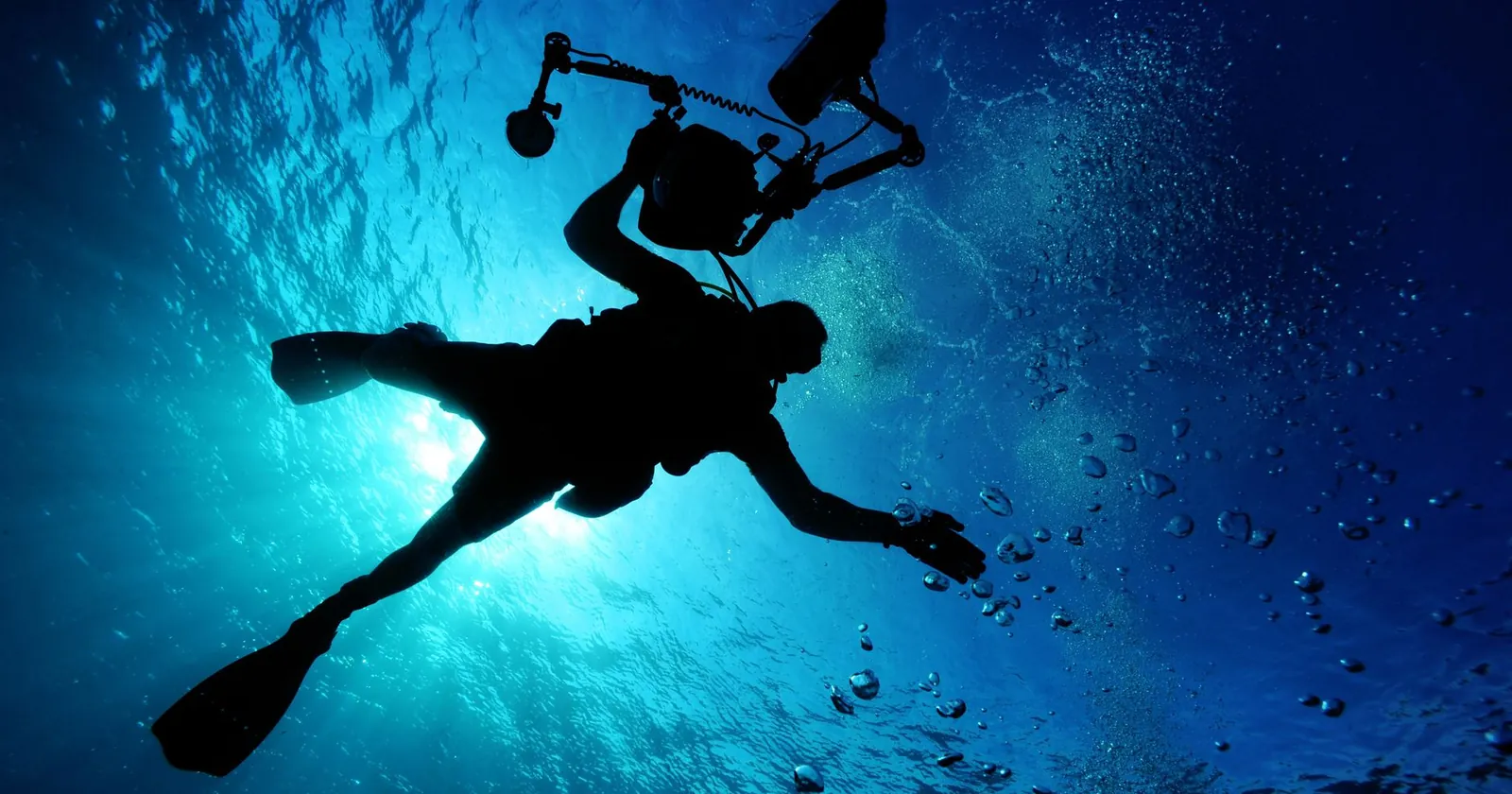
Photo: Pixabay via Pexels (free license).
The golden rules
- Equalize early: start at the surface, before you feel anything.
- Equalize often: every meter or so on the way down.
- Equalize gently: a soft effort, never a hard, forceful blow.
- Descend slowly and feet-first where you can.
- If it won't go, stop, ascend a little, try again; never force through pain.
Why your ears hurt underwater
As you descend, water pressure rises and pushes in on your eardrum. Behind the eardrum is an air space, the middle ear, connected to the back of your throat by the Eustachian tubes. Equalizing simply means adding a little air into that space through those tubes to balance the pressure so the eardrum is not pushed painfully inward. The pressure change is greatest near the surface (the first few meters), which is exactly why so many people struggle right at the start of a descent.
The equalisation techniques, one by one
- Valsalva (the common one): pinch your nose and gently blow against it, as if blowing your nose softly. Easy to learn; the catch is it must be done gently and early.
- Toynbee: pinch your nose and swallow. Often works well and is gentle.
- Voluntary tube opening: wiggle your jaw, or move it forward, as if starting a yawn, to open the tubes.
- Frenzel (for freedivers): a more advanced technique using the tongue and throat rather than the lungs, which works better at depth and on a held breath. Freedivers learn this in a course.
Most divers start with Valsalva or swallowing. If one does not work for you, try another, and combine them (for example pinch, and swallow while gently blowing).
The rules that actually keep you safe
The Divers Alert Network (DAN) and every dive agency stress technique-and-timing over force:
- Equalize early and often. Start at or just below the surface and equalize every meter or so, before you feel any pressure. Waiting until it hurts is the classic mistake, by then the tubes can lock shut.
- Be gentle. A soft, brief effort is all it takes. A hard, forceful Valsalva, especially late or against a blocked tube, can injure the inner ear.
- Descend slowly, ideally feet-first. A head-down, fast descent makes equalizing harder; going down a line feet-first, slowly, makes it easy.
- Stuck? Stop, ascend a little, try again. Rising a meter or two relieves the pressure so the tubes can open. Never push down through pain.
- Pre-equalize. Gently equalizing on the surface before you descend can give you a head start.
The reverse block (going up)
Equalizing is usually about going down, but air also has to escape on the way up. If congestion traps expanding air in your ear or sinuses as you ascend, that is a reverse block, and it can be more uncomfortable and harder to manage than a descent problem. The fix is to ascend slowly, stop, and let the air work its way out. It is another reason not to dive congested.
Why “gently” is the word that matters
Every equalisation guide says early, gently, often. The clinical literature explains which of those three words is protecting you from the worst outcome, and it is the middle one.
A 2026 review in Otolaryngologic Clinics of North America sets out the mechanism: otitic barotrauma “results from failure to equalize pressure changes across gas-filled ear spaces, most commonly due to Eustachian tube dysfunction”, and it is “highly prevalent among divers and aircrew, with middle ear barotrauma being the most frequent presentation”. The symptom list is the one divers recognise: “otalgia, hearing loss, tinnitus, fullness, vertigo, and tympanic membrane injury”.
Then the sentence to take down with you: “Inner ear barotrauma is less common but potentially severe, especially after forceful equalization.” The injury that can cost you hearing permanently is associated not with failing to clear but with clearing too hard. That is the whole argument against the big determined Valsalva at depth when nothing is moving: the forceful attempt is itself a risk factor, so the correct response to an ear that will not clear is to ascend a metre and try softly, not to push harder.
When to stop, and when to see a doctor
If you cannot equalize after stopping and trying gently, end the dive, a missed dive is far better than an ear injury. See a doctor (ideally one familiar with diving) if you have ear pain that persists after a dive, muffled hearing, fluid or blood from the ear, ringing, or dizziness/vertigo, these can indicate barotrauma and need proper assessment. Persistent trouble equalizing is also worth getting checked, sometimes there is a treatable cause.
FAQ: equalizing your ears
How do you equalize your ears when diving?
You add air to your middle ear through the Eustachian tubes to balance the rising water pressure. The most common method is the Valsalva manoeuvre: pinch your nose and gently blow against it. Other methods include swallowing (Toynbee), wiggling the jaw, or the Frenzel technique used by freedivers. The golden rules matter more than the method: equalize early, before you feel pressure, equalize gently and often as you descend, and never force it.
Why can't I equalize my ears?
Common reasons are congestion from a cold, allergies or sinus problems that block the Eustachian tubes, descending too fast or too head-down, or waiting until you already feel pressure before trying, by which point the tubes can lock shut. If you cannot equalize, stop your descent, ascend a little to relieve the pressure, and try again gently. Never push down through pain, and never dive with a cold or congestion.
Should you equalize before you feel pain?
Yes, always. The single most important rule is to equalize early and often, starting at or just below the surface and continuing every meter or so on the way down, before you feel any discomfort. Pain means damage may already be starting, and once the pressure difference is large the tubes can lock shut, making equalizing impossible. Gentle and frequent beats hard and late every time.
Is it bad to force equalization?
Yes. A hard, forceful Valsalva, especially against a blocked tube or late in a descent, can injure your ear, including the delicate inner ear, so you should always equalize gently. If a gentle attempt does not work, do not push harder, ascend slightly and try again. Forcing it through pain risks barotrauma (pressure injury) to the eardrum, middle or inner ear. When in doubt, abort the dive.
Can you dive with a cold or blocked nose?
No, you should not dive with a cold, congestion or blocked sinuses. They stop your ears and sinuses equalizing properly and greatly raise the risk of a painful pressure injury, and a reverse block on the way up (where trapped air cannot escape) can be worse than on the way down. Wait until you are clear. Relying on decongestants to dive is risky because they can wear off at depth.
Yannick Schroth
Founder of NOMADREEF and a former digital nomad. This guide summarises widely-taught equalization technique and safety guidance, per DAN and the dive agencies. Learn equalization under a qualified instructor, and see a doctor about any ear problems. About the author · LinkedIn ↗
Sources
- Why forceful clearing is the risk. “Otitic Barotrauma Due to Eustachian Tube Dysfunction and Special Considerations in At-Risk Populations”, Otolaryngologic Clinics of North America, 2026, doi 10.1016/j.otc.2026.02.003: otitic barotrauma “results from failure to equalize pressure changes across gas-filled ear spaces, most commonly due to Eustachian tube dysfunction”, is “highly prevalent among divers and aircrew, with middle ear barotrauma being the most frequent presentation”, with symptoms “otalgia, hearing loss, tinnitus, fullness, vertigo, and tympanic membrane injury”; and “Inner ear barotrauma is less common but potentially severe, especially after forceful equalization.” The article sits behind a paywall, so what is cited is its bibliographic record and abstract. europepmc.org. Read 11 September 2026.
- Divers Alert Network (DAN), ear equalization technique and safety (equalize early, gently, often; barotrauma). dan.org.
- Our own get scuba certified, how to start freediving and freediving safety guides.