How to Crew on a Sailboat (No Experience)
 by Yannick Schroth
Jul 29, 2026
8 min read
by Yannick Schroth
Jul 29, 2026
8 min read
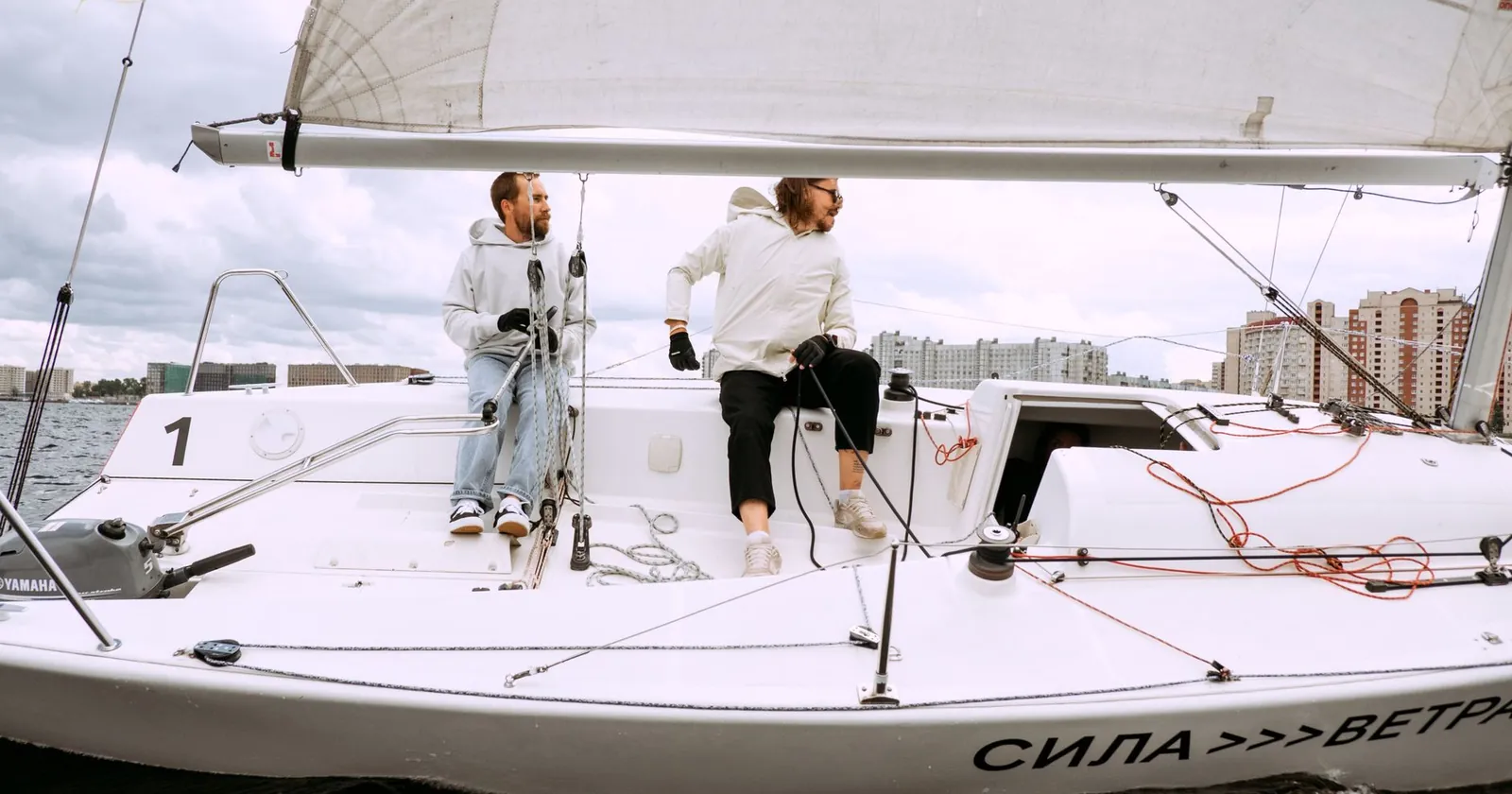
Photo: cottonbro studio via Pexels (free license).
This is general guidance, not sea-safety training. Your personal safety comes before any trip.
Key takeaways
- No experience needed: attitude and reliability beat skill for beginners.
- Find boats via crewing sites, marina noticeboards and dock walking.
- Expect to work: watches, lines, cooking, cleaning, and a shared kitty.
- Vet the skipper and boat; meet first, trust your instincts, tell someone.
- Safety onboard: lifejacket, clip on, learn man-overboard on day one.
Yes, beginners can crew
One of the best-kept secrets of sailing is that you can join a boat with no experience. Many skippers value a crew member who is reliable, cheerful and willing to learn and help over one who knows the ropes but is hard work. Crewing is also the cheapest route to real sea time, far cheaper than chartering, and a natural step if you are drawn to boat-based nomad life.
How to find a boat and get aboard
Step 1: Find a boat
Look on dedicated crew-finding websites that match crew with skippers, marina and yacht-club noticeboards, sailing groups on social media, and by dock walking (politely asking around marinas, especially in hubs before big crossings). Positions run from day sails and coastal hops to boat deliveries and ocean crossings.
Step 2: Know what is expected
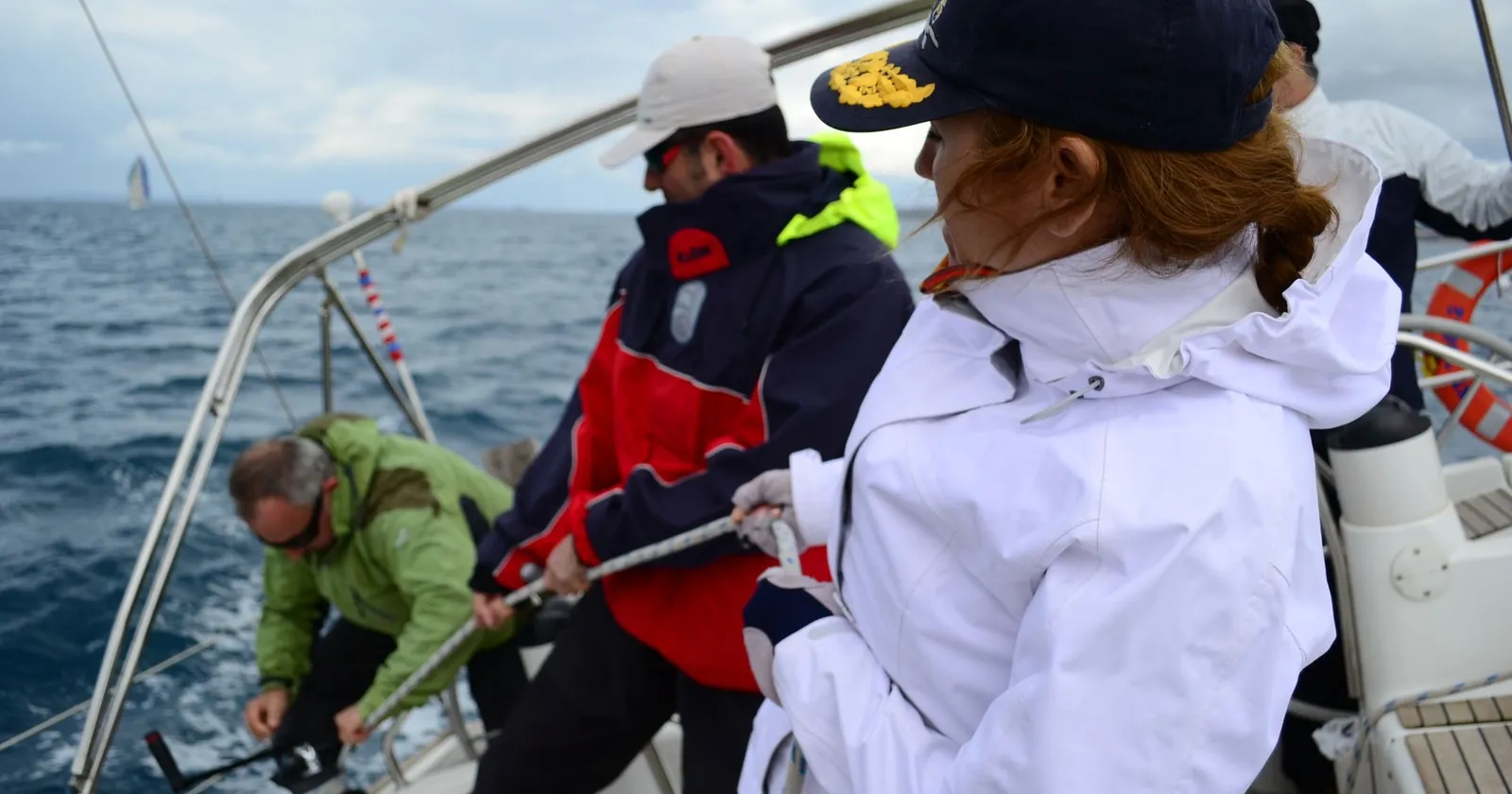
Crew help run the boat: standing watches (steering and keeping lookout, including at night), handling lines and sails, cooking and cleaning, and learning as you go. Many boats share a kitty for food, fuel and marina fees. Muck in, be reliable, and you will be welcome back.
Step 3: Vet the skipper and boat
This is the important one. Before committing, especially to a passage, meet the skipper in person or do a short day sail first, ask about their experience and the boat's safety equipment (lifejackets, liferaft, harnesses, emergency beacon), look for reviews or references, and trust your instincts. Never feel pressured onto a boat, or with people, you are not comfortable with.
Step 4: Pack right and share your plan
Bring a waterproof sailing jacket and layers, non-marking deck shoes, a hat and sun protection, seasickness remedies, medication, and a soft bag (space is tight). Tell someone ashore the boat's details and itinerary, and keep your phone and documents dry.
Step 5: Stay safe onboard
Wear a lifejacket and clip on with a harness when required, especially at night and in rough weather, because falling overboard is the most serious risk. Learn the man-overboard procedure and where the safety gear is on day one, follow the skipper, and keep one hand for yourself and one for the boat.
Managing seasickness
Seasickness is common and usually settles after a day or two. Help yourself with remedies you have tested (bands or medication), watching the horizon, staying on deck in fresh air, keeping hydrated and lightly fed, and avoiding screens below. Test yourself on shorter trips before a long crossing.
What a boat is actually required to have aboard, in crew rather than kit
Most crewing advice is about attitude. The sport's own rulebook is about certificates, and reading it tells you what a skipper is quietly checking when they take you on.
World Sailing's Offshore Special Regulations set medical training by race category. For the furthest-offshore category, rule 6.05.1: “At least one crewmember shall have a valid STCW A-VI/4-2 (Proficiency In Medical Care) certificate or equivalent.” Below that, a first-aid certificate “completed within the last five years” is required from two crew members in Category 1 and one in Category 2. And 6.05.3 applies across the board: “At least two crew members shall be familiar with First Aid procedures, hypothermia, drowning, cardio-pulmonary resuscitation and relevant communication systems.”
The survival training is a separate track with a useful warning attached. World Sailing “introduced a standard basic syllabus” for these courses in 2003, run by national authorities to a common minimum standard. It then answers the obvious shortcut: is a commercial STCW sea-survival ticket an acceptable substitute? “World Sailing standard advice is NOT to accept STCW courses”, because “the STCW course is a commercial ship qualification and therefore does not contain sailing related items and recreational safety equipment”. First aid from STCW is accepted; survival is not.
Why this matters to someone looking for a berth rather than a race: the figure that most predicts a bad day is training, not weather. In the US Coast Guard's 2024 recreational boating statistics, 69 per cent of deaths occurred on boats where the operator had not received boating safety instruction, and only 19 per cent on vessels whose operator held a nationally approved certificate. Ask what the skipper holds. It is a normal question in this sport.
FAQ: crewing on a sailboat
Can I crew on a sailboat with no experience?
Yes. Many skippers welcome willing beginners, especially for day sails, coastal trips and even some longer passages, because a good attitude, reliability and willingness to learn and help matter more than sailing skill. You will be taught what you need as you go. For demanding offshore passages some experience or a relevant course helps and may be required, but there are plenty of entry points for complete beginners who are keen and easy to have aboard.
Where do I find sailboat crewing positions?
The main sources are dedicated crew-finding websites that match crew with skippers, marina and yacht-club noticeboards, sailing groups on social media, and dock walking, which means politely asking around marinas, especially in hubs before big crossings. Positions range from day sails to boat deliveries (where a boat needs moving between ports) and ocean crossings. Building a small profile with any experience, tickets and references helps you get picked.
Do I have to pay to crew on a boat?
It varies. Some crewing is free, some boats ask crew to share a kitty covering food, fuel and marina fees, and some paid delivery or professional positions exist. Arrangements should be agreed clearly in advance so there are no surprises. As a beginner you are most likely to share expenses rather than be paid, which is normal and usually modest compared with chartering, and part of the appeal of crewing as a low-cost way to sail.
How do I stay safe crewing on a stranger's boat?
Treat it like any situation with someone you do not know. Meet the skipper in person or do a short day sail before committing to a passage, ask about their experience and the boat's safety equipment, seek reviews or references, and share the boat's details and your itinerary with someone ashore. Trust your instincts and never feel pressured to sail with people or on a boat you are not comfortable with. Solo travelers in particular should be cautious and prioritise their personal safety over any trip.
What do I need to bring as crew?
Pack light in a soft bag: a waterproof sailing jacket and warm layers, non-marking deck shoes, a hat, sunglasses and sun protection, seasickness remedies, personal medication and toiletries, and a dry bag for your phone and documents. Ask the skipper what is provided (lifejacket, harness, bedding) and what you should bring. Keep it minimal, as space aboard is tight, and confirm the expected conditions so you pack for the right climate.
Yannick Schroth
Founder of NOMADREEF and a former digital nomad. This guide explains how beginners get into crewing; it is not sea-safety training. Your personal safety comes first, so always vet a boat and skipper and share your plans before you sail. About the author · LinkedIn ↗
Sources
- What the offshore rules require of a crew. World Sailing, Offshore Special Regulations, medical training requirements: 6.05.1, “At least one crewmember shall have a valid STCW A-VI/4-2 (Proficiency In Medical Care) certificate or equivalent”; 6.05.2, a first-aid certificate “completed within the last five years” from at least two crew (Category 1) or one (Category 2); 6.05.3, “At least two crew members shall be familiar with First Aid procedures, hypothermia, drowning, cardio-pulmonary resuscitation and relevant communication systems.” sailing.org. Read 13 September 2026.
- Why a commercial survival ticket does not count. World Sailing, Offshore Personal Survival: “In 2003, World Sailing introduced a standard basic syllabus for the training courses in order to establish an International recognised qualification”; on whether STCW sea survival is a permitted alternative, “World Sailing standard advice is NOT to accept STCW courses (however first aid course are accepted). The reason for this is that the STCW course is a commercial ship qualification and therefore does not contain sailing related items and recreational safety equipment.” sailing.org. Read 13 September 2026.
- What training is worth, measured. US Coast Guard, Recreational Boating Statistics 2024: “Where instruction was known, 69% of deaths occurred on boats where the operator did not receive boating safety instruction. Only 19% of deaths occurred on vessels where the operator had received a nationally-approved boating safety education certificate.” uscgboating.org. Read 13 September 2026.
- Sailing crew-finding conventions (crewing websites, noticeboards, dock walking, deliveries and crossings).
- Onboard crew expectations and safety practice (watches, kitty, lifejackets, harnesses, man overboard).
- Our own sailing for digital nomads guide.