Best Adventure Water Destinations in the World (2026)
 by Yannick Schroth
Jul 30, 2026
8 min read
by Yannick Schroth
Jul 30, 2026
8 min read
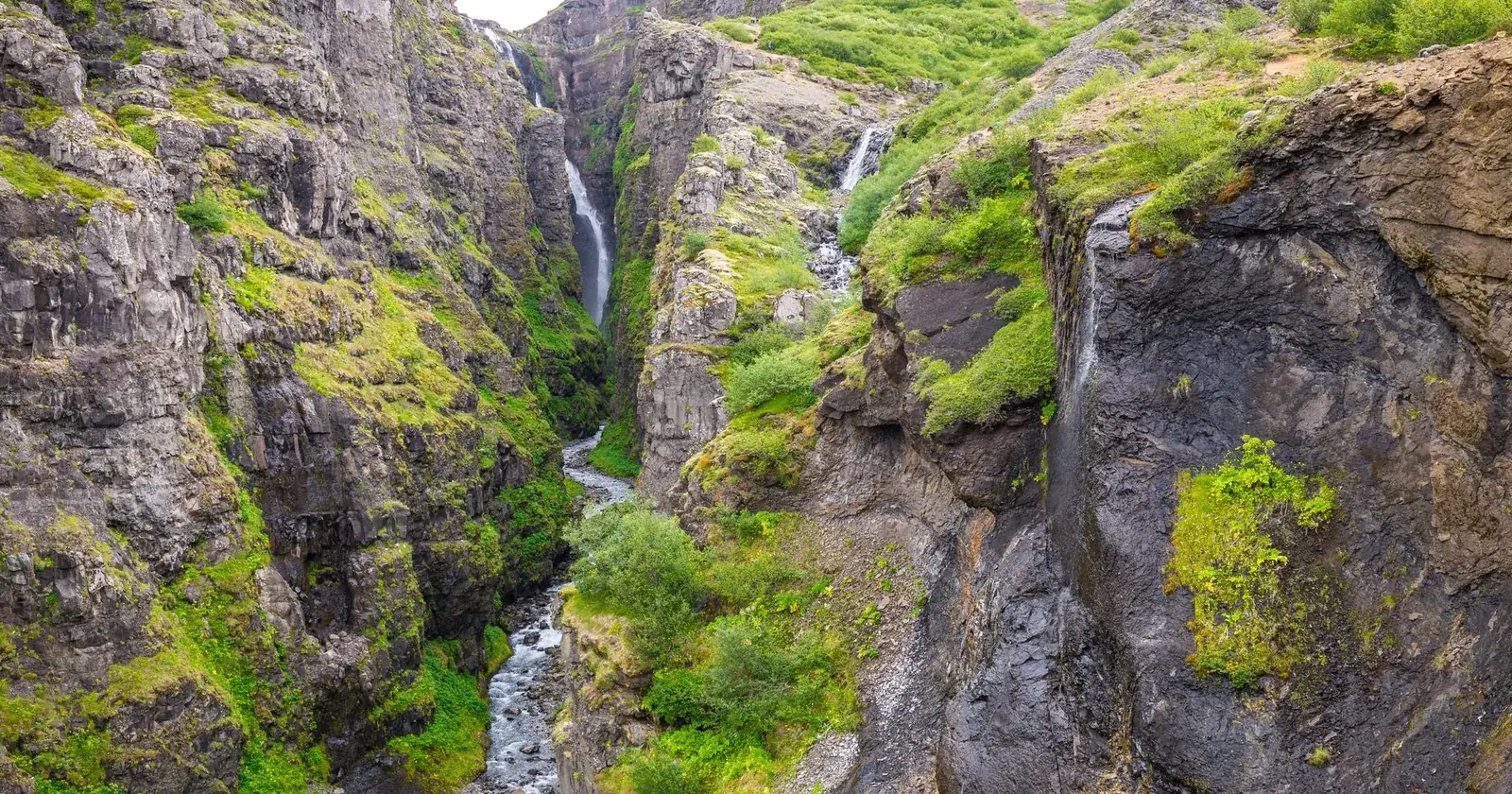
Photo: Magic K via Pexels (free license).
Seasons, access and operators change, and these activities carry real risk. Verify and go guided.
How to read this list
- Coasteering: Pembrokeshire (the birthplace), the Azores.
- Canyoning: Switzerland (Interlaken, Ticino), Bali & Lombok.
- Packrafting: Alaska, New Zealand.
- Always: go guided or trained, and respect the weather and water.
What counts as adventure water
This is a curated overview of adventure-water regions, not a claim to have done every canyon and coast, and not our usual nomad-base format. Coasteering and canyoning are almost always guided, and packrafting whitewater is skills-dependent, so treat this as inspiration and book reputable operators and verify current conditions locally. The theme is constant: these are thrilling but genuinely hazardous activities, so respect the weather and water and go with the right people.
Pembrokeshire
The birthplace of commercial coasteering, with a rugged Atlantic coastline of gullies, swells and jumps, and long-established operators. The spiritual home of scrambling, swimming and leaping along the sea's edge.
Coasteering · guided Read the guide → 46°41′N 7°51′E · SwitzerlandInterlaken & Ticino
Alpine canyoning at its finest: dramatic granite and limestone gorges with abseils, slides and jumps, run by professional operators. Interlaken is a classic base; Ticino has world-class canyons.
Canyoning · guided · alpine Read the guide → 63°00′N 150°00′W · USAAlaska
The heartland of modern packrafting: vast wilderness of rivers, lakes and fjords where a boat in your backpack reaches places nothing else can. Serious, remote, and skills-dependent.
Packrafting · wilderness Read the guide → 8°25′S 116°10′E · IndonesiaBali & Lombok
Tropical canyoning through jungle gorges and waterfalls, guided and increasingly popular, and an easy adventure add-on for nomads already based in Bali or heading to Lombok.
Canyoning · nomad-friendly Read the guide → 37°44′N 25°40′W · PortugalThe Azores
Volcanic Atlantic islands offering both coasteering along dramatic coastlines and canyoning in lush ravines, a two-in-one adventure-water destination with a mild climate and a growing nomad appeal.
Coasteering + canyoning Read the guide → 42°00′S 174°00′E · New ZealandNew Zealand
An adventure-water all-rounder: canyoning in the South Island's gorges, packrafting its wild rivers and lakes, and endless coastline, all with a strong outdoor-operator culture.
Canyoning + packrafting Read the guide →Picking your adventure
- Want the coast? Coasteering in Pembrokeshire or the Azores.
- Want gorges and waterfalls? Canyoning in Switzerland, Bali or New Zealand.
- Want wilderness journeys? Packrafting in Alaska or New Zealand.
- Always: book reputable operators, check the weather (flash floods for canyons, tides for coasteering), and be honest about your ability.
Learn and gear up
Ready to start? See how to start packrafting and our packrafting gear guide, plus the coasteering and canyoning beginner guides.
Yannick Schroth
Founder of NOMADREEF. This is a general overview of adventure-water regions, not a substitute for current local information or an operator's safety briefing. These activities carry real risk, so go guided or trained and always verify conditions. About the author · LinkedIn ↗
Adventure grades describe the water, not the day you will have on it
Every place on this list is sold with a number or a superlative attached. Two documents are worth putting against that.
The first is the grading system itself, which is unusually modest about its own authority. American Whitewater's 2024 International Scale of River Difficulty opens by saying “The scale is not exact. Rivers do not always fit easily into one category, and regional or individual interpretations may cause misunderstandings”, and that it is “not a substitute for a guidebook, first-hand descriptions of a run, or other sources of river information”. Its advice to the travelling paddler is explicit: in an unfamiliar region, “act cautiously until they learn how the scale is interpreted locally”, and allow an extra margin “when the water is cold, at higher flows, or if the river is remote and inaccessible”. A river's difficulty can also change at any point “due to fluctuations in water level, downed trees, recent floods, geological disturbances, or bad weather”.
The second is the baseline. The World Health Organization counts around 300,000 drowning deaths a year, with 92 per cent in low- and middle-income countries and over half in the WHO Western Pacific and South-East Asia regions: which is to say, in a good deal of the adventure-travel map. The global rate has fallen 38 per cent since 2000, so this is a solvable problem rather than a fixed cost. Most of that fall came from supervision, barriers and teaching people to swim, not from better equipment.
FAQ: Adventure Water Destinations in the World
How do I judge whether an operator is any good?
No binding international standard exists for coasteering or canyoning, so the operator is the standard, though the UK National Coasteering Charter does publish provider guidance and says of itself that it carries no legal compulsion. Ask whether guides hold a recognized qualification for that specific discipline, carry rescue equipment and first aid, work to a documented risk assessment, and are insured for the activity. The UK licensing scheme only bites on activities sold to under-18s, so as an adult it tells you nothing. Our coasteering and canyoning guides quote the documents in full.
Is this covered by travel insurance?
Often not, and the exclusion may not name your activity directly. SafetyWing excludes cliff jumping, which coasteering routinely involves, and spelunking, which canyoning can enter. Check our coverage matrix and get confirmation in writing before you book.
What fitness level do I need?
Enough to swim in moving water while wearing a wetsuit and helmet, and to keep going for a few hours. These are endurance activities more than technical ones at beginner level, and the cold is usually what ends a session, not the difficulty.
Sources
- What a grade claims, in the grading body’s own words. American Whitewater, International Scale of River Difficulty, Safety Code 2024: “The scale is not exact. Rivers do not always fit easily into one category… It is not a substitute for a guidebook, first-hand descriptions of a run, or other sources of river information”; “Boaters attempting difficult runs in an unfamiliar area should act cautiously until they learn how the scale is interpreted locally”; allow an extra margin “when the water is cold, at higher flows, or if the river is remote and inaccessible”; difficulty “may change at any point due to fluctuations in water level, downed trees, recent floods, geological disturbances, or bad weather”. americanwhitewater.org. Read 12 September 2026.
- The baseline the adventure sits on. World Health Organization, drowning fact sheet: “There are around 300 000 annual drowning deaths worldwide”; “Ninety-two percent of drowning deaths occur in low- and middle-income countries”; over half of the world’s drowning occurs in the WHO Western Pacific and South-East Asia Regions; “Since 2000 the global drowning death rate has fallen by 38%”. who.int. Read 12 September 2026.
- Each entry links to our full guide for that place, and those guides carry the external sources and read dates behind the claims summarised here. They are where the readings are recorded, not the evidence for them: Pembrokeshire, Interlaken, Alaska, Bali and Lombok, The Azores, New Zealand.