Canyoning and Packrafting in New Zealand: A Trip Guide
 by Yannick Schroth
Jul 31, 2026
7 min read
by Yannick Schroth
Jul 31, 2026
7 min read
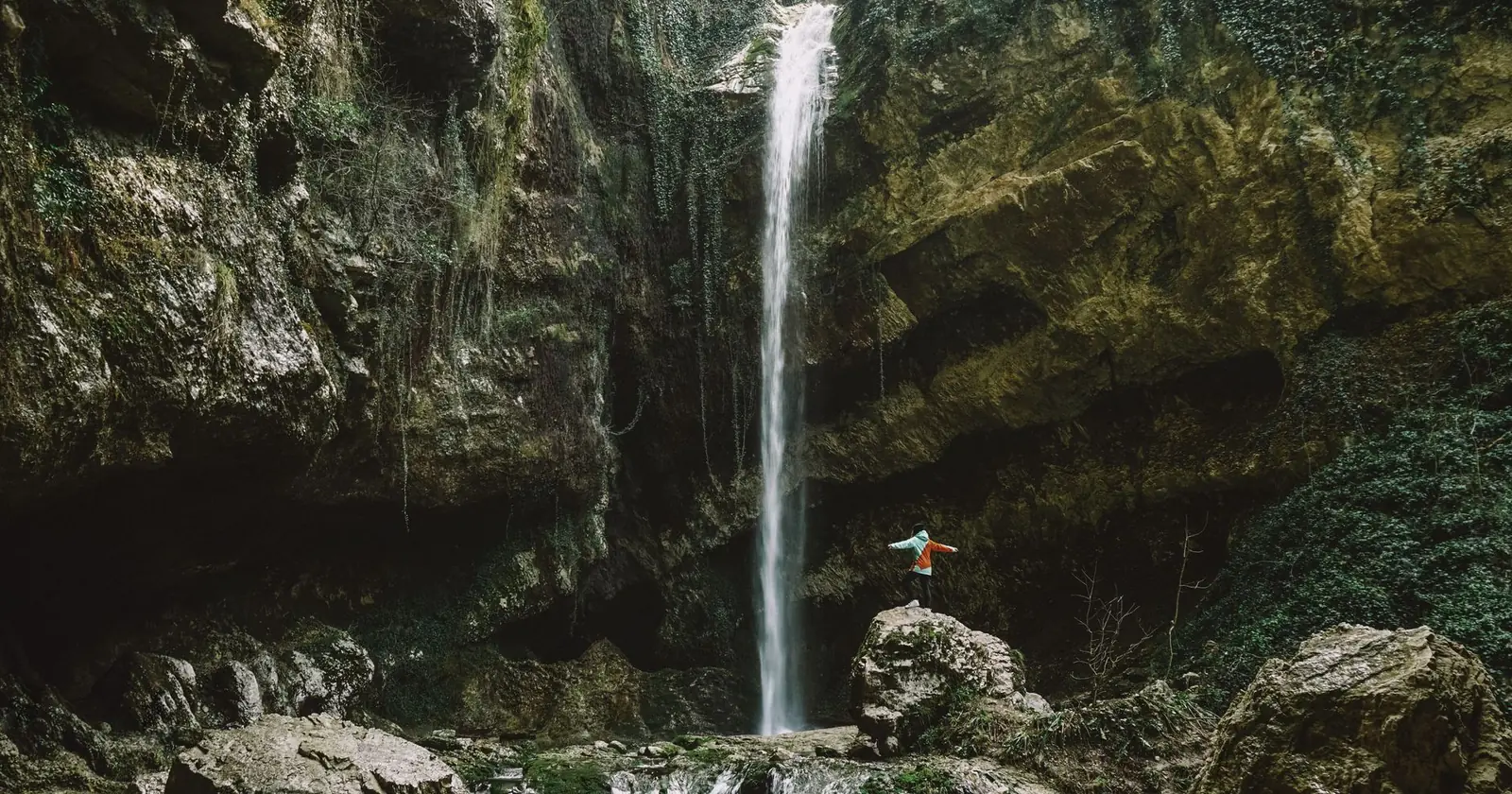
Photo: Anastasiia Kasina / Pexels.
Key takeaways
- Adventure-water all-rounder: South Island canyoning plus wild-river packrafting plus a coastline you could surf for years
- Canyoning season runs roughly November to March; Fiordland canyons often only open February to March
- Canyons use the French V (vertical) and A (aquatic) grading; anything above v3a3 is whitewater canyoning with real hydraulic hazard
- Packrafting spans gentle Grade 1 to 2 up to committing Grade 3; take a course through a recognized operator before running whitewater
- Most visa-waiver travelers need an NZeTA plus the International Visitor Levy before flying; verify current fees before you rely on them
What New Zealand actually offers the adventure-water traveler
Think of New Zealand as two sports welded to one landscape. Canyoning takes you rope-in-hand down slot canyons, sliding, jumping and abseiling through cold mountain water; packrafting hands you a light inflatable you can carry over a pass and then paddle down the river on the far side. The South Island is the heartland for both, with clusters of activity around Queenstown, Wanaka, Nelson and Abel Tasman, the West Coast and North Canterbury.
The through-line is a deep, well-organized operator and club culture. Canyoning is documented in detail by the volunteer-run Kiwi Canyons project, and packrafting has its own national body, PRANZ, plus guiding schools running structured skill pathways. That infrastructure is a big part of why New Zealand is worth the airfare: you can arrive with modest skills and progress safely, or arrive experienced and find genuinely serious objectives.
Understanding the difficulty: canyon grades and river grades
New Zealand canyons use the French system: a V number (1 to 7) for vertical and rope difficulty, an A number (1 to 7) for the aquatic side, and a Roman numeral for commitment and length. Beginner-friendly guided trips sit low on that scale; anything above roughly v3a3 is true whitewater canyoning, with moving current while you abseil or swim and hydraulic hazards that punish mistakes.
Packrafting borrows standard whitewater river grades. Introductory courses build you up to running Grade 2, while intermediate courses assume you are already comfortable on Grade 2-plus and want Grade 3 skills. Named runs people talk about include the Ashley/Rakahuri Gorge in North Canterbury (around Grade 2 to 3 at moderate flows), plus the Buller region rivers, the upper Clarence and the Waioeka in the North Island.
Match the grade to your honest current ability, not your ambition. Grades describe the hardest section, so a mostly mellow canyon or river can still contain one move well above your comfort.
When to go, and how the seasons vary by region
Canyoning is a warm-season sport here, operating broadly from November to March. The season shifts with latitude and altitude: the further south and higher you go, the later and shorter it gets, and Fiordland canyons often only run in February and March. That makes late summer the sweet spot if you want the widest choice of canyons open.
Packrafting has a longer window because you can pick your water, but snowmelt and rain drive river levels hard. Spring brings higher, pushier flows; late summer and autumn tend to be lower and friendlier for learning. Whatever the sport, New Zealand weather changes quickly, so treat any single day as provisional and keep a spare day or two in your itinerary.
How to do it: guided trips, courses and getting around
If you are new, go guided. Queenstown-based canyoning operators run everything from half-day beginner canyons to helicopter-access expeditions, and Abel Tasman Canyons works the granite canyons in the north of the South Island. For packrafting, recognized schools around Queenstown, Wanaka, the Buller/Murchison area and the West Coast run beginner-to-intermediate courses covering river reading, group safety and self-rescue.
Independent trips are absolutely a thing here, but they assume real competence: rope skills, whitewater training, and the judgement to read flow and weather. Kiwi Canyons and PRANZ publish guidance aimed partly at visitors, and reading it before you travel is worth the effort.
Logistically you will almost certainly want a rental car or campervan; the good canyons and rivers are rural and public transport does not reach them. Distances look small on a map and drive long in reality, so plan generous transit time between regions.
Safety note: cold water, flash floods and hard limits
This is genuinely dangerous terrain and deserves respect. Canyons are natural drains: heavy rain can turn a benign slot into a lethal flash flood within minutes, so weather forecasting and the decision not to go are core skills, not optional extras. Water is snow-fed and cold even in summer, so a proper wetsuit and warmth management matter.
On rivers, flows spike after rain, strainers and undercut rocks are the real killers, and a swim in fast, cold water is exhausting. Wear a helmet and an appropriately sized buoyancy aid, learn to self-rescue, and never paddle alone beyond your grade. Jumps in canyons should only ever be done to depths a guide has checked that day.
If you take one thing from this guide: book a reputable guide or complete a course before attempting anything unguided, and be willing to walk away when conditions are wrong. The mountains will still be there next season.
New Zealand keeps a public register of audited adventure operators. Use it.
Most countries leave adventure operators to police themselves. New Zealand does not, and the difference is a document you can look up before you book.
Under the Health and Safety at Work (Adventure Activities) Regulations 2016, an operator running a qualifying activity has to be registered, and registration is not a form-filling exercise. WorkSafe's own description of the route: the operator must “Engage a Recognised Safety Auditor (RSA) to perform a safety audit”, then “Undergo safety audit and if successful the RSA will issue a safety audit certificate”; only then does WorkSafe “register you and update the public register”. It may also “propose to register you with conditions, or propose to refuse to register you”.
The definitions matter, because they are broader than people assume. An adventure activity is one where “the participant is deliberately exposed to dangerous terrain or dangerous waters”, and “dangerous waters” covers “the territorial sea of New Zealand, the internal waters of New Zealand, and all rivers and other inland waters”. “Guided” is defined widely too: participants are “accompanied, directed, led, advised, trained, controlled, influenced, or supervised”. A guided river trip, a surf lesson, a canyoning day: these are the regulations' subject matter, not an edge case.
So the practical advice for a trip here is unusually concrete: before you book anything guided on the water, check the operator against WorkSafe's public register. It is the rare case where “are they certified?” has a single, checkable, national answer.
FAQ: New Zealand
Do I need previous experience to try canyoning or packrafting here?
No, for guided trips. Queenstown and Abel Tasman canyoning operators run genuine beginner canyons, and packrafting schools run introductory courses that take complete novices up to Grade 2 whitewater. Independent, ungraded trips are a different matter and assume solid rope or whitewater skills and local judgement.
What is the best time of year to come?
For canyoning, roughly November to March, with late summer (February to March) giving the widest choice because Fiordland and higher canyons open late. For packrafting the window is longer, but expect higher, pushier rivers in spring from snowmelt and calmer, lower flows in late summer and autumn.
How hard are the canyons and rivers, really?
Canyons use French V and A grades; guided beginner trips are gentle, but anything above about v3a3 is whitewater canyoning with serious hazard. Packrafting runs from Grade 1 to 3, and named runs like the Ashley/Rakahuri Gorge sit around Grade 2 to 3 at moderate flows. Grades reflect the hardest section, so read them carefully.
Do I need a visa to visit New Zealand?
Most visa-waiver travelers (including UK, EU, US and Canadian passport holders) need an NZeTA before flying, plus the International Visitor Levy, paid together when you apply. As of 2026 the NZeTA is around NZ$17 via the app or NZ$23 online and the levy is NZ$100, but verify current fees and your own eligibility before you rely on them. Australian citizens are exempt.
Is this a good place to base myself as a digital nomad?
Honestly, not really. New Zealand is a trip destination for these sports rather than a nomad base: the best canyons and rivers are rural and weather-dependent, you will want a vehicle, and long-stay visa and connectivity logistics are their own topic. Come for a focused adventure trip, not a month of remote work.
Yannick Schroth
Founder of NOMADREEF and a former digital nomad. This guide is sourced from the references below; conditions, prices and rules change, so verify current details, and follow qualified local guidance and safety briefings. About the author · LinkedIn ↗
Sources
- The regime, and that the register is public. WorkSafe New Zealand, adventure activities: the Health and Safety at Work (Adventure Activities) Regulations 2016; to register, an operator must “Engage a Recognised Safety Auditor (RSA) to perform a safety audit” and “Undergo safety audit and if successful the RSA will issue a safety audit certificate”, after which “we will register you and update the public register”; WorkSafe may also “propose to register you with conditions, or propose to refuse to register you”. worksafe.govt.nz. Read 13 September 2026.
- What counts, in the regulations’ own words. WorkSafe New Zealand, what is an adventure activity: the activity is one in which “the participant is deliberately exposed to dangerous terrain or dangerous waters”; the waters covered include “the territorial sea of New Zealand, the internal waters of New Zealand, and all rivers and other inland waters of New Zealand”; “Guided’ means participants are accompanied, directed, led, advised, trained, controlled, influenced, or supervised.” worksafe.govt.nz. Read 13 September 2026.
- Kiwi Canyons, the volunteer-run New Zealand canyoning database, for the French V/A grading system and regional season notes
- PRANZ (Packrafting Association of New Zealand) and NZ packrafting schools for river grading and course structure
- New Zealand tourism and canyoning operator pages for regional canyoning seasons and guided-trip availability
- Immigration New Zealand and NZ Government pages for NZeTA and International Visitor Levy requirements and fees
- New Zealand outdoor instruction body (NZOIA) canyoning syllabus for guiding and safety standards