Packrafting in Alaska: What to Expect and How to Do It
 by Yannick Schroth
Jul 31, 2026
7 min read
by Yannick Schroth
Jul 31, 2026
7 min read
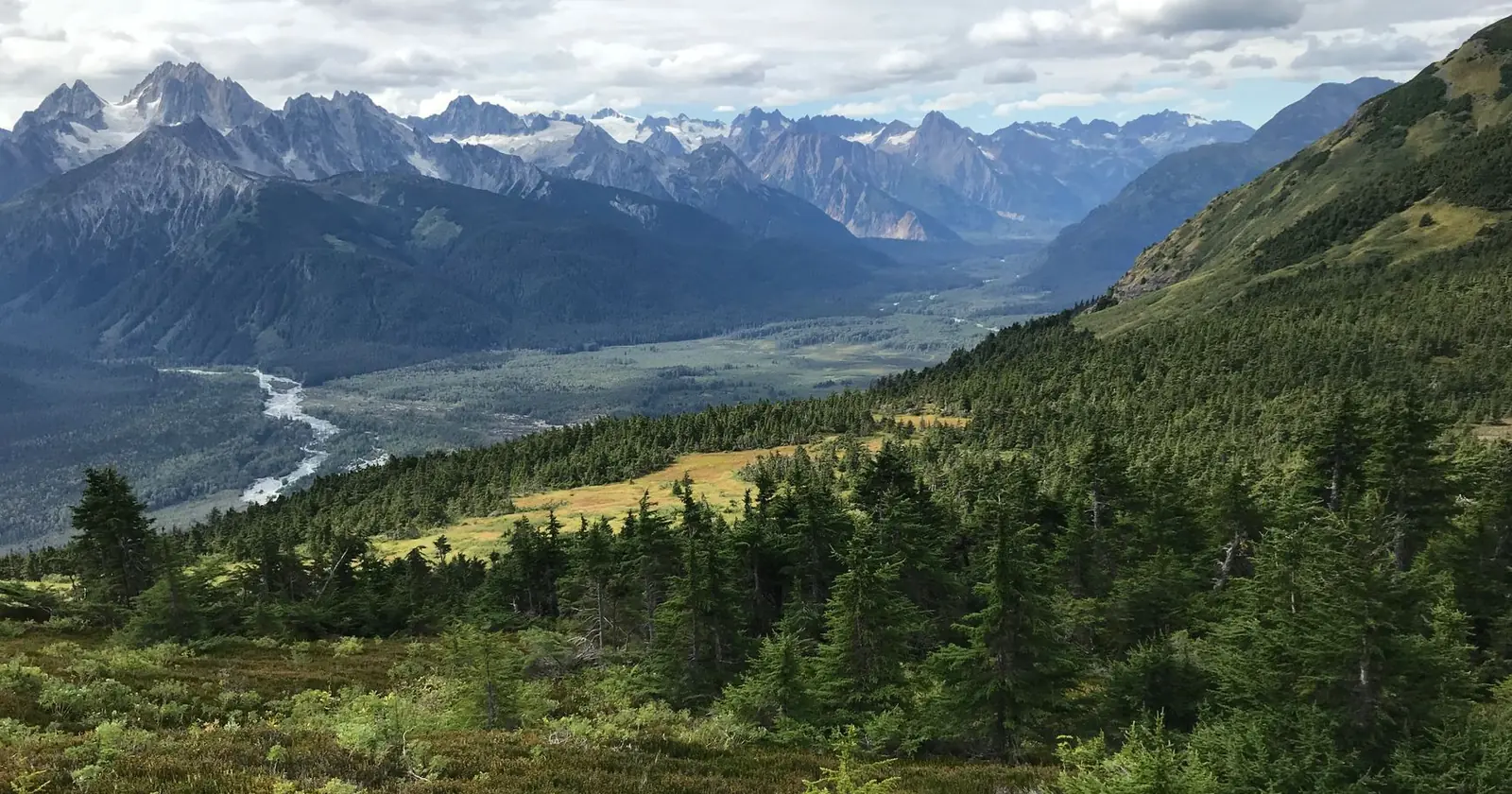
Photo: Alex Antsiferov / Pexels.
Seasons, grades and operators change; verify current conditions and go with reputable, qualified guides.
Key takeaways
- Heartland of modern packrafting: the sport's modern boats and community grew out of Alaskan wilderness travel
- Season is short: roughly late May to mid-September, with July and August the safest window for first-timers
- Water is glacial and cold all summer, often near 36F, so a drysuit is standard and non-negotiable
- Grades run the full range: gentle Class I floats through to committing Class IV to V for experts only
- It is remote and pricey; guided trips solve logistics, but there is no casual walk-up scene
Why Alaska is the heartland of packrafting
A packraft is a light inflatable boat that rolls up small enough to strap to a backpack, and Alaska is where the modern version of the sport took shape. The country here is built for it: huge tracts with no roads, where the only sensible way to link a hike with a river crossing or a lake is to carry your boat in and inflate it when you reach the water.
The modern packraft industry traces back to Alaskan wilderness travel around the turn of the millennium, when long, unsupported traverses of ranges like the Brooks Range demanded a durable, packable boat. Alaska still has one of the most active packrafting communities anywhere, which is part of why it is worth traveling for.
Treat it as a trip, not a base. You come for a week or two of expedition-style paddling in specific parks and ranges, not for a month of working from a cafe. There is no walk-up rental scene on most rivers, and cell coverage disappears fast once you leave the road system.
The rivers, ranges and how hard they are
Alaska covers the whole difficulty spectrum. At the gentle end, guided outfitters run Class I float trips such as multi-day floats on the Alatna River in Gates of the Arctic, where the water is wide, slow and beginner-friendly through a broad tundra valley. These are the trips to book if you have never held a paddle.
At the serious end sit committing Class IV to V creeks and glacial rivers that are for experienced whitewater paddlers only, often with cold, silty, pushy water and no easy rescue. In between, Class II to III runs in areas like the Wrangell-St. Elias country and the Talkeetna region reward paddlers who have taken a swiftwater course.
Named regions to research include the Brooks Range and Gates of the Arctic, Wrangell-St. Elias National Park, and the Talkeetna Mountains, sometimes called a poor man's Brooks Range. Match the river grade honestly to your real experience, not your ambition.
When to go and what the season is really like
The practical packrafting window is roughly late May to mid-September. Spring snowmelt brings the highest, most powerful water, which suits strong paddlers but can push some sections beyond what guides will run. July and August are the warmest and most predictable months, which is why most first-timers book then.
Late season, into September, rivers drop and clear as glacial silt eases, giving calmer, lower water, but the weather turns and daylight shrinks quickly. Even at the peak of summer, air temperatures are modest, commonly cool nights and mild days rather than anything you would call warm.
As of 2026 these are seasonal generalities; conditions vary hugely by river and year, so confirm current water levels, closures and guide availability before you commit.
Getting there and doing it: guided versus self-supported
Most travelers fly into Anchorage or Fairbanks and connect onward by road, small bush plane or boat to the trailhead or put-in. That air-taxi logistics piece is a real cost and a real part of the adventure; remote put-ins are often only reachable by float plane.
If you are new, go guided. Alaskan outfitters run trips where boats, drysuits, paddles and safety gear are included and no prior experience is required for the gentlest floats. Guides handle permits, bear-country protocol and the transport puzzle, which is most of the difficulty on a first trip.
If you are self-supported, you need your own boat and cold-water kit, solid swiftwater and wilderness first-aid skills, and a plan for a place where help can be days away. Build up through a packrafting or swiftwater course before you attempt anything technical here.
Alaska collects all three of the scale's warnings at once
Packraft grades get quoted like surf grades, as if a number described the day. The people who publish the numbers are more careful than that, and their caveats read like a description of this place.
American Whitewater's International Scale of River Difficulty sets out each grade in three parts, and the part travellers skip is the skill column: Class 3 is skill level Intermediate, Class 4 Advanced, Class 5 Expert: “very difficult with long rapids and strong turbulence and features that require expert maneuvering around frequent obstacles”, and “near the limits of navigation”. The grade describes the water; that column describes who should be steering.
Then the warning that decides an Alaskan trip. The scale tells you to allow “an extra margin of safety between skills and river ratings when the water is cold, at higher flows, or if the river is remote and inaccessible”. Read that list again: cold water, high flows from melt, and remoteness are not three occasional complications here, they are the standing conditions. A Class 3 in Alaska is being run under all three of the scale's own qualifiers at the same time, which is the answer to “but I've paddled Class 3 before”.
The document is also modest about itself: it calls the scale “a rough guide” and tells you to gather information from firsthand sources, which in this context means someone who has run that specific river at that specific water level, not a number on a page.
Safety: cold water is the main hazard
The single biggest danger is not the rapids, it is the water temperature. Glacier-fed Alaskan rivers sit brutally cold through the summer, frequently around freezing, and cold-water shock can incapacitate a swimmer within minutes, making it hard to breathe, grip a paddle or self-rescue. This is why reputable operators put everyone in a drysuit regardless of the air temperature.
Dress for the water, not the weather. Wear an appropriate drysuit with insulating layers, a properly fitted buoyancy aid and a helmet on anything moving, and never paddle alone in remote country. Take a swiftwater safety and rescue course before you tackle Class II and above.
Add the wilderness factors: this is bear country with fast-changing weather, no phone signal and slow rescue. Carry communication such as a satellite messenger, know the plan for a swim or a capsize, and be honest about turning back. Grades, closures and river levels change; verify current conditions with local guides before you rely on anything here.
FAQ: Alaska
Do I need previous experience to packraft in Alaska?
Not for the gentlest trips. Guided Class I floats, such as multi-day trips on the Alatna in Gates of the Arctic, are run as no-experience-necessary with all gear provided. Anything Class II or harder genuinely needs prior packrafting and swiftwater skills, ideally from a dedicated course, because cold, remote water leaves little room for error.
When is the best time of year to go?
Roughly late May to mid-September. July and August give the warmest, most settled conditions and are the usual choice for first-timers. Early season means high, powerful snowmelt for experts, while September brings lower, clearer water but colder, shorter days. Always confirm current river levels and guide availability before you book.
How cold is the water and what do I wear?
Very cold. Glacier-fed rivers stay near freezing, often around 36F, all summer. A drysuit over insulating layers is standard and treated as non-negotiable by reputable operators, along with a buoyancy aid and a helmet on moving water. Dress for immersion, not for the air temperature.
Should I go guided or self-supported?
If you are new to packrafting or to Alaska, go guided. Outfitters supply boats and cold-water kit, arrange bush-plane transport and permits, and manage bear-country and rescue planning, which is the hardest part of a first trip. Self-supported travel demands your own gear, strong swiftwater and wilderness first-aid skills, and comfort being days from help.
How do I get to the put-in and is there wifi or phone signal?
You typically fly into Anchorage or Fairbanks, then reach put-ins by road, boat or small float plane, which is a real cost. Do not count on connectivity: once you leave the road system, cell coverage vanishes, so carry a satellite messenger for emergencies rather than expecting to work or check in.
Yannick Schroth
Founder of NOMADREEF and a former digital nomad. This guide is sourced from the references below; conditions, prices and rules change, so verify current details, and follow qualified local guidance and safety briefings. About the author · LinkedIn ↗
Sources
- What the grades mean, in the scale's own words. American Whitewater, International Scale of River Difficulty and Safety Code, 2024 edition: Class 3 is skill level “Intermediate”, Class 4 “Advanced” and Class 5 “Expert”, the last described as “very difficult with long rapids and strong turbulence and features that require expert maneuvering around frequent obstacles” and “near the limits of navigation”. The document also warns to allow “an extra margin of safety between skills and river ratings when the water is cold, at higher flows, or if the river is remote and inaccessible”, and calls itself “a rough guide”. americanwhitewater.org. Read 11 September 2026.
- American Packrafting Association and packraft history references on the sport's Alaskan origins
- Alaskan packrafting outfitter trip pages (Gates of the Arctic and Wrangell-St. Elias) for grades, seasons and guided-trip structure
- Packrafting and swiftwater safety guidance from established schools and manufacturers on cold-water shock and drysuit use
- Alaska tourism and river-guide seasonal guides for timing, water temperature and conditions
- US entry requirements via official Visa Waiver Program / ESTA guidance for international visitors