Coasteering in Pembrokeshire: The Home of the Sport
 by Yannick Schroth
Jul 31, 2026
7 min read
by Yannick Schroth
Jul 31, 2026
7 min read
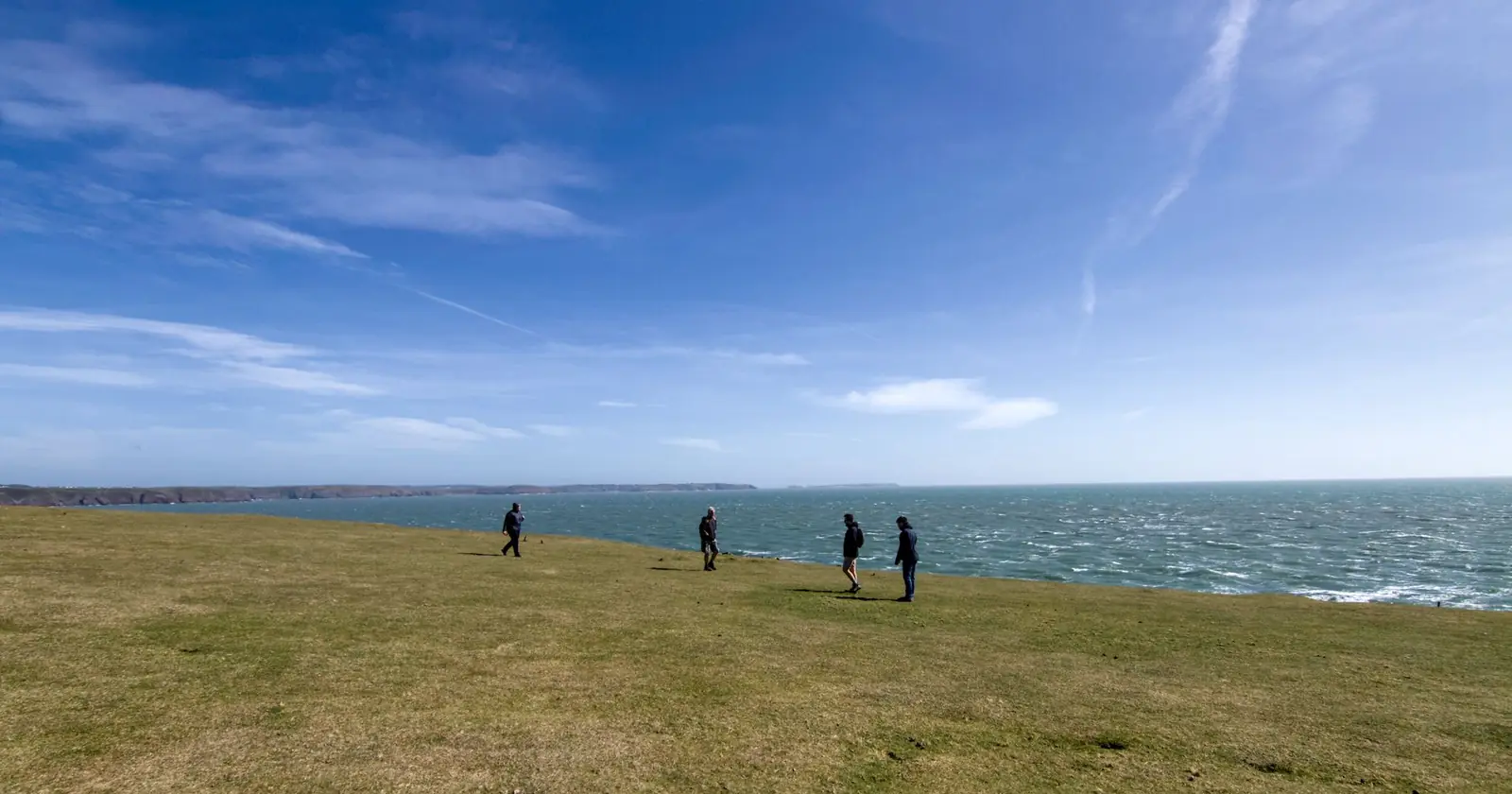
Photo: Oelnbod / Pexels.
Key takeaways
- Widely credited as the birthplace of commercial coasteering, near St Davids in 1986
- Go guided, always: local operators read the tides, swell and exit points you cannot
- Best window is roughly late spring to early autumn, with warmest water June to September
- It is a trip, not a base: remote, seasonal and weather-dependent, not a wifi hub
- Cold Atlantic water and moving swell make jumps genuinely risky without supervision
What coasteering is, and why Pembrokeshire
Coasteering is the art of traveling along a rocky coastline at the waterline: scrambling over barnacled ledges, swimming through gullies and sea caves, riding surges of swell, and jumping off rock platforms into deep water. The sport's own body in the UK, the National Coasteering Charter, sets out both the activity and the kit: “swimming, jumping, scrambling, and or traversing along and in the fore-shore region of a coastline under the guidance of a coasteering guide”, with participants wearing “an appropriate wetsuit, personal floatation device, helmet and closed-toe footwear that is secured to the foot”. Note the footwear: operators hand out the first three and often not the fourth, and bare feet or loose sandals on barnacled rock is how a good day ends early.
Pembrokeshire is where the sport was commercialised. The St Davids peninsula, with its folded volcanic cliffs, deep-water gullies and huge tidal range, is close to a perfect natural playground, which is exactly why the first paid sessions started here in the 1980s. The rock is grippy, the features are varied, and the whole coast sits inside the Pembrokeshire Coast National Park.
How hard Pembrokeshire coasteering is, and how a session runs
Coasteering is not graded like whitewater; difficulty depends entirely on the day's swell, the tide and the route your guide chooses. Most sessions are pitched at reasonable-fitness beginners: you need to be able to swim in open water, scramble over rock and cope with cold. Jumps are almost always optional, and a good guide will offer you a ladder of heights rather than pushing you off the big one.
The only sensible way to do it is with a local operator, though “licensed” turns out to mean something narrower here than it sounds, see the section below. St Davids is the historic heart of it, and Tenby and the south coast around Stackpole are the other main hubs. Sessions typically run two to three hours including the safety briefing and kitting up, and reputable operators supply the wetsuit (commonly 5mm), helmet and buoyancy aid. Minimum ages vary, often around 8 for gentle family trips and 12 or older for standard adult sessions, so check when you book.
“Licensed” means something narrower than you think
Every coasteering page tells you to book a licensed operator. In the UK that word points at a real licensing scheme, and it is worth knowing what it does and does not cover before you use it as your filter.
The scheme is run by the Adventure Activities Licensing Authority, and GOV.UK states its trigger in one line: contact the AALA “if you want to charge for outdoor adventure activities for under 18s”. That is the whole scope. It is a child-protection licence, not a general quality mark, and it covers climbing, watersports, caving and trekking done in remote or isolated places. If you are an adult booking an adult session, no licence is legally required at all, and an operator who takes only adults is not being evasive by not holding one.
What fills that gap is voluntary, and it is the thing actually worth asking about. The National Coasteering Charter was formed in 2011 by around eighty providers to “represent and advise the coasteering industry on a national scale”, and has more than 400 members across the UK today. It publishes industry standards and runs the NCC Coasteering Guide Award, which is the qualification a guide can actually hold.
So two questions, and which you ask depends on who is coming:
- Bringing anyone under 18? Ask whether the operator holds an AALA licence. For a paid session with a minor that is a legal requirement, not a preference.
- Adults only? The licence question buys you nothing. Ask instead whether the guides hold the NCC Coasteering Guide Award, and whether the company is an NCC member.
When to go: seasons and weather
The realistic season runs from roughly Easter to October, with most operators busiest and water warmest from June to September, when sea temperatures sit somewhere around the mid-teens Celsius. As of 2026 that is the pattern to plan around, but verify exact operating dates with your chosen operator before you rely on it.
Be honest with yourself about the shoulder months. April and October coasteering is entirely doable in a good wetsuit, but the water is cold, the days are shorter and sessions are more likely to be canceled or moved by swell and wind. Peak summer gives you the warmest water and longest light, at the cost of the busiest car parks and the fullest group sessions.
Getting there and what else is on offer
Pembrokeshire is genuinely remote by UK standards. There is no motorway; you are looking at a long drive from the M4 corridor, or a train to Haverfordwest or Tenby and then local buses or a car. St Davids, Britain's smallest city, is the coasteering center of gravity, with Tenby a livelier base on the south coast.
If the sea is too rough for coasteering, the same coast offers sea kayaking around the islands, surf beaches like Whitesands, and superb wild swimming and walking on the Pembrokeshire Coast Path. That variety is part of why a three or four day trip works so well here even when one activity gets weathered off.
Safety note: cold water, swell and jumps
Treat this as a genuinely hazardous activity done safely, not a theme-park ride. The three real dangers are cold-water shock and swim fatigue, being thrown against rock by swell and surge, and jumping into water that is shallower or more turbulent than it looks. These are exactly the risks a trained guide manages, which is why unguided coasteering is a bad idea unless you are highly experienced and know that specific stretch of coast.
Never jump into water you have not seen a guide check first: tide height changes depth constantly, and submerged rock is invisible from above. Tell your operator about any medical conditions, respect their call to cancel or shorten a session, and take cold seriously. If you are shivering hard or your swimming is deteriorating, that is the moment to get out, not to push on for one more gully.
FAQ: Pembrokeshire
Do I need any experience to try coasteering in Pembrokeshire?
No. Standard sessions are designed for beginners; you need to be a competent open-water swimmer and reasonably fit, but the guide handles route choice, tides and safety. Jumps are optional, so you can enjoy the swims and scrambles without leaping off anything big.
When is the best time of year to go?
Roughly late spring to early autumn. June to September gives the warmest water and longest days, while April, May and October still work in a good wetsuit but are colder and more weather-dependent. Confirm exact operating dates with your operator, as they shift year to year.
Is it safe, and how cold is the water?
It is a real adventure sport with real risks, which is why you go guided. The Atlantic here is cold, generally mid-teens Celsius even in summer, so operators provide thick wetsuits and manage cold-water and swell hazards. Always let a guide confirm depth before any jump.
Where should I base myself for a coasteering trip?
St Davids is the historic home of the sport and the natural base on the north coast, while Tenby is a busier seaside town on the south coast with plenty of operators. Both put you within easy reach of good coasteering and other watersports if conditions change.
Can I coasteer without a guide to save money?
You can, but you really should not unless you are experienced and know that exact coast. Depth, exits and swell change with every tide, and the local operators exist precisely because reading those conditions safely is a skill. The guided fee buys the safety margin.
Yannick Schroth
Founder of NOMADREEF and a former digital nomad. This guide is sourced from the references below; conditions, prices and rules change, so verify current details, and follow qualified local guidance and safety briefings. About the author · LinkedIn ↗
Sources
- What an adventure activities licence actually covers. GOV.UK: contact the Adventure Activities Licensing Authority “if you want to charge for outdoor adventure activities for under 18s”; the scheme covers climbing, watersports, caving and trekking in remote or isolated areas, and it lists exemptions for voluntary associations, schools and under-18s accompanied by a parent or guardian. gov.uk. Read 11 September 2026.
- The voluntary standard, and the kit list. National Coasteering Charter: formed in 2011, when around eighty providers came together to create “an organisation that would represent and advise the coasteering industry on a national scale”, with “more than 400 members of the NCC today”. Its definition: “An activity that includes swimming, jumping, scrambling, and or traversing along and in the fore-shore region of a coastline under the guidance of a coasteering guide. When participating in the activity of coasteering, participants should wear an appropriate wetsuit, personal floatation device, helmet and closed-toe footwear that is secured to the foot.” nationalcoasteeringcharter.org.uk. Read 11 September 2026.
- Not verified here: that commercial coasteering began at St Davids in 1986. The operator usually credited with it publishes a coasteering history page that does not state the year, and no other first-hand source for it was found, so the page now says “widely credited” rather than asserting it.
- Established Pembrokeshire coasteering operators' own activity and safety pages (season, gear, age limits, session length)
- Pembrokeshire Coast National Park and Welsh tourism board destination information
- General coasteering history references documenting the sport's commercial origins on the St Davids peninsula in the 1980s
- Operator water-temperature and wetsuit guidance for the west Wales coast