Packrafting Gear for Beginners
 by Yannick Schroth
Jul 30, 2026
7 min read
by Yannick Schroth
Jul 30, 2026
7 min read
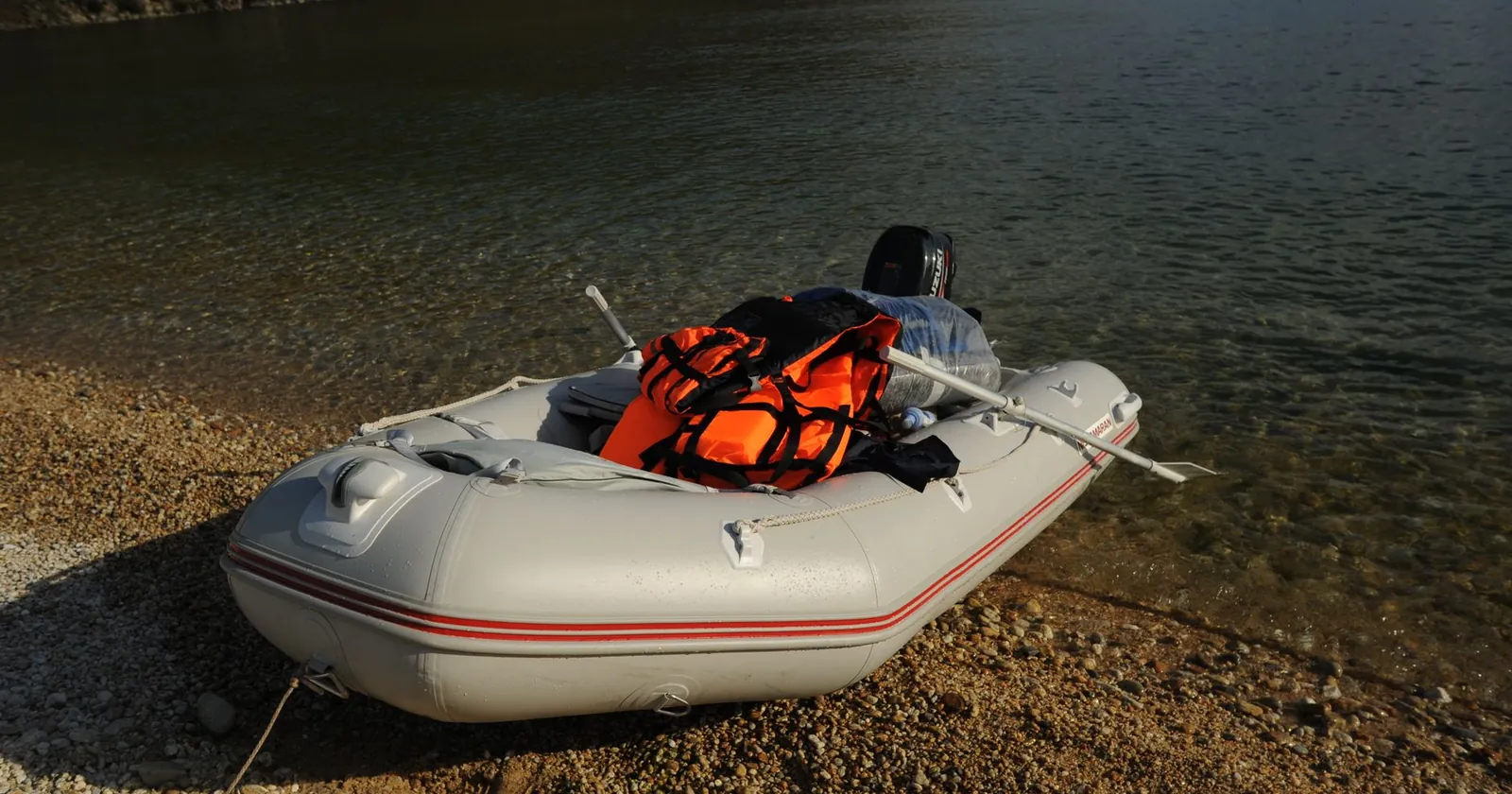
Photo: Aleksandr Bumazhkin via Pexels (free license).
Choices depend on your use and water; try the sport via a course or rental first.
Flat-water touring and whitewater are different boats; pick for your water.
Browse on Amazon →Worn always; the repair kit is essential in the wilderness.
Browse on Amazon →A real investment with a learning curve, test before you buy.
Browse on Amazon →Recommendations by type and spec, not a tested product ranking; confirm fit/size with a shop. Any price is live at the retailer. See our disclosure.
Key takeaways
- Core kit: packraft, breakdown paddle, inflation bag, PFD, dry bags, repair kit.
- Light and packable is the whole point; choose gear by weight.
- Match the raft to your use: flat-water touring vs whitewater.
- Whitewater adds a spray deck, thigh straps and a helmet, plus skills.
- Real investment: try via a course or rental before buying.
Choosing a packraft
The boat itself, a tough inflatable that packs into a backpack and weighs only a few kilograms. Flat-water touring models are lighter and simpler; whitewater models are more rugged and add features. Choose the raft that matches where you will actually paddle, and do not buy a whitewater boat if you will only tour flat water, or vice versa.
Paddle, inflation bag and PFD
- Breakdown paddle: a lightweight paddle that splits into pieces (often four) to pack. Sized to you and the boat.
- Inflation bag: the light air bag you use to inflate the raft (no heavy pump).
- PFD: a proper buoyancy aid, worn always.
Dry bags, repair kit and warmth
- Dry bags: keep your kit dry and let you secure gear to the boat.
- Repair kit: essential in the wilderness, patches and tape for punctures.
- Wetsuit or drysuit: for cold water, which is a genuine safety matter, not comfort.
Whitewater extras (if you progress)
For moving water, add a whitewater packraft with a spray deck (keeps water out) and thigh straps (for control and edging), a whitewater helmet and PFD, thermal protection, and group river-rescue gear like a throw bag. Remember gear alone is not enough: whitewater packrafting also needs whitewater skills and training.
Packrafting brands worth a look
| Item | Beginner priority | Examples |
|---|---|---|
| Packraft | Matched to use, light, durable | Alpacka Raft, Kokopelli, Anfibio, MRS |
| Breakdown paddle | Light, 4-piece, right size | Aqua Bound, Werner, Anfibio |
| PFD | Proper buoyancy aid | Palm, NRS, Astral |
| Dry bags + repair | Reliable, packable | Sea to Summit, Ortlieb, Tizip |
These are examples, not a ranked verdict; choose by your intended use and try before you buy. Browse packrafting gear on Amazon (affiliate), and specialist packraft retailers for boats and whitewater kit.
Two documents that should shape a packrafting kit list
Packrafting gear arguments are about weight. The two sources that should decide the list are about something else: what the water is graded at, and what kills people on paddlecraft.
The grade, and its honesty about itself. American Whitewater's 2024 International Scale of River Difficulty says plainly that “The scale is not exact” and is “not a substitute for a guidebook, first-hand descriptions of a run, or other sources of river information”. Its two warnings map directly onto how packrafts get used: allow an extra margin “when the water is cold, at higher flows, or if the river is remote and inaccessible”, which is a description of nearly every packrafting trip, and a river's difficulty “may change at any point due to fluctuations in water level, downed trees, recent floods, geological disturbances, or bad weather”. Downed trees are the packrafter's hazard specifically, because packrafts go where nobody has cleared anything.
And the statistic that should settle the buoyancy question. In the US Coast Guard's 2024 figures, paddlecraft accounted for 26 per cent of all recreational boating deaths, and where life-jacket use was known, 87 per cent of those who died were not wearing one. Of the whole year's 556 deaths, 76 per cent drowned where cause was known.
Which reorders a kit list. The lightest useful thing you can carry is the jacket you are already wearing; everything after that is a trade.
FAQ: packrafting gear
What gear do you need for packrafting?
The core kit is a packraft, a lightweight breakdown paddle (that splits into pieces to pack), an inflation bag to blow it up, a PFD, dry bags to keep your gear dry and secure it to the boat, and a repair kit. For cold water you add a wetsuit or drysuit. If you progress to whitewater, you add a whitewater-specific packraft with a spray deck and thigh straps, plus a helmet. The whole point is to keep it light and packable, so choose gear with weight in mind.
How much does a packraft weigh and cost?
A packraft typically weighs only a few kilograms, light enough to carry in a backpack on a hike, which is the defining feature of the sport. Quality packrafts are a significant investment because they use durable, specialized lightweight materials and construction, and whitewater models with spray decks cost more. Ultralight flat-water models weigh and cost less than rugged whitewater ones. Because it is a real investment, it is worth trying the sport, ideally via a course or rental, before buying your own.
Do I need a special paddle for packrafting?
You want a lightweight paddle that breaks down into several pieces (often four) so it packs into or onto your backpack, which is why packrafters use breakdown paddles rather than a one-piece kayak paddle. Look for a light, durable paddle sized to you and the boat. As with the raft, weight and packability matter because you carry everything on your back, so a good breakdown paddle is a worthwhile part of the setup rather than an afterthought.
What extra gear do I need for whitewater packrafting?
Whitewater packrafting needs more than flat-water kit. You want a whitewater-specific packraft, often with a spray deck to keep water out and thigh straps so you can control and edge the boat, plus a proper whitewater helmet, a whitewater PFD, thermal protection (wetsuit or drysuit) for cold water, and river-rescue gear such as a throw bag carried by the group. Crucially, gear is not enough on its own: whitewater packrafting also requires whitewater skills and training, just like whitewater kayaking.
Should I buy or rent packrafting gear?
Because a packraft is a real investment and the sport has a learning curve, especially on moving water, it is wise to try it first through a guided trip, course or rental before buying. When you do buy, prioritise a packraft suited to your intended use (flat-water touring versus whitewater), a good breakdown paddle, a PFD and a reliable repair kit. Keep everything as light as sensibly possible, since the whole appeal is carrying your boat on your back into places others cannot reach.
Yannick Schroth
Founder of NOMADREEF and a former digital nomad. This guide explains packrafting gear and beginner priorities; brand names are examples, and whitewater use needs skills and training, not just kit. Try the sport before you invest. About the author · LinkedIn ↗
Sources
- What a grade claims, and what it warns about. American Whitewater, International Scale of River Difficulty, Safety Code 2024: “The scale is not exact… It is not a substitute for a guidebook, first-hand descriptions of a run, or other sources of river information”; allow an extra margin “when the water is cold, at higher flows, or if the river is remote and inaccessible”; difficulty “may change at any point due to fluctuations in water level, downed trees, recent floods, geological disturbances, or bad weather”. americanwhitewater.org. Read 13 September 2026.
- The paddlecraft share, and the jacket. US Coast Guard, Recreational Boating Statistics 2024: “the vessel types with the highest percentage of deaths were open motorboats (46%), paddlecraft (26%) and pontoons (8%)”; “Where cause of death was known, 76% of fatal boating incident victims drowned. Where Personal Flotation Device usage was known, 87% were not wearing a Personal Floatation Device.” uscgboating.org. Read 13 September 2026.
- Packrafting gear conventions (packraft types, breakdown paddle, inflation bag, whitewater extras, weight priorities).
- Our own how to start packrafting and whitewater kayaking guides.