Best Scuba Diving Destinations in the World
 by Yannick SchrothAug 3, 20266 min read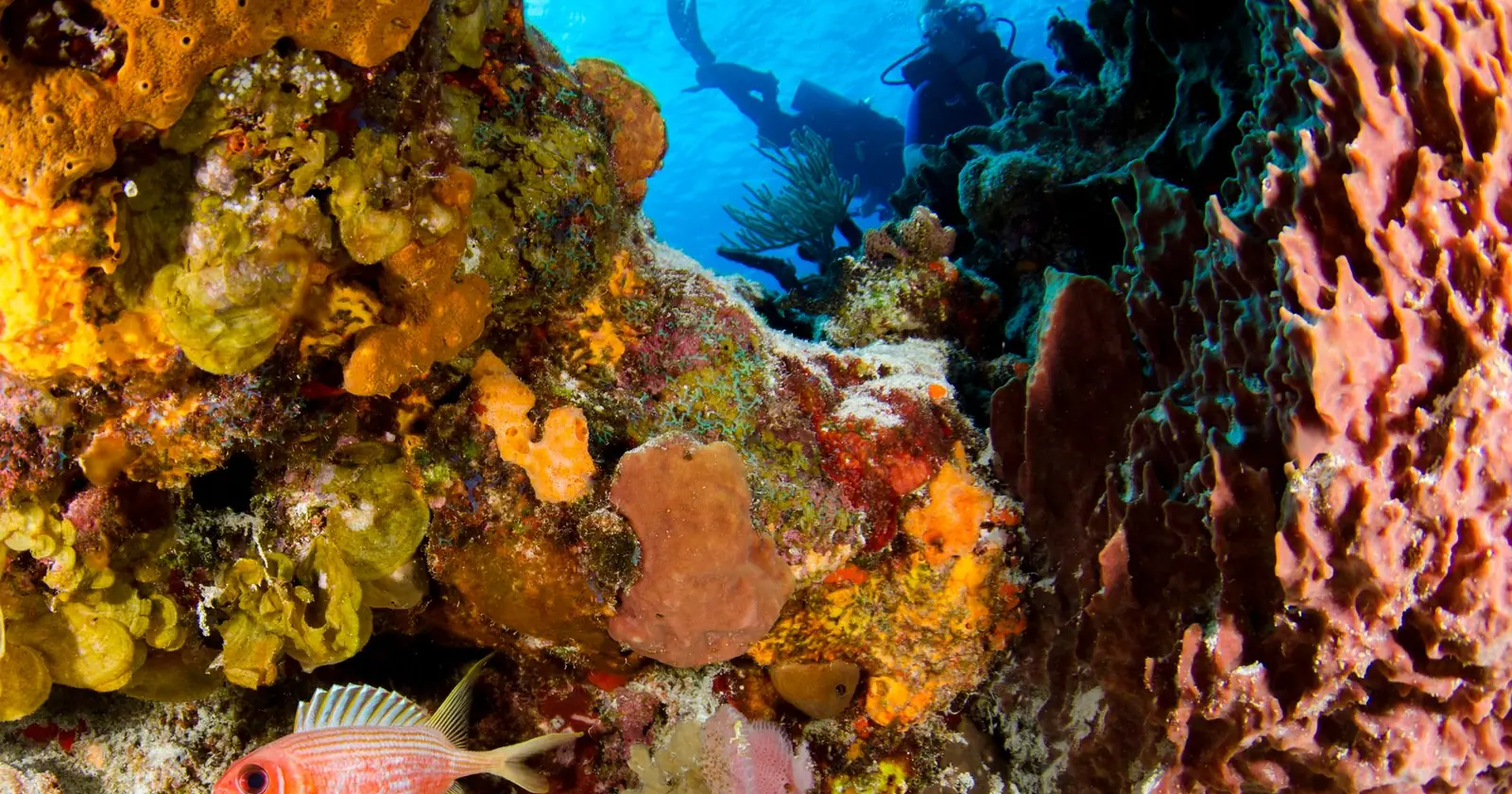
Photo: Leonardo Lamas / Pexels.
What puts a dive destination in the first rank
This is the broadest list on the site, so the rule is consistency over peak: places that deliver good diving across a long season, with enough operators that a single bad one does not ruin your month. Trophy sites that need a specific week and a lot of luck sit in the specialized lists instead, where their season can be explained properly.
Raja Ampat
The richest marine biodiversity on earth, in warm West Papua water, best explored by liveaboard.
World's best reefs, tripRead the guide → 8°29′S 119°53′E · IndonesiaLabuan Bajo (Komodo)
Manta rays and thrilling currents in Komodo National Park, from a growing Flores base.
Mantas, currentsRead the guide → 20°25′N 86°55′W · MexicoCozumel
World-class Palancar drift diving off the Yucatan, on a rare dive island with real fibre.
Drift diving, fibreRead the guide → 12°11′N 68°16′W · Caribbean NetherlandsBonaire
The shore-diving capital: drive-and-dive a protected reef any month, warm and stable.
Shore diving, year-roundRead the guide → 9°57′N 123°23′E · PhilippinesMoalboal
A permanent sardine run and turtles metres off the beach, at rock-bottom Philippine prices.
Sardine run, cheapRead the guide → 12°00′N 120°12′E · PhilippinesCoron, Palawan
Some of the world's best WWII wreck diving in warm Palawan water.
WWII wrecksRead the guide → 9°33′N 123°46′E · PhilippinesPanglao, Bohol
Balicasag walls, easy reefs and thresher day trips, warm and well set up for nomads.
Walls, value baseRead the guide → 4°29′N 118°37′E · MalaysiaSemporna (Sipadan)
Sipadan's permit-limited wall is a bucket-list dive, with Mabul macro next door.
Sipadan wall, tripRead the guide → 3°54′N 73°21′E · MaldivesMaldives local islands
Mantas and whale sharks in bath-warm water, from budget local islands not just resorts.
Mantas, whale sharksRead the guide → 25°04′N 34°53′E · EgyptMarsa Alam
Southern Red Sea reefs, Elphinstone and dugongs, quieter than Hurghada.
Red Sea reefs, dugongsRead the guide → 23°51′S 35°33′E · MozambiqueTofo
Manta rays and whale sharks year-round off a remote Mozambique beach.
Mantas, whale sharksRead the guide → 8°20′S 115°41′E · IndonesiaAmed, Bali
Forgiving warm shore diving, a wreck and muck sites on Bali's quiet east coast.
Easy shore divingRead the guide → 8°44′S 115°33′E · IndonesiaNusa Penida
Mantas and seasonal mola mola in clear water off Bali's dramatic neighbour.
Mantas, mola molaRead the guide → 16°23′N 86°26′W · HondurasRoatán
Warm Mesoamerican-reef diving and cheap courses on a laid-back Caribbean island.
Reef, cheap, CaribbeanRead the guide →The clock behind a list like this
Every entry below is ranked on what it is like to dive now. Two bodies publish the numbers that say how long “now” lasts, and neither of them is in the travel business.
What is threatened. The IUCN Red List, version 2026-1, has “more than 49,500 species threatened with extinction”, or “28% of all assessed species”. The two groups a diver actually goes to see sit near the top: reef corals at 44 per cent and sharks and rays at 38 per cent, against 26 for mammals and 11 for birds. A dive list is, among other things, a list of places where those percentages have not yet bitten.
What is happening to the water. NOAA's Coral Reef Watch runs the satellite monitoring that turns heat into a forecast, publishing “near real-time satellite products” and modelled outlooks for reef heat stress. The detail worth knowing is administrative and alarming at once: the bleaching alert scale was expanded in December 2023 to add Alert Levels 3 to 5, “in response to the extreme marine heatwaves of 2023”. The scale had to be made longer because reality went off the end of it.
The practical use is not despair, it is timing and choice. Before a trip built around a reef, look up the current alert level for that region rather than the photographs, and treat a destination recovering from a bleaching year as a different proposition from the same destination three years earlier.
Picking a dive destination
- Best reefs on earth (as a trip): Raja Ampat and Komodo.
- Best to base and work: Cozumel and Bonaire for fibre, Moalboal and Panglao for value.
- Big animals: mantas and whale sharks at Tofo and the Maldives, threshers off Malapascua.
How these dive destinations differ from each other
This is the broadest diving list on the site, so the differences are large: a cheap training island and a remote big-animal destination both appear, and they suit opposite trips.
| Base | What it is best at | Monthly cost |
|---|---|---|
| Cozumel | world-class Caribbean drift diving with reliable wifi, a rare combo | roughly $1,500 to $2,300 a month; pricier because it is an island |
| Moalboal | cheap, world-class diving: the year-round sardine run, turtles and Pescador Island | roughly $700 to $1,100 a month; a long-stay room $250 to $450 |
| Amed, Bali | focused solo nomads and couples who dive most days and do not need office-grade wifi | roughly $1,070 to $1,480 a month, cheaper than Canggu; a villa is $600 to $1,200 |
| Nusa Penida | world-class manta ray and mola mola diving off Bali | roughly $1,000 to $1,800 a month; a premium over mainland Bali |
| Roatán | world-class reef diving with reliable fibre wifi and comfort | roughly $1,500 to $2,500 a month; pricier than Utila |
Who these dive destinations are wrong for
A world-class dive destination can still be the wrong choice for your certification level, your budget or your working month. Here is where each one does not fit.
- Cozumel:
think twice if you want rock-bottom costs or a big coworking scene
- Moalboal:
think twice if you need fast, guaranteed wifi or big-city amenities
- Amed, Bali:
think twice if you need reliable high-bandwidth video calls all day or a large coworking community
- Nusa Penida:
think twice if you are a new diver (strong currents) or need reliable wifi
- Roatán:
think twice if you want backpacker prices, go to Utila instead
FAQ: Scuba Diving Destinations in the World
What is the best scuba diving destination in the world?
For sheer marine life, Raja Ampat in Indonesia is widely rated the richest reef system on earth, with Komodo close behind, both best explored by liveaboard. If you want to base and work while you dive, Cozumel and Bonaire pair world-class diving with real fibre, and Moalboal and Panglao offer superb value.
Where can I dive year-round in warm water?
Bonaire, Cozumel, the Philippines (Moalboal, Coron, Panglao), Indonesia (Amed, Nusa Penida) and the Maldives all offer warm water more or less year-round, though individual sites have better and worse seasons for visibility and big animals, which each linked guide details.
Sources
- What the Red List says about the things you came to see. IUCN Red List of Threatened Species, version 2026-1: “More than 49,500 species are threatened with extinction”, “28% of all assessed species”, with the share threatened by group including reef corals 44%, sharks & rays 38%, amphibians 41%, mammals 26% and birds 11%. iucnredlist.org. Read 11 September 2026.
- Reef heat stress monitoring. NOAA Coral Reef Watch publishes “near real-time satellite products” and modelled forecasts for coral reef heat stress; its Bleaching Alert Levels were “recently expanded, in December 2023, to include Bleaching Alert Levels 3-5, in response to the extreme marine heatwaves of 2023”. coralreefwatch.noaa.gov. Read 11 September 2026.
- Each entry links to our full guide for that place, and those guides carry the external sources and read dates behind the claims summarised here. They are the place the readings are recorded, not the evidence for them; the claims here are the ones those guides already verify: Raja Ampat, Labuan Bajo (Komodo), Cozumel, Bonaire, Moalboal, Coron, Palawan, Panglao, Bohol, Semporna (Sipadan), Maldives local islands, Marsa Alam, Tofo, Amed, Bali, Nusa Penida, Roatán.