Raja Ampat Diving: A Candid Trip Guide
 by Yannick Schroth
Aug 1, 2026
7 min read
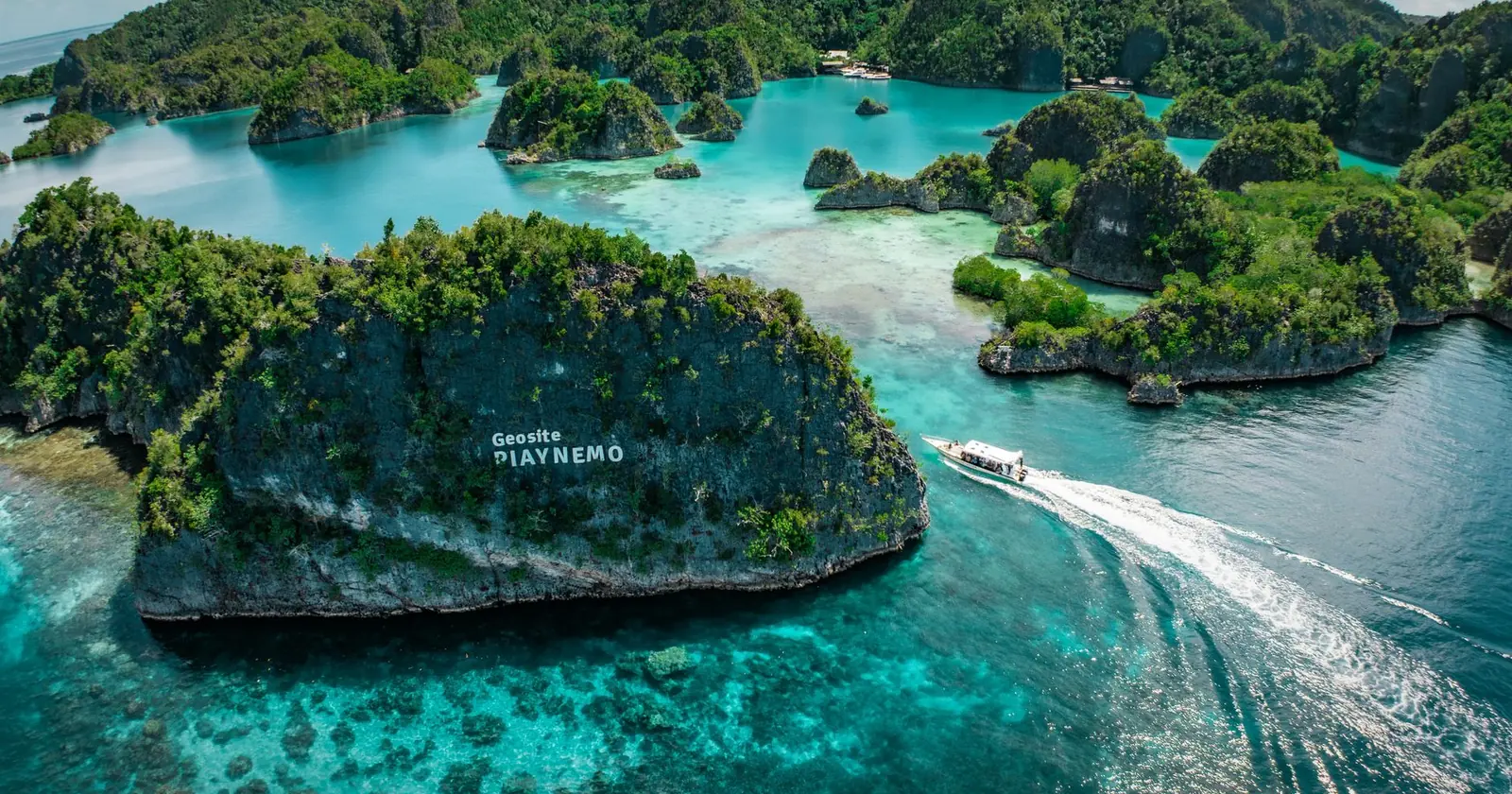
Photo: Andi saiful Sidik / Pexels.
Key takeaways
- Raja Ampat sits off Sorong in Southwest Papua and is widely cited as the most biodiverse marine region on earth; you come for the diving, not the wifi.
- Peak diving is the dry season, roughly October to April, with December to February the calmest and best for mantas; May to September is quieter, cheaper, and Misool in the south often shines.
- Budget realistically: liveaboards run from about USD 400 to over USD 1,000 per person per night, plus two mandatory charges for a foreign visitor, the marine park ticket and the regency levy, IDR 1,000,000 each.
- Getting there is the hard part: a domestic flight to Sorong (SOQ), a fast ferry to Waisai, then a boat to your homestay or resort.
- Indonesia's E33G remote-worker visa is genuinely open in 2026, but most divers just use the tourist e-VOA; either way, carry dive insurance because you are far from advanced medical care.
Raja Ampat: the season and water conditions
Raja Ampat technically dives year-round, but the sweet spot is the dry season from roughly October to April, when seas are calm, visibility often tops 25 to 30 meters, and marine life is at its fullest. Water sits warm at 27 to 30C, so a 3mm wetsuit is plenty for most people. December through February is the calmest window and gives the highest odds of manta rays at cleaning stations in the Dampier Strait and around Misool; manta chances stay strong through April.
The wetter, windier months of May to September bring rougher seas to the exposed northern sites and more rain, but this is not a true off-season. Southern Misool frequently offers the best visibility of the year in this period, crowds thin out, and low-season liveaboard rates drop. The trade-off is variability: expect some blown-out days and schedule changes. Many liveaboards reposition or pause during the roughest stretch, so check that your operator is actually running your dates.
The dive scene, and how hard the sites are
Raja Ampat is famous for fishy, current-swept reefs. Signature sites like Cape Kri, Sardine Reef, Blue Magic, and Mike's Point can run strong, and drift technique plus a reef hook are part of the deal. Realistically this is best suited to divers with Advanced Open Water and some current or drift experience; a reef hook, SMB, and comfortable buoyancy matter more here than a high logbook number.
That said, it is not uniformly extreme. There are gentle bommies, mellow macro dives, and calm bays, and several homestays and resorts run courses, so beginners can dive here, they just get more out of it with a few dozen logged dives first. Nitrox is widely available and worth having for the repetitive multi-dive days. Beyond the reefs, the karst-island seascapes at Piaynemo and Wayag are a genuine draw between dives.
Costs and how you dive it: liveaboard vs homestay
There are two main ways to dive Raja Ampat. Liveaboards reach the full spread of sites without long daily transfers and are the classic choice; as of 2026 they run from about USD 400 per person per night on simpler boats to well over USD 1,000 on high-end vessels, with trips usually 7 to 12 nights. Entry-level low-season weeks can start around USD 2,500, while premium holiday charters run five figures. Verify current rates, as they move with season and demand.
Land-based homestays are the budget and cultural-immersion route: the regency's tourism office lists them island by island and sells them as a stay with local families and their food, though dive packages and boat fees add up and the best sites can be a long transfer away. Mid-range dive resorts sit between the two. On top of whatever you choose, budget the marine-park fee and the flights, which are a real chunk given the remoteness.
The marine-park fee and permits
A foreign visitor pays two separate charges. The first is the marine park ticket, the TLPJL, which funds the protected areas and is sold by the province's marine park authority; Southwest Papua's 2025 regional levy regulation sets it at IDR 1,000,000 a year, or IDR 200,000 a day, up from IDR 700,000. The second is the regency's tourism levy, which rose from IDR 300,000 to IDR 1,000,000 on 1 January 2026. That is IDR 2,000,000 in total, and children under 12 pay neither. Both amounts have risen within the last year, so check them again before you go.
The marine park ticket is bought online at kkprajaampat.id, up to ten visitors per order, and the emailed receipt is swapped for a physical TLPJL card at the Falaya harbour counter in Waisai, the authority's Waisai office or its office in Sorong's fisheries port. The regency levy is registered online through SIPARI before you travel and paid cashless, and its electronic receipt has to be shown when you are checked. Your liveaboard, resort or homestay can be named on the booking and often handles it; independent travellers book it themselves. Keep the receipts and the card safe.
Getting there and staying connected
The gateway is Sorong airport (SOQ) in Southwest Papua, reached on domestic flights. From Sorong a fast ferry crosses to Waisai on Waigeo Island, landing at Falaya, the town's tourism harbour, and from there speedboats run on to the homestays, resorts and dive sites. Schedules in eastern Indonesia change without notice, so build in buffer time and arrive early in peak season.
On connectivity, set expectations low. Telkomsel is the network the regency works with, and in 2025 it was still adding equipment in Waisai and surveying islands such as Mansuar, with the outer Ayau islands in the queue. If you must work, ask your homestay or resort in writing what connection it has, carry a Telkomsel SIM or eSIM, and treat any critical deadline as a reason to build in slack rather than trust the bars.
Visa, safety, and operators
On the visa: Indonesia's E33G remote-worker (digital-nomad) visa is genuinely open and operational, having launched on 1 April 2024, and it grants a one-year stay for people employed by a company outside Indonesia. It is a real option, but the bar is meaningful (proof of income commonly cited around USD 60,000/year, a foreign employment contract, and savings), and you cannot work for Indonesian clients on it. For a straightforward dive trip, most visitors simply use the tourist e-VOA / visa on arrival (30 days, extendable once to 60); confirm current rules on the official Indonesian immigration site.
On safety: this is a remote region with limited medical infrastructure and long evacuation times, so dedicated dive/travel insurance that covers hyperbaric treatment and evacuation (for example DAN-style cover) is not optional. Dive conservatively, respect the currents, and pad your surface intervals given how far help is. Choose established operators with good safety records, oxygen and first-aid on board, and realistic group sizes; operators listed in our Raja Ampat directory and homestays registered with the regency's SIPARI portal are a safer bet than the cheapest option you can find on arrival. Waisai's general hospital and the navy hospital in Sorong both list a hyperbaric chamber.
FAQ: Raja Ampat
Do I need a special visa to dive Raja Ampat?
No. Most divers enter Indonesia on the standard tourist e-VOA / visa on arrival (30 days, extendable once to 60), which is fine for a dive trip. Indonesia's E33G remote-worker visa is separately open and operational in 2026 if you want to stay a year and work remotely for a foreign employer, but it has real income and contract requirements and is not needed just to visit. Always confirm current rules on the official Indonesian immigration site.
When is the best time to dive Raja Ampat?
The dry season from about October to April is peak, with the calmest seas and best visibility from December to February and strong manta chances into April. May to September is wetter and windier up north but quieter and cheaper, and southern Misool often has the year's best visibility then. It dives year-round; the trade-off is crowds and price versus conditions.
How much does a Raja Ampat trip cost?
As of 2026 (verify current rates), liveaboards run from roughly USD 400 to over USD 1,000 per person per night on 7 to 12-night trips, with budget homestays a cheaper land-based alternative once you add dive and boat fees. On top of that, a foreign visitor pays two mandatory charges of IDR 1,000,000 each, the marine park ticket and the regency tourism levy, plus flights to Sorong, which are a significant cost given the remoteness.
Is there wifi in Raja Ampat?
Barely, and unreliably. Telkomsel is the network the regency works with, and in 2025 it was still extending coverage to islands such as Mansuar and the Ayau group. If you need to work, ask your accommodation in writing what connection it has, carry a Telkomsel SIM or eSIM, and do not trust any hard deadline to the connection.
Is Raja Ampat suitable for beginner divers?
It can be, but it rewards experience. Many signature sites have strong currents and are best dived with Advanced Open Water certification and some drift experience, using a reef hook and SMB. There are also gentle sites and homestays or resorts that run courses, so beginners can dive here; you will simply get far more out of the trip with a few dozen dives already logged and solid buoyancy.
Yannick Schroth
Founder of NOMADREEF and a PADI Advanced Open Water diver who has logged dive time in Indonesia, the Philippines and Thailand. This guide draws on that background plus current research and cited sources. About the author · LinkedIn ↗
Sources
- Indonesian immigration / official E33G remote-worker visa guidance (visa status, requirements)
- Raja Ampat MPAs Management Authority: terms (TLPJL definition), marine park fee and visitor guide (counters, card, hyperbaric chambers). Raja Ampat tourism office, SIPARI regulations (Perbup 34/2025) and homestay list. Read 11 November 2026.
- Fee amounts, reported: Raja Ampat News on the provincial levy regulation (10 May 2026) and the regency levy (1 June 2026); TTG Asia, 20 January 2026; Blue Abadi Fund, 28 July 2025; Ocean Earth Travels, September 2026 update.
- Telkomsel coverage work in Raja Ampat: InfoPublik, 17 May 2025.
- Bluewater Dive Travel and Liveaboard.com Raja Ampat season calendars
- PADI 'Diving in Raja Ampat' site profile (sites, conditions)
- Specialist liveaboard operator price listings, 2026 (cost ranges)