Roatán for Digital Nomads Who Dive: A Working Base in 2026
 by Yannick Schroth
Jul 26, 2026
13 min read
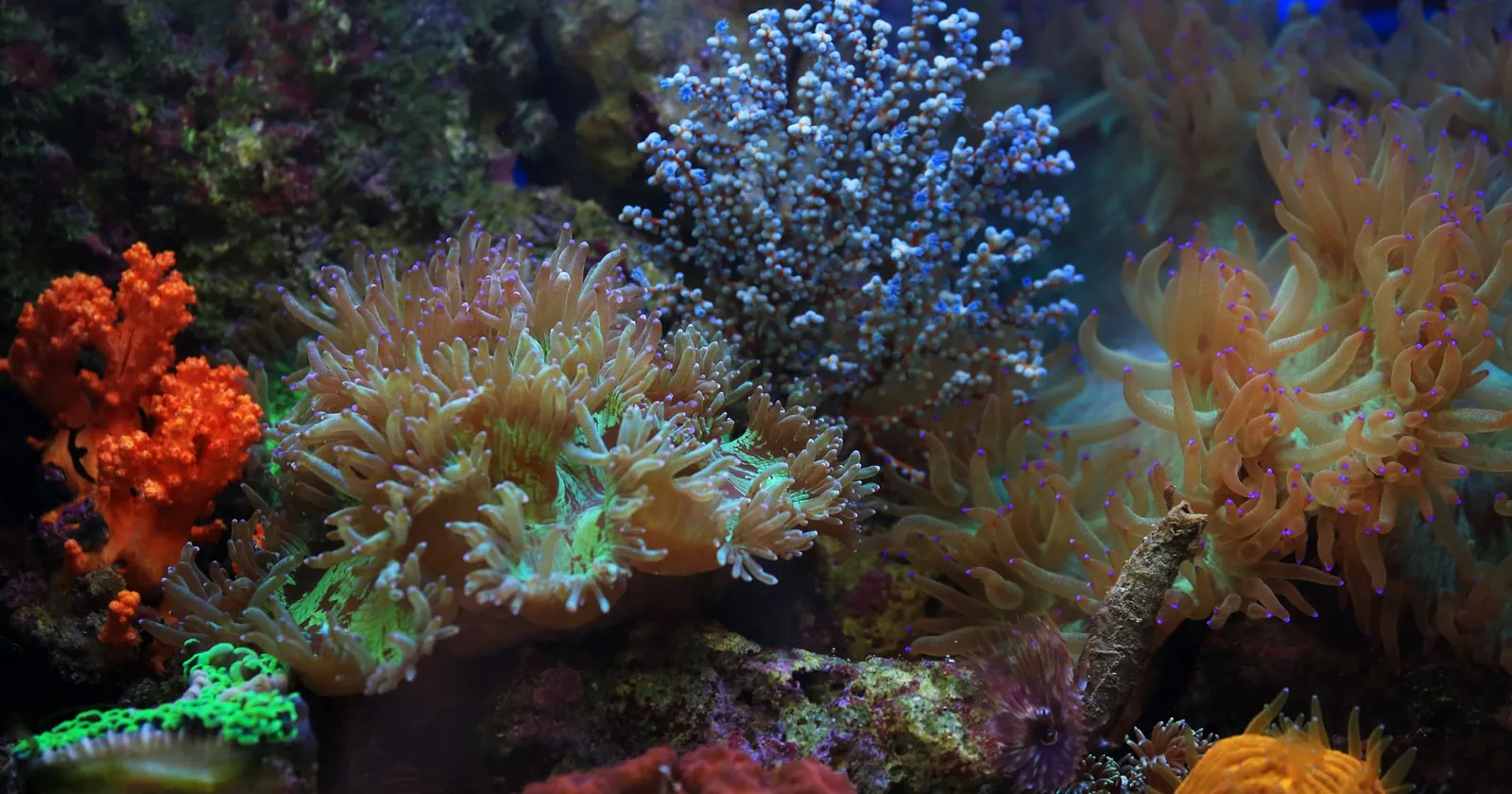
Photo: Jeffry Surianto via Pexels (free license).
Figures and visa rules are "as of 2026"; verify prices and the current Honduras visa position before you rely on them.
Key takeaways
- Best for: world-class reef diving with reliable fibre wifi and comfort.
- Think twice if: you want backpacker prices, go to Utila instead.
- Cost: roughly $1,500 to $2,500 a month; pricier than Utila.
- Wifi: reliable fibre, 200+ Mbps in West End and West Bay.
- Visa: depends on your passport; British nationals need one, and the CA-4 90-day period does not restart at borders.
Why Roatán works (and doesn't) for a nomad who dives
Roatán is the largest of Honduras's Bay Islands, and for a digital nomad in Roatán who dives it hits a sweet spot: the same world-class Mesoamerican reef as neighbouring Utila, but with the infrastructure to actually live and work. Reliable fibre internet, a big English-speaking expat community, good amenities and direct international flights make it one of the easier Caribbean dive bases. The limitations are cost (well above backpacker Utila) and a more touristy, developed feel, with resorts and cruise days. If you want superb diving without sacrificing connectivity or comfort, Roatán, like Cozumel, is hard to beat. The two islands are set against each other, park fee, group size and entry rules included, in Cozumel vs Roatan.
Diving in Roatán: the Mesoamerican reef, up close
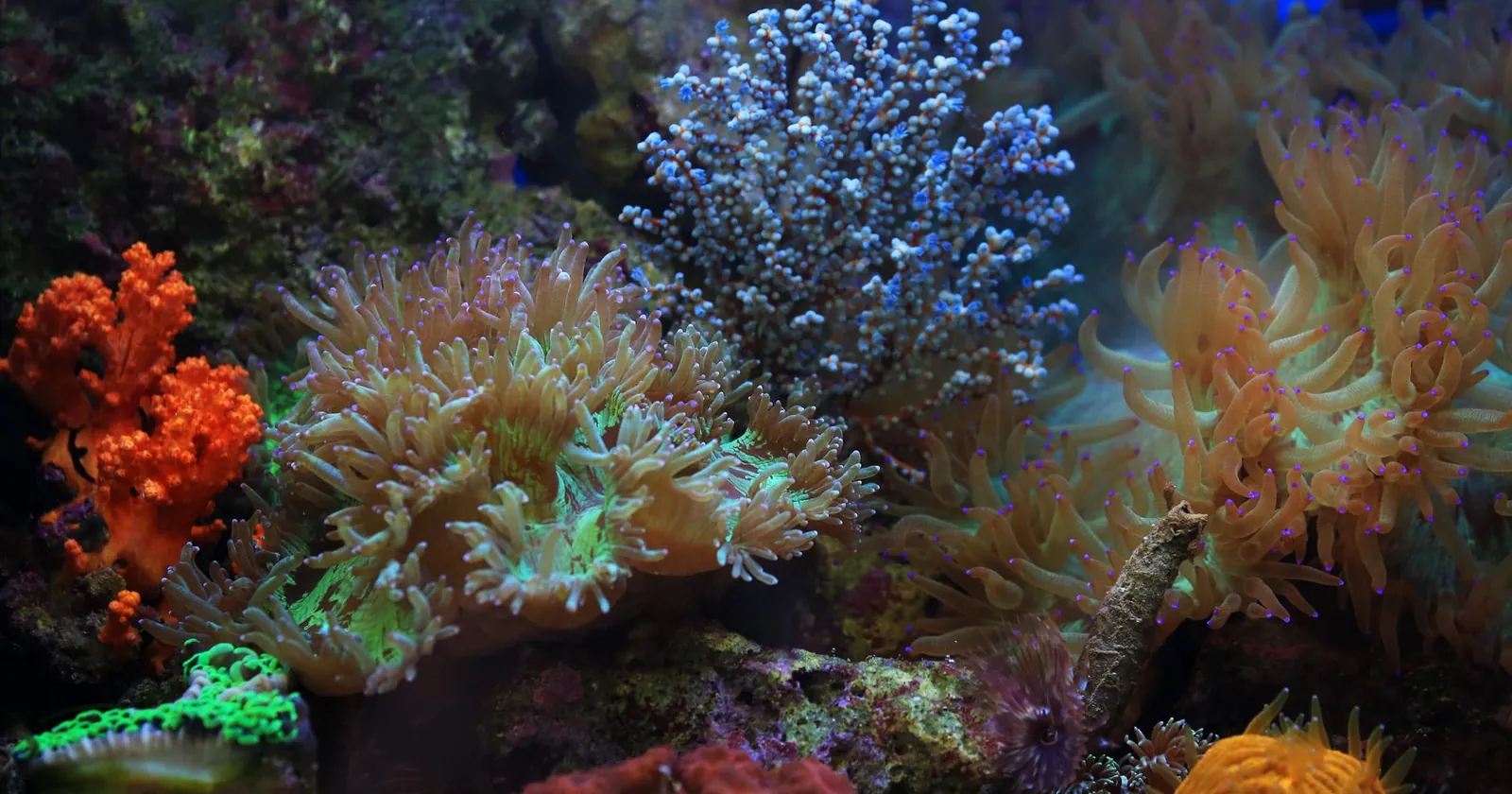
Roatán sits right on the Mesoamerican reef, the reef system that Mexico, Belize, Guatemala and Honduras share, and the reef is astonishingly close: healthy walls, canyons and coral gardens are a short boat ride, or sometimes a swim, from shore. West End and West Bay are the dive hubs, packed with reputable shops, and the Roatán Marine Park, a non-profit, maintains the moorings and patrols. It asks divers for a voluntary fee of USD 10, sold at its EcoStore in West End and through partner dive shops (roatanmarinepark.org, as of October 2026). Expect turtles, rays, groupers, healthy hard and soft coral and superb visibility, year-round. Certification and fun diving are good value here, though learning is cheaper still on Utila.
Wifi and remote-work reality in Roatán
This is the strength that sets Roatán apart from many dive islands. It has reliable high-speed fibre internet (around $80 to $110 a month) in most areas, with West End and West Bay reaching 200-plus Mbps, so video calls and heavy uploads are smooth. Mobile data is cheap and widely available as a backup, covered in the best eSIM for nomads guide. Combined with the established expat scene, that makes Roatán genuinely work-friendly, not a place where you dive and hope the wifi holds. As of 2026.
Roatán cost of living (indicative, 2026)
Costs are moderate for the Caribbean but clearly above backpacker Utila, reflecting the development. A comfortable nomad month lands around $1,500 to $2,500. Rough numbers:
| Item | Typical |
|---|---|
| One-bedroom, West End / West Bay | ~$800 to $1,200 / month |
| Groceries | ~$300 to $450 / month |
| Fibre internet | ~$80 to $110 / month |
| Fun dives | mid-range for the Caribbean; marine park fee voluntary, USD 10 |
Imported goods cost more on an island. To spend at the real exchange rate and avoid card fees, see the best bank account for nomads guide.
Visas: the CA-4 rules (same as Utila)
Roatán is part of Honduras, so the rules are the same as on Utila, and what you need depends on your passport. There is no dedicated digital nomad visa. For British nationals the UK government is plain: you must have a visa to visit Honduras, and only cruise passengers come ashore without one, on a "short pass" for the hours the ship is docked. Its advice adds that you get a 30-day visit entry stamp on arrival and can apply at an immigration office to extend your stay (gov.uk entry requirements, as of October 2026). The other detail is the CA-4 agreement: Honduras shares an area with Guatemala, El Salvador and Nicaragua, and the 90-day period starts when you enter any of the four and does not restart when you cross borders, so a hop to a neighbour does not reset the clock. For every other passport, confirm current terms with Honduras's National Institute of Migration (inm.gob.hn) before you book.
Where to base: West End, West Bay or beyond
- West End: the lively heart for divers and nomads, with the most dive shops, restaurants and a social scene. Best for convenience and community.
- West Bay: the postcard beach, more resort-like and pricier, a short water-taxi from West End. Best for beach living.
- Sandy Bay / elsewhere: quieter and often better value, a little removed from the action, good for a longer, calmer stay.
Roatán vs Utila: which Bay Island?
The two neighbouring islands split neatly. Utila is cheaper, smaller and backpacker-focused, the world's cheapest place to certify and a whale-shark spot, but with limited wifi. Roatán is more developed and pricier, with reliable fibre, a large expat scene and more comforts. Choose Utila for budget, backpacker energy and the cheapest learning; choose Roatán for infrastructure, reliable work and comfortable island living. Many nomads visit both.
Best time to visit Roatán
Diving is good year-round in warm, clear Caribbean water. The drier months around February to April and September to October tend to be calmest, while the wider Caribbean hurricane season runs June to November, so watch forecasts then. Confirm current conditions before you book.
Getting to Roatán
Roatán has its own international airport (RTB) with direct flights from the US, Canada and elsewhere, which is by far the easiest way in. You can also reach it by ferry from the Honduran mainland at La Ceiba. Compare stays on Booking.com. The island is long and the dive shops sit at both ends, so a car makes the difference between one neighbourhood and the whole island. Compare on QEEQ (affiliate). Trips are listed on Klook (affiliate).
Who Roatán suits, and who it does not
- Great if you want world-class reef diving with reliable internet, an English-speaking expat scene and comfortable amenities.
- Think twice if you want the lowest possible costs or a quiet, undeveloped island, in which case Utila fits better.
FAQ: living and diving in Roatán
How much does it cost to live in Roatán as a digital nomad?
Budget roughly $1,500 to $2,500 a month for a comfortable nomad lifestyle, with a one-bedroom in the popular West End or West Bay around $800 to $1,200. It is pricier than backpacker Utila because it is more developed, with groceries about $300 to $450 a month. Cooking at home and living away from the beach strips brings it down. Verify current prices.
Is the wifi in Roatán good enough for remote work?
Yes, and it is a real strength. Roatán has reliable high-speed fibre internet (around $80 to $110 a month) in most areas, with West End and West Bay reaching 200-plus Mbps, so remote work and video calls are smooth. Mobile data is cheap too. This reliable infrastructure, unusual for a dive island, is a big part of Roatán's appeal.
Is Roatán good for scuba diving?
It is world-class. Roatán sits on the Mesoamerican reef, which Mexico, Belize, Guatemala and Honduras share, with healthy walls, canyons and abundant marine life a short boat ride, or even a swim, from shore. West End and West Bay are the dive hubs, there is a marine park, and the diving is excellent year-round. Certification here is also good value, though Utila is cheaper.
How is Roatán different from Utila for nomads?
They are neighbouring Bay Islands with different characters. Utila is cheaper, smaller and backpacker-focused, famous as the cheapest place to certify and for whale sharks, but with limited wifi. Roatán is more developed and pricier, with reliable fibre internet, a large English-speaking expat scene and more amenities. Choose Utila for budget and backpacker vibe, Roatán for infrastructure and comfort.
Do I need a visa for Roatán, Honduras?
It depends on your passport, and Honduras has no dedicated digital nomad visa. As of October 2026 the UK government says British nationals must have a visa to visit Honduras, get a 30-day entry stamp on arrival and can apply at an immigration office to extend. Honduras belongs to the CA-4 area with Guatemala, El Salvador and Nicaragua, where the 90-day period starts when you enter any of the four and does not restart when you cross borders. For other passports, confirm current terms with Honduras's National Institute of Migration before you book.
Is Roatán good for digital nomads who dive?
Very much so, and like Cozumel it is that rare thing: world-class diving with reliable internet and real amenities. You get the Mesoamerican reef on your doorstep, a large English-speaking community and comfortable island living. The trade-offs are higher costs than Utila and a more touristy, developed feel. For divers who want to work reliably, it is an excellent base.
Yannick Schroth
Founder of NOMADREEF and a former digital nomad who has based across Asia and Latin America. This guide is researched and cites its sources. About the author · LinkedIn ↗
Sources
- International Living / Live and Invest Overseas, Roatán cost of living and lifestyle (2026). internationalliving.com.
- Roatán nomad and expat guides (fibre internet, West End/West Bay). nomadlio.com.
- Honduran National Institute of Migration, the authority for entry terms by passport. inm.gob.hn.
- UK Foreign, Commonwealth & Development Office, Honduras entry requirements: "You must have a visa to visit Honduras", the cruise "short pass", the "30-day visit entry stamp", extensions at an immigration office, and the CA-4 rule that "the 90-day period starts when you enter any of these countries and does not restart when you cross borders". gov.uk, read 14 October 2026.
- Roatán Marine Park, voluntary user fee: "paying the voluntary fee of $10 to protect our reef", sold at the RMP EcoStore in West End and partner dive shops. roatanmarinepark.org, read 14 October 2026.
- NOAA National Hurricane Center: the Atlantic hurricane season runs from 1 June to 30 November, and the basin includes the Caribbean Sea. nhc.noaa.gov, read 13 October 2026.
- Corrected 14 October 2026. An earlier version of this page said "a park fee applies" for diving the marine park; the Roatán Marine Park calls it a voluntary fee of USD 10. It also said most travelers enter on a 90-day tourist stay; the UK government says British nationals must have a visa to visit Honduras and get a 30-day entry stamp, so the visa section now goes by passport and names only what an official source states.
- The Mesoamerican Reef. Mesoamerican Reef Fund, the reef system across Belize, Guatemala, Honduras and Mexico; Roatan Marine Park, about us. Read 11 November 2026.