Digital Nomad Packing List for Watersports (2026)
 by Yannick Schroth
Jul 26, 2026
12 min read
by Yannick Schroth
Jul 26, 2026
12 min read
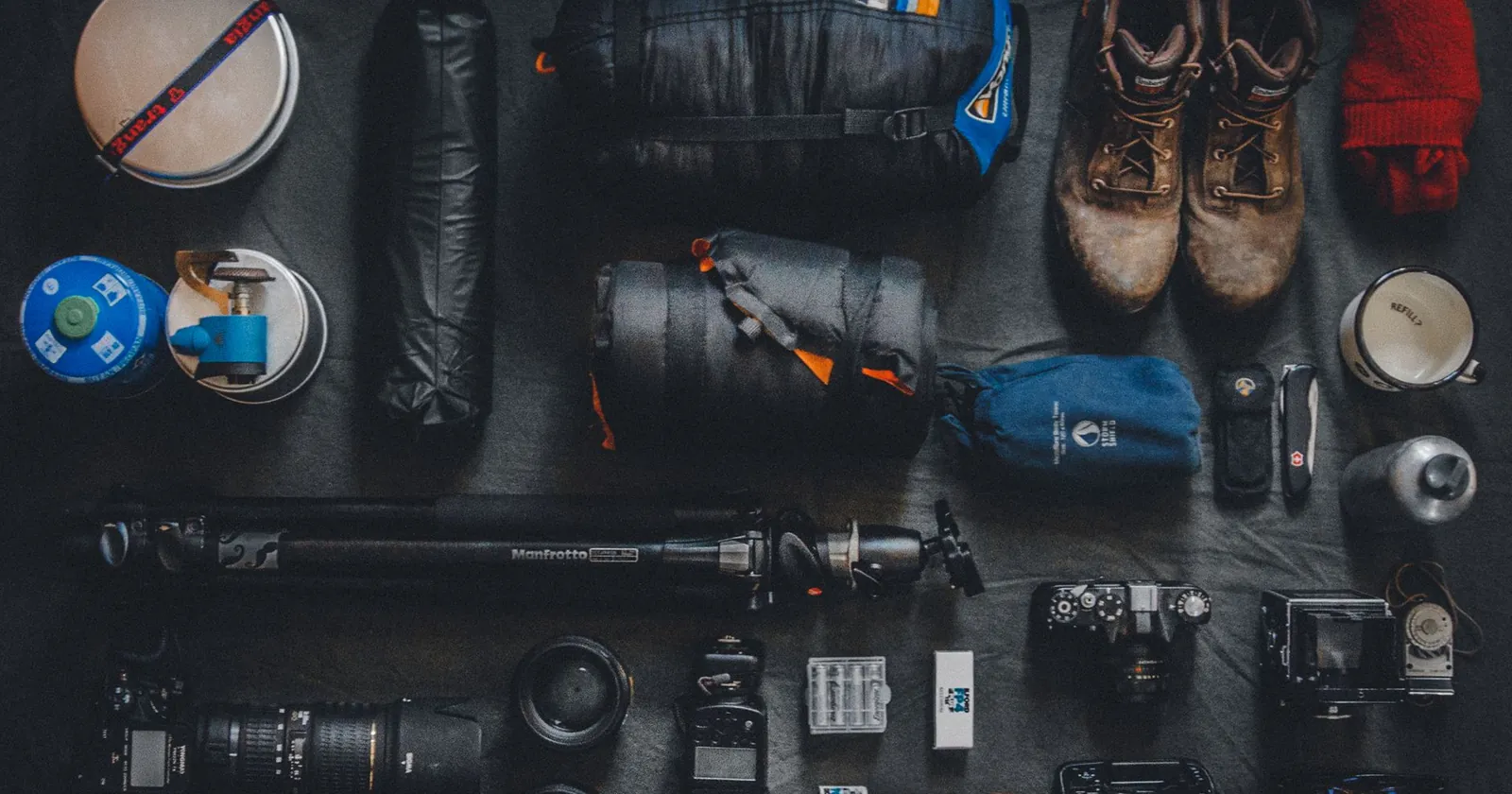
Photo: Alex Andrews via Pexels (free license).
Airline and destination rules are "as of 2026" and vary; confirm yours before you fly.
Key takeaways
- Three kits: work, water, documents/health. Pack each deliberately.
- Own the personal fit items, rent the heavy bulk (tanks, weights, BCD).
- Every battery flies in the cabin; sharp and bulky gear goes checked.
- Thin, fast-drying gear packs small and dries between dives.
- A dry bag separates wet kit and protects valuables on the water.
The philosophy: own light, rent heavy
The whole art of packing as a watersports digital nomad is deciding what to carry. Own the light, personal, fit-and-hygiene items and rent the heavy, standardised bulk at each destination. That keeps your bag carry-on friendly, your costs down, and means you always dive with kit that fits. Everything below follows that rule, and links to the deeper guide for each piece.
1. The work kit
- Laptop + charger, and a compact universal travel adapter.
- Power bank (in carry-on, all lithium) for boats and long transit days.
- eSIM or local SIM for reliable data, often better than café wifi. See the eSIM guide.
- A VPN for security on public wifi and home-service access. See the VPN guide.
- Noise-canceling earbuds/headphones for calls in noisy beach cafés.
- Cables, a small multi-port charger, and a phone dry pouch for shooting on the water.
2. The personal water kit (own this)
- Mask (+ spare) that fits your face. See the dive mask guide.
- Dive computer, your logbook and safety brain. See the dive computer guide.
- Rash guard and a thin wetsuit matched to the water temperature. See the wetsuit guide.
- Regulator if you own one you trust (cabin-carry it), otherwise rent quality locally.
- Fins if compact/travel; otherwise rent. Freedivers: see the freediving gear guide.
- A dry bag for valuables and wet kit. See the dry bag guide.
- Save-a-dive kit (o-rings, straps, defog) and reef-safe sunscreen.
- Optional: a action camera + red filter, and a dive torch + backup (batteries in cabin).
3. Documents and health
- Passport (enough validity and blank pages), plus secure online copies of everything.
- Certification card (dive or freedive), or the digital version in your agency app.
- Proof of insurance that covers your watersports. See the health insurance and dive insurance guides.
- Visa documents and each destination's entry rules, checked in advance.
- Health: personal medications (with a prescription copy), motion-sickness remedies for boats, ear-care drops for swimmer's ear, and a small first-aid kit.
- Money: a multi-currency card plus a backup card and some cash. See the banking guide.
The carry-on vs checked split
| Cabin (carry-on) | Hold (checked) | Leave home / rent |
|---|---|---|
| Laptop, phone, power bank | Wetsuit, boots | Tank / cylinder |
| Regulator + dive computer | Fins (if bulky) | Weights |
| All lithium batteries (torch, camera) | Dive knife / cutter | BCD (usually) |
| Mask, documents, meds | Non-sharp bulk | Boat / shop kit |
Two hard rules: every lithium battery flies in the cabin, and you never fly with tanks or weights. The full detail, including battery watt-hour limits, is in the packing dive gear guide.
The rule that decides which bag your electronics go in
Watersports travel means batteries: a power bank for long transfers, spares for a camera, a light for night dives. There is a hard rule about where they travel, and it is the opposite of what “keep the valuables with you, put the bulk in the hold” would suggest: it is a fire rule, not a theft one.
The UK Civil Aviation Authority is explicit. Spare lithium batteries “must be carried as carry-on baggage” and are not permitted in checked baggage. Power banks “must only be carried as carry-on baggage”, and two further restrictions apply in the air: a power bank “must not be recharged while on board the aircraft” and “should not be used to recharge a portable electronic device while on board the aircraft”.
There are numbers attached. Up to 100 Wh needs no approval; above 100 Wh and up to 160 Wh “requires approval” from the airline. And spares must be “individually protected so as to prevent short circuits”, in their original retail packaging, or with the terminals taped, or each in its own bag or pouch.
For this list that resolves two recurring arguments. A dive light and its spare cells ride in the cabin, not in the padded case you checked with the fins. And the 26,800 mAh brick that half of nomad-Twitter recommends sits at roughly 99 Wh at 3.7 V, which is just under the line: check the watt-hour figure printed on the casing before you fly, because the one above it needs the airline to say yes first. These are the UK regulator's rules; other authorities and airlines are similar but not identical, so confirm with your carrier.
Clothing and the little things
- A capsule of quick-dry clothes, swimwear (two sets), a light layer for cool boats and flights, and sandals plus one closed shoe.
- Packing cubes and the dry bag to separate wet from dry.
- Reef-safe sunscreen, a hat, sunglasses and a reusable water bottle.
- A microfibre travel towel that dries fast and packs tiny.
- A basic repair/first-aid pouch: plasters, tape, blister care, any personal meds.
Tweak the list for your destination
The core list stays the same, but adjust for where you are going. For warm tropical bases like Amed, Moalboal or El Nido, pack only a rash guard or thin shorty and lean on rental gear. For cooler water like Tenerife or a Nusa Penida mola dive, add a thicker wetsuit (or rent one there) and a hood. For surf-first trips (Puerto Escondido, Sri Lanka), swap dive kit for board rental, reef booties and extra sun protection. And for weak-wifi islands, prioritise the eSIM and a power bank. A set of packing cubes (affiliate) and a universal adapter make any version of the list easier to live out of.
FAQ: packing for watersports travel
What should a digital nomad who does watersports pack?
Three kits: a work kit (laptop, chargers, a universal adapter, a power bank, noise-canceling earbuds and an eSIM), a personal water kit (mask, dive computer, rash guard, thin wetsuit, dry bag and reef-safe sunscreen), and documents and health (passport, certification card, insurance, medications). Own the personal fit items, rent the heavy bulk like tanks, weights and BCDs at your destination.
What water gear should you own vs rent as a nomad?
Own the personal, fit-and-hygiene items: mask, dive computer, exposure protection and a save-a-dive kit, plus a dry bag. Rent the heavy, standardised, bulky items, tank, weights, and often the BCD and fins, at each destination. This keeps your bag carry-on friendly and your costs down, and means you always dive with gear that fits you.
What are the carry-on rules for dive and camera gear?
Cabin-carry the delicate, expensive items (regulator, dive computer) and every lithium battery (torch, camera, power bank), which must never go in checked luggage. Put sharp items like dive knives and bulky gear (BCD, wetsuit, fins) in checked bags. Never fly with tanks or weights. See our packing guide for the full split and battery watt-hour limits.
What documents should a nomad carry for watersports travel?
Your passport (with enough validity and blank pages), your dive or freediving certification card (or the digital version in your agency app), proof of insurance that covers your watersports, any visa documents, and copies of it all stored securely online. Keep a card and cash backup, and note each destination's entry and visa rules in advance.
What health items should you pack for a dive trip?
Reef-safe sunscreen (some destinations require it), motion-sickness remedies for boats, ear-care drops to prevent and treat swimmer's ear, any personal medications with a copy of the prescription, and a small first-aid kit. If you have any condition relevant to diving, get medical clearance before you go, and make sure your insurance covers diving.
How do you pack light as a watersports nomad?
Own only the light personal water kit and rent the bulk; choose thin, fast-drying exposure protection and travel versions of gear; take a capsule wardrobe of quick-dry clothes; and use packing cubes and a dry bag to separate wet from dry. The single biggest weight saving is renting tanks, weights and often the BCD rather than flying with them.
Yannick Schroth
Founder of NOMADREEF and a former digital nomad who has based across Asia and Latin America. This list draws on the gear guides here and on dive-travel best practice; airline and destination rules vary, so confirm yours before you fly. About the author · LinkedIn ↗
Sources
- Where batteries and power banks may travel. UK Civil Aviation Authority, safety advice on what to pack: spare lithium batteries “must be carried as carry-on baggage” and are not allowed in checked baggage; power banks “must only be carried as carry-on baggage”, “must not be recharged while on board the aircraft” and “should not be used to recharge a portable electronic device while on board the aircraft”; batteries up to 100 Wh need no approval while those “greater than 100Wh rating (Lithium ion) but not exceeding 160Wh requires approval”; and spares must be “individually protected so as to prevent short circuits (by placement in original retail packaging or by otherwise insulating terminals, e.g. by taping over exposed terminals or placing each battery in a separate plastic bag or protective pouch)”. One regulator's rules; confirm with your own carrier. caa.co.uk. Read 11 September 2026. The watt-hour estimate for a 26,800 mAh pack is our own arithmetic at a nominal 3.7 V, given as a worked example rather than a specification of any product.
- IATA, lithium-battery carriage rules (cabin-only batteries). iata.org.
- Our own gear guides: scuba gear, masks, wetsuits, dry bags, and the packing guide.