Puerto Escondido for Digital Nomads: What It Costs and What Works (2026)
 by Yannick Schroth
Jul 24, 2026
13 min read
by Yannick Schroth
Jul 24, 2026
13 min read
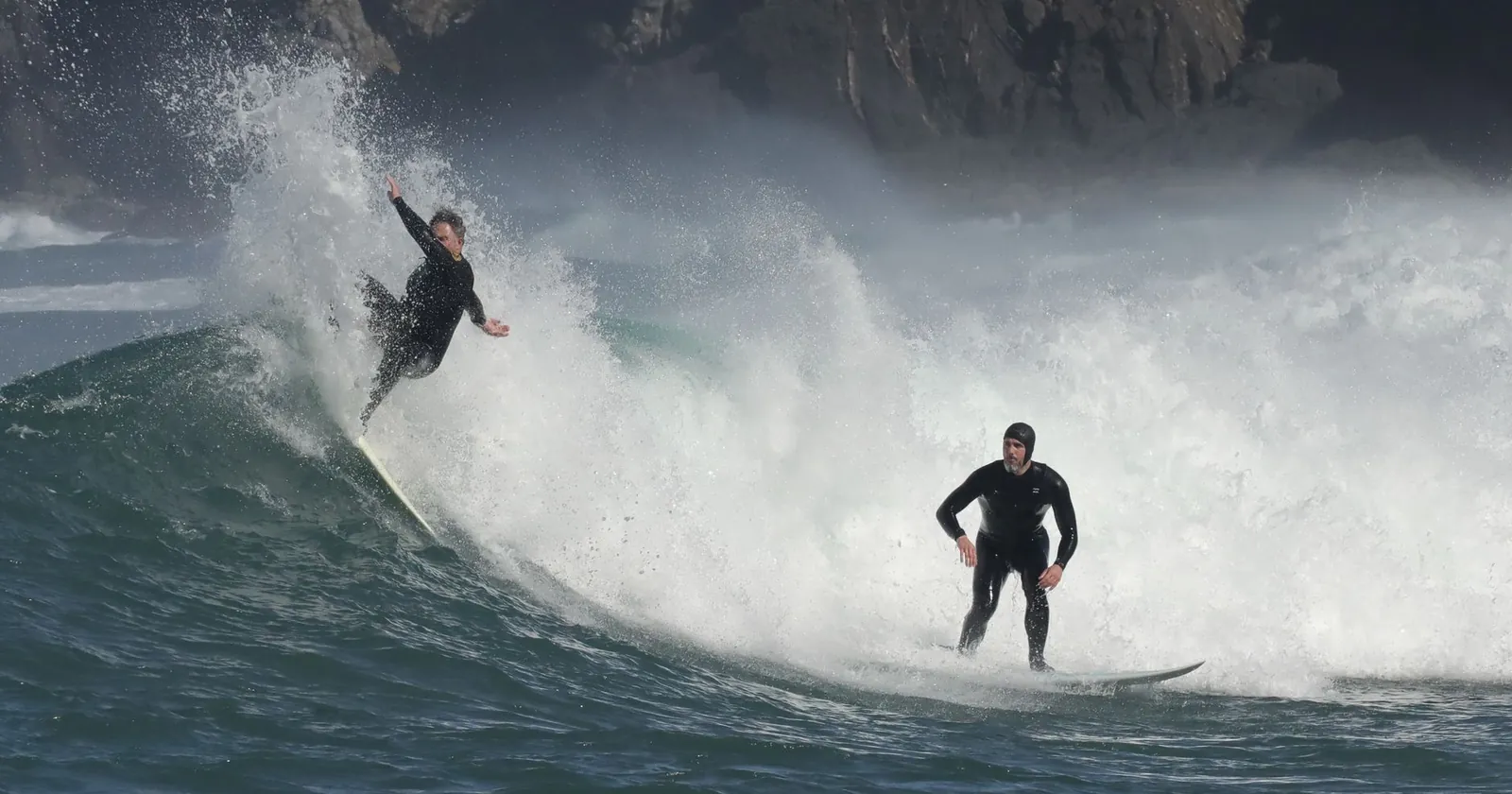
Photo: Jose Miguel via Pexels (free license).
Figures and visa rules are "as of 2026"; verify prices and the current Mexico visa position before you rely on them.
Key takeaways
- Best for: surfers and beach-lifestyle nomads, from Zicatela pros to La Punta longboarders.
- Not for: reef-scuba divers or anyone who needs rock-solid wifi.
- Cost: roughly $1,100 to $1,800 a month; rent dearer in Zicatela and La Punta.
- Surf: Zicatela for experts, La Punta to progress, Carrizalillo to learn.
- Visa: no nomad visa; tourist permit up to 180 days at the officer's discretion.
Why Puerto Escondido works (and doesn't) for a nomad
Puerto Escondido sits on the Pacific coast of Oaxaca, and for a digital nomad in Puerto Escondido the draw is a rare mix: genuinely world-class surf, a laid-back beach-town pace, excellent cheap food and a large, sociable nomad community, all at Mexican prices. Life splits between two beaches: Zicatela, the intense surf and nightlife strip, and La Punta, the slower, longboard-and-yoga end. The limitations are two: this is a surf town, not a scuba base, and the internet is the weakest part of the package. If you surf, or want to learn, and your work is flexible, few places are more fun. If you dive reefs or live on video calls, look elsewhere on our destinations list.
Surfing in Puerto Escondido
The surf is the whole point. Zicatela, nicknamed the Mexican Pipeline, is a powerful, world-class beach break that draws pros and serious surfers from everywhere, and it is strictly for the experienced. La Punta, at the south end, is mellower and better for longboarding and progressing, with a fun, social line-up. To learn, head to Playa Carrizalillo, a small, protected cove that is ideal for lessons and first waves. Board rental and surf schools are plentiful and cheap. Match the beach to your level, and you can surf every day around your work.

Beyond surfing: what else is in the water
Puerto Escondido is about open water and wildlife more than reefs. You can snorkel in calmer bays like Carrizalillo, take boat trips to see dolphins, turtles and seasonal whales, and visit the bioluminescent lagoon at Manialtepec just up the coast, magical on a dark night. For proper reef scuba, though, the Caribbean side of Mexico or Central America (like Utila) is the better fit. Set your expectations around surf and surface wildlife, not tanks.
Wifi and remote-work reality in Puerto Escondido
Here is the weak point. Home and café wifi in Puerto Escondido is often unreliable and slow, and it is the most common complaint from working nomads. The fix is to base your work around a coworking space (Selina is the best known) and to carry a mobile data eSIM or local SIM as your real backup, which often beats fixed wifi here. We compare options in the best eSIM for nomads guide. Treat guaranteed bandwidth as something you arrange, not something you assume. As of 2026.
Puerto Escondido cost of living (indicative, 2026)
Costs are moderate for a popular beach town, and have risen as the town has boomed. A comfortable nomad month lands around $1,100 to $1,800, with trackers putting a single person near $1,500. Rough numbers:
| Item | Typical |
|---|---|
| One-bedroom rent | Zicatela/La Punta premium; Centro better value |
| Comida corrida (set lunch) | a few dollars |
| Coworking desk | varies; Selina and others by day/month |
| Surf lesson / board rental | inexpensive, widely available |
Beachfront demand in Zicatela and La Punta pushes rents well above Centro. To spend at the real exchange rate and avoid card fees, see the best bank account for nomads guide.
Visas: Mexico's tourist permit and the residency route
Mexico has no dedicated digital nomad visa, and the picture tightened recently, so be realistic. Many nationalities receive a tourist permit (FMM) of up to 180 days, but the exact length is now at the immigration officer's discretion and is no longer automatically the full 180, especially if they suspect you are living or working in Mexico. For longer, legal stays, the Temporary Resident visa is the route: it requires proving economic solvency, a threshold set by each Mexican consulate (commonly cited around US$4,300 to US$4,700 a month of income in 2026, or a savings alternative, but it varies by consulate and is tied to Mexican minimum-wage multiples, so verify with yours). It is applied for at a consulate, then finalised at an INM office in Mexico. Confirm current rules with the Instituto Nacional de Migración (gob.mx/inm).
Where to base: Zicatela vs La Punta vs Centro
- Zicatela: the main surf-and-nightlife strip, buzzy and central to the action. Best for the scene and the big waves, pricier and louder.
- La Punta: the mellow, bohemian south end with longboard waves, yoga and cafés. The pick for many longer-stay nomads, though also popular and rising in price.
- Centro / La Rinconada: the town center and quieter residential areas offer better value and daily-life services, a short ride from the surf.
Best time to visit Puerto Escondido
Surf is biggest with the south and southwest swells of roughly April to October, when Zicatela fires (and is at its most serious). The drier, calmer months of November to April bring pleasant weather and gentler, more beginner-friendly conditions, though the surf is smaller. Summer is hot and humid with a rainy season. Pick your window for the surf you want, and confirm current conditions before you book.
Getting to Puerto Escondido
Puerto Escondido has its own airport (PXM) with domestic connections (often via Mexico City or Oaxaca City), which is by far the easiest way in. You can also reach it overland from Oaxaca City or Huatulco, though the mountain roads are long and winding. Stays are on Booking.com (affiliate). The gentler beginner beaches are a drive from Zicatela, so many nomads rent a car for the month: compare on QEEQ (affiliate). Lessons and boat trips are listed on Klook (affiliate).
Who Puerto Escondido suits, and who it does not
- Great if you surf or want to learn, love a beach-town pace, cheap great food and a big social scene, and have flexible work.
- Skip it if you want reef scuba, or you need reliable, high-speed internet as a hard requirement.
Before you go: sort these three things
- Watersports travel insurance that covers surfing, in the insurance guide.
- A backup eSIM, close to essential here, in the eSIM guide.
- A multi-currency account, in the banking guide.
Why the big-swell months and the storm months are the same months
Zicatela's reputation is built on summer swell, and the reason is in the National Hurricane Center's description of the basin Puerto Escondido faces. The eastern Pacific season runs 15 May to 30 November, and the NHC's own characterisation of its shape is the key sentence: “A peak in activity is noted in late August, but this peak is less pronounced than the peak in Atlantic activity. Relatively high levels of activity in the eastern Pacific tend to be spread out over a longer portion of the season than in the Atlantic, with most tropical cyclones occurring between late June and early October.”
A season that is spread out rather than spiked is exactly what a surf town wants: a long run of months producing swell-generating systems rather than one dangerous fortnight. An average eastern Pacific season carries 15 named storms, 8 hurricanes and 4 major hurricanes on the 1991–2020 record.
The same paragraph is the caution. Those systems are close to the coast, not four thousand kilometres away like the southern-hemisphere groundswell that also reaches here. A summer forecast at Zicatela can turn from a good day into a closed beach inside a day, and the beach break is unforgiving at the best of times.
FAQ: living and surfing in Puerto Escondido
How much does it cost to live in Puerto Escondido as a digital nomad?
Budget roughly $1,100 to $1,800 a month for a comfortable nomad lifestyle, with trackers putting a single person around $1,500. Rent varies a lot by area: Zicatela and La Punta command a premium for beach proximity, while Centro is better value. Shoestring budgets can dip lower and comfortable living higher. Verify current prices, which have risen with the town's popularity.
Is the wifi in Puerto Escondido good enough for remote work?
This is the weak point. Home and café wifi is often unreliable and can be slow, so most nomads work from a coworking space (Selina is the best known) and lean on a mobile data eSIM or local SIM as backup. If your work needs guaranteed bandwidth, plan your connectivity carefully rather than assuming the wifi will hold.
Is Puerto Escondido good for surfing?
Yes, it is one of the world's great surf towns. Zicatela, the Mexican Pipeline, is a heavy, world-class beach break for experienced surfers only, while La Punta is mellower and better for longboarding and progressing. Playa Carrizalillo is a small, protected bay that is ideal for learning. It is a surf town first, not a scuba destination.
Can you scuba dive in Puerto Escondido?
Puerto Escondido is about surf and open-water wildlife rather than reef scuba. You can snorkel at calmer bays like Carrizalillo, take boat trips to see dolphins, turtles and seasonal whales, and visit the bioluminescent lagoon at nearby Manialtepec. For reef diving, the Caribbean side of Mexico or Central America is a better fit.
What visa do I need for Puerto Escondido, Mexico?
Mexico has no dedicated digital nomad visa. Many nationalities get a tourist permit (FMM) of up to 180 days, but the exact length is at the immigration officer's discretion and is no longer guaranteed to be the full 180. For longer stays, the Temporary Resident visa requires proof of economic solvency set by each consulate (commonly cited around US$4,300 to US$4,700 a month of income in 2026, but it varies, verify with your consulate). Always confirm current rules officially.
Is Puerto Escondido safe for surfing?
The surf itself demands respect. Zicatela is a powerful beach break with strong currents and a heavy shore break that injures inexperienced surfers every year, so only surf where your level allows and heed local and lifeguard advice. Beginners should learn at Carrizalillo or the gentler end of La Punta with an instructor.
Yannick Schroth
Founder of NOMADREEF and a former digital nomad who has based across Asia and Latin America. This guide is researched and cites its sources; where we lack first-hand time in Puerto Escondido we say so, and visa figures are flagged to verify with the consulate. About the author · LinkedIn ↗
Sources
- How the eastern Pacific season is shaped. NOAA National Hurricane Center, tropical cyclone climatology: “The eastern Pacific hurricane season runs from May 15 to November 30”; “A peak in activity is noted in late August, but this peak is less pronounced than the peak in Atlantic activity. Relatively high levels of activity in the eastern Pacific tend to be spread out over a longer portion of the season than in the Atlantic, with most tropical cyclones occurring between late June and early October”; average season 15 named storms, 8 hurricanes, 4 major hurricanes. nhc.noaa.gov. Read 12 September 2026.
- Nomads.com, "Cost of Living in Puerto Escondido" (cost context). nomads.com.
- Instituto Nacional de Migración (INM) and Mexican consulate guidance (tourist permit & temporary residency; verify current thresholds). gob.mx/inm.