Best Dive Mask for Travel (2026)
 by Yannick Schroth
Jul 25, 2026
11 min read
by Yannick Schroth
Jul 25, 2026
11 min read
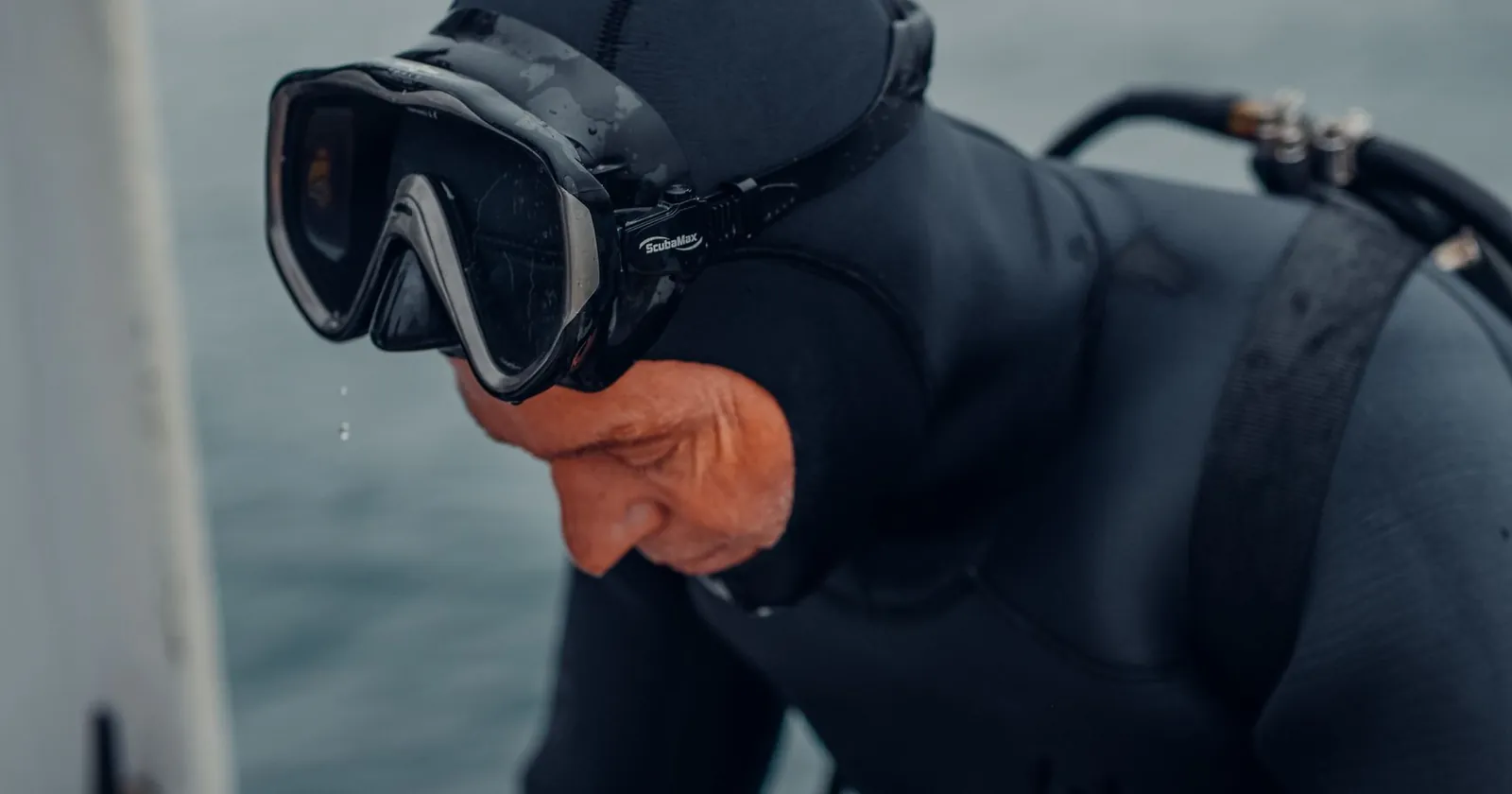
Photo: Kindel Media via Pexels (free license).
Product names are examples and specs change; confirm fit and current details before buying.
Easy to clear and equalise, and it seals on the widest range of faces.
Browse on Amazon →Swap in corrective lenses so you can actually see the reef.
Browse on Amazon →A proven seal and durable glass beats a cheap unbranded mask that leaks or fogs.
Browse on Amazon →Recommendations by type and spec, not a tested product ranking; confirm fit/size with a shop. Any price is live at the retailer. See our disclosure.
Key takeaways
- Fit beats everything. It must seal on your face with no strap and no hands.
- Go low-volume: easier to clear and equalize, and it packs smaller.
- Frameless folds flat for travel, like the Cressi F1.
- Own it, never rent it, and pack a spare, it weighs almost nothing.
- Remove the factory film on a new mask or it will fog forever.
Why the mask is the one item to always own
Of all your travel dive gear, the mask is the one you should never rent. It is a personal, fit-and-hygiene item: a mask that does not seal on your face leaks all dive, and a shared rental is neither comfortable nor pleasant. The good news is a mask is small, light and cheap to own, so it is the easiest and highest-value first purchase for any diver or freediver, and it travels in a corner of your bag.
What makes a good travel dive mask
- Fit and seal: the single most important thing. The skirt must seal all around your face with no gaps.
- Low volume: less air inside means easier clearing, easier equalizing, less buoyancy and a smaller pack size.
- Frameless design: folds flat, packs tiny, and slips into a BCD pocket. Ideal for travel.
- Field of view: wider is nicer, but not at the cost of fit or bulk.
- Skirt quality: good silicone seals better and lasts longer; black blocks glare, clear feels more open.
- Nose pocket: you must be able to pinch your nose easily to equalize.
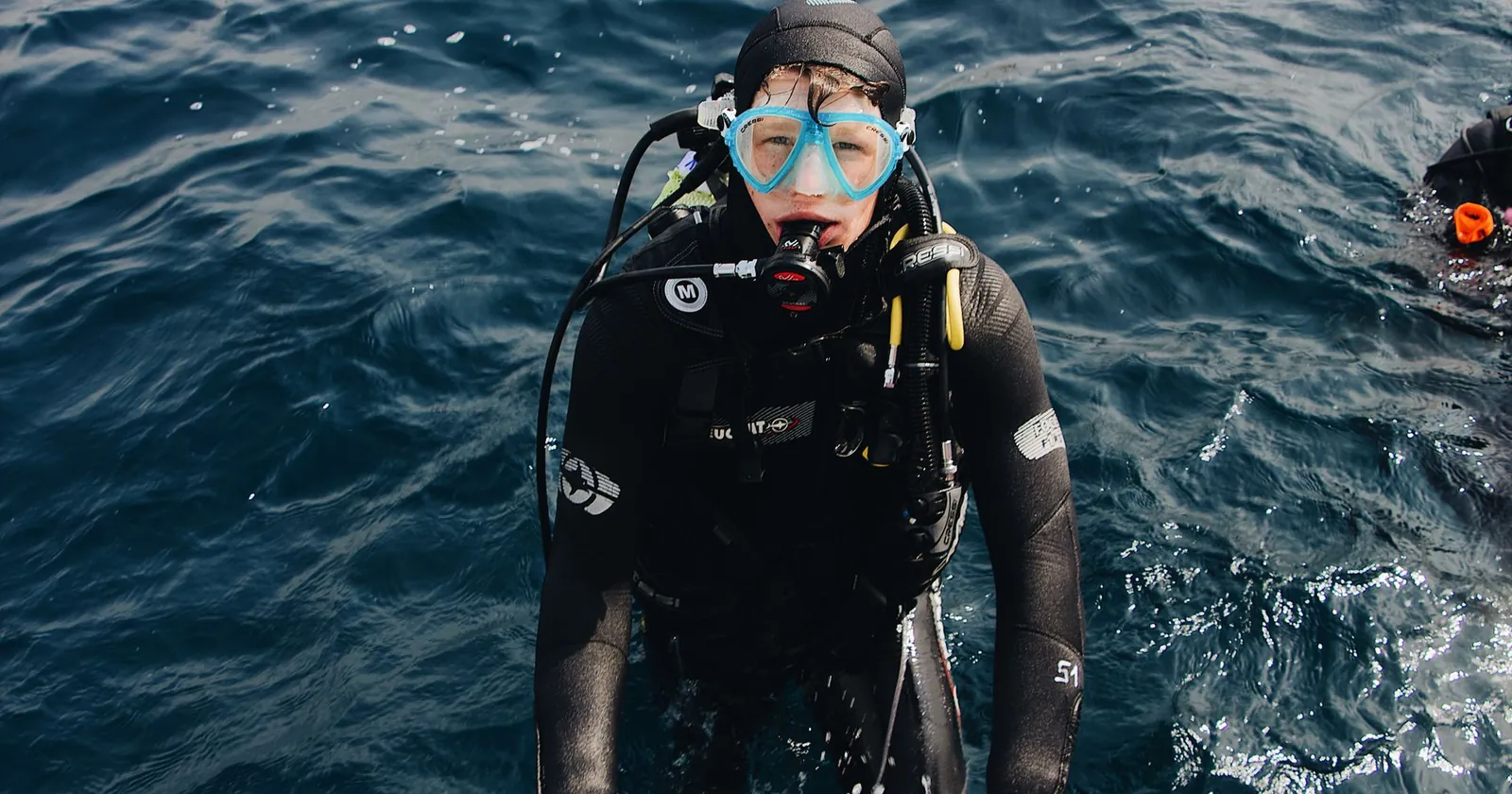
Scuba vs freediving masks
They overlap more than beginners expect. Freediving masks are ultra low-volume, so they need the least air to equalize on the way down, which is why dedicated freedivers choose the smallest ones. Scuba masks lean slightly toward comfort and field of view. A good low-volume scuba mask works fine for casual freediving, and vice versa, so unless you are serious about one discipline, a low-volume all-rounder covers both. If you mostly freedive, go smaller; see the freediving gear guide. If you mostly scuba, prioritise comfort and view.
Masks worth packing (by type)
| Type | Example | Best for |
|---|---|---|
| Frameless, folds flat | Cressi F1 | Travel all-rounder, scuba + casual freedive |
| Ultra low-volume | Cressi Nano / Atom | Dedicated freedivers |
| All-round travel scuba | Scubapro D-Mask / Zoom, Mares X-Vision | Comfort and field of view |
| Prescription-ready | Masks with swappable optical lenses | Glasses wearers |
These are examples, not a ranked verdict, because the "best" mask is the one that fits your face. Try masks on in a shop where you can, then buy; confirm current specs with the maker (Cressi, Scubapro). Check dive mask prices on Amazon (affiliate).
Extras that matter
- Pack a spare mask. It weighs nothing and saves a trip if one breaks or the strap snaps.
- Prescription lenses: many masks take swappable optical lenses, which changes everything if you wear glasses.
- Anti-fog: carry defog drops; a little saliva works in a pinch.
- Comfort strap: a neoprene strap cover stops hair-pulling and adds comfort.
Single vs dual window, and a warning on full-face masks
You will see masks with a single window (one continuous lens) or dual/multi windows (separate panes). Single-window masks give an open, uninterrupted view and are often lower profile; dual-window masks sit closer to the eyes, which can mean lower volume and easier fitting for some faces, and they accept swappable prescription lenses. Both travel well, so it is another fit-and-preference call, not a right answer.
One clear warning: the full-face snorkel masks sold to tourists are not for scuba or freediving. They are designed for surface snorkeling only, cannot be equalized as you descend, and are the wrong tool entirely for diving. For anything below the surface, use a proper low-volume dive mask.
New mask? Remove the film first
Almost every fogging complaint about a new mask comes from one skipped step: the lens ships with a factory film that must be removed once. Traditionally you gently scrub the inside of the lens with non-gel toothpaste or a dedicated mask cleaner, rinse, and repeat until it stops fogging. After that, a defog drop or saliva before each dive keeps it clear. Do this at home before your trip, not on the boat.
FAQ: choosing a travel dive mask
What is the best dive mask for travel?
The best travel dive mask is a low-volume mask that fits your face perfectly and, ideally, folds flat. Frameless masks like the Cressi F1 pack tiny and suit both casual scuba and freediving, while all-round travel scuba masks like the Scubapro D-Mask or Mares X-Vision offer comfort and field of view. Fit beats every other feature, so choose the one that seals on your face.
How do you test if a dive mask fits?
Hold the mask against your face without using the strap, look up slightly, and gently inhale through your nose. A well-fitting mask stays put on its own with no hands. Check the skirt seals all around with no hair or gaps, and that the nose pocket lets you pinch your nose to equalize. If it does not seal hands-free, it will leak underwater.
What is a low-volume dive mask and why does it matter?
A low-volume mask has less air space between the lens and your face. That means less air to clear if it floods, less buoyancy, easier equalizing, and a smaller pack size, all useful for travel and essential for freediving. Higher-volume masks give a slightly wider view but are bulkier and need more breath to clear.
Are scuba and freediving masks the same?
They overlap. Freediving masks are ultra low-volume so they need minimal air to equalize on descent, while scuba masks prioritise comfort and field of view. A good low-volume scuba mask works fine for casual freediving, but dedicated freedivers prefer the smallest-volume masks like the Cressi Nano or Atom. Pick based on which you do most.
Should you get a black or clear skirt?
A black (opaque) skirt blocks side glare and helps you focus, favoured by photographers and freedivers, while a clear skirt lets in more light and can feel less enclosed for beginners. Neither is better underwater; it is preference. Both come in low-volume, travel-friendly designs, so choose on fit and feel.
How do you stop a new dive mask from fogging?
New masks have a factory film on the lens that must be removed once, traditionally by gently scrubbing the inside with non-gel toothpaste or a dedicated cleaner. After that, use anti-fog drops or a little saliva before each dive, rinse, and the mask should stay clear. Persistent fog usually means the film was never removed.
Yannick Schroth
Founder of NOMADREEF and a former digital nomad. This guide is researched against manufacturer ranges and dive best practice; product names are examples, and the right mask is always the one that fits your face, so try before you buy where you can. About the author · LinkedIn ↗
Sources
- Cressi, official mask range (F1, Nano, Atom). cressi.com.
- Scubapro, official travel gear range (D-Mask, Zoom Lite). scubapro.com.
- Our own travel scuba gear and freediving gear guides.