Best Dive Torch for Travel (2026)
 by Yannick Schroth
Jul 25, 2026
11 min read
by Yannick Schroth
Jul 25, 2026
11 min read
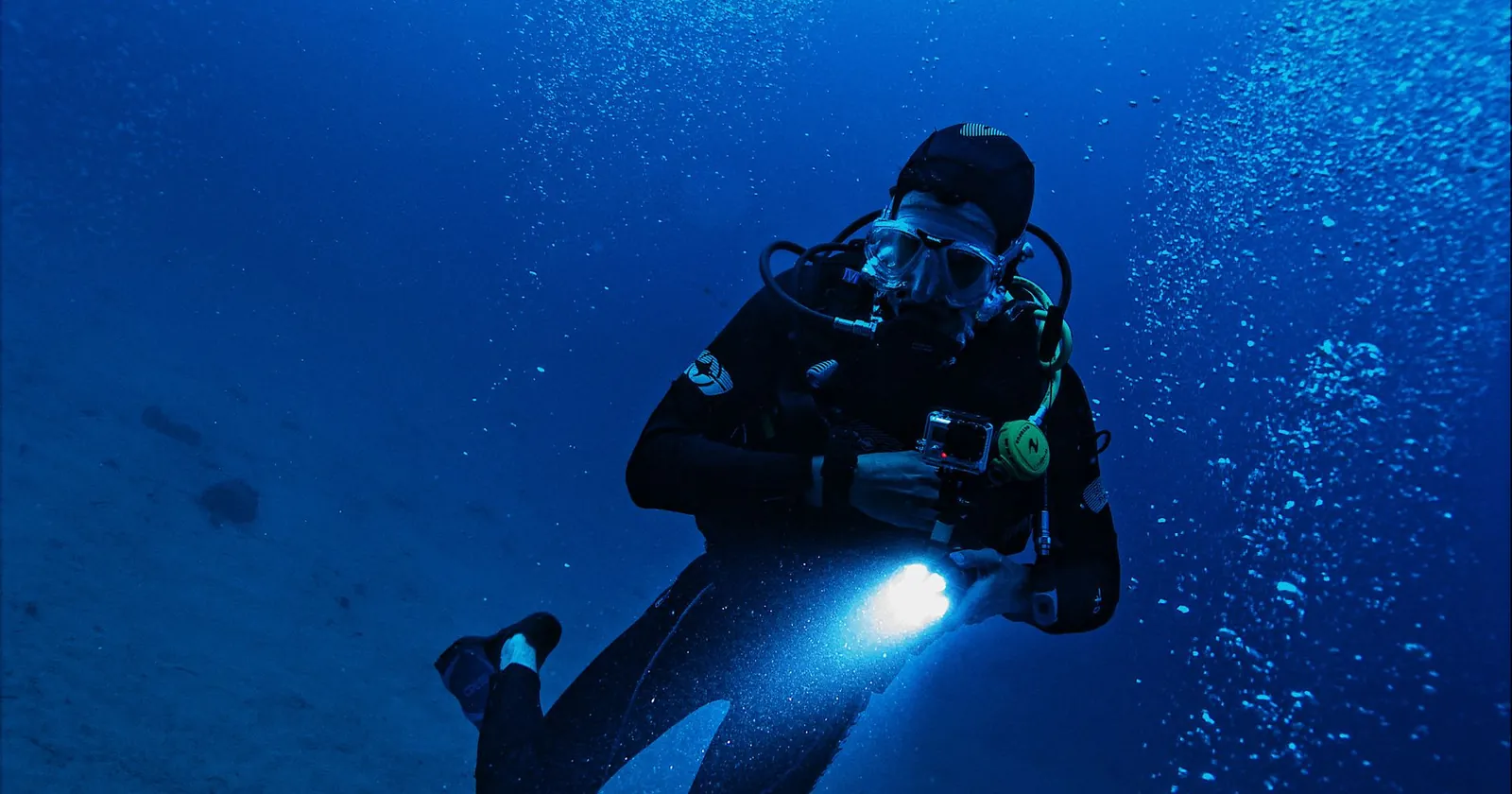
Photo: Maël Balland via Pexels (free license).
Lumen and depth specs vary by model and change; confirm the current figures with the maker before buying.
Bright enough for night dives and signalling, small enough to pack.
Browse on Amazon →Redundancy is a night-diving rule; a tiny backup covers a failure.
Browse on Amazon →Rechargeable saves on trip battery costs; buy a proven brand.
Browse on Amazon →Recommendations by type and spec, not a tested product ranking; confirm fit/size with a shop. Any price is live at the retailer. See our disclosure.
Key takeaways
- Primary: roughly 1,000 to 2,500 lumens is plenty for recreational diving.
- Carry a backup for night, wreck or overhead dives, it is cheap insurance.
- Depth rating should exceed your deepest planned dive with margin.
- USB-C rechargeable + magnetic switch travel best; no hunting for batteries abroad.
- The battery flies in your cabin, never checked. A dive light is a fire risk.
Primary vs backup: you may want both
Dive torches come in two roles. A primary is your main light, brighter and usually more focused, held throughout a night or low-light dive. A backup is a small, utterly reliable second light you carry so a failure never leaves you in the dark, which is essential for night, wreck and overhead diving. If you only ever do bright day dives, one compact torch is fine; if you dive at night or into structure, carry both. A backup light is one of the cheapest pieces of safety gear you will ever buy.
How many lumens do you actually need?
Brightness is the headline spec and the most over-bought. For a primary recreational torch, roughly 1,000 to 2,500 lumens lights a reef, penetrates holes and cuts through blue water without draining in an hour or dazzling your buddy. A backup can be a few hundred to around 1,000 lumens. Chasing 4,000-plus lumens looks impressive on the box but usually means shorter burn time, more heat and more bulk, rarely worth it for recreational diving. Balance output against burn time: a torch that outlasts your dive matters more than one that is briefly blinding.
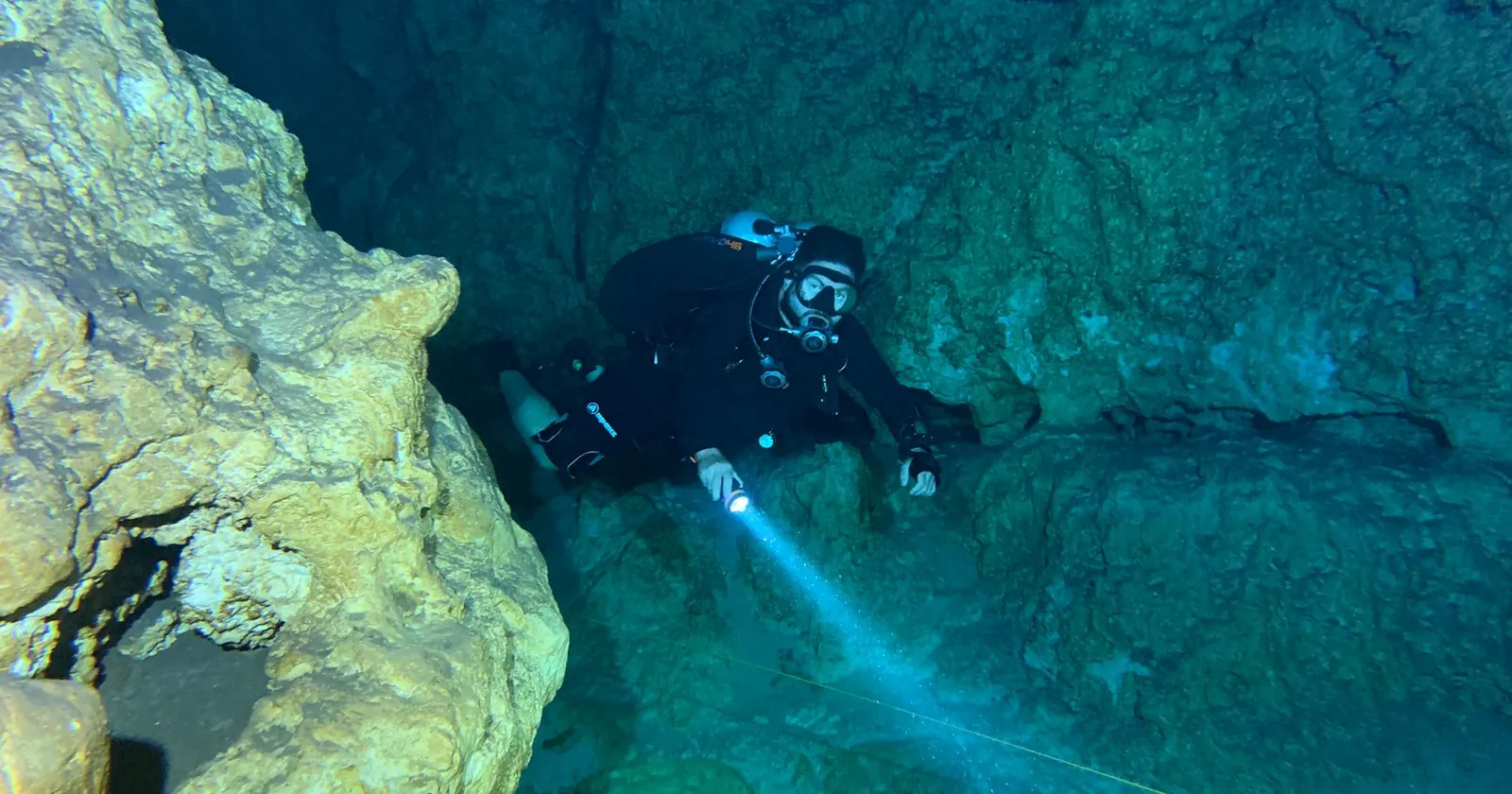
The specs that matter for travel
- Depth rating: comfortably beyond your deepest planned dive. Many travel torches are rated to 100 m or more.
- Beam angle: a narrow beam penetrates and signals well; a wide beam suits video and general lighting. Some torches zoom between the two.
- Rechargeable (USB-C): the travel winner, top up from a power bank or laptop and never hunt for oddball batteries abroad.
- Switch reliability: a magnetic switch has no moving seals to flood and is easy in gloves, a good travel trait.
- Size and toughness: compact and rugged, it lives in a corner of your bag and survives baggage handlers.
- Burn time: should outlast your longest dive with margin, on the brightness you will actually use.
Travel torches worth a look (by role)
Popular current options span budget to premium; treat these as examples and confirm the maker's current lumen, depth and burn-time figures before buying, as they change by model:
| Role | Examples | Why |
|---|---|---|
| Primary, zoomable | OrcaTorch and similar zoom torches | Adjustable beam covers signalling and video in one |
| Primary, bright value | Wurkkos and budget rechargeables | High output for the money, USB-C charging |
| Compact backup | Small 2,000-lumen-class backups | Pocketable second light for night and wreck dives |
| Premium / video | Big Blue, Scubapro, Light & Motion ranges | Even wide beams and build quality for filming |
Check dive torch prices on Amazon (affiliate). Match the torch to how you dive, not to the biggest lumen number on the shelf.
Dive torch vs video light: not the same thing
If you film your dives, know that a torch and a video light are different tools. A dive torch throws a focused beam with a bright center (hotspot), perfect for looking into holes and signalling, but that hotspot shows up as an ugly bright circle on video. A video light is built for a wide, soft, even beam with no hotspot and often a color temperature tuned for footage. If you mostly explore, buy a torch; if you mostly film, buy a video light (and see the action camera guide); if you do both, many divers carry a compact torch and a separate video light rather than trying to make one do everything.
The flight rule you must not ignore
This is the one where getting it wrong is a safety issue, not a preference. A dive torch is a powerful light with a lithium battery, which makes it a genuine ignition source, so:
- Carry it in the cabin, never checked. All lithium batteries fly with you.
- Lock it out so it cannot switch on in your bag (many torches have a twist lockout; otherwise remove the battery). A torch that turns on in a packed bag can overheat badly.
- Protect spare batteries (tape terminals or use cases) and keep them in the cabin too.
- Know the watt-hour limits for your airline; most allow up to 100 Wh freely.
We cover the full battery and gear-packing rules in the packing guide.
FAQ: choosing a travel dive torch
How many lumens do you need for a dive torch?
For a primary recreational dive torch, aim for roughly 1,000 to 2,500 lumens: enough to light a reef, peer into holes and cut through blue water, without being so powerful it drains fast or blinds your buddy. A backup light can be smaller, a few hundred to around 1,000 lumens. For video you want a wide, even beam rather than raw brightness.
What is the difference between a primary and backup dive light?
A primary light is your main torch, brighter and often with a focused beam, in your hand throughout a night or low-light dive. A backup is a small, reliable second light you carry in case the primary fails, which is essential for night, wreck or overhead diving. Serious low-light divers always carry both; a backup is cheap insurance.
What should you look for in a travel dive torch?
Prioritise a sensible lumen output (1,000 to 2,500 for a primary), a depth rating well beyond your maximum depth, USB-C rechargeability, a reliable switch (magnetic switches suit travel), a beam angle matched to your use (narrow to penetrate, wide for video) and a compact, rugged build. Rechargeable saves buying batteries abroad.
Can you take a dive torch on a plane?
Yes, but its lithium battery must travel in your carry-on, never in checked luggage, because of fire risk. A powerful dive light is a real ignition source, so pack it so it cannot switch on in your bag (remove the battery or use a lockout), and keep spare batteries in the cabin with terminals protected. Check your airline's watt-hour limits.
Do you need a dive torch for day diving?
A torch is essential for night, wreck and overhead diving, but it is also very useful on day dives: it restores true color in holes and under ledges, helps you spot hidden marine life, and doubles as a signalling tool. Many recreational divers carry a compact torch on every dive and a backup when diving in low light.
Are rechargeable or battery dive torches better for travel?
Rechargeable USB-C torches are usually better for travel: you avoid hunting for the right batteries abroad and cut waste, and you can top up from a power bank or laptop. The trade-off is you must manage charging and carry the lithium battery in your cabin. Some divers keep a battery model as a backup so a dead charge never ends their diving.
Yannick Schroth
Founder of NOMADREEF and a former digital nomad. This guide covers what to look for in a travel dive torch and the flight-safety rules; product names are examples, and you should confirm current lumen, depth and burn-time specs with the manufacturer before buying. About the author · LinkedIn ↗
Sources
- IATA, lithium-battery carriage rules (dive lights in carry-on). iata.org.
- Dive torch testing and buying-guide context (lumen and role conventions). mikesdivestore.com.
- Our own dive gear packing guide for the full battery rules.