Koh Tao for Digital Nomads: What It Costs and What Works (2026)
 by Yannick Schroth
Jul 24, 2026
14 min read
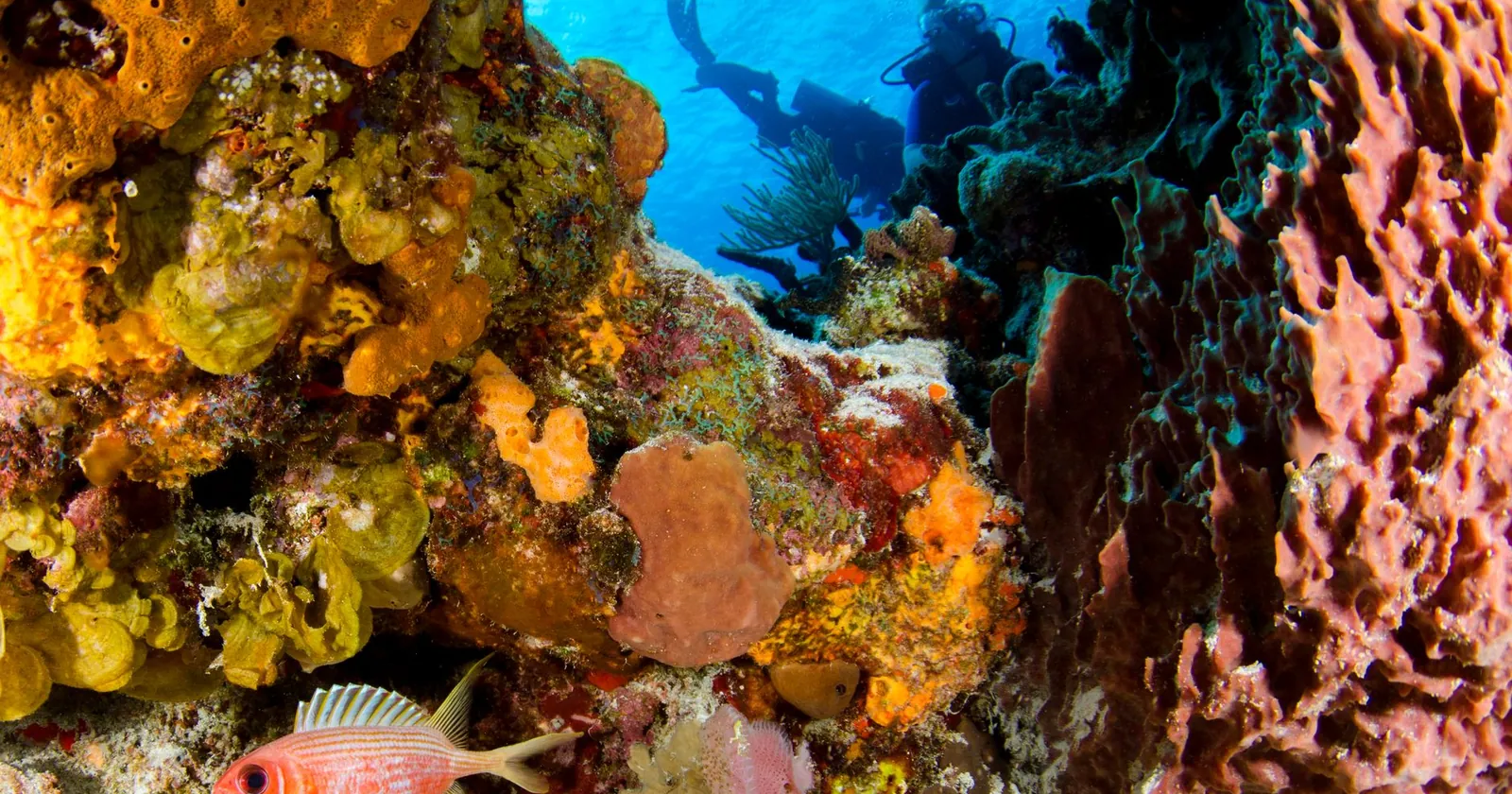
Photo: Leonardo Lamas via Pexels (free license).
Figures are indicative and "as of 2026"; verify prices and visa rules before you rely on them.
Key takeaways
- Best for: getting certified or a short, dive-intensive stint; nomads who like a social scene.
- Skip a long base if: you want a bigger island, quiet, or more than a few months of variety.
- Cost: roughly $470 to $625 a month; studio ~$378.
- Diving: PADI Open Water around 12,000 THB (~$340), with 60 dive centres on our list.
- Visa: the DTV gives nomads five years and 180 days per entry, on savings not income.
Why Koh Tao works (and doesn't) for a nomad who dives
Koh Tao is a tiny island in the Gulf of Thailand with an outsized reputation: it is where a huge share of the world's divers earn their first certification, because it is cheap, warm, and packed with schools. For a digital nomad in Koh Tao, the appeal is a rare combination of world-class, affordable diving with genuinely usable wifi and a ready-made social scene of divers and remote workers. The limitation is scale: it is small, it leans toward diving and partying, and prices and crowds spike in high season. It is a brilliant few weeks and a love-it-or-leave-it few months.
The common play is to get certified or dive hard for two to four weeks on Koh Tao, then base somewhere larger. If you want the training and the underwater time without a big-city trade-off, few places do it better or cheaper.
Diving and certification in Koh Tao
This is Koh Tao's headline: learning to dive here is cheap. A PADI Open Water certification costs around 12,000 THB (about $340), and our list holds 60 dive centres on one small island competing on price and quality (Siam Scuba). Fun dives are cheap too, around 2,000 THB for two. Sites like Chumphon Pinnacle and Sail Rock offer reef, pinnacles and, seasonally, whale sharks. If getting certified is on your list, this is the place to do it, and our guide on how to get scuba certified while travelling walks through choosing a school and course.
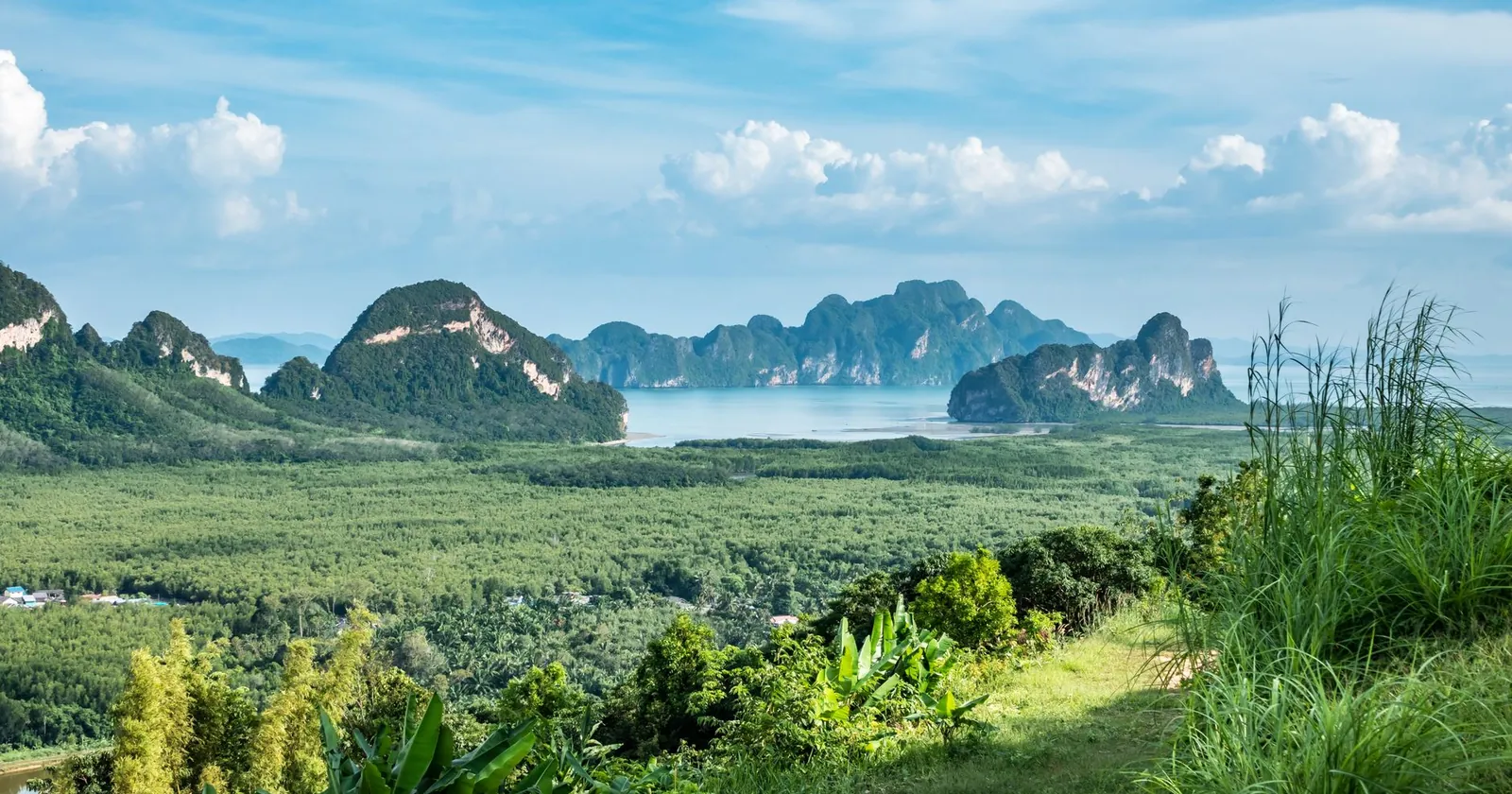
If you start with a try dive, a 2025 Thai rule allows no more than two students per trained controller on a coral reef area, according to Thai PBS, so a crowded first dive is a reason to walk to the next shop.
Wifi and remote-work reality in Koh Tao
For a small island, Koh Tao's wifi is decent, and beachfront coworking-friendly cafés give you reliable places to work. The standard nomad move is a True Move H SIM (around 300 THB a month for unlimited data), which has the best island coverage, used as backup or even primary; a travel eSIM works well for arrival, and we compare options in the best eSIM for nomads guide. Choose accommodation with a tested connection if calls matter. As of 2026; conditions change.
Koh Tao cost of living (indicative, 2026)
Living is cheap. Trackers and local guides put a comfortable month at roughly 15,000 to 20,000 THB ($470 to $625) (NomadMum). Rough numbers:
| Item | Typical |
|---|---|
| Air-conditioned studio (with wifi) | ~12,000 THB / month (~$378) |
| Local Thai meal | 80 to 150 THB |
| Western café meal | 300+ THB |
| SIM (unlimited data) | ~300 THB / month |
| Two fun dives | ~2,000 THB |
Budget travelers manage on 1,000 to 1,800 THB a day, mid-range 2,500+. To spend at the real exchange rate and skip card fees, see the best bank account for nomads guide.
Visas: the DTV, staying legal in Thailand
Thailand made this easy in 2024 with the Destination Thailand Visa (DTV), a proper digital nomad visa (Ministry of Foreign Affairs):
- Five-year, multiple-entry visa allowing up to 180 days per entry, extendable once per entry by up to 180 days through the Immigration Bureau.
- Financials: about 500,000 THB (~$14,000 to $15,000) in savings, held for three months; foreign currency is accepted. Notably, there is no minimum income requirement, only the savings threshold.
- Cost: a 10,000 THB application fee; you must be at least 20 and apply from outside Thailand.
Do not rely on a blog for your visa: confirm the current requirements with a Thai embassy or the official e-visa system before you apply.
Best time to visit Koh Tao
Koh Tao is on the Gulf side, so its seasons differ from Phuket and the Andaman coast. Broadly, the driest, calmest window runs roughly February to September, with the wettest weather often late in the year around October to December. Whale shark sightings are seasonal and never guaranteed. Because weather and visibility vary year to year, confirm current conditions with a dive school before you commit to dates.
Where to stay in Koh Tao
Sairee Beach is the main hub, walkable, full of dive shops, cafés and nightlife, and the default for first-timers. Mae Haad (the ferry town) is central and practical, while Chalok Baan Kao in the south is quieter and more laid-back. Pick Sairee for convenience and social life, the south for calm. Compare current stays on Booking.com, and browse dives and boat trips on Klook (affiliate).
Getting to Koh Tao
There is no airport on Koh Tao. Most people fly to Koh Samui (USM) or Surat Thani, or take an overnight route from Bangkok, then a ferry (from Koh Samui, Koh Phangan, Chumphon or Surat Thani). Combined train/bus-and-ferry tickets from Bangkok are cheap; the fast option is a flight to Samui plus a ferry.
Who Koh Tao suits, and who it does not
- Great if you want cheap certification, intense diving, and a social scene for a few weeks or months.
- Skip a long base if you want a bigger island, quiet, or year-round variety.
Four things to sort before you fly to Koh Tao
- Insurance that covers training and diving, in the dive insurance guide.
- Connectivity: an eSIM for arrival plus a local SIM, in the eSIM guide.
- A multi-currency account, in the banking guide.
- Your dive kit, own the personal gear and rent the bulk, per the packing guide.
Weighing Koh Tao against the bigger island next door? Koh Samui vs Koh Tao compares a dive day from each, the last boats and what November does to the sea off each coast.
FAQ: living and diving in Koh Tao
How much does it cost to live in Koh Tao as a digital nomad?
You can live well on roughly 15,000 to 20,000 THB a month (about $470 to $625), with an air-conditioned studio around 12,000 THB ($378). Local Thai meals run 80 to 150 THB and Western cafés 300+ THB. Verify current prices, which vary by season and lifestyle.
Is the wifi in Koh Tao good enough for remote work?
Yes, for a small island the wifi is decent, and beachfront coworking-friendly cafés offer reliable connections. Most nomads also get a True Move H SIM (around 300 THB a month for unlimited data), which has the best island coverage, and use it as backup or primary.
How much does it cost to learn to dive on Koh Tao?
A PADI Open Water certification costs around 12,000 THB (about $340), and our Koh Tao list holds 60 dive centres competing for the same beginners. Recreational fun dives are around 2,000 THB for two.
Which visa do digital nomads use for Thailand?
The Destination Thailand Visa (DTV), launched in 2024, is Thailand's digital nomad visa: a five-year, multiple-entry visa allowing up to 180 days per entry, extendable once for another 180 days. It needs about 500,000 THB in savings (roughly $14,000 to $15,000) held for three months, and has no minimum income requirement.
Is Koh Tao good for a long-term nomad base?
It is superb for a two to four week stint to get certified or dive intensively, but it is a small party-and-dive island, so many nomads find two to three months there too limiting. A common plan is to certify on Koh Tao, then base somewhere larger like Chiang Mai or Bali.
When is the best time to visit Koh Tao?
Koh Tao sits in the Gulf of Thailand, which has a different weather pattern to the Andaman coast. Broadly, the driest, calmest months run roughly from around February to September, with the wettest weather often late in the year. Whale shark sightings are seasonal. Confirm current conditions before you book.
Yannick Schroth
Founder of NOMADREEF and a PADI Advanced Open Water diver who has dived in Thailand, the Philippines and Indonesia. This guide combines that experience with current research and cited sources. About the author · LinkedIn ↗
Sources
- NomadMum, "Koh Tao Cost of Living 2026". nomadmum.com.
- Siam Scuba, "How Much Does Diving Cost in Koh Tao? 2026". siamscuba.com.
- ThaiEmbassy.com, "Destination Thailand Visa (DTV) 2026". thaiembassy.com.
- Thailand's 2025 coral-protection measure for dive businesses. Royal Gazette notice of 22 April 2025 (text not readable to us), as reported by Thai PBS, 24 April 2025, Thai PBS Policy Watch, summary of the measure, and Thairath, on the camera rule. Read 10 November 2026.
- DTV terms. Ministry of Foreign Affairs, DTV infographic (PDF). Read 10 November 2026.