Best Snorkel Gear: Mask, Fins & Snorkel
 by Yannick Schroth
Jul 28, 2026
10 min read
by Yannick Schroth
Jul 28, 2026
10 min read
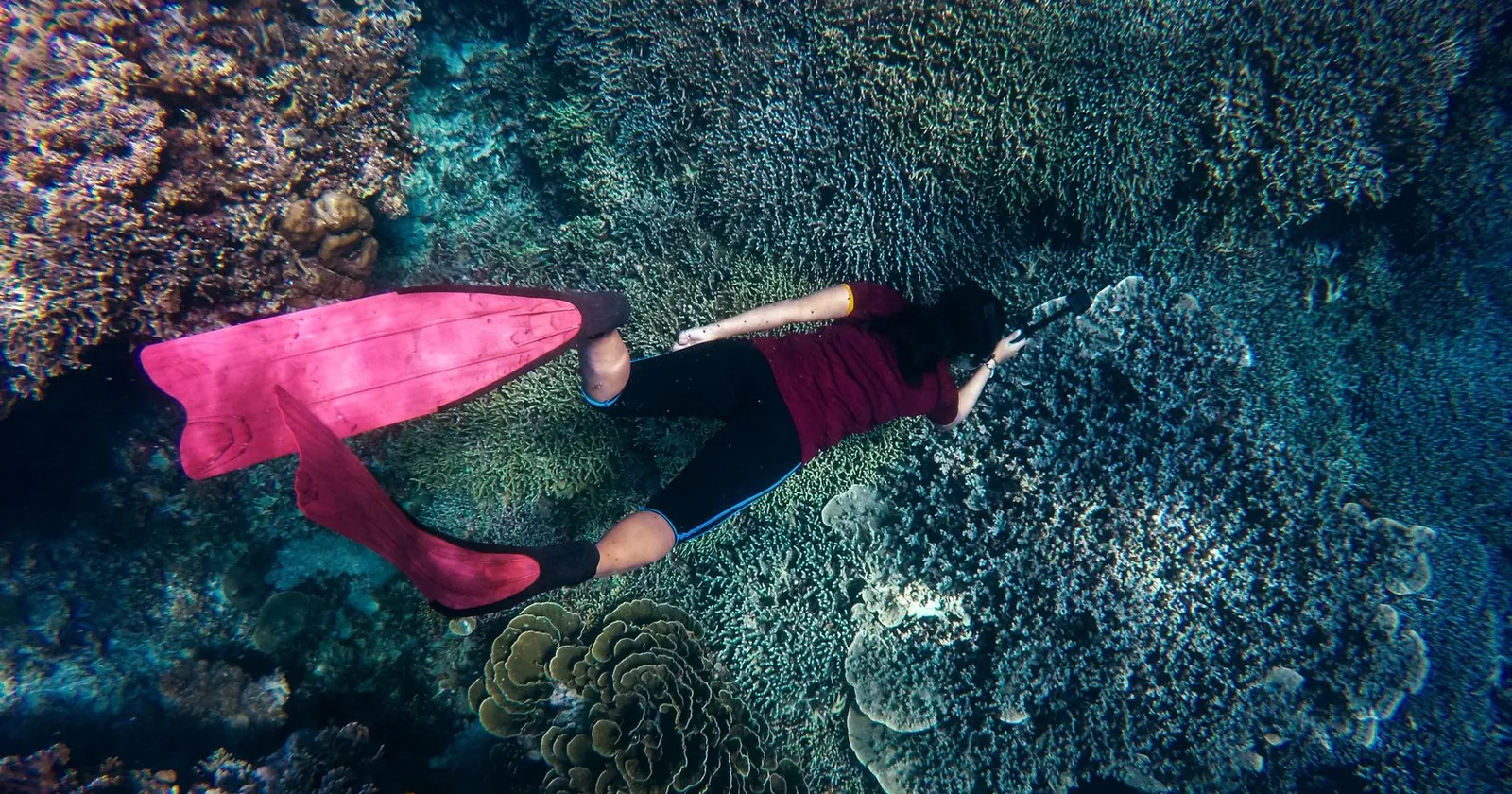
Photo: John Cahil Rom via Pexels (free license).
Product names are examples; confirm fit and current details before buying.
Fit is everything; a good seal plus a splash-guard snorkel makes it effortless.
Browse on Amazon →Pack smaller and still get propulsion; a mesh bag dries kit between spots.
Browse on Amazon →One reliable set beats three cheap pieces that leak or fog.
Browse on Amazon →Recommendations by type and spec, not a tested product ranking; confirm fit/size with a shop. Any price is live at the retailer. See our disclosure.
Key takeaways
- Fit the mask first. It must seal hands-free; everything else is secondary.
- Semi-dry snorkel (splash guard + purge) suits most; classic J for freedivers.
- Short travel fins pack small and give plenty of surface propulsion.
- Own your mask and snorkel; they are cheap, light and hygienic to keep.
- Full-face masks: reputable brands only, surface-only, never breath-hold diving.
The mask: fit comes first
As with diving, the mask is the one item you should not compromise on, and the one to own. It must seal on your face (hold it on without the strap and inhale gently through your nose, it should stay put), have a comfortable skirt, and let you pinch your nose to equalize if you dip under. A low-volume mask is easier to clear and packs smaller. We cover fit and models in the dive mask guide, the same masks work for snorkeling, so start there. Check snorkel mask prices on Amazon (affiliate).
The snorkel: pick the right type
- Semi-dry snorkel: the all-rounder. A splash guard at the top keeps out surface chop, and a purge valve at the bottom clears water easily. Best for most casual snorkellers.
- Classic J-snorkel: simple, cheap, reliable, and preferred by freedivers because there is nothing to trap air when you dive down.
- Dry-top snorkel: a float seals the top fully at the surface, so no water gets in, but it traps buoyant air and is not for breath-hold diving. Good for pure surface floating.
Match the snorkel to how you snorkel: semi-dry for relaxed reef cruising, J-snorkel if you also breath-hold dive.
The fins: short and travel-friendly
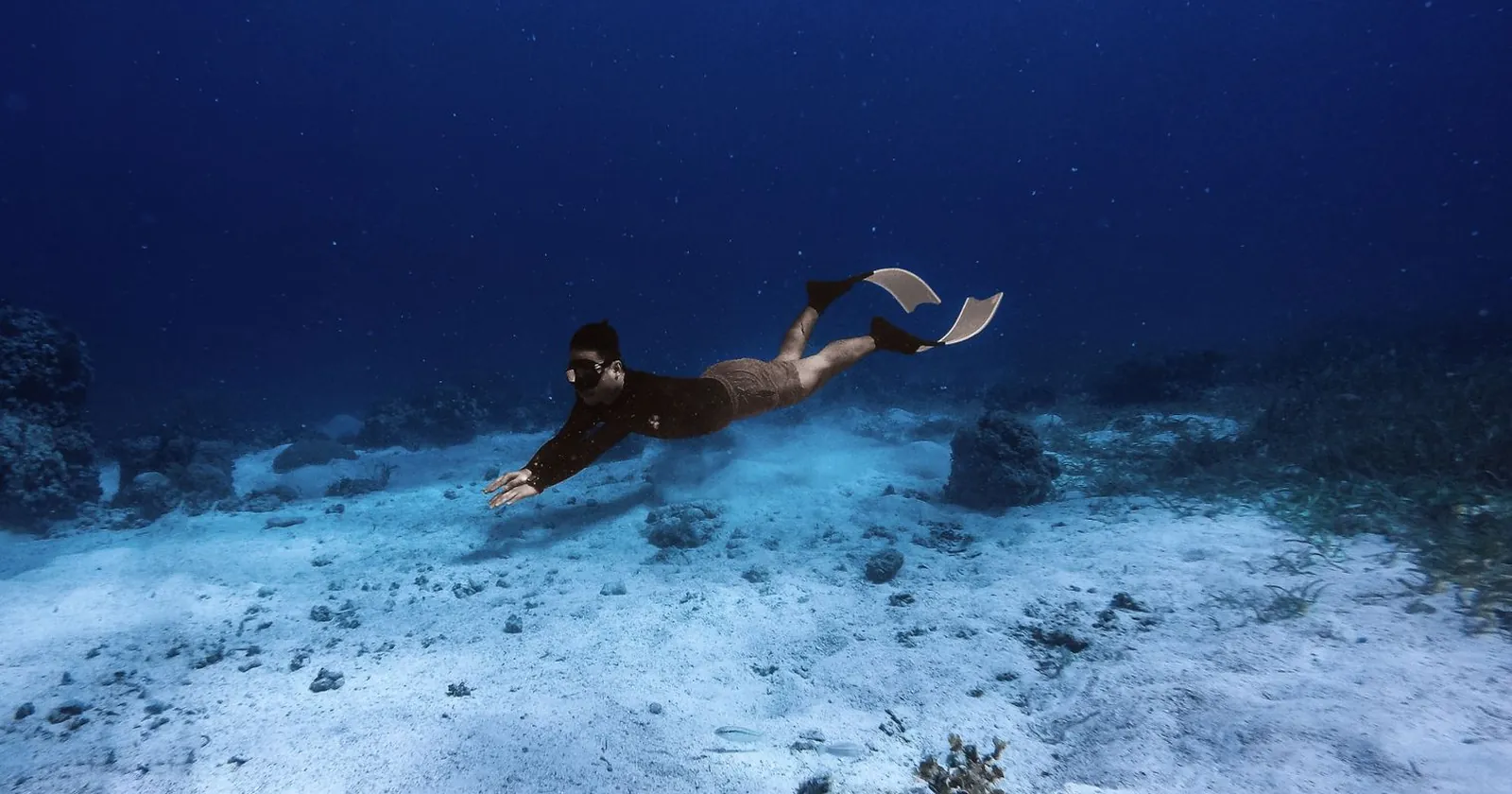
For snorkeling you want short, packable travel fins, not long stiff diving or freediving blades. Short fins give plenty of propulsion at the surface, are easier to walk with and to pack, and full-foot versions skip the need for boots in warm water. Fit should be snug but not tight (cramping ruins a snorkel). If you also dive, see the travel scuba gear and freediving gear guides for longer fins.
Sets vs separate pieces
A matched mask-snorkel-fin set is convenient and good value for casual snorkellers, and travel sets pack into a mesh bag, ideal for throwing in a suitcase. But if you snorkel often or have a hard-to-fit face, buy the mask separately on fit alone and pair it with a decent snorkel and travel fins. Either way, the mask fit decides everything. Reliable brands include Cressi, Mares, Scubapro and dedicated snorkel-set makers; buy the right size in a reputable set and you are sorted. Check snorkel set prices on Amazon (affiliate).
The full-face mask caution
The full-face snorkel masks sold everywhere are tempting for calm, surface-only floating, but be careful. Concerns have been raised about carbon-dioxide build-up in some designs, especially cheap or counterfeit ones, and they are not for breath-hold diving or currents. If you want one, choose a reputable brand, use it only for gentle surface snorkeling, and get out if you feel breathless, dizzy or headachey. For most people, a classic mask and snorkel is the safer, more versatile choice, and it is what we recommend, see the snorkelling safety guide.
The caution above now has a regulator's name on it
This page has warned about full-face masks on general grounds. As of 2026 that warning is no longer only editorial judgement.
On 5 March 2026 the US Consumer Product Safety Commission issued a public warning telling consumers to stop using a named full-face snorkel mask, the OUSPT, “immediately due to risk of serious injury and death from drowning hazard”. The mechanism is the one the design invites: the mask causes “labored breathing”, which can lead to “loss of consciousness or excess fluid in the lungs that can lead to drowning”, and it creates “increased levels of carbon dioxide which can exacerbate the difficulty of breathing”.
The scale is worth reading carefully, because it is what makes this more than an anecdote. About 84,000 of the masks were sold between March 2019 and February 2026 on a single marketplace. CPSC “has received reports from five consumers who had trouble breathing, felt light-headed or lost consciousness while using the product”, and notes “one lawsuit alleging that the product caused a drowning fatality”. The instruction is unusually blunt for a warning rather than a recall: stop using them and “immediately dispose of them. Do not sell or give away these hazardous full-face snorkel masks.”
Two things this does and does not mean. It is a warning about one named product, not a finding against every full-face mask on the market. It also is a regulator describing, in writing, the exact failure mode people have been arguing about for years, a large enclosed volume you rebreathe into, at a price that puts it in a lot of hand luggage. If you own a full-face mask of any brand, the test is whether the manufacturer publishes how it separates inhaled from exhaled air. A cheap one that says nothing on the subject is telling you something.
The extras worth packing
- Rashguard: the best sun and sting protection for a flat-on-the-surface snorkeller. Match to the water temperature.
- Reef-safe sunscreen for exposed skin (some destinations legally require it).
- Anti-fog drops and a mask box so the skirt is not crushed.
- A mesh bag that drains and dries, for salty, wet kit.
- Optional: a snorkel vest for confidence, and a dry bag for valuables on the boat.
Caring for your snorkel gear
Snorkel gear is cheap, but salt and sun kill it fast if you neglect it. After every use, rinse everything in fresh water, dry it out of direct sun (UV degrades silicone and rubber), and store the mask in a box so the skirt is not crushed. Keep the mask lens clean and re-apply defog before each snorkel. A wet mesh bag is fine for the beach but empty and dry the gear properly at the end of the day to avoid smell and mildew. Treated well, a good mask lasts many years and many countries, exactly what you want in a travel kit.
FAQ: choosing snorkel gear
What snorkel gear do you actually need?
Three things: a mask that fits and seals, a comfortable snorkel, and fins. Add a rashguard for sun and sting protection, reef-safe sunscreen, and a defog and mesh bag. That is the whole kit. As with diving, fit of the mask is the single most important factor, so prioritise that over features.
What kind of snorkel is best?
For most people a semi-dry snorkel with a splash guard and a purge valve is the sweet spot: it keeps out surface splash and clears easily. A simple classic J-snorkel is cheap, reliable and preferred by freedivers. Dry-top snorkels seal fully at the surface but trap air and are not for diving down. Match the snorkel to whether you also breath-hold dive.
Should you buy a snorkel set or separate pieces?
A matched mask-snorkel-fin set is convenient and good value for casual snorkellers, and travel sets pack into a mesh bag. If you snorkel often or have a hard-to-fit face, buying the mask separately (chosen purely on fit) is worth it, then pair it with a decent snorkel and travel fins. Either way, fit of the mask comes first.
What fins are best for snorkeling and travel?
Short, travel-friendly fins are ideal for snorkeling: they pack small, are easy to walk with and give plenty of propulsion at the surface. Full-foot fins skip the need for boots in warm water. You do not need long, stiff diving or freediving fins for casual snorkeling, and they are harder to pack. Fit should be snug but not tight.
Should you buy or rent snorkel gear?
Own at least your own mask (fit and hygiene) and ideally a snorkel; they are cheap, light and pack tiny. Fins you can own or rent, and boats and resorts usually provide gear. For travel, a compact personal mask and snorkel in your bag means you always snorkel with kit that fits and is clean, and you can jump in anywhere.
Yannick Schroth
Founder of NOMADREEF and a former digital nomad. This guide is researched against snorkel-gear convention and safety guidance; product names are examples, and the right mask is always the one that fits your face, so try before you buy where you can. About the author · LinkedIn ↗
Sources
- The full-face mask warning. US Consumer Product Safety Commission, 5 March 2026, warning consumers to stop using OUSPT full-face snorkel masks “immediately due to risk of serious injury and death from drowning hazard”: the mask causes “labored breathing” leading to “loss of consciousness or excess fluid in the lungs that can lead to drowning”, and “increased levels of carbon dioxide which can exacerbate the difficulty of breathing”; “About 84,000 of these full-face snorkel masks were sold from March 2019 through February 2026 on Amazon.com”; CPSC “has received reports from five consumers who had trouble breathing, felt light-headed or lost consciousness while using the product” and notes “one lawsuit alleging that the product caused a drowning fatality”; consumers are told to “immediately dispose of them. Do not sell or give away these hazardous full-face snorkel masks.” A warning about one named product, not a finding against the category. cpsc.gov. Read 11 September 2026.
- Cressi, Mares and Scubapro, mask, snorkel and fin ranges. cressi.com.
- Our own dive mask, scuba gear and snorkelling safety guides.