Khao Lak & the Similan Islands: A Diver's Trip Guide
 by Yannick Schroth
Aug 1, 2026
7 min read
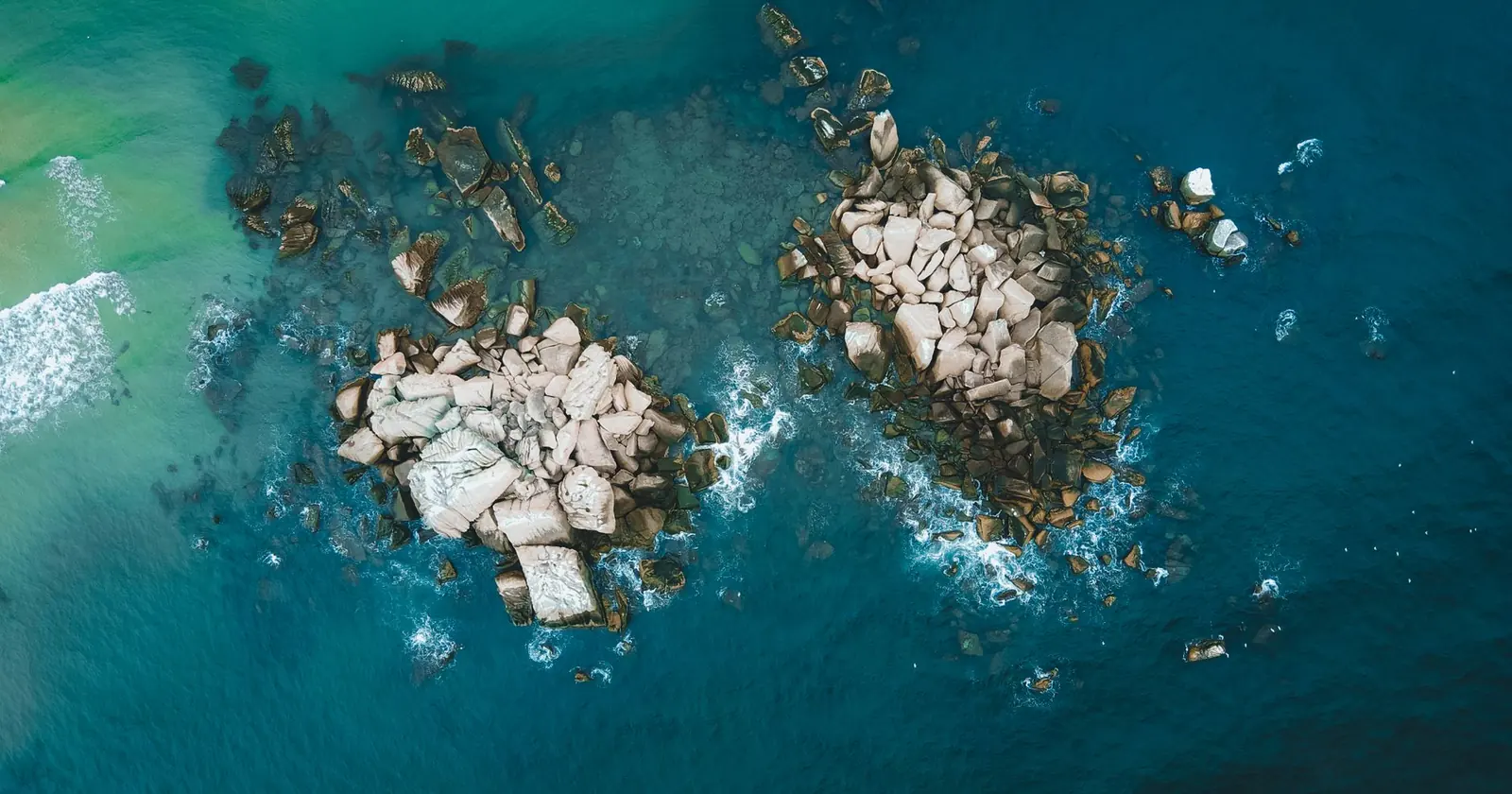
Photo: Pok Rie / Pexels.
Key takeaways
- Hard season: the Similan park is open only 15 Oct to 15 May; in 2026 it was closed from 16 May to 14 Oct for the monsoon. Best conditions are Dec to Apr.
- The DTV digital-nomad visa is genuinely open (since July 2024): 180 days per entry, ~500,000 THB funds, applied for from outside Thailand; the tourist visa plus extension is the fallback.
- Costs as of 2026 (verify): day trips from ~6,000 to 6,500 THB; liveaboards from ~18,000 THB (3 nights) to ~22,600 THB (4 nights), plus park fees and extras.
- Grades vary: easier Similan sites suit Open Water divers, but Richelieu Rock and Koh Bon can have current and reward Advanced divers with recent experience. Koh Tachai has been closed by the park department since 15 May 2016.
- No airport at Khao Lak: fly to Phuket (HKT) and transfer ~1 to 1.5 hours north; expect little to no connectivity for 3 to 6 days on a liveaboard.
The season: a hard mid-October to mid-May window
Mu Ko Similan National Park is open 15 October to 15 May every year, per the Department of National Parks. In 2026 the park was closed from 16 May to 14 October, through the entire monsoon; the department's season opens on 15 October. During the closure you cannot visit the islands at all; it is a legal park closure, not a soft recommendation.
The Thai Department of National Parks confirms the exact reopening date only about one to two weeks in advance, so trips in late October and early May carry some uncertainty. Book those shoulder dates with flexible operators.
For the best conditions, aim for December to April, when the Andaman is typically calmest and visibility is at its best (often 20 to 30 meters). Early and late season can still be excellent but with more variable seas. Treat Khao Lak as a seasonal dive expedition, not a year-round destination.
The diving: what you actually see, and how hard it is
The Similans are known for dramatic granite boulder swim-throughs on the west sides and gentle coral gardens on the east, plus the marine park draws further north: Koh Bon (manta rays) and Richelieu Rock, a horseshoe-shaped pinnacle famous for whale shark and seahorse sightings. Reef fish, schooling barracuda and healthy hard coral are the everyday reward.
Koh Tachai, which some operators still name on their northern routes, has been closed by the Department of National Parks since 15 May 2016 to let it recover, and the Tourism Authority of Thailand's listing extends the closure to the island's beach and coral reef. In April 2025 the department said it was preparing a reopening but had set no date, and none had been announced as of October 2026. If an itinerary still lists a Tachai dive, ask the operator what exactly is permitted this season.
On grades, be realistic. Day trips and the easier Similan sites suit Open Water divers, but the star sites can carry noticeable current, and liveaboards pack in three to four dives a day well offshore. Advanced Open Water, recent logged dives and solid buoyancy make the trip far more enjoyable and safer. If you are newly certified or rusty, start with a day trip or ask for a check dive.
Whale shark and manta encounters are seasonal and never guaranteed; anyone promising them is overselling. Nitrox is widely available and worth it for repetitive diving.
On the Similan reefs your camera depends on your logbook: a 2025 Thai rule lets a scuba diver take photos only with an Advanced-level course or at least 40 dives, according to Thairath and Thai PBS.
Liveaboard vs day trip, and rough 2026 costs
The northern sites (Koh Bon, Richelieu Rock) are far from shore and realistically only reachable by liveaboard, which is why most serious divers choose one. Day trips from Khao Lak reach the closer Similan sites and are the flexible, lower-commitment option.
As of 2026 (always verify with the operator), day trips with two dives start around 6,000 to 6,500 THB including transfer, equipment and lunch. Liveaboards start near 18,000 THB for 3 days/3 nights (around 11 dives) and about 22,600 THB for 4 days/4 nights (around 14 dives). These are entry-level starting prices; premium boats, private cabins, Nitrox and gratuities push the total up.
Budget separately for National Park entry fees, gear rental if not bundled, and travel insurance that explicitly covers scuba diving to your planned depth.
Getting to Khao Lak and the Similans
There is no airport at Khao Lak. The standard route is to fly into Phuket International (HKT), then take a road transfer north; Khao Lak is roughly 75 to 90 km away, about 1 to 1.5 hours by car depending on traffic and pickup point. Private transfers and shared minivans are both easy to arrange.
From elsewhere in Thailand you can also reach Phuket or nearby by bus, or fly domestically into Phuket and transfer. Liveaboards typically depart from Thap Lamu pier near Khao Lak, and many include a pier transfer from your hotel, so confirm the meeting point when you book.
Build in a buffer day before any liveaboard departure. Missing the boat is expensive, and you should not fly within 18 to 24 hours after your last dive, so plan your outbound flight accordingly.
Connectivity and basing yourself
Khao Lak is a relaxed resort town rather than a digital-nomad hub. On the mainland, Thai mobile data (a local eSIM or SIM) and resort wifi are generally reliable for video calls and normal remote work, though there is no meaningful coworking scene and the town is quieter and dive-season-driven.
Set expectations for the water itself: on a multi-day liveaboard you should assume little to no usable connectivity for 3 to 6 days at sea. Tell clients or teammates in advance and treat trips as offline time.
Many remote workers base in Phuket, which has the nearest airport, coworking spaces and a larger nomad community, and run Khao Lak and the Similans as a focused dive trip; Khao Lak vs Phuket weighs the two bases against each other. If you want a longer legal stay to catch the whole season, that is where the DTV visa comes in.
The visa: the DTV is real, plus the fallback route
Good news for anyone wanting to base in Thailand for the dive season: the Destination Thailand Visa (DTV) is genuinely open and operational, launched in July 2024, not just announced. It is a 5-year multiple-entry visa granting 180 days per entry, extendable once on the ground by another 180 days at an immigration office.
The remote-work category is for people working for foreign employers or foreign clients (a Thai work permit is not included and local employment is not allowed). Expect to show proof of income and roughly 500,000 THB in savings, with a fee near 10,000 THB, applying from outside Thailand via the official Thai e-Visa portal. Verify the current requirements and fee on the official portal before you rely on any figure here.
If you do not qualify, plan around the visa exemption: since 15 September 2026 it gives most nationalities up to 30 days for tourism only, far short of a seven-month season, according to the UK Foreign Office and the Tourism Authority of Thailand. Do not build a plan around any visa that is not confirmed open.
FAQ: Khao Lak (Similan)
When is the Similan Islands diving season, and why does it close?
Mu Ko Similan National Park is open 15 October to 15 May every year; in 2026 it was closed from 16 May to 14 October, through the monsoon. The park authority sets the exact reopening date and announces it only a week or two ahead, so book flexible for late October and early May. Peak visibility and calmest seas are usually December to April. Outside these dates you cannot legally visit the islands at all, so this is a hard seasonal trip, not a year-round base.
Can I use the Thailand DTV visa to stay while diving here?
Yes. The Destination Thailand Visa (DTV) is genuinely open and operational (launched July 2024), not merely announced. It is a 5-year multiple-entry visa giving 180 days per entry, extendable once by another 180 days at an immigration office. You apply from outside Thailand through the official Thai e-Visa portal, and the remote-work category requires proof of income and around 500,000 THB in savings, with a fee near 10,000 THB (verify current figures on the official portal). If you do not qualify, note that since 15 September 2026 the visa exemption gives most nationalities only up to 30 days for tourism, far short of a seven-month season.
How much does diving the Similans cost in 2026?
As of 2026 (verify with operators), day trips from Khao Lak with two dives start around 6,000 to 6,500 THB including transfer, kit and lunch. Liveaboards start near 18,000 THB for a 3-day/3-night trip (about 11 dives) and around 22,600 THB for 4 days/4 nights (about 14 dives). Add National Park fees, gear rental if not included, Nitrox, and gratuities. Premium boats and private cabins cost considerably more, so treat these as entry-level starting prices.
Do I need to be an experienced diver?
For day trips and shorter liveaboards, an Open Water certification is generally fine, and some sites are gentle. But the marquee spots (Richelieu Rock, Koh Bon) can have real current, and liveaboards mean multiple dives a day far from shore, so Advanced Open Water plus recent experience and good buoyancy make a big difference. If you are rusty, do a check dive or a day trip first, and be honest with the operator about your logged dives.
Is Khao Lak a good digital-nomad base?
It is a quiet resort town, not a nomad hub like Phuket or Chiang Mai. Mainland mobile data and resort wifi are generally solid for calls and normal remote work, but there is no real coworking scene and the town largely revolves around the dive season. On a liveaboard expect little to no connectivity for 3 to 6 days at sea. Many nomads base in Phuket (about 1 to 1.5 hours south, with the nearest airport and coworking) and treat Khao Lak and the Similans as a dedicated dive trip.
Yannick Schroth
Founder of NOMADREEF and a PADI Advanced Open Water diver who has dived in Thailand, the Philippines and Indonesia. This guide combines that experience with current research and cited sources. About the author · LinkedIn ↗
Sources
- Corrected 13 October 2026. An earlier version of this page listed Koh Tachai among the northern Similan dives without saying that the Department of National Parks has kept the island closed since 15 May 2016, and said the park “closes on 15 May” for 2026 and reopens “around mid-October”. The 2026 closure ran 16 May to 14 October, and the park is open 15 October to 15 May every year.
- Koh Tachai closed since 15 May 2016; reopening being prepared, no date announced. Department of National Parks, Wildlife and Plant Conservation, news of 7 April 2025, news.dnp.go.th. Read 13 October 2026.
- Ko Ta Chai, island, beach and coral reef, closed until further notice. Tourism Authority of Thailand, tatnews.org, published 7 July 2023. Read 13 October 2026. An operator still naming Koh Tachai on its northern liveaboard route: Sunrise Divers, sunrise-divers.com, read 13 October 2026.
- Similan season, 15 October to 15 May every year. Department of National Parks, news of 7 August 2026, news.dnp.go.th. The 2026 closure, 16 May to 14 October. Office of Natural Resources and Environmental Policy and Planning, 22 May 2026, onep.go.th. Both read 13 October 2026.
- Official Thai e-Visa portal and ThaiEmbassy DTV guidance (2026)
- Khao Lak Explorer dive center price list (2026)
- Similan Diving Tours liveaboard price and trip-length pages
- DiveHappy Similan Islands 2026 guide
- Phuket airport transfer operator listings (Khao Lak)
- Thailand's 2025 coral-protection measure for dive businesses. Royal Gazette notice of 22 April 2025 (text not readable to us), as reported by Thai PBS, 24 April 2025, Thai PBS Policy Watch, summary of the measure, and Thairath, on the camera rule. Read 10 November 2026.
- Visa exemption from 15 September 2026. UK Foreign Office, Thailand entry requirements; Tourism Authority of Thailand, news of 1 September 2026. Read 10 November 2026.