Hurghada Diving: 90 Operators and What a Licence Proves
 by Yannick Schroth
Sep 14, 2026
6 min read
by Yannick Schroth
Sep 14, 2026
6 min read
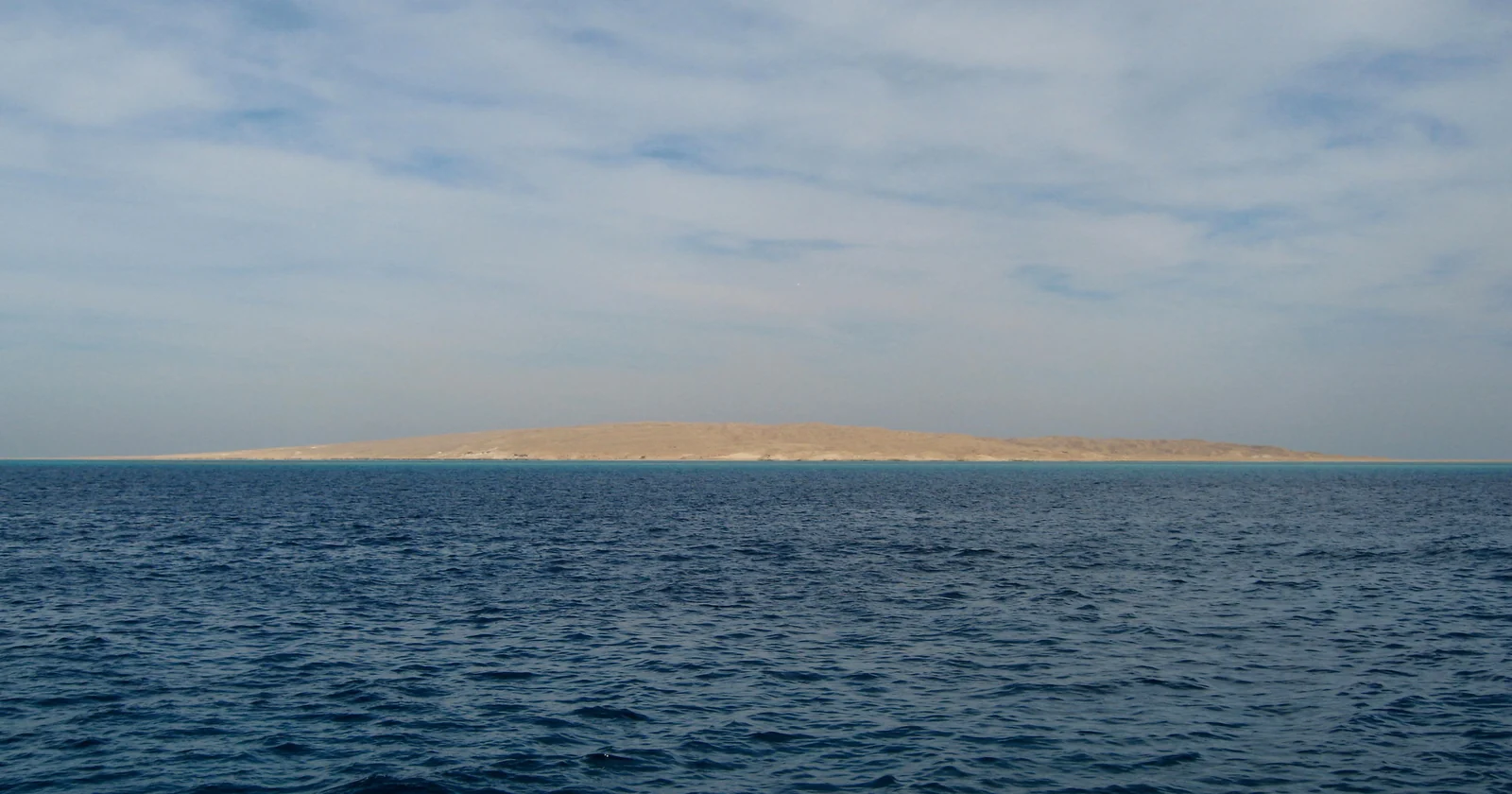
Photo: V Manninen, Wikimedia Commons, CC BY 2.0.
.jpg)
Key takeaways
- Every one of the 90 rests on at least one register, 61 on a licence alone, 22 on a training register alone, and only 7 on both. A business with a licence and no agency listing is normal here, not a warning sign.
- A licence says the business may trade. It says nothing about the diving. That distinction is the whole point of this page, and it is the one travel copy collapses.
- Zero Green Fins members. Across the places we compile, Hurghada is the largest list with no in-person environmental assessment at all.
- Only 26 of the 90 publish a working website. Most of this town is booked through hotels and agents rather than directly, which is worth knowing before you plan to compare shops online.
- The South Sinai visa exemption does not cover Hurghada. It is a Sharm El-Sheikh arrival rule, and people arrive here expecting it to apply.
Two registers, two different claims
The Hurghada operator list is built from two kinds of source, and the difference matters more than the total.
68 businesses carry an Egyptian licence number from the Chamber of Diving and Water Sports. The Chamber was “founded by Egypt's Ministry of Tourism in 2007” and describes itself as “exclusively the sole inspection and auditing body in Egypt and the official representative for the diving and water sports sector on local and international levels”, with the stated goal “to improve quality, safety and standard of services in the diving and water sports industry, as well as to preserve the unique environment of the Red Sea”.
29 appear in a training body's own register of affiliated centres, 22 in SSI, 5 in IKO, 2 in VDWS. That entry says the body publishes this business as affiliated, on the date we read it, and links to the page it was read from.
Only 7 of the 90 appear in both. That is the fact to hold on to: the two registers barely overlap, so a business missing from one of them is telling you almost nothing. A shop with a licence and no SSI listing may teach under an agency that publishes no list at all; a shop in the SSI register without a licence number here may simply not have matched by name when the two were compared.
What an Egyptian diving licence proves, and what it does not
Membership of the Chamber is how a diving business is registered to trade in Egypt, which is a real and checkable thing: the number is public, and you can ask for it. It is also the outer limit of what the number says. It is not a statement that the boat is maintained, that the briefing is good, that the guide ratio is sane, or that anyone has looked at the compressor this season.
We say that plainly because the alternative is the industry norm, where a licence logo in a website footer is presented as a quality mark. On our list each field carries its own evidence level and the date it was read, so you can see which claims rest on a register and which rest on the business's own words. The distinction is explained in how we check an operator.
The other half of it is the gap. Not one of the 90 carries a Green Fins assessment, which is the only widely used check in this industry performed in person by a trained assessor rather than claimed by the business. Neighbouring Dahab has the same absence. In Southeast Asia the picture is different, and you can see the contrast on a page like Koh Lanta, where every member of the local register carries an in-person assessment from the last twelve months.
What the training registers add that a licence cannot
The 29 register entries carry something the licence number does not: what a body rates the centre for. SSI publishes a programme label per centre, and on this list 11 of the 22 SSI entries carry one, 6 for freediving, 5 for Extended Range, 4 for rebreather, one each for mermaid and for instructor training in Extended Range and rebreather. Several hold more than one.
Read that carefully, because it is easy to over-read. A programme label means SSI rates the centre for it. It does not mean a course runs this week, that an instructor is on site, or that the equipment is there; and a centre without the label may still teach the thing under another agency that publishes no list. What the label is good for is the opposite direction: if you want a rebreather or a deep course, the four or five centres with the rating are a better starting point than ringing round ninety.
The kite side of town is thinner and works the same way. Five schools appear in the IKO register, and IKO publishes a tier with each: three Plus, one Basic and one Free. The tier describes the school's standing in that scheme and nothing about the beach, the wind or the gear.
The buoys are the reason the reef is still there
One thing about diving here does have an independent, documented history, and it is not a certificate. It is the mooring system.
The Hurghada Environmental Protection and Conservation Association states that “Since its foundation in the early 1990's HEPCA has been responsible for developing, installing and maintaining a boat mooring system” and that it has done so by “installing over 1000 buoys throughout the Red Sea”. The reason is mechanical rather than sentimental: “Physical damage to coral reefs from anchors is a well documented marine resource protection problem. When boats attach their anchors to a reef, the action of attachment and the pressure on the chains caused by swell underwater can rip reefs apart and destroy the delicate marine life.”
That is a useful thing to watch for from the deck, and it needs no expertise. A boat that ties to a mooring is using the system. A boat that drops an anchor onto a reef in a place with over a thousand buoys is making a choice. You will see both.
Egypt's visa on arrival, and the Sinai exemption that does not cover Hurghada
Hurghada catches people out with a rule that belongs to a different coast. The UK Foreign, Commonwealth and Development Office, describing Egyptian entry requirements for its own travellers, sets out the exemption precisely: “If you are arriving by air to Sharm El-Sheikh and staying for less than 15 days at resorts in Sharm El Sheikh, Dahab, Nuweiba or Taba, you do not need a visa.” Hurghada is on the other side of the Red Sea and is not in that list.
For an arrival here the same source describes the ordinary routes. At approved airports there are “kiosks before you reach the immigration counters where you can buy a physical visa for 30 US dollars (cash only)”, and “Visas on arrival are valid for up to 30 days”, while “tourist e-visas are valid for up to 3 months”. The passport requirement is the usual trap for anyone travelling at the end of a passport's life: it “must have an ‘expiry date’ at least 6 months after the date you arrive”.
That is a second government describing another country's rules to its own citizens, which makes it a well-maintained reading rather than the Egyptian authority itself. Check the current requirement for your own nationality before you fly.
How to use the Hurghada operator list
The practical value of 90 records is not the number. It is that each one shows what is behind it: a licence number you can quote, a register entry you can open, a website with the date it was checked, or an explicit blank. Sorting a town this size by evidence is something no booking page does.
If you are choosing between Egyptian bases rather than businesses, the comparisons are the better starting point: Sharm vs Hurghada and Hurghada vs Marsa Alam.
FAQ: Hurghada diving
How many dive operators are there in Hurghada?
This list carries 90 dive and watersports businesses, checked 13 September 2026. That is what two registers publish for the town, not a count of every business trading there: 68 appear in the Egyptian licence register and 29 in the SSI, IKO or VDWS registers of affiliated centres.
What does a CDWS licence number prove?
That the business is registered to trade with the body Egypt's Ministry of Tourism founded in 2007, which describes itself as the sole inspection and auditing body for the sector. It is not a statement about how the business dives, what its equipment is like, or who is on the boat.
Do I need a visa for Hurghada?
Yes. The exemption that lets some visitors skip one applies to arrivals by air at Sharm El-Sheikh staying under 15 days in Sharm El Sheikh, Dahab, Nuweiba or Taba. Hurghada is not in it, so plan on a visa on arrival or an e-visa. The rules differ by nationality, so check yours.
Are Hurghada dive centres checked by Green Fins?
None of the 90 on our list. Green Fins assessments are made in person by trained assessors, and no member in Hurghada was in it on 13 September 2026. That is an absence of the check rather than a finding against any business.
Writes NOMADREEF and compiles its operator directory. This guide is desk research from published registers, not a trip report, and says so at the top. About the author
Sources
- What the Egyptian licence body says about itself. Chamber of Diving and Water Sports: “founded by Egypt's Ministry of Tourism in 2007”; “CDWS is exclusively the sole inspection and auditing body in Egypt and the official representative for the diving and water sports sector on local and international levels”; founded “with a goal to improve quality, safety and standard of services in the diving and water sports industry, as well as to preserve the unique environment of the Red Sea”. cdws.travel. Read 14 September 2026.
- The mooring system and why anchors matter. Hurghada Environmental Protection and Conservation Association: “Since its foundation in the early 1990's HEPCA has been responsible for developing, installing and maintaining a boat mooring system”; “installing over 1000 buoys throughout the Red Sea”; “Physical damage to coral reefs from anchors is a well documented marine resource protection problem. When boats attach their anchors to a reef, the action of attachment and the pressure on the chains caused by swell underwater can rip reefs apart and destroy the delicate marine life.” hepca.org. Read 14 September 2026.
- Entry rules, from a second government's reading of them. UK Foreign, Commonwealth & Development Office, Egypt travel advice, entry requirements: “If you are arriving by air to Sharm El-Sheikh and staying for less than 15 days at resorts in Sharm El Sheikh, Dahab, Nuweiba or Taba, you do not need a visa”; approved airports have “kiosks before you reach the immigration counters where you can buy a physical visa for 30 US dollars (cash only)”; “Visas on arrival are valid for up to 30 days”; “tourist e-visas are valid for up to 3 months”; the passport “must have an ‘expiry date’ at least 6 months after the date you arrive”. gov.uk. Read 14 September 2026.
- Counted from the registers above and from the SSI, IKO and VDWS registers of affiliated centres, read 13 September 2026. Every figure on this page is recorded per business on the Hurghada operator list, which is where the readings are kept rather than the evidence for them.