Cumbuco, Brazil for Digital Nomads & Kitesurfers: A 2026 Base Guide
 by Yannick Schroth
Jul 29, 2026
12 min read
by Yannick Schroth
Jul 29, 2026
12 min read
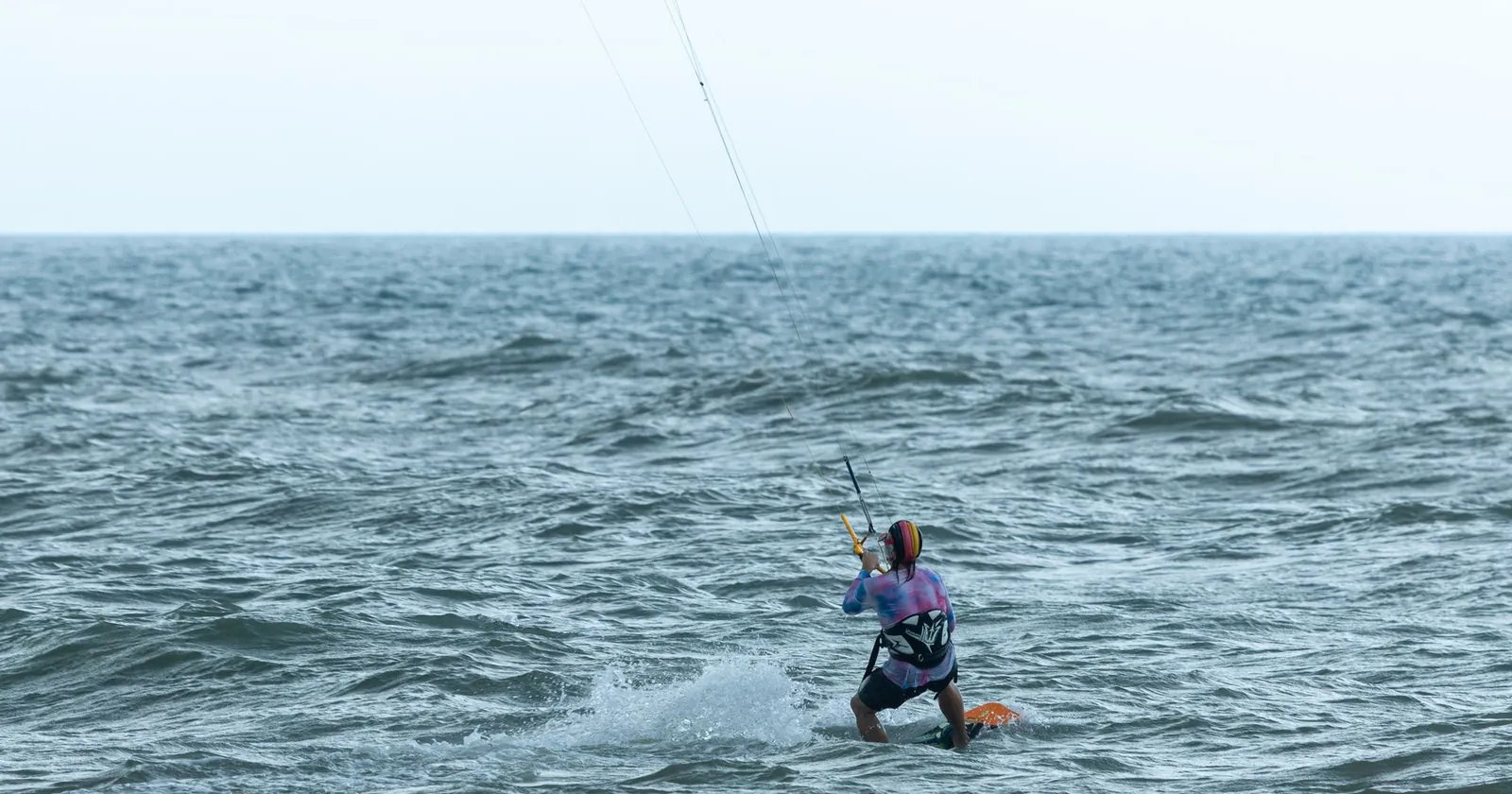
Photo: Serg Alesenko via Pexels (free license).
Figures are indicative and "as of 2026"; verify prices and visa rules before you rely on them.
Key takeaways
- Best for: reliable trade-wind kitesurfing with easy access and warm water.
- Think twice if: you want wind outside the July to December season.
- Cost: roughly $1,000 to $1,900 a month; near Fortaleza keeps it practical.
- Wind: relentless in season, roughly July to December; warm water year-round.
- Visa: Brazil's Digital Nomad Visa (~$1,500/mo), or tourist entry (check e-visa).
Why Cumbuco works (and doesn't) for a nomad who kites
On the Ceará coast of north-east Brazil, a short drive from the city of Fortaleza, Cumbuco is one of the planet's premier kitesurfing bases. For a nomad who kites, it hits a sweet spot: relentless, reliable trade winds in season, warm water and sun, lagoons for learning, an endless coast of downwinders, and, being near a major city, better access and wifi than most remote kite spots. Brazil also has a real nomad visa. The main catch is that the wind is seasonal (mostly the second half of the year); off-season is quieter.
Kitesurfing Cumbuco and the Ceará coast
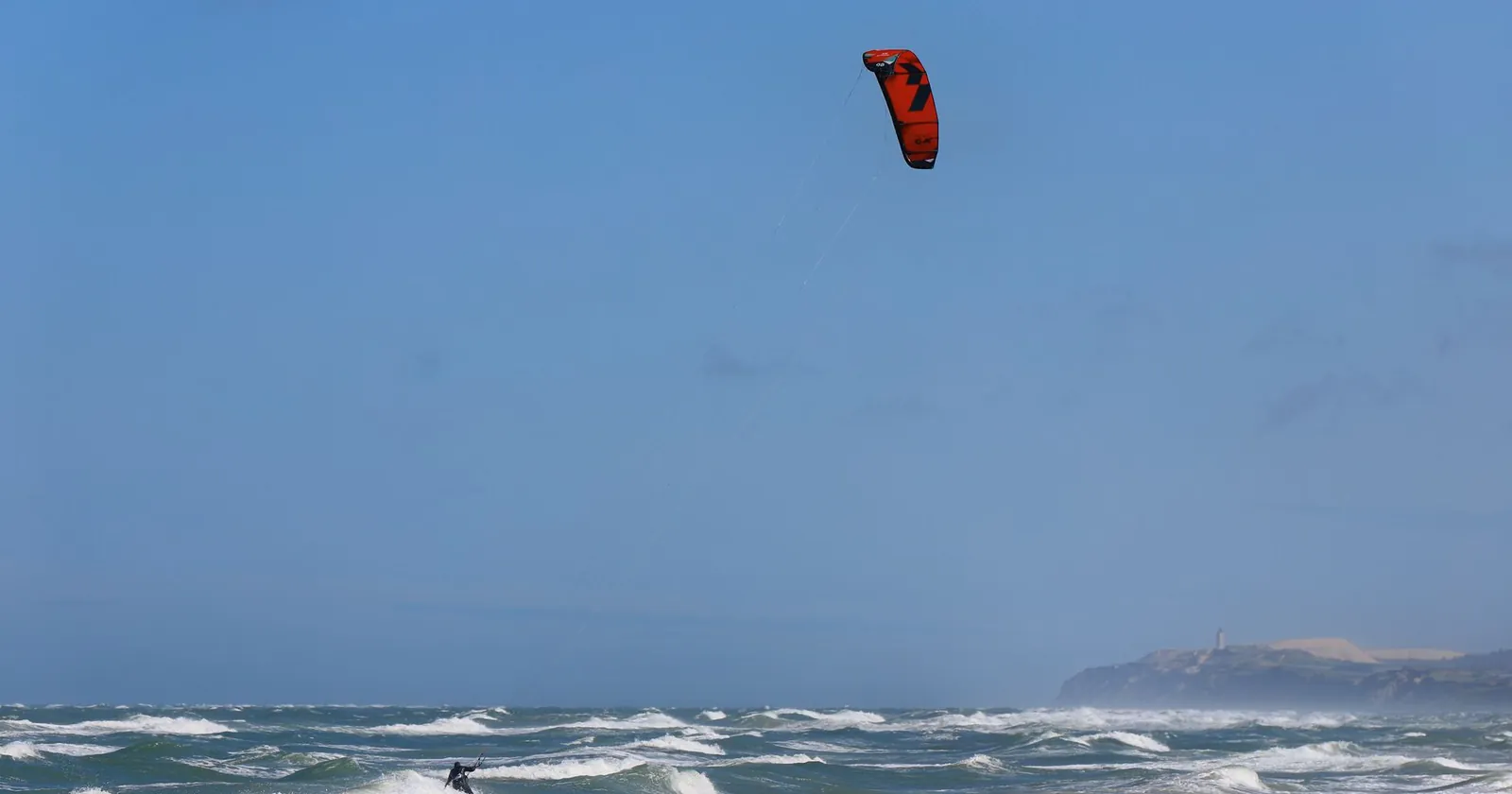
The region is a kitesurfer's playground. Cumbuco has a beach and a nearby lagoon (Cauípe) that is superb for learning and freestyle, plus open-ocean riding, and the trade winds are famously consistent in season. Beyond Cumbuco, the whole coast toward Jericoacoara is a chain of downwind spots. There are many kite schools and camps. The wind season runs broadly July to December. Read our how to learn kitesurfing guide before you go.
Beyond kiting: dunes, buggies and Fortaleza
Cumbuco is known for its sand dunes and buggy rides, and being near Fortaleza gives you a big-city backstop for shopping, healthcare and nightlife, plus an international airport. The wider region adds beaches, dunes and the famous village of Jericoacoara up the coast. It is an active, warm, sociable base.
Wifi and remote-work reality in Cumbuco
This is a Cumbuco advantage. Because it is close to Fortaleza, connectivity is generally better than at remote kite spots: pousadas, cafés and rentals commonly offer wifi, and Brazilian mobile data is widely available. Still check the specific accommodation's connection before a long booking and keep a local SIM or eSIM as backup, especially for video calls. We rate the data options in the eSIM guide. As of 2026.
Cost of living in Cumbuco
Costs are moderate and move with the exchange rate. A comfortable nomad month lands around $1,000 to $1,900, higher in peak wind season. Rough numbers:
| Item | Typical |
|---|---|
| Rental / pousada (monthly) | affordable to mid; confirm locally |
| Local Brazilian meal | a few dollars |
| Kite gear rental (day) | confirm locally |
| Transport to Fortaleza | cheap (short drive) |
To spend at the real exchange rate and avoid card fees, see the best bank account for nomads guide.
Visas: Brazil's nomad visa (and the e-visa catch)
Cumbuco is in Brazil, which has a Digital Nomad Visa: it typically requires around US$1,500 a month of foreign income (or about $18,000 in savings), health insurance and a clean record, and allows a stay of about a year, renewable. For shorter stays, many nationalities enter as tourists for 90 days (extendable). Note the catch: some nationalities, including US, Canadian and Australian citizens, need an e-visa even for tourism, so check your passport's requirement. Always confirm current rules with Brazilian authorities (the Federal Police / consulate).
Getting to Cumbuco
Fly into Fortaleza (FOR), an international airport, then it is a short drive (around 30 to 45 minutes) to Cumbuco; many pousadas arrange transfers. Rooms are on Booking.com (affiliate). Cumbuco is around an hour from Fortaleza and the lagoon downwinders start elsewhere, so book the transfer on GetTransfer (affiliate); kite trips are on Klook (affiliate).
Who Cumbuco suits, and who it does not
- Great if you want reliable trade-wind kiting with warm water, easy access via a big city, decent wifi and downwind adventures.
- Think twice if you want wind outside the July to December season, or a remote, undeveloped hideaway (that is more Jericoacoara).
A year with no seasons in it, and one question to ask about the rental bar
The light. Cumbuco sits at about 3°38′ South, close enough to the equator that the calendar barely touches the day. The US Naval Observatory's table runs from 11 h 55 min on 21 June to 12 h 20 min on 21 December, twenty-five minutes between the shortest and longest day of the year. Sunset falls between about 17:34 and 17:43 whatever the month.
For a working base that is unusual and useful. The trade wind fills in through the afternoon, so the session window sits in the back half of the day, at the same clock time in July as in January. There is no long summer evening to exploit and no short winter afternoon to plan around: the working day here can have exactly the same shape for twelve months. What varies is the wind, not the light.
And the kit. Cumbuco is a high-turnover rental town on a sandy, shallow coast, which makes one standard worth knowing. Since 14 February 2020, ISO 21853 has covered “quick-release systems on kite bars and safety leashes”, with a maximum release force of 170 N or less and an opening time of two seconds or less. The test conditions are the point: not only clean and dry, but in dry sand, in water with and without sand, and cold and wet, with certification carried out at the Fraunhofer Institute in Rostock. That is a description of a Ceará rental bar at the end of a busy season.
The question to ask, then, is not which brand the school runs but whether the bar you are handed postdates the standard. It is a fair question and a school that keeps its gear current will not mind it.
FAQ: living and kiting in Cumbuco
How much does it cost to live in Cumbuco as a digital nomad?
Budget roughly $1,000 to $1,900 a month for a comfortable lifestyle. Rentals, local Brazilian food and kite gear are reasonably priced, and being near the city of Fortaleza keeps supplies and services accessible. Costs rise in the busy wind season (roughly the second half of the year). Verify current prices, which also move with the exchange rate.
Why is Cumbuco (and Ceara) famous for kitesurfing?
The Ceara coast of north-east Brazil, including Cumbuco, gets remarkably relentless trade winds during its season, paired with warm water, sun and a mix of flat lagoons and open-ocean and downwind conditions. That reliability, plus lagoons ideal for learning and a whole coast of downwinders (toward Jericoacoara and beyond), makes it one of the world's premier kitesurfing regions.
When is the kitesurfing season in Cumbuco?
The main wind season on the Ceara coast runs roughly from July to December (broadly the second half of the year), when the trade winds are strongest and most reliable, this is peak kite season. Outside that window wind is lighter and less certain. The water stays warm year-round. Always check the current forecast, as seasons vary.
Do I need a visa to live in Cumbuco?
Cumbuco is in Brazil, which has a Digital Nomad Visa: it typically requires around US$1,500 a month of foreign income (or about $18,000 in savings), health insurance and a clean record, and allows a stay of about a year, renewable. For shorter stays, many nationalities enter as tourists for 90 days (extendable), though some (for example US, Canadian and Australian citizens) need an e-visa even for tourism. Confirm current rules with Brazilian authorities before you rely on this.
Is the wifi in Cumbuco good enough for remote work?
Generally yes, and better than at more remote kite spots, because Cumbuco is close to Fortaleza, a large city. Pousadas, cafes and rentals commonly offer wifi, and Brazilian mobile data is widely available. As always, check the specific accommodation's connection before a long booking and keep a local SIM or eSIM as backup, especially if you have a lot of video calls. Confirm before you rely on it.
Cumbuco or Jericoacoara for a nomad kiter?
Cumbuco is close to Fortaleza and its airport, with easier access, more infrastructure and more reliable connectivity, making it the more practical base for working while you kite. Jericoacoara (Jeri) is more remote and bohemian with a stunning setting but harder access and less dependable infrastructure. Many kiters do downwinders along the whole coast between them. For a work-and-kite base, Cumbuco is usually the easier choice.
Yannick Schroth
Founder of NOMADREEF and a former digital nomad who has based across Latin America, Asia and Europe. This guide is researched and cites its sources; the Brazil visa position (including the e-visa catch for some nationalities) was checked against entry guidance, and where we lack first-hand time in Cumbuco we say so. About the author · LinkedIn ↗
Sources
- Twenty-five minutes across a whole year. US Naval Observatory, Astronomical Applications Department, table of sunrise and sunset for an entire year. Cumbuco (S03 38, W038 44), 2027, zone UTC−3: 21 June rise 05:39, set 17:34 (11 h 55 min); 21 December rise 05:23, set 17:43 (12 h 20 min). aa.usno.navy.mil. Read 13 September 2026.
- The quick-release standard, and what it is tested in. Global Kitesports Association on ISO 21853:2020, in force “14th February 2020”, covering “quick-release systems on kite bars and safety leashes” with a “maximum release force (equal to or less than 170N) and opening time (equal to or less than 2 seconds)”, tested across dry and clean conditions, dry sand, water with and without sand, and cold and wet, and certified at the Fraunhofer Institute in Rostock. global-kitesports.org. Read 13 September 2026.
- Cumbuco / Ceará kitesurfing (Cauípe lagoon, trade winds, downwinders, season); IKO school network. ikointl.com.
- Brazil Digital Nomad Visa (~US$1,500/mo income or ~$18,000 savings) and tourist-entry / e-visa rules. Confirm with Brazilian Federal Police / your nearest consulate.
- Our own best kitesurfing destinations roundup.