Where to Go in November: Best Watersports Bases
 by Yannick SchrothAug 5, 20267 min read
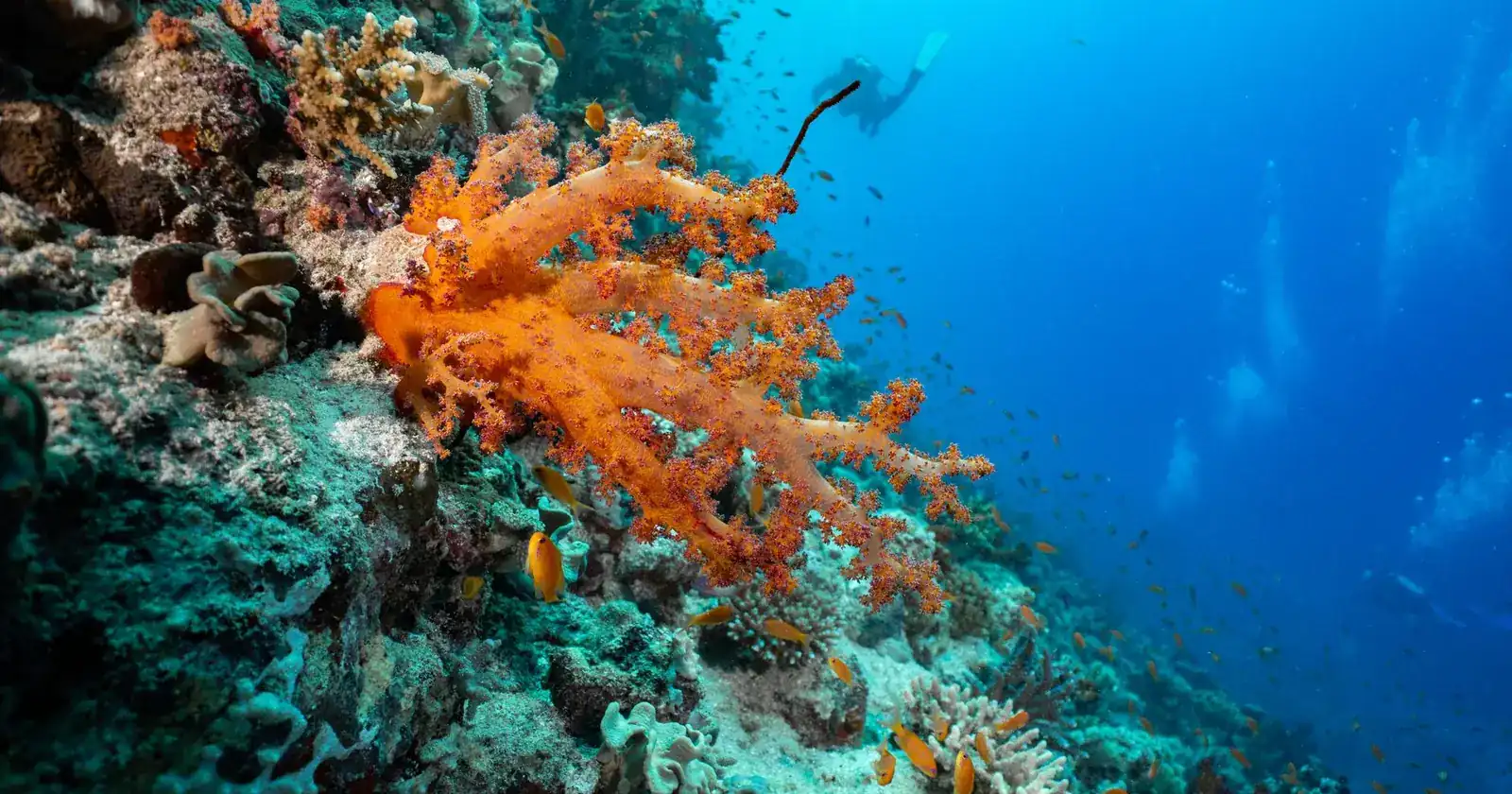
Photo: Saad Alaiyadhi via Pexels (free license).
For the checked numbers and their sources, follow the guide for that place.
What November gives you on the water
November is the north-east monsoon taking over, so what matters is which coast works, not which country. Thailand's Andaman side opens, the Gulf side shuts, and the Caribbean season begins as hurricane risk drops. Every base here is on the list because its own guide names November as part of its working window.
Sri Lanka south coast
The main south-coast surf season runs roughly November to April, alongside the Mirissa whale-watching window.
Season startsRead the guide → 10°56′N 108°17′E · KitesurfingMui Ne
Peak kite wind runs roughly November to April, when the northeast monsoon commonly blows 18 to 30 knots.
Peak kite windRead the guide → 11°58′N 121°55′E · KitesurfingBoracay
The Amihan starts around November and runs to April, delivering steady side-onshore wind to Bulabog.
Amihan returnsRead the guide → 16°36′N 22°56′W · KitesurfingSal, Cape Verde
The northeast trades blow steadily from roughly November to June.
Trades returnRead the guide → 9°33′N 123°46′E · DivingPanglao, Bohol
The dry season runs roughly November to May, peaking December to March, with calm seas and peak visibility.
Dry season opensRead the guide → 12°00′N 120°12′E · Wreck divingCoron, Palawan
The reliable wreck-diving window is the dry season, roughly November to May.
Wreck seasonRead the guide → 20°52′N 105°26′W · SurfSayulita
The dry season runs roughly November to April, with bigger, more consistent swell.
Bigger swellRead the guide → 13°37′N 123°11′E · Wake parkCamSur (CWC)
The dry season, roughly November to May, brings Bicol's most reliable sunshine and calm cable conditions.
Dry seasonRead the guide →Also good in November
- La Ventana, as the El Norte wind starts its November to March run.
- Tulum and Cozumel, both entering their November to April dry window.
- Jericoacoara, often windiest in November.
The month two seasons change hands
November is a handover, and on this list it is the Philippine handover that matters, because Boracay, Panglao, Coron and CamSur all sit inside it. PAGASA's year ends its rainy season in November and opens the dry season in December, with the cool dry stretch running December to February. November is therefore the last month of the wet half and the first month that starts to feel like the season people book for: the northeast wind filling in at Bulabog before the rain has quite finished.
The typhoon basin hands over on the same schedule. The Japan Meteorological Agency's 1991–2020 normal for November is 2.2 tropical storms or stronger, down from 5.0 in September and 3.4 in October, and on the way to 1.0 in December and 0.3 in January. That is not zero, but it is roughly a third of August's rate, which makes November the first genuinely comfortable month of the Philippine season rather than the safest one.
On the other side of the world the same date closes the Atlantic: 30 November, with the average season's fourteenth and last named storm dated 19 November. Sayulita's winter swell window opens as that one shuts.
FAQ: Watersports Destinations in November
Where should I go in November for guaranteed wind?
Mui Ne is the most dependable of the November starters: peak kite wind runs November to April. Boracay's Amihan also fills in, Sal's northeast trades return for the November to June season, and Jericoacoara is often at its windiest.
Is November good for diving in the Philippines?
Yes, it is the start of the dry season. Panglao runs November to May with peak visibility December to March, and Coron's reliable wreck-diving window is roughly November to May. Both quiet down again with the June to October habagat.
Sources
- The Philippine handover. PAGASA, Climate of the Philippines: “(1) the rainy season, from June to November; and (2) the dry season, from December to May”, with “the cool dry season, from December to February”. Mean annual rainfall varies from 965 to 4,064 millimetres. pagasa.dost.gov.ph. Read 12 September 2026.
- The typhoon count coming down. RSMC Tokyo – Typhoon Center, Japan Meteorological Agency, monthly tropical cyclone numbers since 1951. Normals 1991–2020: November 2.2, after 5.0 in September and 3.4 in October, before 1.0 in December. jma.go.jp. Read 12 September 2026.
- Each entry links to our full guide for that place, and those guides carry the external sources and read dates behind the claims summarised here. They are where the readings are recorded, not the evidence for them: Sri Lanka, Mui Ne, Boracay, Sal, Cape Verde, Panglao, Bohol, Coron, Palawan, Sayulita, CamSur Watersports Complex (CWC).