Sal, Cape Verde: A Kitesurfing Nomad Base
 by Yannick Schroth
Aug 1, 2026
8 min read
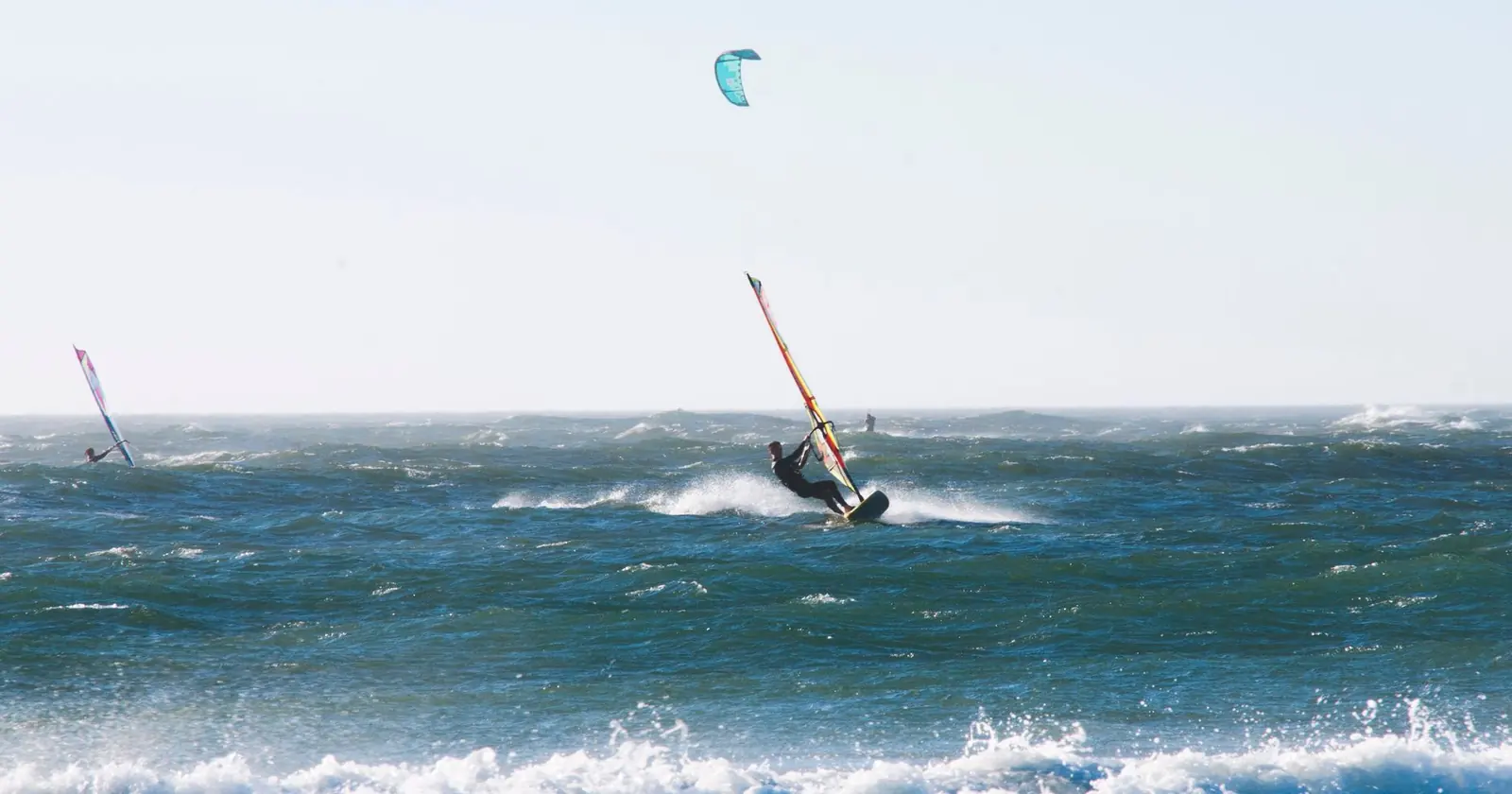
Photo: Elizabeth Liebenberg / Pexels.
Figures are indicative and "as of 2026"; verify prices, seasons and visa rules before you rely on them.
Key takeaways
- Kitesurfing season is roughly November to June on the northeast trades, strongest in February to March, when 12 knots or more comes in about 90% of daytime model hours (our calculation from ERA5, 2015 to 2024); summer wind is unreliable.
- Kite Beach is about a 5-minute drive from Santa Maria, according to ION Club, which calls it the place to learn and progress; the beach in front of town is side-offshore and for experienced riders only.
- Sal is mid-cost, not cheap: budget about €800 to €1,200 a month, with low rent but high desalinated-water and imported-fuel utility bills.
- The remote-work visa is real and operational (6 months, renewable for another 6), applied for online; every visitor also pre-registers on EASE and pays the 3,400 CVE airport security tax, and since 1 January 2026 some nationalities need a visa before arrival, so check your passport on ease.gov.cv.
- Wifi in Santa Maria is workable (fiber ~50 to 200 Mbps) but wobbles at peak hours and with power dips, so keep a mobile eSIM or backup-power coworking spot as failover.
The wind season: when to come
Sal runs on the northeast trade winds, which blow steadily from roughly November to June. That is your window as a kitesurfing base. The strongest wind lands in February and March. We calculated it from the ERA5 weather model, 2015 to 2024, daytime hours only, for a cell about 15 km from Santa Maria: the mean is 16.8 knots in February and 16.3 in March, and about 90% of hours in both months reach 12 knots or more. April and May stay steady at 89%, then the share falls to 34% in July and 28% in August. If wind is the whole point of your stay, the first half of the year is when to book. A 25 km model cell cannot see a single beach, so treat these shares as a guide to the season, not a promise for the sand.
Sal's windy months run almost opposite to those of Le Morne in Mauritius, the other big island kite base for remote workers; our Cape Verde vs Mauritius comparison puts the two seasons side by side.
July to October is the off-season for wind: lighter, less consistent, more humid, with a small chance of unsettled weather. You can still find days, but you cannot plan a work-and-ride rhythm around them. A long summer base here is a gamble, so treat those months as a beach-and-work stay rather than a kite trip.
Whatever the calendar says, check a forecast source such as Windguru against your actual dates before committing, because trade-wind strength varies season to season and no guide can promise wind on a given week.
The sport scene: Kite Beach and Santa Maria
The hub is Santa Maria, a small former fishing town on Sal's south coast, with the main action at Kite Beach. ION Club, which runs a center on Santa Maria beach, puts Kite Beach “only 5 minutes drive” away and describes it as “the ideal place to learn and progress, or have fun in the waves”. The beach in front of town is a different story: the club says it is “dominated by a side-offshore wind, only suitable for experienced kitesurfers”, which is why its lessons run from Kite Beach.
There is an established cluster of kite schools and rental operators around Santa Maria and Kite Beach, so lessons, gear storage, and rescue cover are easy to arrange without shipping your own kit. Because this is a real destination scene rather than a fringe spot, expect it to get busy in peak season; early sessions are calmer.
Conditions suit a range of levels, but the Atlantic is still the Atlantic. Newer riders should take a lesson to learn the local launch, and nobody should rig or ride alone. Confirm your travel insurance actually covers kitesurfing, as many standard policies exclude it.
Cost of living in Sal
Sal is mid-cost by nomad standards, not a bargain island. As a rough 2026 range to verify locally, many nomads report a comfortable all-in budget of about €800 to €1,200 per month, with lighter setups possible and comfort-plus lifestyles higher. Rent is the friendliest line item: a Santa Maria studio can start near €125 to €150, and a solid one-bedroom in a good area often runs €400 to €650.
The sting is utilities and imported goods. Water is desalinated and electricity leans on imported fuel, so power and water bills are high, and running air conditioning can add roughly $90 to $130 a month on its own. Imported groceries and restaurant meals climb faster than the cheap rent would suggest, so build a realistic food budget rather than assuming island-cheap prices.
Set aside the one-off and recurring travel costs too: the airport security tax on arrival and any visa renewal fees are small but real, and flights on and off the island are a meaningful part of the true cost of basing here.
Internet in Santa Maria: what the fibre actually delivers
For most remote work Santa Maria is workable, but manage your expectations. Fiber in newer developments and hotels commonly sits in the 50 to 200 Mbps range, and mobile LTE from CV Telecom and Unitel T+ is usable at roughly 15 to 40 Mbps in town. That is fine for calls, docs, and normal upload needs.
The caveat is stability. Users report slowdowns during peak tourist hours and occasional power dips that take connections down with them, which is why coworking spaces and better accommodation advertise backup power as a selling point. If you have hard video-call obligations, book a place with confirmed fiber, not a hopeful listing photo, and keep a mobile eSIM or local SIM as failover.
Starlink has been operational in Cape Verde since late 2024, which is a meaningful backstop if you end up somewhere with weak fixed-line service. For a kite base, though, most people get by on a fiber apartment plus a mobile data plan for redundancy.
Entering Cape Verde: who can enter without a visa
Whether you need a visa for a short stay depends on your passport, and the list changed this year. The government's EASE portal says that “as of January 1, 2026, nationals of the following countries” on its published list must obtain an entry visa “prior to their arrival in Cabo Verde”, and Cabo Verde's tourism site links the full visa-exemption list from the same platform. Check your own nationality on ease.gov.cv before you book, as of October 2026.
Everyone flying in pre-registers on EASE and pays the Airport Security Tax (TSA), which is 3,400 CVE on international flights. The official pages do not agree on the euro equivalent: the visa and immigration guide on visit-caboverde.com says “around 30 euros”, while the Remote Working Program box on the same site lists an “Airport fee 34€/person”. The escudo figure is the one to rely on. The same guide says you pay when you pre-register, or at the airport in cash or by card, “although an additional fee may apply”.
For a longer base, Cape Verde has a genuinely operational remote-work program, not a merely announced one. The official Remote Working Program page describes “a temporary work/tourism visa lasting 6 months, with the opportunity of renewal for another 6 months”, meant “for people who are self-employed and who are able to work remotely”, and open to applicants from Europe, North America, the Portuguese-speaking CPLP and the West African ECOWAS (CEDEAO) countries. The money test is a minimum average bank balance over the last six months of €1,500 for an individual or €2,700 for a family. You also need “travel and health insurance with coverage for evacuation and body transportation in the case of death”, and the costs listed are a 20€ visa fee per person plus the airport fee. The page states that “remote workers in Cabo Verde are exempt from income tax”. Parts of that page look dated (it still lists a COVID-19 requirement), so confirm the details with the program before you apply.
The official application runs through an online form rather than a polished government e-visa portal, and the EASE airport registration is a separate step. That is workable, but it means you should confirm the current procedure and fees directly on the official Cape Verde tourism/immigration channels close to your travel date, and never assume the program status from a third-party blog. If you only need a few weeks, a short stay under the entry rule for your passport plus EASE is the simpler path.
You register before you fly, and you pay before you land
Cape Verde does not stamp most European passports with a visa any more. It replaced that with something easier to miss: a compulsory pre-registration and a tax, both handled before you travel.
The EU delegation's travel notice describes the scheme in one line, visitors “pre-register and pay an airport security tax of 3400 escudos”, and it applies to all non-resident visitors, not only to those who would once have needed a visa. You can do it “online up to 5 days prior to your flight, at www.ease.gov.cv”, at a travel agency, or “upon arrival at the airport”, where the notice warns of “queues possible”. Visa exemption itself covers the EU member states plus Switzerland, Liechtenstein and Norway.
For a kite trip that matters twice. The five-day window sits awkwardly with cheap last-minute flights chasing a forecast, and doing it at the airport instead means standing in a queue with a board bag after a night flight. Register when you book, not when you pack.
A note on the figures: the notice quoted is the European External Action Service's, dated 4 January 2019, when the scheme started. The amount and the process are quoted from it as written. Confirm the current tax and the current window on ease.gov.cv, the government's own portal, before you rely on either.
Getting there, and where the limits are
Sal is the easiest Cape Verde island to reach. Amilcar Cabral International (SID) takes direct flights from much of Europe, often via Lisbon on TAP, alongside TACV/Cabo Verde Airlines connections including via Boston. That accessibility is a big part of why Sal, rather than a quieter island, is the practical nomad and kite base.
Santa Maria is generally safe and walkable; apply normal petty-theft caution in tourist areas at night. The real hazard is the ocean, with strong Atlantic currents and shore break at some beaches, so respect local advice and conditions. Sal is also flat, dry, and fairly barren, so if you crave lush landscapes you may want to island-hop to Santo Antao or Fogo on breaks.
Two structural limits to weigh: this is a remote small-island economy, so imported everything is pricey and choice is limited, and it is strongly seasonal for wind. Come in the trade-wind window, budget for high utilities, plan your connectivity redundancy, and Sal is a solid kitesurfing base, if not a flawless one.
FAQ: Sal, Cape Verde
When is kitesurfing best in Sal, and can I count on wind?
The reliable window is roughly November to June, driven by the northeast trade winds, with the strongest wind in February and March. In ERA5 model data for 2015 to 2024, the daytime mean off Santa Maria is 16.8 knots in February and 16.3 in March, with 12 knots or more in about 90% of hours. July to October is lighter and less dependable, so if wind is your main reason to base here, avoid a long summer stay. Always cross-check a forecast source like Windguru for your travel dates, because trade-wind strength varies year to year.
Does Cape Verde actually have a working digital-nomad visa, or is it just announced?
It is real and operational. The official Remote Working Program page describes a temporary visa of six months, renewable for another six, meant for people who are self-employed and work remotely, open to applicants from Europe, North America, the CPLP and ECOWAS countries. It asks for a minimum average bank balance over the last six months of €1,500 for an individual or €2,700 for a family, plus travel and health insurance that covers evacuation and transport of the body in case of death. The application is an online submission and EASE pre-registration is a separate step, so verify the current process on the official site before you rely on it. For a short stay, check the EASE portal: since 1 January 2026 nationals of the countries on its list need a visa before arrival, so confirm the rule for your own passport.
What does it cost to live in Sal per month as of 2026?
As a rough 2026 range to verify: many nomads report a comfortable monthly budget of about €800 to €1,200, with a Santa Maria studio starting near €125 to €150 and a decent one-bedroom often €400 to €650. Budget extra for utilities, which are unusually high because water is desalinated and electricity relies on imported fuel; air conditioning alone can add roughly $90 to $130 a month. Imported food and eating out add up faster than the low rent suggests.
Is the wifi good enough to work remotely from Santa Maria?
For most remote work, yes, with caveats. Fiber in Santa Maria's newer developments and hotels commonly lands in the 50 to 200 Mbps range, and mobile LTE is usable at roughly 15 to 40 Mbps, but users report instability at peak tourist hours and occasional power dips. Treat a mobile eSIM or a coworking spot with backup power as your redundancy, and if you have hard video-call commitments, book accommodation with confirmed fiber rather than trusting a listing photo.
How do I get to Sal, and is it safe?
Sal's Amilcar Cabral airport receives direct flights from much of Europe, often via Lisbon on TAP, plus TACV/Cabo Verde Airlines connections including via Boston, which makes it the easiest Cape Verde island to reach. Santa Maria is generally safe and walkable, with the usual petty-theft caution in tourist zones at night. The bigger physical risk is the ocean itself: respect strong Atlantic currents and shore break, and never rig alone if you are a newer kitesurfer.
Yannick Schroth
Founder of NOMADREEF and a former digital nomad. This guide is sourced from the references below; conditions, prices and rules change, so verify current details, and follow qualified local guidance and safety briefings. About the author · LinkedIn ↗
Sources
- Corrected 14 October 2026. An earlier version of this page gave the airport security tax as “3,400 CVE, roughly €34”; the tax is 3,400 CVE, and Cabo Verde's own tourism site gives both “around 30 euros” and “34€” for it. It previously said Sal's wind is “often 20 to 30 knots” in February and March, which no source we hold supports; the page now gives monthly means and the share of hours at 12 knots or more, calculated from ERA5 model data. It previously said UK, US, Canadian, Australian and New Zealand citizens get 30 days visa-free, which no primary source we read states; the page now points to the EASE visa list in force since 1 January 2026. It previously listed a criminal-record check for the remote-work program, which the official program page does not mention; the €2,700 family balance, the self-employed wording and the evacuation insurance condition are now added. It previously put Kite Beach about 10 minutes from Santa Maria; ION Club says about 5.
- Remote Working Program. Turismo de Cabo Verde, official program page: “a temporary work/tourism visa lasting 6 months, with the opportunity of renewal for another 6 months after”; “meant for people who are self-employed”; eligible “for anyone from Europe, North America, Community of Portuguese Speaking Countries (CPLP) and Economic Community of West African States (CEDEAO)”; “Individual: minimum average bank balance of 1.500€ on the last 6 months”; “Family: minimum average bank balance of EUR 2.700€”; “travel and health insurance with coverage for evacuation and body transportation in the case of death”; “Visa fee 20€/person”; “Airport fee 34€/person”; “Remote workers in Cabo Verde are exempt from income tax.” visit-caboverde.com/en/remote-working. Read 14 October 2026.
- Airport security tax and visa exemptions. Turismo de Cabo Verde, visa and immigration guide: the TSA “for international flights, it is 3,400 CVE (around 30 euros)”, paid on EASE or at the airport, “although an additional fee may apply”; the visa-exemption list is “available on the EASE platform”. visit-caboverde.com. Read 14 October 2026.
- Visa list from 2026. EASE portal notice: “As of January 1, 2026, nationals of the following countries ( see list ) will be required to obtain an entry visa ... prior to their arrival in Cabo Verde”. ease.gov.cv and the country list. Read 14 October 2026.
- Wind, calculated. ECMWF ERA5 reanalysis (0.25°, hourly), wind at 10 m, read from the Copernicus Climate Data Store on 3 November 2026 for the cell at 16.50° N 23.00° W, 2015 to 2024, daytime hours 10:00 to 17:59 local time. Our calculation: mean 16.8 knots in February and 16.3 in March; 12 knots or more in 91% of February and 89% of March hours, 34% of July and 28% of August hours. Contains modified Copernicus Climate Change Service information. Neither the European Commission nor ECMWF is responsible for any use that may be made of it. Copernicus Climate Data Store
- Kite Beach and Santa Maria. ION Club Sal, operator page: the spot in front of the Santa Maria center is “dominated by a side-offshore wind, only suitable for experienced kitesurfers”; Kite Beach is “only 5 minutes drive from our center” and “the ideal place to learn and progress, or have fun in the waves”. An operator describing its own spot. ion-club.net. Read 14 October 2026.
- Entry: pre-registration and the airport security tax. European External Action Service travel notice for Cabo Verde, dated 4 January 2019: from 1 January 2019 all non-resident visitors “pre-register and pay an airport security tax of 3400 escudos”, done “online up to 5 days prior to your flight, at www.ease.gov.cv”, at a travel agency, or “upon arrival at the airport (queues possible)”; visa exemption covers the EU member states plus Switzerland, Liechtenstein and Norway. Quoted as written on a 2019 notice, which is why this page tells you to confirm the current figure. eeas.europa.eu. Read 11 September 2026.
- The portal itself. EASE, the government's traveller pre-registration service (“Efficient Automatic and Safe Entry of Travellers”), which is where the registration is made and the current terms are published. ease.gov.cv. Read 11 September 2026.
- Secondary, not primary: Nomads.com and NomadX Cape Verde cost-of-living guides (2026), community and editorial estimates behind the rent and monthly-budget ranges, which is why those figures are given as ranges to verify.
- Secondary, not primary: CaboVerdeExpert internet and connectivity guide (fiber and Starlink), a travel guide, not the operators' or regulator's own figures.