Where to Go in January: Best Watersports Bases
 by Yannick SchrothAug 5, 20267 min read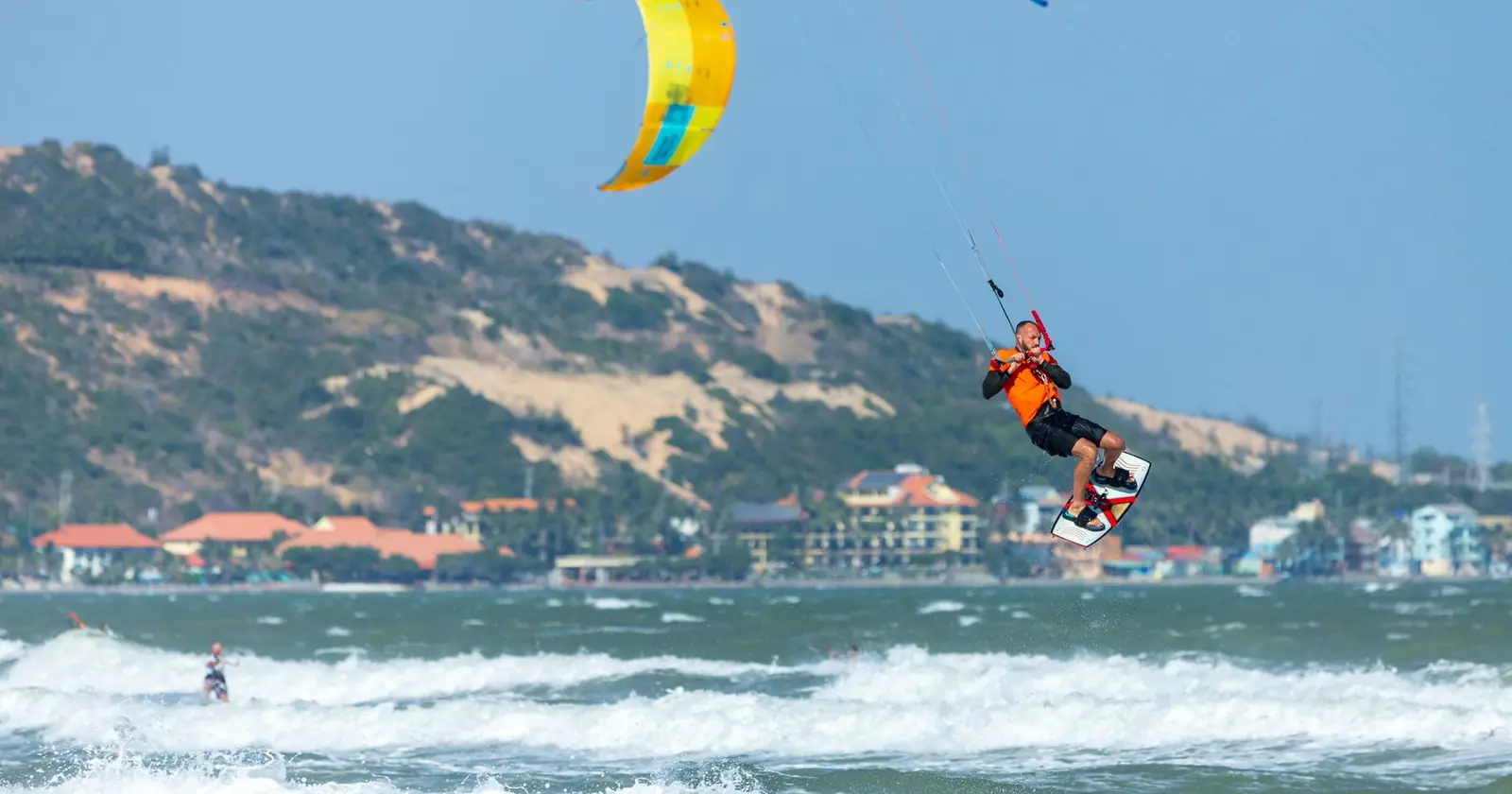
Photo: Serg Alesenko via Pexels (free license).
For the checked numbers and their sources, follow the guide for that place.
What January gives you on the water
January is the month where hemispheres disagree most, so the list is short and the reasons are specific. January is the northern winter at its most polarised. North-east trades are established across the Caribbean and Sri Lanka's east sleeps while its south works; Indonesia sits in the wet. Every base here is included because its own guide names January as part of its working window, not because the weather is generally nice, and where a place is marginal we say so rather than padding the list to a round number.
Boracay
The Amihan (northeast monsoon) blows side-onshore at Bulabog roughly November to April, peaking December to February.
Kite season peakRead the guide → 24°03′N 109°59′W · Kite & windLa Ventana
The El Norte wind fills in most afternoons from roughly November to March, and the whole town runs on it.
Reliable El Norte windRead the guide → 11°20′N 124°07′E · DivingMalapascua
Threshers show at the dawn cleaning station all year, but the calmest seas and clearest water fall roughly January to April.
Calmest, clearest windowRead the guide → 0°14′S 130°31′E · DivingRaja Ampat
December to February is the calmest window, with the highest odds of mantas at the Dampier Strait cleaning stations.
Calm seas, manta oddsRead the guide → 5°58′N 80°25′E · Surf & divingSri Lanka south coast
The main south-coast surf season runs roughly November to April, the same window as the Mirissa whale tours.
South-coast seasonRead the guide → 18°20′N 67°15′W · SurfRincón
North Atlantic winter storms fire long-period swell into Rincon's points from roughly December through April.
Winter swellRead the guide → 6°16′S 39°32′E · KitesurfingPaje, Zanzibar
The Kaskazi (northeast) wind runs roughly December to February, and January often has the best visibility.
Kaskazi windRead the guide → 12°13′N 72°10′W · KitesurfingCabo de la Vela
The wind season runs roughly December to August, with the strongest, steadiest trades December to March.
Strongest tradesRead the guide →Also good in January
- Mui Ne (peak kite wind November to April) and Khao Lak for the Similans (best December to April).
- Tulum's cenotes, in the driest, least-sargassum window of roughly November to April.
- Nazare, if you want to watch the giant-wave season, which peaks November to February.
The two numbers that make January what it is
Half this list is in the Philippines or facing the same weather, so the calendar that matters is the Philippine one, and it is published rather than folklore. PAGASA divides the year into two seasons: the rainy season from June to November and the dry season from December to May, with the dry half split again into a cool dry season from December to February and a hot dry one from March to May. January sits in the middle of the cool dry stretch. It is also the coolest month of the Philippine year, at a mean of 25.5 °C against 28.3 in May.
The second number is the one nobody advertises, and it is the reason January works at all. On the Japan Meteorological Agency's 1991–2020 normals for the western North Pacific, the basin that supplies the Philippines with its typhoons, January averages 0.3 tropical storms or stronger. August averages 5.7. That is a nineteen-fold difference between the quietest month and the busiest, and it is why a lagoon that is unusable in August is a beginner's lagoon in January.
Neither number is a promise about the fortnight you have booked. Both are the long-run shape of the month, which is the thing worth planning around.
FAQ: Watersports Destinations in January
Where is the best watersports weather in January?
For diving, Raja Ampat is in its calmest stretch and Malapascua has its clearest water. For wind, Boracay, La Ventana, Cabo de la Vela and Zanzibar are all in season. For surf, Rincon catches North Atlantic swell and Sri Lanka's south coast is mid-season.
Is January a good month for beginners?
Often yes, because several January spots are shallow and forgiving: Boracay's Bulabog lagoon and Zanzibar's Paje lagoon are both learn-to-kite bases. Sri Lanka's south coast has beginner-friendly beach breaks at Weligama. Rincon and Malapascua are the ones to approach with more experience.
Sources
- The Philippine seasons, as the met service defines them. PAGASA, Climate of the Philippines: the year divides into “(1) the rainy season, from June to November; and (2) the dry season, from December to May”, the dry season subdividing into “the cool dry season, from December to February” and “the hot dry season, from March to May”. Mean annual temperature 26.6 °C; “The coolest months fall in January with a mean temperature of 25.5°C while the warmest month occurs in May with a mean temperature of 28.3°C.” pagasa.dost.gov.ph. Read 12 September 2026.
- How quiet the typhoon basin is in January. RSMC Tokyo – Typhoon Center, Japan Meteorological Agency, monthly numbers of tropical cyclones reaching tropical storm intensity or higher since 1951. Normals 1991–2020: January 0.3, against 5.7 in August and 25.1 for the year. jma.go.jp. Read 12 September 2026.
- Each entry links to our full guide for that place, and those guides carry the external sources and read dates behind the claims summarised here. They are where the readings are recorded, not the evidence for them: Boracay, La Ventana, Baja, Malapascua, Raja Ampat, Sri Lanka, Rincon, Zanzibar (Paje), Cabo de la Vela.