La Ventana, Baja: A Kitesurf and Windsurf Nomad Base
 by Yannick Schroth
Jul 31, 2026
7 min read
by Yannick Schroth
Jul 31, 2026
7 min read
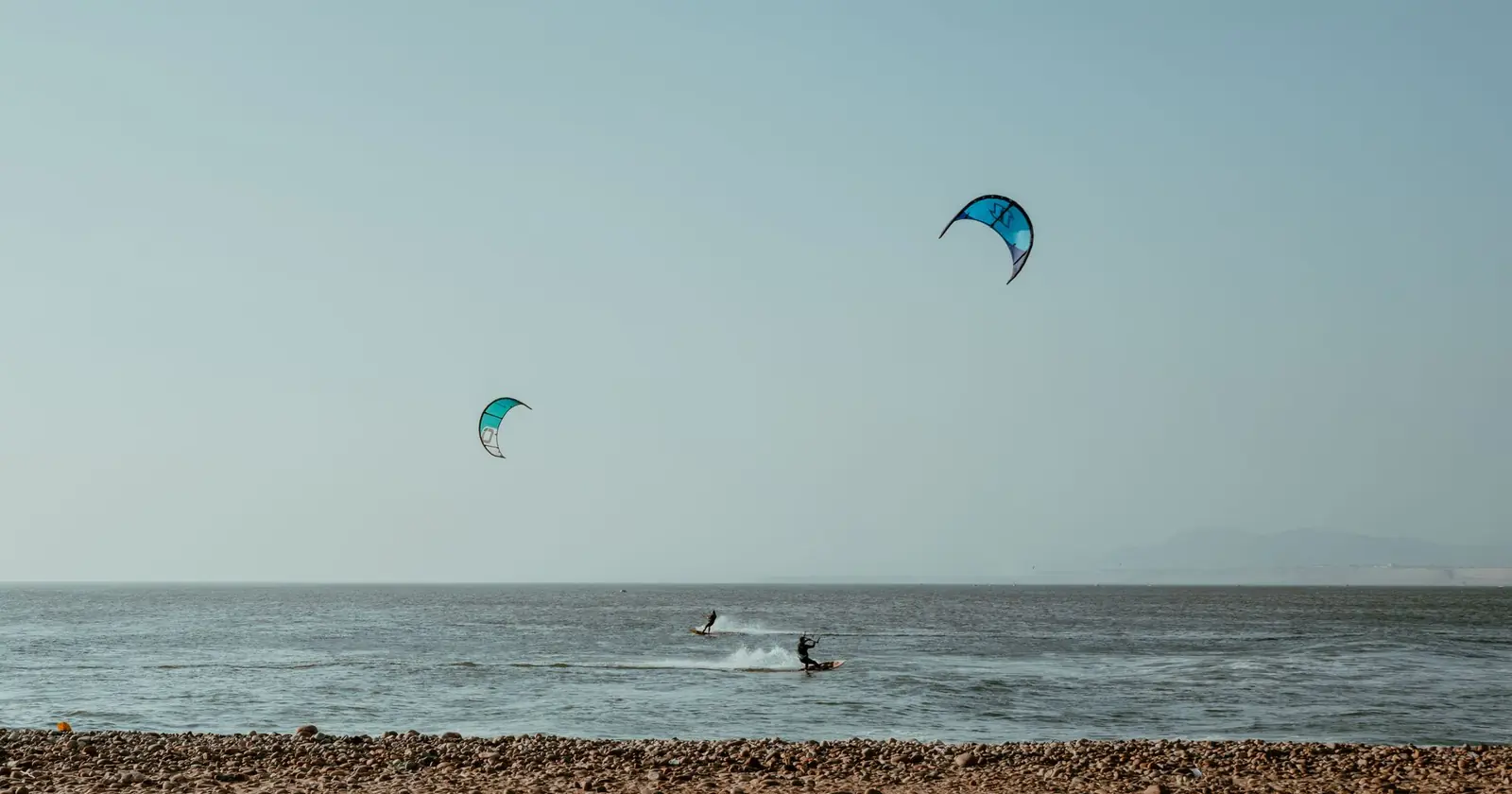
Photo: Joshuan Barboza / Pexels.
Key takeaways
- El Norte blows most afternoons from November to March at fifteen to twenty-five knots, and the bay is side-onshore, so a mistake puts you back on the beach
- The whale shark refuge at La Paz opens 1 October and closes 30 April, the same window as the wind, and CONANP suspends it whenever fewer than six sharks are in the core zone
- From May the wind stops and much of the village closes; this is a winter town, not a year-round base
- Internet is something you bring: Starlink at the rental or a Telcel plan, not the cafe
- No nomad visa. INM grants a tourist stay of up to 180 days, and the number written in your passport is the officer's call
The wind in La Ventana: El Norte season, direction and strength
The wind here is not a sea breeze. El Norte is a northerly that funnels the length of the Sea of Cortez when high pressure sits over the Great Basin, and it arrives in the bay from the north and north-west. That geometry is the reason people learn here. The shoreline runs north-west to south-east, so the wind crosses it at an angle and pushes a rider back along the beach instead of out into open water. Get it wrong and you body-drag to sand, not to Cerralvo Island.
On a good winter day it fills in around late morning and runs into the afternoon at fifteen to twenty-five knots. The spread matters more than the average: a light thermal day and a full El Norte day are different sports, and a single kite size will leave you parked on the beach on one of them. Riders here carry a quiver, and the rental shops exist because of it.
The local ritual is the downwinder. A shuttle drops you at the hot springs a few kilometres north, and you ride the coast back to town with the wind behind you. It is the best thing La Ventana does and the one that most needs a plan: it is a committed stretch of desert shoreline with no road access in places.
Best time to go, and when La Ventana closes for summer
The season is sharp at both ends. Wind is worth booking for from November into March, with mid-October and April as the shoulders. From May the thermal engine stops, the desert heat climbs, and a good part of the restaurants, camps and schools close until autumn. This is not a town that slows down in summer. It shuts.
There is a reason the calendar is cut that way, and it is worth knowing before you book a long stay. Baja sits inside the eastern Pacific hurricane basin, which the National Hurricane Center dates 15 May to 30 November, running “from Mexico and Central America westward to 140°W”. La Ventana's wind season sits entirely outside that window. The two do not overlap by a single week, which is unusual among warm-water wind destinations and is why the same faces come back every winter.
Swimming with whale sharks near La Ventana: season, rules and permits
Forty-five minutes up the road, Bahia de La Paz holds a juvenile whale shark aggregation inside a federal refuge area, and the season runs 1 October to 30 April. That is the wind season, give or take a fortnight. A winter in La Ventana buys you both, and no other month of the year buys you either.
It is also one of the more tightly regulated animal encounters anywhere, which is worth understanding before you pick a boat. CONANP publishes a management plan for each season, and for 2025-2026 it sets the numbers directly: 56 boats per day, split into four shifts of fourteen; hours from 08:00 to 17:00; a maximum of 7 knots in transit and 3 knots near an animal; a minimum of 5 metres from the shark and a maximum of 30 minutes with it; other boats held 50 metres off. Swimmers must wear a full life jacket or a wetsuit with snorkel, fins and mask. Sunscreen is prohibited before entering the water, along with drones, flash and selfie sticks.
The rule that tells you most about the place is the one for closing it. If five or fewer sharks are in the core zone, CONANP suspends the activity entirely and reopens it at six. A tour that runs when the animals are not there is a tour that should not have left the dock, so ask the operator whether the zone is open before you pay, and check that the guide carries the CONANP identification badge the plan requires.
Internet in La Ventana: Starlink, Telcel and what to ask a host
This is the part that decides whether a winter here works. La Ventana is a village at the end of a desert road, and the internet reflects that. People who work seriously from here run Starlink at the rental or a Telcel plan as the main line, not as a backup. Cafe wifi exists and is fine for mail; it is not a call you care about.
Ask the question in the right form when you book. Not “is there wifi”, which every listing answers yes to, but what the connection is, who provides it, and whether the dish is on the property. A speed test screenshot from the host is worth more than the amenity checkbox.
Cost of a winter month in La Ventana
Winter is high season and priced like it. Casitas and villas in the village book out months ahead for January and February, and the same place is a different price in November. The shoulder weeks are where the value is, if you can take wind that is merely good.
Two costs surprise people. A vehicle is not optional here, so budget it as rent rather than as a treat, and gear storage or rental for a quiver adds up over a season against shipping your own. Eating is cheap if you eat where the town eats.
Visa and entry: how long you can stay in Mexico
Mexico has no digital-nomad visa, so a winter in La Ventana is a tourist stay. The paperwork is not what most guides still describe. The Instituto Nacional de Migración still publishes the Forma Migratoria Múltiple, and its own page describes obtaining it by land and states that it “has a maximum validity of 180 calendar days and shall be valid for one entry only”. Arriving by air into La Paz or Los Cabos, what you get is a stamp with a number of days written on it.
The number is the thing to watch. A hundred and eighty days is the ceiling an officer may grant, not an entitlement, and shorter grants are common for travellers with a long recent history in the country. If your plan depends on staying past the day written in your passport, the route is a Temporary Resident visa applied for at a Mexican consulate before you travel, not an extension afterwards.
The shift from the paper form to a stamp at air borders is reported consistently across travel and immigration sources but INM has published no notice of it, so it is recorded here as triangulated rather than sourced at origin. The 180-day maximum is from INM's own page.
Getting to La Ventana from La Paz or Los Cabos, and getting around
La Paz (LAP) is the near airport, about forty-five minutes away, and the easy arrival. Los Cabos (SJD) is the cheap one from most of North America and Europe, and costs you a drive of roughly two and a half hours. Shuttles run both, and in high season they fill.
Once you are here, the village is spread along a dirt-road shoreline with no real taxi rank and little public transport. A vehicle is what makes the day work: launch, groceries, the shuttle to the hot springs, La Paz for anything the village does not have. Keep an ordinary car off soft sand, which strands people weekly.
Safety in La Ventana: strong wind, cool water and rescue cover
The side-onshore bay is forgiving, and that is exactly how people get caught out. El Norte events build fast and push well past thirty knots, so the decision that matters is the one you make on the beach about kite size, not the one you make in the water an hour later.
The water is cooler than the sun suggests. Peak winter wants a 3/2 at minimum and a 4/3 if you are out for hours, and cold is what degrades judgement on a long downwinder. Tell someone your plan and your timing before you ride away from town.
If you are new to kites or wings, take lessons, and not only for the water: the gear is dangerous on land, where most of the serious injuries happen. Schools here run jet-ski rescue cover, which is worth asking about by name. The nearest hospital is in La Paz, so carry insurance that covers wind sports and knows where you are.
One thing to ask of rental gear in a town that runs on it. Since 14 February 2020, ISO 21853 has covered quick-release systems on kite bars and safety leashes, with a maximum release force of 170 N and an opening time of two seconds under load. Old bars are still in circulation. Pull the release yourself before you leave the shop.
FAQ: La Ventana, Baja
When is the best time to go to La Ventana for wind?
November to March, when El Norte fills in on most afternoons and the village is fully open. Mid-October and April are the shoulders, rideable but less certain. From May the wind stops, the heat climbs and much of the town closes until autumn.
Is La Ventana good for beginners, or only advanced riders?
It is one of the better places in North America to learn. The bay is side-onshore, so a rider who loses the board drifts back along the beach rather than out to sea, and the schools are set up for kitesurfing, windsurfing and wing foiling. The caveat is the spread: a strong El Norte day is not a beginner day, whatever the forecast promised at breakfast.
Can I work remotely from La Ventana?
Yes, if you arrange the connection rather than expecting to find one. Serious remote workers here run Starlink at the rental or a Telcel plan as the primary line. Ask a host what the connection is and who provides it, not whether there is wifi.
How long can I stay in Mexico, and does La Ventana need a special visa?
There is no digital-nomad visa. You enter as a tourist, and INM states a maximum of 180 calendar days for one entry. Arriving by air you get a stamp with the days written on it, and the number is at the officer's discretion. For longer, apply for a Temporary Resident visa at a Mexican consulate before you travel.
Do I need a car in La Ventana?
Effectively yes. The village runs along dirt roads with no taxi rank and little public transport, and the launches, shops and the shuttle north are spread out. Keep an ordinary car off soft sand.
Can I swim with whale sharks from La Ventana?
Yes, from La Paz, about forty-five minutes away, between 1 October and 30 April. The refuge is regulated tightly: 56 boats a day in four shifts, 08:00 to 17:00, five metres minimum distance, thirty minutes maximum, no sunscreen and no drones. If five or fewer sharks are in the core zone, CONANP suspends the activity until six are back.
How cold is the water in La Ventana in winter?
Cool enough to matter. A 3/2 wetsuit is the minimum through the peak months and a 4/3 is the better call for long sessions or a downwinder, because cold is what takes your judgement before it takes your hands.
What is La Ventana like outside the wind season?
Quiet to the point of closed. From May to September the wind largely disappears, daytime heat is severe, and a good share of the restaurants, camps and schools shut. It is a fine place to be in January and a poor one to be in July.
Yannick Schroth
Founder of NOMADREEF and a former digital nomad. This guide is sourced from the references below; conditions, prices and rules change, so verify current details, and follow qualified local guidance and safety briefings. About the author · LinkedIn ↗
Sources
- The whale shark season, and the rules that govern it. CONANP and SEMARNAT, Plan de Manejo Tipo para la conservación y el aprovechamiento no extractivo de Rhincodon typus (tiburón ballena) a través de la observación y nado en Bahía de La Paz, B.C.S., Temporada 2025-2026. Season “1º DE OCTUBRE A 30 DE ABRIL”; 56 boats per day “dividido en 4 turnos de catorce (14) embarcaciones”; hours “desde las 08:00 am a las 17:00 pm”; suspension “en el caso de encontrarse cinco (05) o menos ejemplares”; 7 and 3 knots, 5 metres, 30 minutes, 50 metres for other boats; life jacket or wetsuit obligatory; sunscreen prohibited. gob.mx (PDF). Read 18 September 2026.
- The tourist permit and its 180-day ceiling. Instituto Nacional de Migración, Forma Migratoria Múltiple: the FMM “has a maximum validity of 180 calendar days and shall be valid for one entry only”, described for entry by land. inm.gob.mx. Read 18 September 2026. The move to a passport stamp at air borders is triangulated across travel and immigration sources; INM publishes no notice of it, and it is marked as such in the text.
- The season the wind season sits outside of. NOAA National Hurricane Center, tropical cyclone climatology: “The eastern Pacific hurricane season runs from May 15 to November 30”, the basin extending “from Mexico and Central America westward to 140°W”. nhc.noaa.gov.
- The quick-release standard. Global Kitesports Association on ISO 21853:2020, in force 14 February 2020, covering quick-release systems on kite bars and safety leashes, with a maximum release force of 170 N and an opening time of two seconds under load. gka.world.
- Wind season and behaviour in the bay. Read across local school and forecast sources for La Ventana and El Sargento, which agree on a mid-October to April season, a November to March core, and fifteen to twenty-five knots on a working day. Triangulated, not sourced at origin: no public meteorological station series for the bay was found.