Best Macro and Muck Diving Destinations
 by Yannick SchrothAug 5, 20266 min read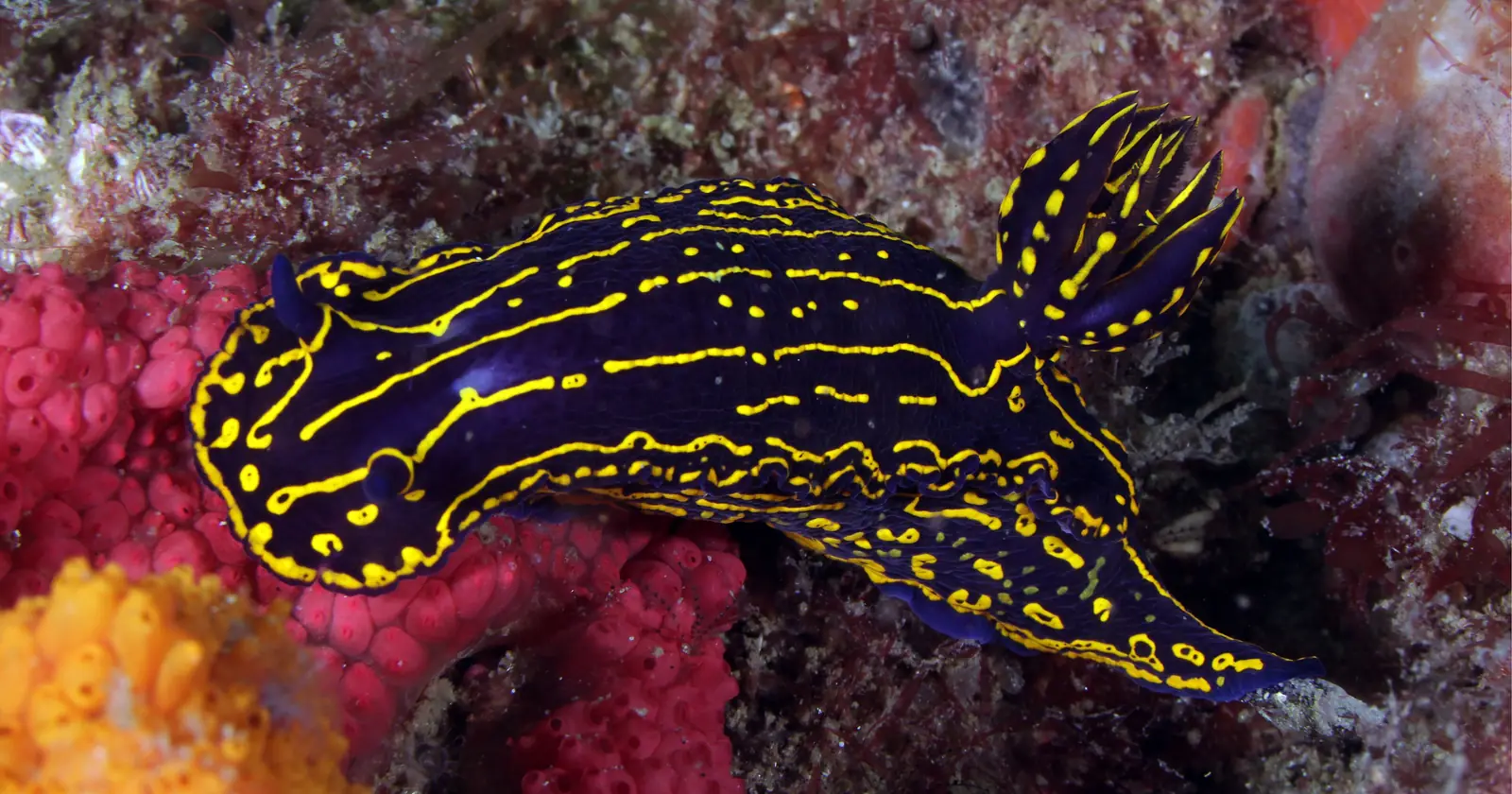
Photo: Greg McFall / NOAA National Ocean Service via Wikimedia Commons (public domain), cropped.
What makes a good muck diving site
Macro is the one discipline where bad-looking sites win. Black sand, rubble and silt hold the critters that reefs do not, so we selected for substrate and for guides with a genuine eye, which matters more here than anywhere else: the difference between a great and a wasted macro dive is usually the person spotting. Buoyancy is the entry requirement, since these sites are destroyed by fins.
Semporna (Sipadan)
Mabul and Kapalai are world-class muck and macro: frogfish, flamboyant cuttlefish, mandarinfish, blue-ringed octopus and pygmy seahorses.
Mabul and KapalaiRead the guide → 8°20′S 115°41′E · IndonesiaAmed, Bali
Shallow muck diving with easy shore entries and quirky critters, good for skill refreshers and macro photography.
Shallow, shore-entry muckRead the guide → 11°20′N 124°07′E · PhilippinesMalapascua
Strong macro diving with mandarinfish, seahorses and nudibranchs, alongside the famous thresher shark dive.
Mandarinfish and nudibranchsRead the guide → 0°14′S 130°31′E · IndonesiaRaja Ampat
Between the current-fed headline sites there are gentle bommies, mellow macro dives and calm bays.
Macro between the driftsRead the guide → 8°38′N 98°15′E · ThailandKhao Lak (Similan)
Richelieu Rock, the horseshoe pinnacle north of the Similans, is known for seahorse sightings as well as whale sharks.
Richelieu RockRead the guide →Picking a macro base
- The deepest critter list: Mabul and Kapalai, stayed from Semporna, which many divers rate as highly as the Sipadan wall.
- Cheapest and easiest to repeat daily: Amed, with shallow shore entries a few minutes from your desk.
- Macro plus a headline animal: Malapascua (threshers) and Khao Lak (Richelieu Rock).
- Bring a torch and, if you shoot, a proper macro setup; these are slow, close-focus dives with excellent buoyancy required.
Why the small stuff is where the biodiversity is
Macro diving is usually explained as an acquired taste: what you do when you have seen enough sharks. There is a better reason for it, and it is a matter of where life actually is.
The US National Park Service puts the scale plainly: coral reefs offer “the greatest biodiversity of any marine ecosystem on the planet”, and yet “coral reefs only occupy less than one tenth of one percent of the ocean floor”. For comparison of density rather than area, the Service notes that “National park of American Samoa has over 250 species of coral alone”. A reef is a very small place holding a very large number of things, which is exactly the proposition macro diving is built on: the interest is per square metre, not per kilometre.
That density is also why macro sites reward the opposite of a fast dive. Everything a muck or critter dive is looking for (nudibranchs, pygmy seahorses, frogfish, mimic octopus) lives at a scale where a swimming diver is moving too fast to see anything and a hovering diver sees everything.
The condition of that habitat is measured. On the IUCN Red List, version 2026-1, more than 49,500 species are threatened with extinction, 28 per cent of everything assessed: and reef-building corals are at 44 per cent, against 26 per cent for mammals and 11 per cent for birds.
Which turns the usual macro etiquette into something more than good manners. Buoyancy, no touching and no repositioning of animals for a photograph are not aesthetic preferences on these sites; they are the difference between a habitat that keeps producing subjects and one that is slowly being handled to death by people who came specifically to look at it.
FAQ: Macro Diving Destinations
What is muck diving?
Muck diving means working sandy, silty, often unspectacular-looking bottoms where unusual small creatures live: frogfish, cuttlefish, mandarinfish, nudibranchs, octopus. Mabul and Kapalai near Semporna are the classic example we cover, and Amed in Bali offers shallow muck diving with easy shore entries.
Do I need a camera to enjoy macro diving?
No, but good buoyancy helps more than any camera: these are slow dives held close to a fragile bottom, so control matters for the reef and for what you see. If you do shoot, Amed's shallow shore entries make it one of the cheapest places to practice macro photography over a long stay.
Sources
- How small the habitat is, and how much lives in it. US National Park Service, coral reefs: reefs offer “the greatest biodiversity of any marine ecosystem on the planet”; “coral reefs only occupy less than one tenth of one percent of the ocean floor”; “National park of American Samoa has over 250 species of coral alone”. nps.gov. Read 13 September 2026.
- What condition it is in. IUCN Red List of Threatened Species, version 2026-1: “More than 49,500 species are threatened with extinction”, “28% of all assessed species”, with reef corals at 44% against 26% for mammals and 11% for birds. iucnredlist.org. Read 13 September 2026.
- Each entry links to our full guide for that place, and those guides carry the external sources and read dates behind the claims summarised here. They are where the readings are recorded, not the evidence for them: Semporna (Sipadan), Amed, Bali, Malapascua, Raja Ampat, Khao Lak (Similan).