Best Family-Friendly Watersports Destinations
 by Yannick SchrothAug 3, 20266 min read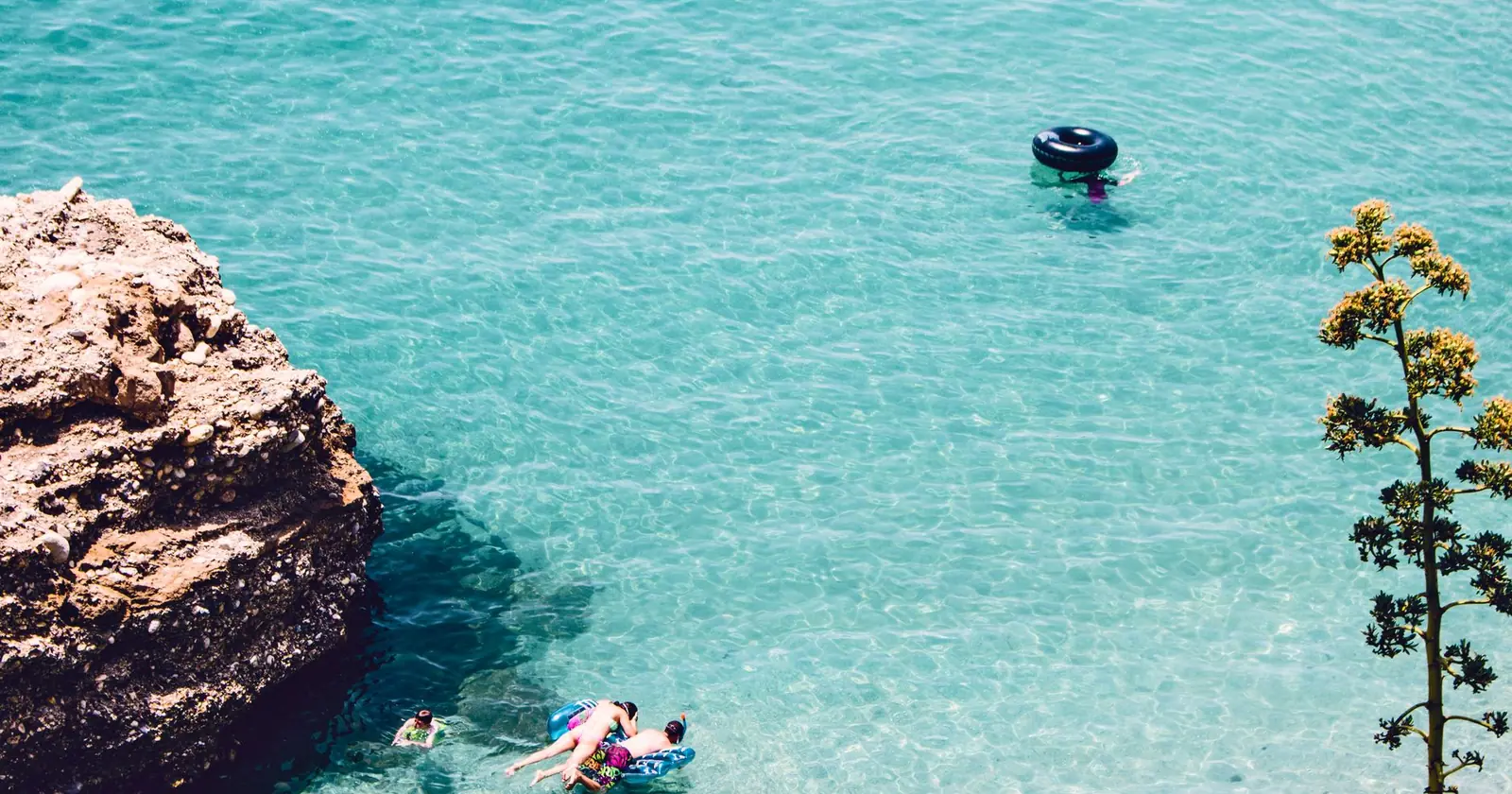
Photo: anna-m. w. / Pexels.
What makes a place work with children
Family-friendly is not a vibe, it is a set of physical conditions: shallow, calm, gently sloping entry, shade, and a medical facility within a sane distance. We also weighted whether an adult can supervise one child in the water without losing sight of another on the beach. Places with strong shore break, rip currents or long boat transfers are excluded even where the marine life is better.
Gili Islands
Car-free islands with calm, shallow, warm water and turtles off the beach.
Calm, car-freeRead the guide → 46°22′N 14°06′E · SloveniaLake Bled
A clean, calm alpine lake with gentle swimming and easy Slovenian infrastructure.
Calm lake, easyRead the guide → 36°01′N 14°20′E · MaltaBlue Lagoon, Comino
Sheltered, shallow turquoise water in Malta, warm and easy to supervise.
Sheltered, warmRead the guide → 9°59′N 85°39′W · Costa RicaNosara
A consistent, forgiving beach break and a wellness scene on Costa Rica's Nicoya coast.
Gentle beach, wellnessRead the guide → 20°52′N 105°26′W · MexicoSayulita
A friendly Mexican beach town with a soft, learner-friendly break and easy vibe.
Soft break, friendlyRead the guide → 10°06′N 99°50′E · ThailandKoh Tao, Thailand
Warm, calm bays and gentle snorkelling, plus cheap, easy island living.
Calm bays, snorkelRead the guide → 37°06′N 8°40′W · PortugalLagos, the Algarve
Sheltered Algarve coves and beaches with easy EU infrastructure and healthcare.
Sheltered coves, EURead the guide → 28°16′N 16°36′W · SpainTenerife
Calm south-coast beaches, whales and dolphins, and reliable EU infrastructure.
Easy, whalesRead the guide → 9°57′N 123°23′E · PhilippinesMoalboal
Warm, shallow reef and a year-round sardine run to snorkel straight off the beach.
Warm, snorkelRead the guide →Picking a family base
- Calmest, safest swimming: the car-free Gili Islands, Lake Bled and Malta's Blue Lagoon.
- Gentle learner beaches: Nosara and Sayulita.
- Easy infrastructure and healthcare: Lagos and Tenerife.
How these family destinations differ from each other
Family suitability comes down to logistics more than water: how far you travel with children, what a family-sized month costs, and whether adults get any water time at all.
| Base | What it is best at | Monthly cost |
|---|---|---|
| Gili Islands | turtle-rich diving and snorkeling, car-free calm, and a social island break | roughly $1,000 to $1,220 a month; a bungalow $300 to $500 |
| Koh Tao | getting certified or a short, dive-intensive stint; nomads who like a social scene | roughly $470 to $625 a month; studio ~$378 |
| Tenerife | reliable EU fibre, year-round whales and dolphins, and volcanic diving | roughly €1,400 to €2,200 a month; rent often €1,000 to €1,200 |
| Moalboal | cheap, world-class diving: the year-round sardine run, turtles and Pescador Island | roughly $700 to $1,100 a month; a long-stay room $250 to $450 |
Who these family destinations are wrong for
A place can be safe for children and still be the wrong trip. These are the specific reasons, from each guide, that a family might choose elsewhere.
- Gili Islands:
think twice if you need reliable bandwidth; the wifi is the weak point
- Tenerife:
think twice if you want tropical warmth and rock-bottom Asian or Caribbean costs
- Moalboal:
think twice if you need fast, guaranteed wifi or big-city amenities
1 of the 4 guides here do not state a drawback in their summary.
The two numbers behind every family water decision
A family list should be honest about what it is protecting against, and the global figures are specific enough to change how a week is planned.
The World Health Organization counts around 300,000 drowning deaths a year worldwide. Children under five account for nearly a quarter of them, and children and young adults aged 0–29 for over half, 57 per cent. The risk is not evenly spread: 92 per cent of drowning deaths occur in low- and middle-income countries, and over half of the world's drowning happens in the WHO Western Pacific and South-East Asia regions, which is where a good share of cheap family watersports travel goes. The trend is genuinely good news: the global drowning death rate has fallen by 38 per cent since 2000: and the WHO is blunt about the mechanism for small children: risk rises when children interact with water outside of active adult supervision.
The second number is about where you stand rather than who you are. The US National Weather Service, citing the United States Lifesaving Association, puts it at “1 in 18 million”: “Only swim at a beach with lifeguards. The chances of drowning at a beach with lifeguards are 1 in 18 million”. The same page carries the warning that catches families out: “Great weather for the beach does not always mean it's safe to swim or even play in the shallows. Rip currents often form on calm, sunny days.”
Which is why the practical filter for a family base is not the resort and not the water temperature. It is whether the beach is patrolled, and whether one adult has the job of watching rather than relaxing.
FAQ: Family-Friendly Watersports Destinations
Which destinations are best for young children?
Calm, shallow, protected water is what matters. The car-free Gili Islands, Malta's sheltered Blue Lagoon, Slovenia's Lake Bled and the gentle beach breaks at Nosara and Sayulita are among the most family-friendly on this list. Always check local conditions and lifeguarding.
Are these safe for swimming with kids?
Generally yes in calm conditions, but the sea is never risk-free: currents, tides and boat traffic vary by spot and season. Swim in protected or lifeguarded water, keep children close, and read the linked guide plus local advice before you go.
Sources
- The global picture. World Health Organization, drowning fact sheet: “There are around 300 000 annual drowning deaths worldwide”; “Children aged under 5 years account for nearly a quarter of all drowning deaths”; “Ninety-two percent of drowning deaths occur in low- and middle-income countries”; “Children and young adults aged 0–29 years account for over half (57%) of all drowning deaths”; over half of the world’s drowning occurs in the WHO Western Pacific and South-East Asia Regions; “Since 2000 the global drowning death rate has fallen by 38%”; “The risk of drowning increases when children interact with water outside of active adult supervision.” who.int. Read 12 September 2026.
- Why a patrolled beach is a different beach. NOAA National Weather Service, How to Avoid Getting Caught in a Rip Current: “Only swim at a beach with lifeguards. The chances of drowning at a beach with lifeguards are 1 in 18 million (U.S. Lifesaving Association)”; “Great weather for the beach does not always mean it’s safe to swim or even play in the shallows. Rip currents often form on calm, sunny days.” weather.gov. Read 12 September 2026.
- Each entry links to our full guide for that place, and those guides carry the external sources and read dates behind the claims summarised here. They are where the readings are recorded, not the evidence for them: Gili Islands, Lake Bled, Blue Lagoon, Comino, Nosara, Sayulita, Koh Tao, Lagos, the Algarve, Tenerife, Moalboal.