Best Reef-Safe Sunscreen: What It Really Means
 by Yannick Schroth
Jul 29, 2026
9 min read
by Yannick Schroth
Jul 29, 2026
9 min read

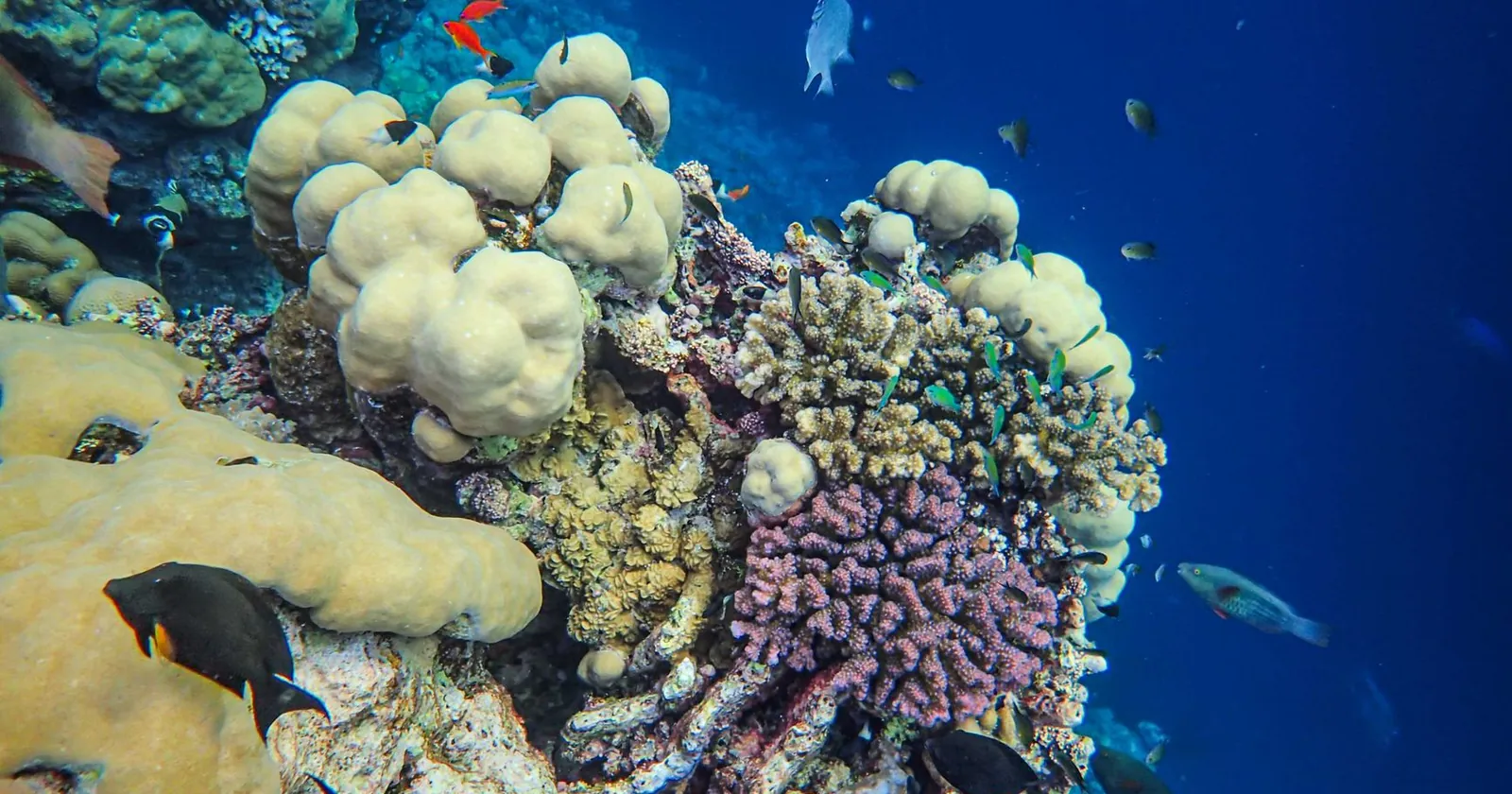
Photo: Mikhail Nilov via Pexels (free license).
The science is still developing; this reflects current regulation and precaution.
A physical UV block without oxybenzone or octinoxate; look for non-nano.
Browse on Amazon →Stays on in the water and skips the white cast on the face.
Browse on Amazon →Reapply generously; a bigger tube is cheaper per use.
Browse on Amazon →Recommendations by type and spec, not a tested product ranking; confirm fit/size with a shop. Any price is live at the retailer. See our disclosure.
Key takeaways
- Avoid oxybenzone & octinoxate: linked to coral harm; banned in several places.
- "Reef-safe" is unregulated; read the active ingredients yourself.
- Choose mineral, non-nano (zinc oxide / titanium dioxide).
- Cover up first: a UPF rash guard means far less sunscreen needed.
- Broad-spectrum SPF 30+, applied generously and reapplied.
Why it matters for a watersports nomad
When you snorkel, dive, surf or swim, sunscreen washes off into the water, and in popular spots that adds up to a real chemical load on the reef. Given NOMADREEF exists for people who love the reef, this is one gear choice where the ocean impact is as important as the price. The good news: protecting your skin and the reef are not in conflict, the same choices do both.
The chemicals to avoid (and the bans)
The two most-implicated ingredients are oxybenzone and octinoxate. Laboratory research has linked them to coral bleaching, DNA damage and deformities in coral larvae, at strikingly low concentrations. On that basis several places have banned them, and Palau, Bonaire and the US Virgin Islands are usually listed alongside Hawaii. Other chemical filters are flagged too, which is why many people simply choose mineral formulas to be safe.
But “banned” is doing too much work in that sentence, and the difference is the part that decides what you pack.
Three bans, three different things banned
Read the actual laws and they prohibit three different acts. Only one of them is aimed at you.
| Where | What the law prohibits | What it means for a traveller |
|---|---|---|
| Hawaii from 1 Jan 2021 | To “sell, offer for sale, or distribute for sale” sunscreen containing oxybenzone or octinoxate, without a prescription | A rule for shops. Your own bottle is not illegal to bring or to use: you just cannot buy that kind there |
| Palau from 1 Jan 2020 | Ten ingredients “imported, distributed, sold, manufactured, or brought into the Republic” | A rule for you. It reaches your wash bag at the border, and bottles are taken off arriving visitors |
| Thailand from Aug 2021 | Four chemicals in all national parks, by announcement of the Department of National Parks | A rule for where you swim. Fine of up to 100,000 baht, and most of the dive and snorkel sites are inside parks |
Hawaii's is a sales ban, and only a sales ban. Act 104 of 2018 added a section to the state's water pollution chapter reading: “Beginning January 1, 2021, it shall be unlawful to sell, offer for sale, or distribute for sale in the State any sunscreen that contains oxybenzone or octinoxate, or both, without a prescription issued by a licensed healthcare provider.” Nothing in it restricts what a visitor carries or wears. The practical effect is still real: you cannot top up with the banned stuff once you land: but the widely repeated idea that Hawaii confiscates sunscreen is not what the statute says.
Palau's does reach the traveller. Its Responsible Tourism Education Act of 2018 prohibited sunscreens containing ten ingredients from being “imported, distributed, sold, manufactured, or brought into the Republic” from 1 January 2020, and the government's own announcement is blunt about the effect: regulations promulgated in 2020 “essentially limit legal sunscreens to those that exclusively use zinc oxide and/or titanium dioxide as their active ingredients and do not contain parabens, triclosan, triclocarban, or phenoxyethanol.” Palau also inverted the usual test, banning any ingredient suspected of being reef-toxic rather than waiting for proof. If you are going to Palau, a mineral sunscreen is not a preference, it is the entry requirement.
Thailand's is a place ban. The Department of National Parks announced in the Royal Gazette on 3 August 2021 that sunscreen containing oxybenzone, octinoxate, 4-methylbenzylidene camphor or butylparaben may not be brought into or used in any national park, with a fine of up to 100,000 baht. For this site's readers that is the one to watch: Mu Ko Similan and Mu Ko Surin are national parks, and so is a great deal of the postcard snorkelling, and the rule applies to the bottle in your bag as much as to the shop that sold it.
So the packing rule is simple, and it is stricter than any single law: carry a mineral sunscreen whose active ingredients are zinc oxide or titanium dioxide and nothing else. That is legal everywhere above, and it is the only thing that is.
The label trap: "reef-safe" means nothing legally
Here is the part that surprises people: "reef-safe" and "reef-friendly" are not regulated terms. Any product can print them, regardless of ingredients. So do not trust the front label, turn the bottle over and read the active ingredients. That is the only reliable way to know what you are putting on the reef.
What to look for on a sunscreen label
- Mineral actives: non-nano zinc oxide and/or titanium dioxide. "Non-nano" matters because very small particles can be ingested by marine life.
- Free of oxybenzone and octinoxate (and, ideally, other flagged chemical filters).
- Broad-spectrum, SPF 30 or higher, for real skin protection.
- Water-resistant, since you will be in and out of the water (but still reapply).
- Bonus: biodegradable, minimal packaging, and a tinted option if you dislike white cast.
Cover up first, sunscreen second
The most effective, most reef-friendly sun protection is to need less sunscreen: wear a UPF rash guard or wetsuit, a hat and sunglasses on the boat, and seek shade in peak sun. Then apply mineral sunscreen only to the exposed bits (face, ears, back of neck, hands, feet). This protects your skin best and puts the least into the water, the real win-win.
Types and brands (examples)
| Type | Notes | Examples of mineral brands |
|---|---|---|
| Mineral lotion | Non-nano zinc; may leave a white cast (tinted reduces it) | Stream2Sea, Badger, Thinksport, Raw Elements |
| Mineral stick | Handy for face, ears, no drips | Various mineral sticks |
| Reef-conscious brands | Read the ingredients even so | All Good, Manda, others |
These are examples, not a ranked verdict; always check the active ingredients as formulas change. Browse mineral reef-safe sunscreen on Amazon (affiliate).
FAQ: reef-safe sunscreen
What makes a sunscreen reef-safe?
In practice, a reef-safer sunscreen is a mineral one whose active ingredients are non-nano zinc oxide and/or titanium dioxide, and which avoids the chemicals linked to coral harm, especially oxybenzone and octinoxate. Importantly, the terms reef-safe and reef-friendly are not legally regulated, so you cannot trust the label alone. Read the active ingredients yourself: choose non-nano mineral, and avoid oxybenzone and octinoxate (and ideally other flagged chemicals).
Which sunscreen chemicals are bad for coral?
The two most implicated are oxybenzone and octinoxate, which laboratory research has linked to coral bleaching, DNA damage and deformities in coral larvae at very low concentrations. Because of this, several places have banned them, though they ban different acts: Hawaii prohibits the sale of sunscreens containing oxybenzone and octinoxate from 2021 but not their use, Palau prohibits ten ingredients from being brought into the country at all, and Thailand prohibits four of them inside every national park on pain of a fine of up to 100,000 baht. Bonaire and the US Virgin Islands have bans of their own. Other chemicals are flagged too, so mineral formulas are the cautious choice.
Is mineral sunscreen better for reefs?
Mineral sunscreens using non-nano zinc oxide or titanium dioxide are generally considered the safer choice for reefs, because they avoid the chemical filters linked to coral harm and the non-nano particle size is less likely to be ingested by marine life. They sit on top of the skin and reflect UV. They can leave a white cast, though tinted versions reduce this. When in doubt, mineral non-nano plus covering up is the reef-cautious approach.
Does reef-safe sunscreen actually work on your skin?
Yes. Mineral sunscreens with adequate zinc oxide or titanium dioxide provide effective broad-spectrum UV protection, and dermatologists often recommend them. Use a broad-spectrum product of at least SPF 30, apply generously, and reapply regularly (and after swimming or towelling). The main downsides are a possible white cast and the need to reapply, not weaker protection. Combining sunscreen with UV clothing is the best approach.
What is the best sun protection for watersports?
The best protection is to cover up: a UPF rash guard or wetsuit, a hat and sunglasses on the boat, and shade during peak sun, so you need sunscreen on far less skin. Then use a mineral, non-nano, broad-spectrum sunscreen (avoiding oxybenzone and octinoxate) on exposed areas, and reapply. This protects your skin best and puts the least chemical load on the reef, a win for both.
Yannick Schroth
Founder of NOMADREEF and a former digital nomad. This guide reflects current regulation and the precautionary view on reef-harming chemicals; the science continues to develop, brand names are examples. Always read the active ingredients. About the author · LinkedIn ↗
Sources
- Hawaii: the statute itself. Session Laws of Hawaii 2018, Act 104 (S.B. No. 2571), approved 3 July 2018, adding a section to chapter 342D: “Beginning January 1, 2021, it shall be unlawful to sell, offer for sale, or distribute for sale in the State any sunscreen that contains oxybenzone or octinoxate, or both, without a prescription issued by a licensed healthcare provider.” The act reaches sale and distribution only; it says nothing about use or possession. data.capitol.hawaii.gov. Read 11 September 2026.
- Palau: the government's own announcement. Office of the President of the Republic of Palau, press release PR-20-190, 24 March 2020: the Responsible Tourism Education Act of 2018 “prohibited sunscreens containing ten ingredients from being imported, distributed, sold, manufactured, or brought into the Republic starting January 1st, 2020”, and the 2020 regulations “essentially limit legal sunscreens to those that exclusively use zinc oxide and/or titanium dioxide as their active ingredients and do not contain parabens, triclosan, triclocarban, or phenoxyethanol”, prohibiting any ingredient “suspected of being reef-toxic” rather than waiting for proof. palaugov.pw. Read 11 September 2026. The Act itself, RPPL No. 10-30, is published as a scanned document whose text cannot be read by machine, which is why the government's press release is quoted instead.
- Thailand: the national park ban. Tourism Authority of Thailand, August 2021: the Department of National Parks, Wildlife and Plant Conservation announced in the Royal Thai Government Gazette on 3 August 2021 a ban in all of the country's national parks on sunscreen containing “Oxybenzone (Benzophenone-3, BP-3), Octinoxate (Ethylhexyl methoxycinnamate), 4-Methylbenzylid Camphor (4MBC) and Butylparaben”, with violators “fined up to 100,000 Baht”. tatnews.org. Read 11 September 2026.
- Not verified here: the Bonaire and US Virgin Islands bans, and the Hawaii county ordinances that go further than the state act. They are named above because they are widely reported, but their texts are not among the sources here, and what each of them prohibits, sale, import or use: is exactly the distinction this page argues matters. Check them at source before relying on them.
- Non-nano mineral (zinc oxide / titanium dioxide) as the reef-cautious choice.
- Our own travel wetsuit & rash guard and marine life safety guides.