Beginner Wing Foiling Gear Guide
 by Yannick Schroth
Jul 29, 2026
9 min read
by Yannick Schroth
Jul 29, 2026
9 min read
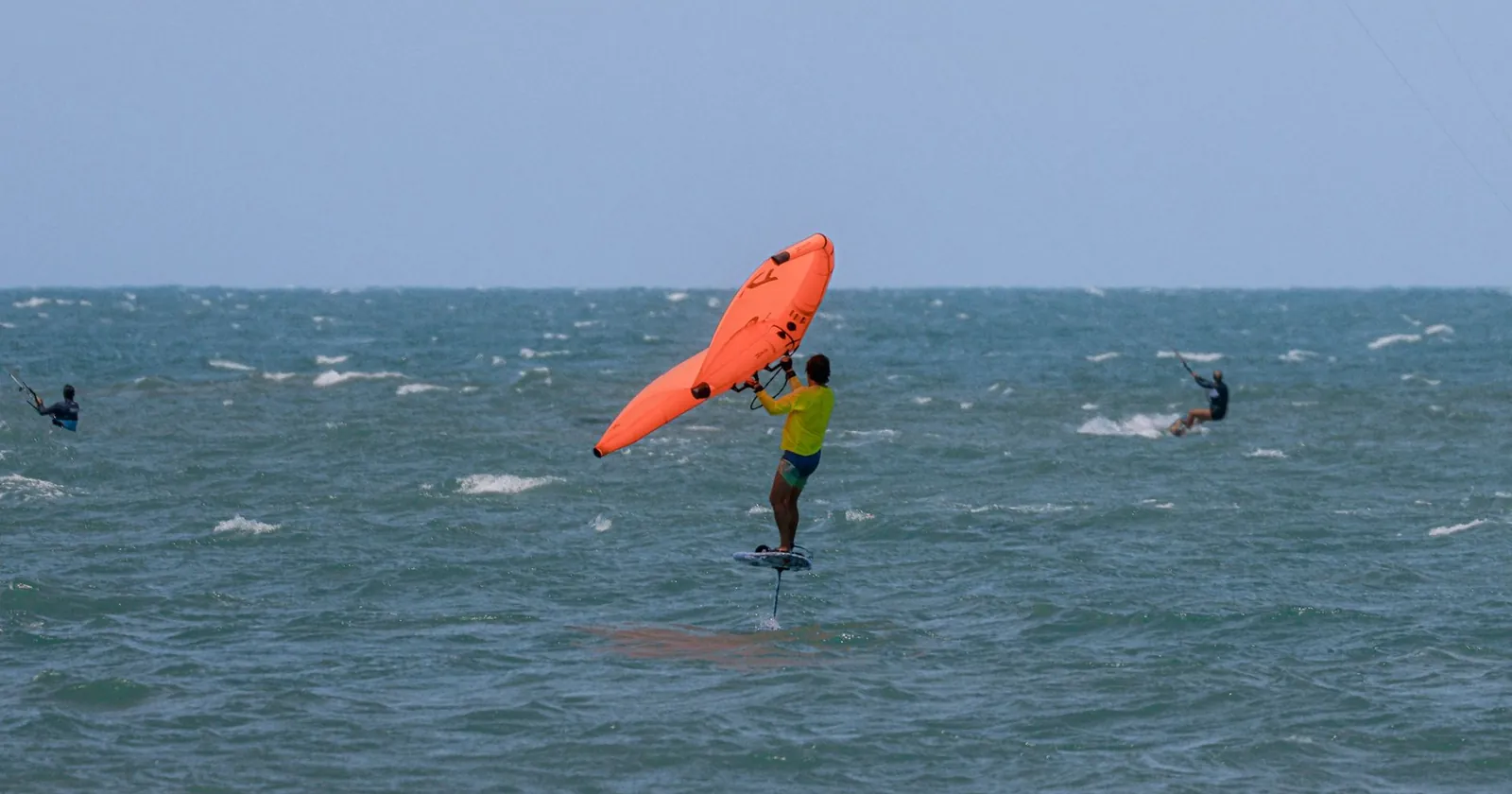
Photo: Fuka jaz via Pexels (free license).
Sizes depend on your weight and local wind; get sized advice and confirm with a school or shop.
Maximum stability and low-speed lift while you learn the balance.
Browse on Amazon →Foil kit is expensive and your sizes change fast, learn before you spend.
Browse on Amazon →Recommendations by type and spec, not a tested product ranking; confirm fit/size with a shop. Any price is live at the retailer. See our disclosure.
Key takeaways
- Four parts: wing, foil board, hydrofoil, safety gear.
- Big and stable wins for learning: high-volume board, large low-speed foil.
- Wing size = weight + wind; larger gives more low-end power to learn on.
- Don't buy before lessons; learn on school gear, then buy right.
- Never skip safety gear: helmet, impact vest, board and wing leashes.
The four things you need
1. The wing
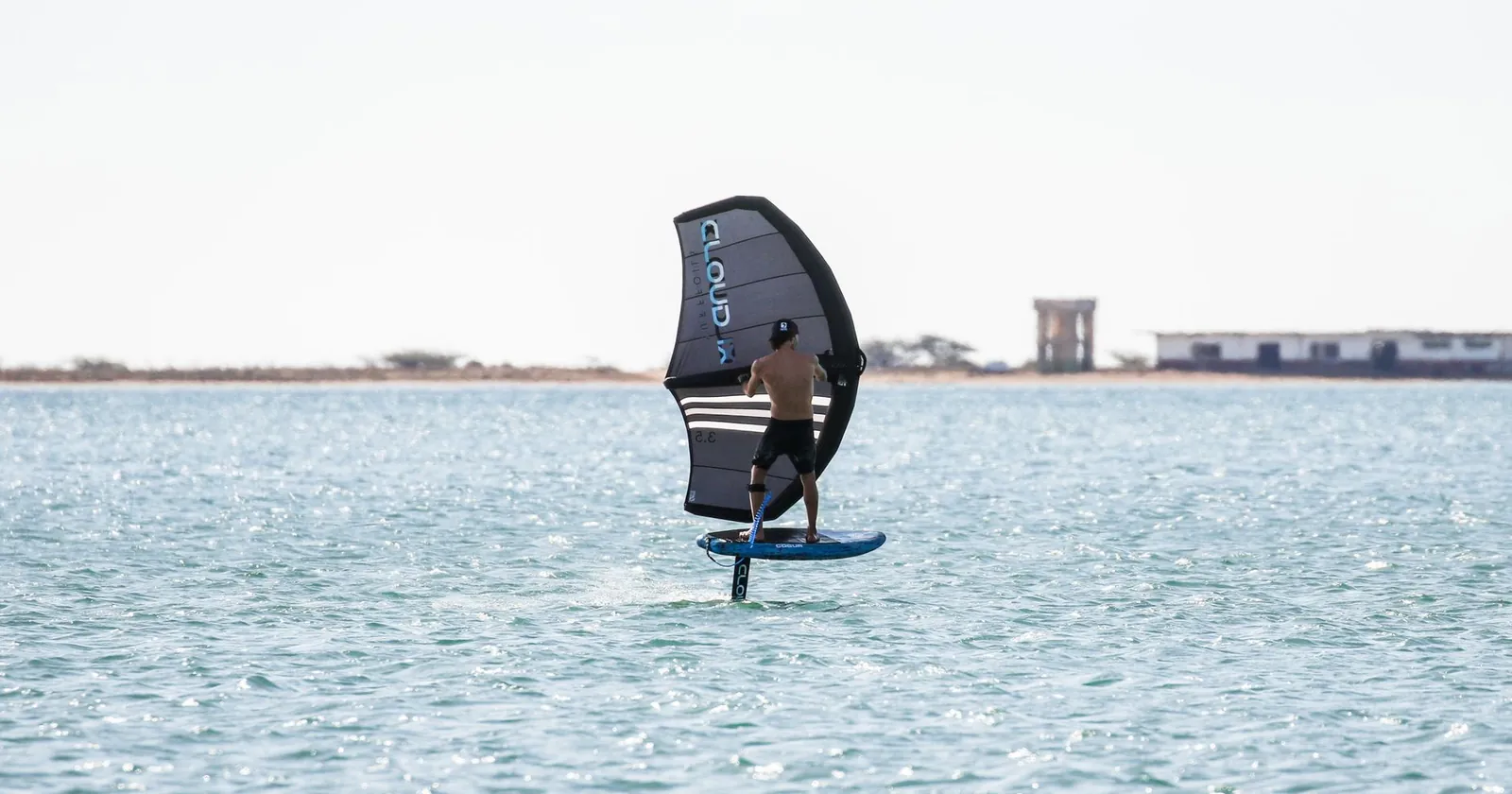
The handheld inflatable wing is your engine. Size it to your weight and the wind: a larger wing (very roughly 5 to 6 square meters for an average adult in moderate wind) gives more low-end power for learning; smaller wings suit stronger wind. Many riders end up with two sizes to cover a wind range. Get sized advice for your weight and local conditions.
2. The foil board
For learning, choose a large, high-volume board, comfortably above your body weight in litres, so you can stand and balance before you foil. Stability beats performance while you learn; small, low-volume boards are for advanced riders. Many beginners start on a big board and size down later.
3. The hydrofoil
The foil (a mast with front and rear wings under the board) is what lifts you. For learning, you want a large, low-speed front wing that lifts early and flies slowly and predictably, far more forgiving than a small, fast racing foil. The foil is the priciest, most technical part, and the reason many beginners start on school or package gear.
4. Safety gear
Non-negotiable, because the foil is sharp:
- Helmet, protects against the board and foil in a fall.
- Impact vest, cushions falls and adds buoyancy.
- Leashes, for the board and the wing so neither blows away.
- Wetsuit or rashguard to match the water and sun.
Buy new, package or used?
A full new setup is a significant outlay, so consider the options: a package deal (wing, board and foil matched together) simplifies the choice and often saves money; good used gear cuts cost further once you know what you want; and starting on a school's gear lets you learn your sizes before you commit. Because the foil is expensive and technical, this is a sport where learning before buying really pays off.
Wing foiling brands worth a look
| Part | Beginner priority | Examples |
|---|---|---|
| Wing | Sized to weight/wind, easy handling | Duotone, Ozone, F-One, North |
| Foil board | High volume, stable | Fanatic, JP, Armstrong, Naish |
| Hydrofoil | Large, low-speed front wing | Armstrong, F-One, Axis, Naish |
These are examples, not a ranked verdict; confirm current sizes and matching with a school or shop for your weight and local wind. Browse wing foiling gear on Amazon (affiliate), and specialist wing/foil retailers for boards and foils.
The two items with rules attached
Most of a wing kit is a matter of size and money. Two pieces are different, because the sport's own rulebook names them.
The wing leash is not an accessory. In the GWA's rulebook, “Safety leashes that ensure the wing remains secured to the rider are compulsory for all competitors”, and riders “will be disqualified from the event if they ride without a safety leash”. The reason is practical rather than ceremonial: a wing that leaves is a wing you swim after, and the board goes the other way. The helmet is mandatory under the same rules, with a protection vest required on top in the FreeFly-Slalom discipline.
And a number to size your first wing against: the same rulebook sets 7 knots as the minimum wind for racing. That is a floor for experts on efficient gear, so treat anything at or near it as unusable for a beginner, and buy your first wing for the wind your spot actually gets rather than the wind it gets on its best day.
For context on who sets these rules: the IWSA, the class association for the sport, describes itself as a World Sailing class association and writes the rules for Formula Wing and WingFoil Open Racing.
FAQ: beginner wing foiling gear
What gear do you need to start wing foiling?
Four things: an inflatable wing (for power), a foil board (a large, high-volume board for beginners), a hydrofoil (mast plus a large low-speed front wing), and safety gear (helmet, impact vest, and leashes for the board and wing). A wetsuit or rashguard suits the conditions. As a beginner, favour big and stable in every choice, it makes learning far easier.
Should I buy wing foiling gear before lessons?
No. Take lessons first, and ideally use the school's gear while you learn what suits you. Wing foil kit is a significant investment and the right sizes depend on your weight, local wind and progress, which you will understand much better after a few sessions. Buying blind often means buying the wrong, too-advanced gear. Learn first, then buy.
What size wing should a beginner get?
Wing size is chosen by your weight and the wind: a larger wing (very roughly 5 to 6 square meters for an average adult in moderate wind) gives more low-end power for learning, while smaller wings suit stronger wind. Many people end up with two sizes to cover a wind range. Get sized advice from a school or shop for your weight and local conditions, and confirm before buying.
What board and foil are best for learning?
For learning, a large, high-volume foil board (well above your body weight in litres) is far more stable and forgiving, letting you stand and balance before you foil. Pair it with a large, low-speed hydrofoil front wing, which lifts early and flies slowly and predictably. Small, fast, low-volume gear is for advanced riders. Big and stable is the beginner's friend.
Is wing foiling gear expensive?
It is a meaningful investment: a full new setup (wing, board and foil) is a significant outlay, though buying a package or good used gear reduces the cost. Because the foil in particular is pricey and technical, many beginners start with a school's gear or a package deal, and buy used once they know what they want. Prices vary widely, so check current prices and consider the second-hand market.
Yannick Schroth
Founder of NOMADREEF and a former digital nomad. This guide explains wing-foil gear categories and beginner sizing principles; brand names are examples, and you should get sized advice from a school or shop for your weight and local wind before buying. About the author · LinkedIn ↗
Sources
- The safety equipment the wing tour requires. GWA Wingfoil World Tour Rulebook 2023, last updated 20 November 2023. Rule 2.5: “Safety leashes that ensure the wing remains secured to the rider are compulsory for all competitors. Competitors will be disqualified from the event if they ride without a safety leash”, and “The use of a helmet is mandatory.” Rule 41.4, FreeFly-Slalom: “The use of a helmet and protection vest is mandatory.” Rule 40.26: “For all races the Minimum wind conditions is 7 knots or considered suitable conditions by the call of the Race Director.” wingfoilworldtour.com. Read 12 September 2026.
- Who governs the sport. The International Wing Sports Association describes itself as a World Sailing class association, developing the class rules and championship rules and running the Formula Wing Class and the WingFoil Open Racing Class. wingfoilracing.com. Read 12 September 2026.
- Wing foiling gear categories and beginner sizing conventions (manufacturer and instruction guidance).
- Our own how to start wing foiling and kitesurfing vs wing foiling guides.