Wild Swimming in the Lake District: A Trip Guide
 by Yannick Schroth
Jul 31, 2026
7 min read
by Yannick Schroth
Jul 31, 2026
7 min read
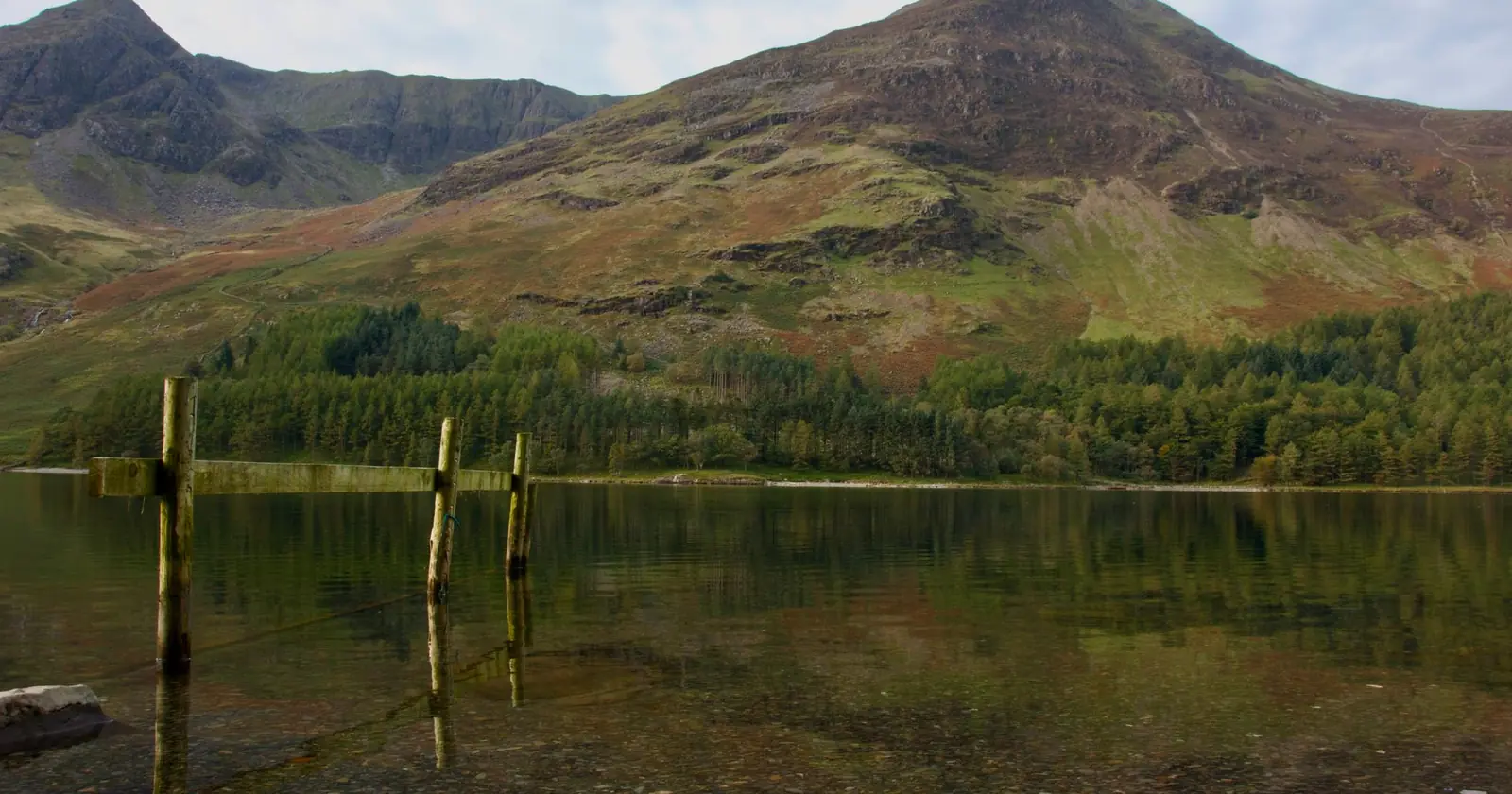
Photo: Yohantha Gunawarna / Pexels.
Key takeaways
- Spiritual home of UK wild swimming: hundreds of lakes and tarns plus a huge, welcoming swim community
- Cold water is the headline: even summer tarns can sit around 12C or lower, so acclimatisation and cold water shock awareness are non-negotiable
- A trip, not a base: come for a weekend or week of swimming, not to set up a nomad life
- Swimming is banned in the working drinking-water reservoirs, Thirlmere and Haweswater. Ennerdale and Crummock are no longer water sources, United Utilities gave up those licences for good
- Windermere's reputation and its test results point opposite ways: all four of its designated bathing waters are classed Excellent, while the one Lake District site under a council warning is on Coniston
- Only designated bathing waters get tested at all. Buttermere, Crummock Water, Wast Water and every tarn are unmonitored, so “looks clean” is the only information there is
What the Lake District is for a swimmer
The Lake District is a compact national park in Cumbria, north-west England, packed with glacial ribbon lakes in the valleys and small mountain tarns up on the fells. It is widely regarded as the spiritual home of British wild swimming, both because of the sheer density of swimmable water and because a large, organized swim community grew up here.
For a watersports traveler, the appeal is variety within a short drive: warm-ish lowland lakes for a gentle first dip, wilder tarns you earn with a walk in, and river pools under waterfalls. This is a place you visit for the swimming, not somewhere to base a working month, and it rewards a trip built around weather windows rather than a fixed itinerary.
The swimming itself: lakes, tarns and river pools
The classic beginner-friendly swims are the open lakes with gradual shelving shores. Buttermere and Crummock Water are quieter than Windermere, Coniston Water is long and scenic, and Wast Water is dramatic but deep and cold. Windermere is the most accessible and social. On how clean any of them is, see the section below before you trust the word “cleaner”: it used to appear in this paragraph, and nothing measured supports it.
For a more adventurous swim, tarns like Easedale Tarn or Blea Tarn give you a walk-in and often solitude, while the River Brathay has swimming holes around Colwith and Skelwith forces. Difficulty here is less about technique and more about cold, distance from help and your own acclimatisation, so treat every tarn as colder and more committing than it looks.
What the Environment Agency tests, and where
Windermere is the lake with the water-quality headlines, and Coniston is where a lot of swimmers go instead. The official record points the other way, and it is worth knowing exactly what it does and does not say.
England tests designated bathing waters: named points on a shore, sampled by the Environment Agency through the bathing season, 15 May to 30 September, for two bacteria, E. coli and intestinal enterococci, and graded Excellent, Good, Sufficient or Poor. In the 2025 classifications, published on 25 November 2025, England had 449 classified waters, of which 297 (66.1 per cent) were Excellent and 32 (7.1 per cent) Poor.
Windermere has four designated sites, and the council lists all four as Excellent: Fell Foot, Lakeside YMCA, Rayrigg Meadow and Millerground Landing. Coniston has three, and one of them carries a warning: on the same council page Coniston Boating Centre is listed Poor, with the advice, in the council's words, “We recommend that you do not swim from the Boating Centre, but the other two sites in Coniston which have excellent water quality.” The Boating Centre is the easy one (parking, hire, a slipway) which is exactly why it is worth naming.
One caveat on that Coniston listing, and it matters. The Environment Agency's own announcement of the 2025 classifications puts Coniston Water–Boating Centre among the sites that improved “from Poor in 2024 to Sufficient or Good in 2025”. The council page carries no year. So the two official sources disagree, and this page cannot settle it: the Agency's per-site record refuses automated requests, so the current grade cannot be read there. Check the site itself on the day, results are displayed on site during the season, and treat the warning as live until you see otherwise.
And the bigger point: almost nothing here is tested. Buttermere, Crummock Water, Wast Water, Easedale Tarn, Blea Tarn and the Brathay pools are not designated bathing waters, so nobody samples them. That is not a clean bill of health, it is an absence of data, and it cuts against the instinct that a remote tarn must be purer than a busy lake. The only Lake District water with monitoring worth the name is the water the crowds are already in.
Finally, what the grade does not cover. Two bacteria over a season say nothing about phosphorus, algal blooms or the ecological condition of a lake, which is what the Windermere sewage argument is actually about. Four Excellent gradings mean the sampled water at four points was clean of those two bugs on the days it was sampled. They do not mean the lake is well. Both things are true at once.
When to go and what the seasons are really like
If you want a board rather than a swim. Port Haverigg Wakepark is about 31 km from the southern lakes, on the coast at Millom, and its own site was live on 28 August 2026. It is a cable rather than a boat, so it is far cheaper than wakeboarding usually is in Britain.
Late spring to early autumn, roughly late May through September, is the realistic window for visiting swimmers. July and August give the mildest surface water on the big lakes, around 15 to 20C, but also the biggest crowds and car-park pressure at honeypots.
Spring and autumn are gorgeous and much quieter, but the water is markedly colder and daylight shorter. Winter swimming is a serious local pursuit, not a casual holiday activity, and high tarns stay cold all year. As of 2026 these temperature bands are typical rather than promised, and Lakeland weather changes fast, so build in flexible days.
Safety: cold water is the main hazard
Cold water shock is the genuine danger here, not the depth of the water. Sudden immersion triggers an involuntary gasp and rapid breathing that can make you inhale water and drown within minutes, and this can happen on a hot day because tarns and deep lakes stay cold underneath.
Enter slowly, let your breathing settle before you put your face in, never jump or dive into cold water un-acclimatised, and get out before you start shivering hard. Swim with a buddy, wear a bright hat and tow float, stay near the shore and out of boat lanes, and remember there are no lifeguards. Check water quality before you swim, and avoid the water after heavy rain or when algal blooms are visible.
Getting there and doing it well
The usual gateways are Windermere and Kendal by train, with Penrith on the west-coast main line for the northern lakes; from there a car makes reaching quieter tarns far easier, as bus coverage to trailheads is patchy. Oxenholme is the key rail interchange.
You can self-organize the easy lakeshore swims if you are competent and properly kitted, but the area has an active swim club scene and guided-swim operators who add local water knowledge and safety cover, which is well worth it for tarns and winter dips. This is a rural destination: connectivity and facilities at the water are minimal, so do not plan on working from the lakeside.
FAQ: The Lake District
Do I need a wetsuit to swim in the Lake District?
Not legally, and plenty of locals swim in skins (just a costume) all year. But if you are visiting, especially outside high summer, a wetsuit hugely extends how long you can safely stay in and buys margin against cold water shock. Add a bright tow float and a woolly hat for after. Skins swimming should be built up gradually over many sessions, not attempted cold on a trip.
When is the water warm enough for a beginner?
Late June through early September gives the mildest surface temperatures, roughly 15 to 20C on the larger lowland lakes. High tarns stay cold all year and rarely top about 12C even in a heatwave. As of 2026 these are typical ranges rather than guarantees, so always test the water yourself before committing.
Where can't you swim?
Swimming is prohibited in the working drinking-water reservoirs, Thirlmere and Haweswater. Ennerdale Water is a different case now: United Utilities states that Ennerdale and Crummock Water “are no longer used as sources of water supply” and that its West Cumbria abstraction licences “are now permanently withdrawn”, the network having moved to Thirlmere, so check current signage there rather than assuming the old reservoir rule. Most other lakes, tarns and rivers are open to swimmers under longstanding access customs, though there is no universal legal right, so check local signage and respect private launch points and boat lanes.
Is Windermere safe to swim in given the pollution news?
Windermere has had well-documented sewage and phosphorus problems, and stretches of shoreline failed bathing water standards in summer 2025, with algal blooms a recurring risk. It is not off limits, but avoid swimming after heavy rain or during visible blooms, keep your head up, and consider quieter lakes like Buttermere or Crummock Water if water quality worries you. Check the latest status before you rely on it.
Do I need a guide or can I just turn up?
For easy-access lakeshore spots you can self-organize if you are a competent, acclimatised open-water swimmer with the right kit and a buddy. For tarns, longer crossings or winter dipping, a local guide or an organized swim group is genuinely worth it for water knowledge, safety cover and company. The area has an active club and guided-swim scene you can book into.
Yannick Schroth
Founder of NOMADREEF and a former digital nomad. This guide is sourced from the references below; conditions, prices and rules change, so verify current details, and follow qualified local guidance and safety briefings. About the author · LinkedIn ↗
Sources
- Lake District National Park Authority official swimming and water safety guidance, including reservoir swimming bans
- RNLI and Outdoor Swimming Society advice on cold water shock and acclimatisation
- Which waters are tested, and how they graded. Westmorland and Furness Council's bathing water page lists Windermere Fell Foot, Windermere Lakeside YMCA, Windermere Rayrigg Meadow and Windermere Millerground Landing as Excellent; Coniston Brown Howe and Monk Coniston as Excellent; and Coniston Boating Centre as Poor, with the advice “We recommend that you do not swim from the Boating Centre, but the other two sites in Coniston which have excellent water quality.” The page states no year for those gradings. westmorlandandfurness.gov.uk. Read 11 September 2026.
- The national picture, and the Coniston discrepancy. Environment Agency, 2025 bathing water classifications, published 25 November 2025: 449 classified waters, 297 (66.1 per cent) Excellent, 32 (7.1 per cent) Poor, and “Coniston Water–Boating Centre” listed among waters that improved “from Poor in 2024 to Sufficient or Good in 2025”. That contradicts the council listing above. The Agency's per-site records at environment.data.gov.uk answer automated requests with HTTP 403, so the current per-site grade cannot be read there, and this page reports the disagreement rather than picking a side. environmentagency.blog.gov.uk. Read 11 September 2026.
- Designation and the season. Westmorland and Furness Council, 14 May 2024: “Coniston Brown Howe, Coniston Boating Centre and Monk Coniston have all been officially recognised as bathing waters”, with “regular water quality monitoring by the Environment Agency during the bathing water season”, “between 15 May and 30 September”, and results displayed on site. westmorlandandfurness.gov.uk. Read 11 September 2026.
- Ennerdale is no longer a drinking-water source. United Utilities: “Ennerdale, Crummock Water, Chapelhouse Reservoir and Overwater are no longer used as sources of water supply”, and “Our West Cumbria abstraction licences are now permanently withdrawn as the new water network is operational and uses Thirlmere Reservoir as the water source.” Corrected 11 September 2026: this page listed Ennerdale among the drinking-water reservoirs where swimming is banned, which is out of date. unitedutilities.com. Read 11 September 2026.
- Replaced 11 September 2026: a line citing news and campaign reporting for “Windermere water quality and 2025 bathing standards”. The classifications are published by the Environment Agency and displayed by the council, so this page now cites those directly rather than news reporting about them.
- Established Lake District wild swimming guides for named spots, temperature ranges and access notes
- National Rail route information for Windermere, Oxenholme and Penrith access