Best Wild Swimming Destinations in the World (2026)
 by Yannick Schroth
Jul 29, 2026
8 min read
by Yannick Schroth
Jul 29, 2026
8 min read
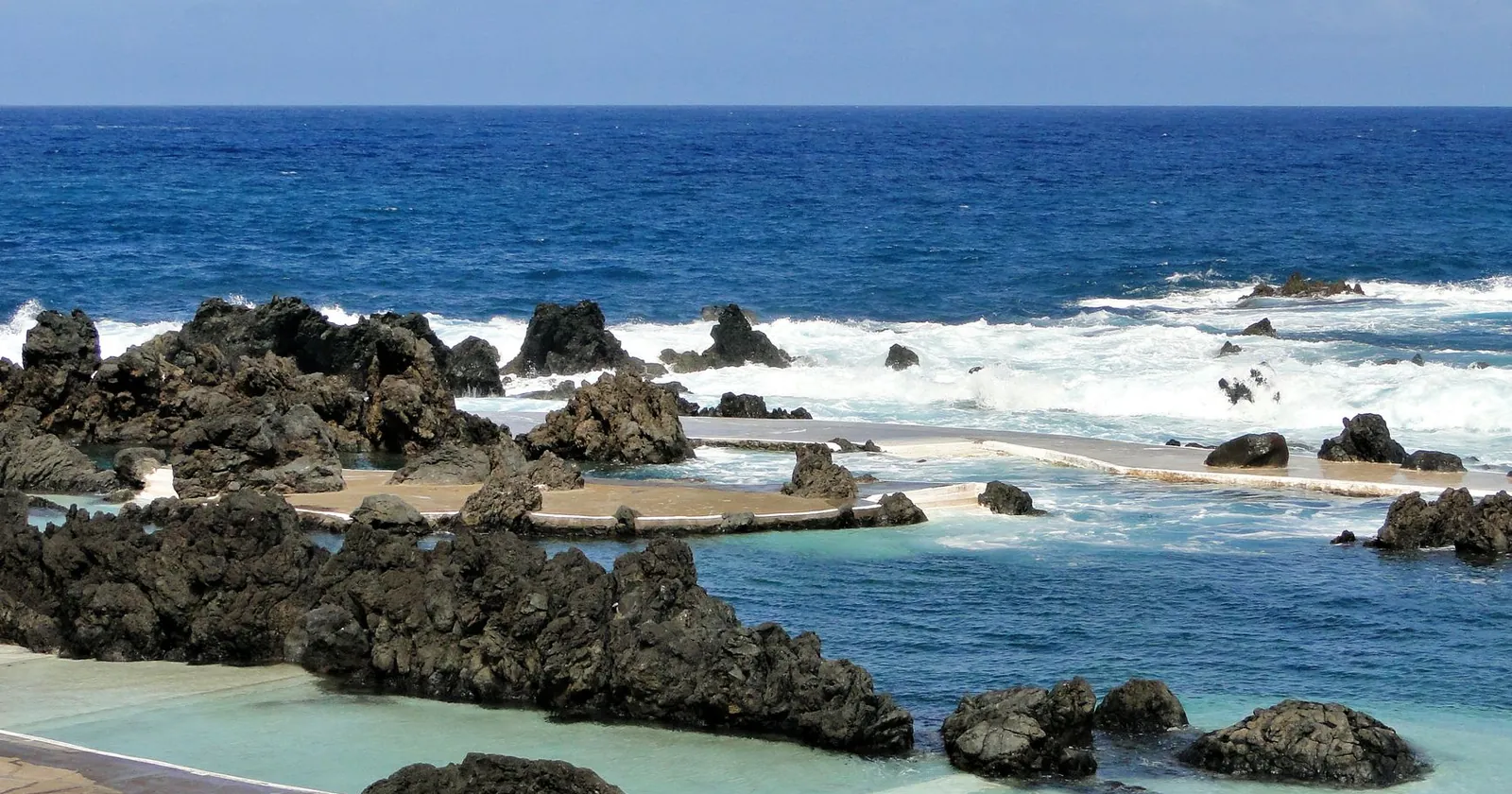
Photo: Ivars via Pexels (free license).
Water temperatures, access and quality change, verify conditions and local rules before you swim.
How to read this list
- Warm & beginner-friendly: cenotes (Mexico), Croatia, Malta.
- Alpine summer: Slovenia's lakes (cool even in summer).
- Cold-water culture: the UK (experience and acclimatisation needed).
- Always: respect cold water and swim with others.
What makes wild swimming safe and worth it
This is a curated overview of wild swimming regions, not a claim to have swum every one, and not our usual nomad-base format. We flag the character and rough water temperature of each, but temperatures, access and water quality change with the season, so treat it as inspiration and check local conditions and rules before you swim. The colder the water, the more the safety basics matter.
Cenotes, Yucatan
Warm, crystal-clear freshwater sinkholes across the Yucatan near nomad hubs like Tulum, Playa del Carmen and Merida, some open and sunlit, some in caverns. Magical, warm and beginner-friendly swimming.
Warm · nomad-friendly Read the guide → 43°30′N 16°26′E · CroatiaDalmatian Coast
Warm, clear Adriatic swims off the coast and islands around Split and Hvar, a comfortable summer sea-swimming base with a growing nomad scene.
Warm sea · summer · nomad hub Read the guide → 36°01′N 14°20′E · MaltaBlue Lagoon, Comino
The famously turquoise, shallow, warm Mediterranean water between Malta and Gozo. Beautiful and beginner-friendly, though very popular, so go early to beat the crowds.
Warm · clear · busy Read the guide → 46°22′N 14°06′E · SloveniaLake Bled & alpine lakes
Postcard alpine-lake swimming, including the classic swim toward Bled's island. Stunning in summer, but alpine water stays cool even then, so treat it as cool-water swimming.
Alpine · cool even in summer Read the guide → 54°27′N 3°05′W · United KingdomLake District & Cornwall
A spiritual home of wild swimming: tarns and lakes in the Lake District and sea swims off Cornwall, with a huge swim community. The water is cold, so acclimatisation and experience matter.
Cold · experienced swimmers Read the guide → 34°04′S 18°28′E · South AfricaCape Town tidal pools
Cape Town's coastline is dotted with scenic natural and man-made tidal pools, a safer way to enjoy the sea near a popular nomad city. The Atlantic side is cold, so respect the temperature.
Tidal pools · cold Atlantic Read the guide →The two numbers that frame every entry below
A list of beautiful places to swim is worth reading alongside the scale of what swimming costs people, and the temperature at which the water starts working against you.
The scale. The World Health Organization's drowning fact sheet, dated 1 May 2026, puts it at “around 300 000 annual drowning deaths worldwide”, with “Ninety-two percent” of them in low- and middle-income countries, and 57 per cent among people aged 0 to 29. That distribution is a reminder that drowning is mostly not a story about recreational swimmers in cold northern lakes: but the swimmer reading this list is nonetheless doing the activity voluntarily, alone, in unsupervised water.
The temperature. The RNLI puts a number on when water turns hostile: “Anything below 15°C is defined as cold water and can seriously affect your breathing and movement.” The mechanism is a reflex, not discomfort, an involuntary gasp, with breathing rates “sometimes increasing as much as tenfold”: and the margin is small: “it only takes half a pint of sea water to enter the lungs for a fully grown man to start drowning.”
Which turns into one rule that applies to every entry on this list regardless of how photogenic it is. If you go in unexpectedly: “Take a minute. The initial effects of cold water pass in less than a minute so don't try to swim straight away. Relax and Float to Live.” The instinct to swim hard immediately is the thing that kills.
Picking your swim
- Total beginner or warm-water lover? Mexican cenotes, Croatia or Malta.
- Alpine scenery in summer? Slovenia's lakes, treated as cool water.
- Want the cold-water community? The UK, with acclimatisation and a group.
- Near a nomad city? Cape Town's tidal pools or the Croatian coast.
Cold-water swimming gear worth packing
Most wild swims need little: goggles, a bright cap and a tow float, plus a wetsuit in cooler water. Cover yourself with proper travel health insurance too.
Yannick Schroth
Founder of NOMADREEF. This is a general overview of wild swimming regions, not a substitute for current local information or the safety basics. Always check conditions, respect cold water, and swim with others. About the author · LinkedIn ↗
FAQ: Wild Swimming Destinations in the World
How cold is too cold?
The RNLI puts cold water shock at anything below 15C, and that includes plenty of summer sea temperatures in northern Europe. Cold does not have to be avoided, but it has to be respected: acclimatise over sessions, never jump straight in, and get out earlier than you think.
What should I do if I get into trouble?
Float to Live, as the RNLI teaches it: tilt your head back with your ears submerged, relax, breathe normally, and spread your arms and legs. Take a minute, because the initial effects of cold water pass in under a minute, then call for help or swim to safety.
Do I need to swim with someone?
Yes. Swim with a group, a coached session or at a supervised venue, be visible with a bright cap and a tow float, and tell someone your plan and your expected exit point.
Sources
- The global scale of drowning. World Health Organization drowning fact sheet, 1 May 2026: “There are around 300 000 annual drowning deaths worldwide”; “Ninety-two percent of drowning deaths occur in low- and middle-income countries”; “Children aged under 5 years account for nearly a quarter of all drowning deaths”; drowning is “the fourth leading cause of death for children aged 1–4 years and the third leading cause of death for children aged 5–14 years”; and “Children and young adults aged 0–29 years account for over half (57%) of all drowning deaths”. who.int. Read 11 September 2026.
- Why 15°C is the threshold, and what happens below it. RNLI, cold water shock: “Anything below 15°C is defined as cold water and can seriously affect your breathing and movement”; “The sudden cooling of the skin by cold water also causes an involuntary gasp for breath. Breathing rates can change uncontrollably, sometimes increasing as much as tenfold”; “it only takes half a pint of sea water to enter the lungs for a fully grown man to start drowning”; and, if you go in unexpectedly, “Take a minute. The initial effects of cold water pass in less than a minute so don't try to swim straight away. Relax and Float to Live.” rnli.org. Read 11 September 2026.
- Each entry links to our full guide for that place, and those guides carry the external sources and read dates behind the claims summarised here. They are the place the readings are recorded, not the evidence for them; the claims here are the ones those guides already verify: Tulum and the Yucatan cenotes, Split and the Dalmatian Coast, Blue Lagoon, Comino, Lake Bled, The Lake District, Cape Town.