Open Water Swimming Gear for Beginners
 by Yannick Schroth
Jul 29, 2026
7 min read
by Yannick Schroth
Jul 29, 2026
7 min read
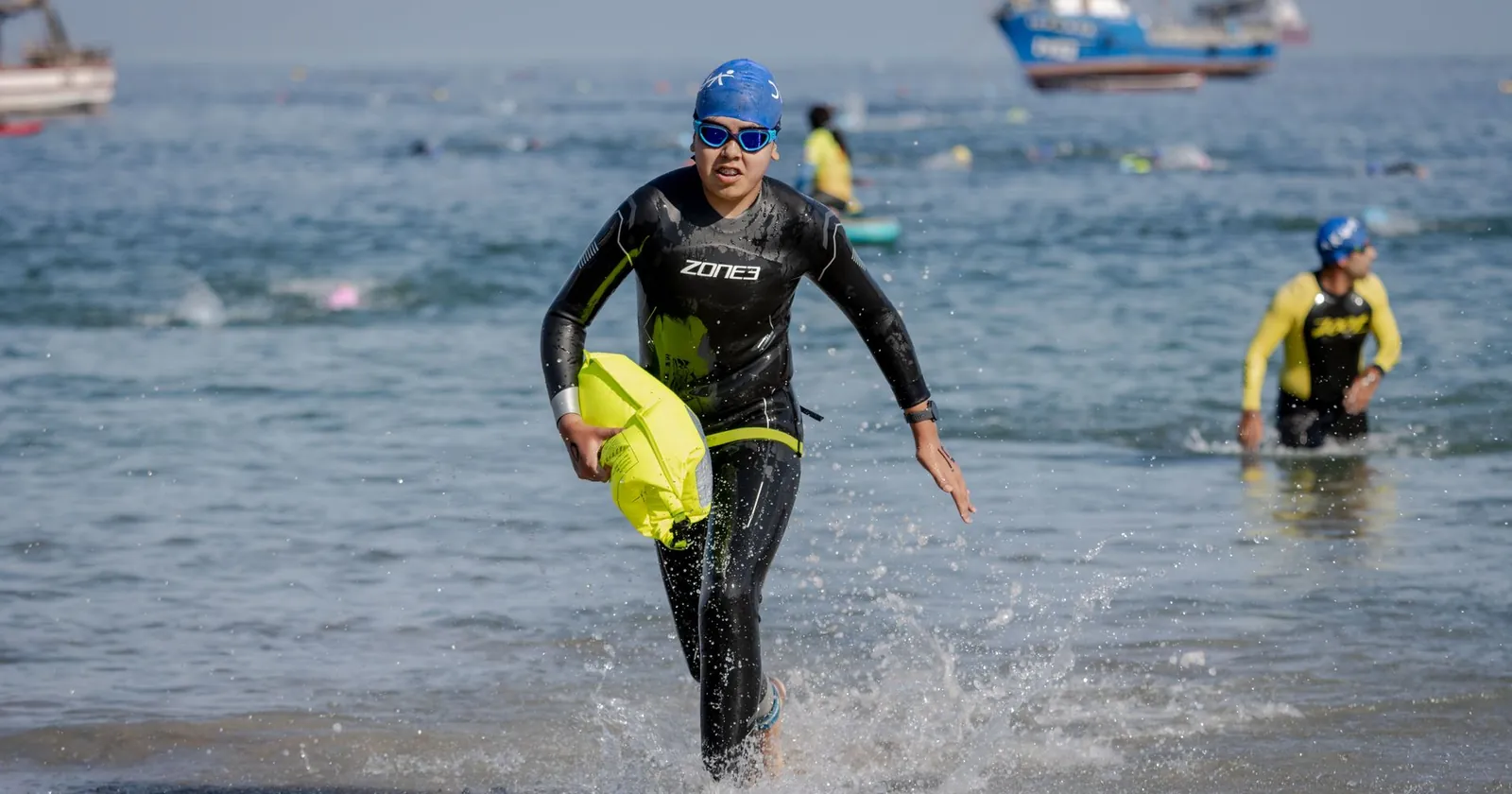
Photo: jose luis Umana via Pexels (free license).
Choices depend on your water temperature and experience; warmth in cold water is a safety matter.
Visibility and a wide-view seal, the cheap essentials.
Browse on Amazon →Leg buoyancy and shoulder flex for a good position and free stroke.
Browse on Amazon →Everything to start safely for very little.
Browse on Amazon →Recommendations by type and spec, not a tested product ranking; confirm fit/size with a shop. Any price is live at the retailer. See our disclosure.
Key takeaways
- Essentials: costume, goggles, bright cap, tow float. Cheap to start.
- Safety kit: the bright cap and tow float are for visibility.
- Warmth is safety: a wetsuit and neoprene in cold water, not just comfort.
- A tow float is not a lifejacket; it aids visibility and rest only.
- Small and light kit; easy to travel with, easy to buy used.
The visibility essentials (safety)
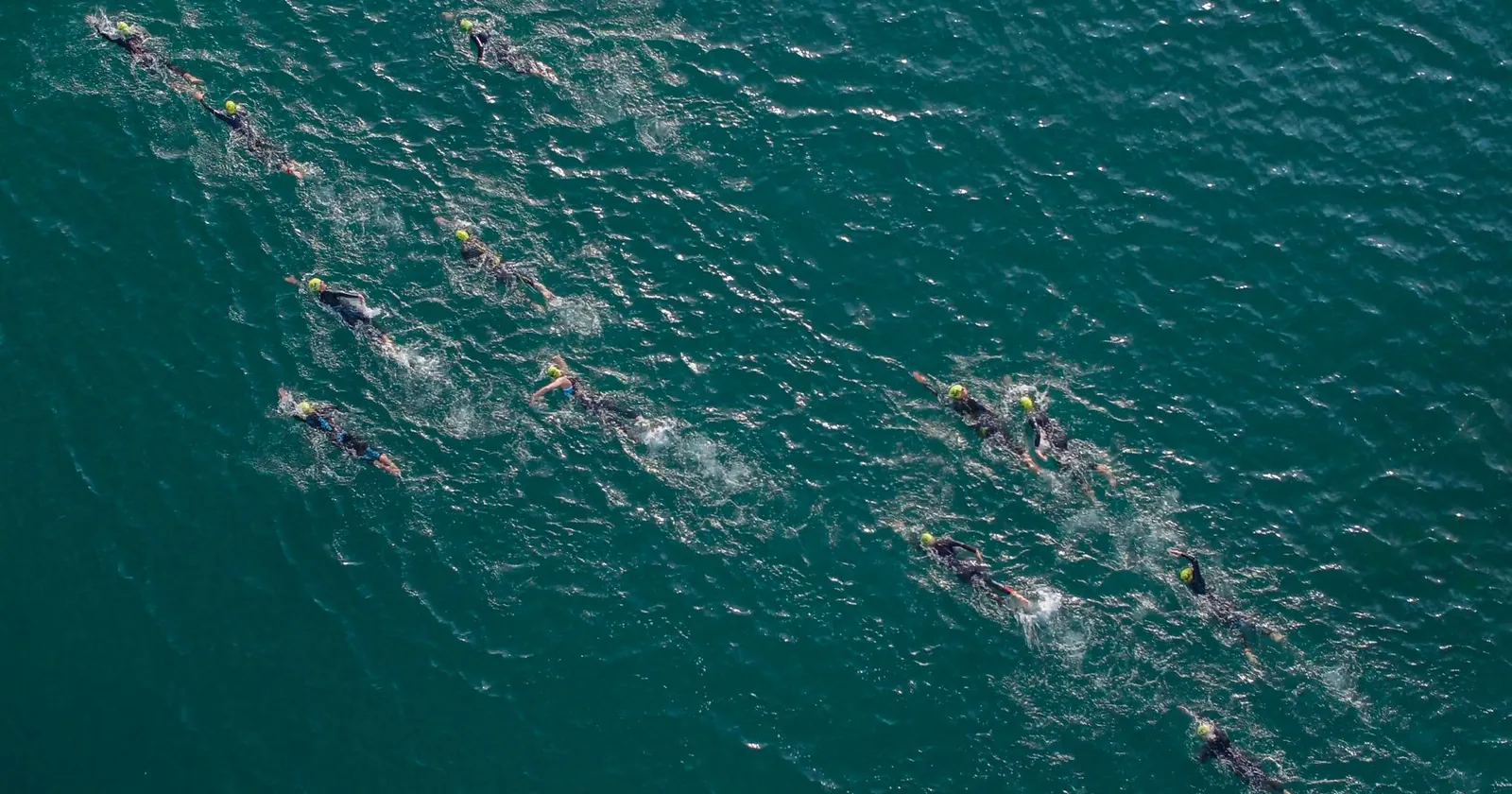
- Brightly-colored swim cap: makes your head easy to spot for boats and spotters.
- Tow float: a bright buoy trailing on a waist leash for visibility and something to rest on. It is not a lifejacket and will not keep an unconscious swimmer's airway clear.
Goggles for open water swimming
For open water, larger-lens or mask-style goggles give a wide field of view for sighting landmarks. Use tinted or mirrored lenses in bright light and clear or low-light lenses when dull; many swimmers carry both. Anti-fog and a comfortable, leak-free fit matter most, try before you rely on them.
The wetsuit (warmth in cool water)
A swim-specific wetsuit differs from a surfing one: more buoyancy in the legs and hips to lift your body into a good swimming position, and thinner, more flexible neoprene at the shoulders so your stroke is not restricted. You can start in a surfing wetsuit or a costume in warm water, but if you swim often in the cool, a swim wetsuit is far more comfortable and efficient. See our travel wetsuit guide for warmth basics.
Cold-water extras
As the water gets cold, add neoprene gloves, booties and a neoprene cap (worn under or with the bright cap) to protect the extremities. Cold and winter swimming take experience; build up slowly and swim with a group.
What the gear is actually protecting you from
Buying guides for open water treat the wetsuit as warmth and the tow float as visibility. The lifeboat service describes both as answers to a specific physiological event, and the description is worth having while you choose thickness.
The RNLI defines the threshold precisely: “Anything below 15°C is defined as cold water and can seriously affect your breathing and movement.” Most open water in northern Europe is below that for most of the year. What happens on entry is involuntary: “The sudden cooling of the skin by cold water also causes an involuntary gasp for breath. Breathing rates can change uncontrollably, sometimes increasing as much as tenfold.” And the tolerance is smaller than people think: “it only takes half a pint of sea water to enter the lungs for a fully grown man to start drowning”.
That reframes two items on this page. The wetsuit is not only warmth for the swim; it blunts the shock of the first thirty seconds, which is the part that drowns people. The tow float is not only so boats see you; it is something to hold while the gasp reflex passes, which is what the RNLI's own instruction depends on: “Take a minute. The initial effects of cold water pass in less than a minute so don't try to swim straight away. Relax and Float to Live.”
For scale on why any of this matters: the World Health Organization counts around 300,000 drowning deaths a year worldwide. Most are not cold-water swimmers in wetsuits: 92 per cent are in low- and middle-income countries: but the mechanism the gear addresses is the same one.
Open water swimming brands worth a look
| Item | Beginner priority | Examples |
|---|---|---|
| Tow float | Bright, comfortable leash | Swim Secure, New Wave, Zone3 |
| Goggles | Wide view, anti-fog, good fit | Zoggs, Aqua Sphere, Zone3, Speedo |
| Swim wetsuit | Leg buoyancy, shoulder flex | Orca, Zone3, Blueseventy, 2XU |
| Neoprene extras | Gloves, booties, cap | Orca, Zone3, various |
These are examples, not a ranked verdict; try goggles and wetsuits for fit before relying on them. Browse swim gear on Amazon (affiliate), and specialist swim retailers for wetsuits.
FAQ: open water swimming gear
What gear do you need for open water swimming?
The core kit is a swimsuit, open water goggles, a brightly-colored swim cap and a tow float for visibility. In cooler water you add a wetsuit, and often neoprene gloves, booties and a cap for warmth. The bright cap and tow float are safety items (visibility), while the wetsuit and neoprene are about warmth, which is itself a safety issue in cold water. You can start with very little and add cold-water kit as needed.
Do I need an open water wetsuit or can I use a surfing one?
You can swim in a surfing wetsuit, but dedicated swimming wetsuits are designed differently: they have more buoyancy (especially in the legs and hips) to lift your body into a good swimming position, and thinner, more flexible neoprene in the shoulders so your stroke is not restricted. If you swim often, a swim-specific wetsuit is more comfortable and efficient; if you only swim occasionally in warm water, a costume or a general wetsuit you already own is fine to start.
Is a tow float a lifejacket?
No. A tow float is a brightly-colored buoy that trails behind you to make you visible and to give you something to rest on, but it is not a certified lifejacket or personal flotation device and will not keep an unconscious swimmer's airway clear. It is strongly recommended for visibility and reassurance, but it does not replace swimming within your ability, swimming with others, and respecting the conditions. Treat it as a visibility and rest aid, not a safety device that will save you.
What goggles are best for open water?
For open water, larger-lens or mask-style goggles give a wider field of view for sighting landmarks, and tinted or mirrored lenses help in bright outdoor light while clear or low-light lenses suit dull or early conditions. Anti-fog and a comfortable, leak-free fit matter most. Many swimmers carry two tints for different light. Try goggles for fit before relying on them, as a leaking or fogging pair is miserable in open water where you cannot just stop at the wall.
Should I buy or rent open water swimming gear?
Open water swimming gear is relatively cheap and personal, so most people buy their own rather than rent. Start with the essentials, a costume, goggles, a bright cap and a tow float, which are inexpensive, then add a wetsuit and cold-water neoprene as your swimming and the seasons demand. Wetsuits can be bought used to save money. Because the kit is small and light, it is also easy to travel with, which suits nomads well.
Yannick Schroth
Founder of NOMADREEF and a former digital nomad. This guide explains open water swimming gear and beginner priorities; brand names are examples. Gear supports safe swimming habits but does not replace them, always read the safety guide and swim with others. About the author · LinkedIn ↗
Sources
- Why 15°C is the threshold, and what happens below it. RNLI, cold water shock: “Anything below 15°C is defined as cold water and can seriously affect your breathing and movement”; “The sudden cooling of the skin by cold water also causes an involuntary gasp for breath. Breathing rates can change uncontrollably, sometimes increasing as much as tenfold”; “it only takes half a pint of sea water to enter the lungs for a fully grown man to start drowning”; and, if you go in unexpectedly, “Take a minute. The initial effects of cold water pass in less than a minute so don't try to swim straight away. Relax and Float to Live.” rnli.org. Read 11 September 2026.
- The global scale of drowning. World Health Organization drowning fact sheet, 1 May 2026: “There are around 300 000 annual drowning deaths worldwide”; “Ninety-two percent of drowning deaths occur in low- and middle-income countries”; “Children aged under 5 years account for nearly a quarter of all drowning deaths”; drowning is “the fourth leading cause of death for children aged 1–4 years and the third leading cause of death for children aged 5–14 years”; and “Children and young adults aged 0–29 years account for over half (57%) of all drowning deaths”. who.int. Read 11 September 2026.
- Open water swimming gear conventions (tow float visibility, swim-specific wetsuit design, goggles).
- Our own how to start open water swimming and travel wetsuit guides.