Ericeira vs Lagos: Which Portugal Surf Base in 2026?
 by Yannick SchrothAug 3, 20266 min read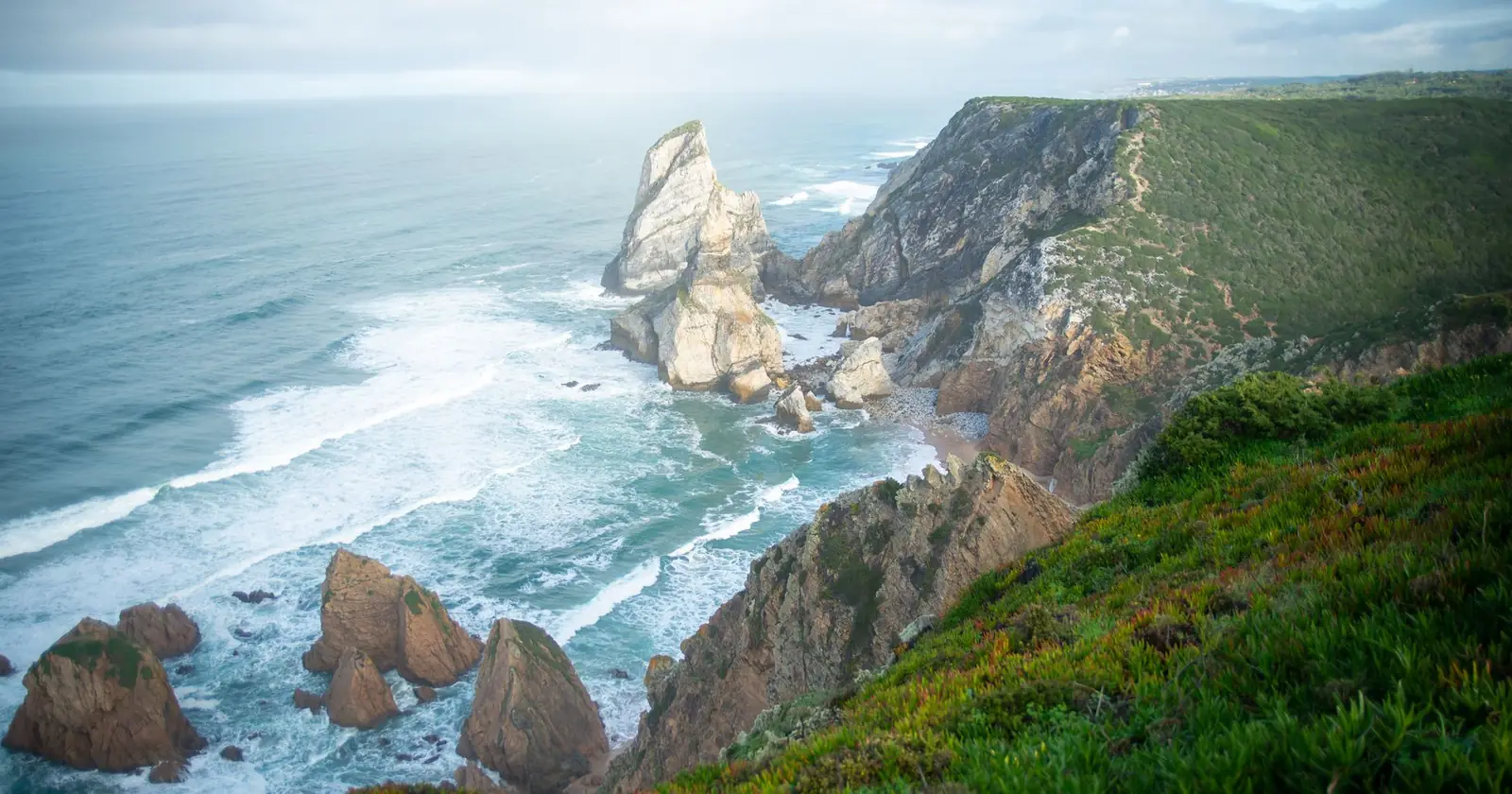
Photo: Kampus Production / Pexels.
Best for
- Serious, varied surf and a surf-first town: Ericeira, a World Surfing Reserve
- Warm, mellow Algarve beaches and nightlife: Lagos
| Ericeira | Lagos | |
|---|---|---|
| Waves | World Surfing Reserve: beach breaks to heavy reefs | Sheltered coves, mellower, more beginner-friendly |
| Water and climate | Cooler Atlantic, powerful in autumn/winter | Warmer south coast, gentler |
| Vibe | Surf-first town, north of Lisbon | Holiday and nightlife town, Algarve |
| Cost | Mid, Portuguese | Mid, tourist-driven in summer |
| Season | Autumn and winter strongest | Long, milder season; summer is busy |
| Visa | Portugal D8 or Schengen | Same |
| Best for | Committed surfers | Warm beaches and a social scene |
Ericeira in short
Ericeira is one of only a handful of World Surfing Reserves: a compact, surf-first town just north of Lisbon with a genuine range of waves, from beginner beach breaks to heavy, expert reefs like Coxos and Ribeira d'Ilhas. The water is cooler Atlantic and it turns powerful in autumn and winter, which is the point. If you are here mainly to surf and progress, Ericeira delivers.
Lagos in short
Lagos, on the Algarve, is warmer, mellower and more of a holiday town: sheltered coves, golden beaches and a lively summer and nightlife scene, with gentler, more beginner-friendly surf than Ericeira. It suits people who want warm-water beach life, easy access and a social atmosphere as much as the waves, and it is one of the most popular nomad spots in the south.
Ericeira or Lagos: the short version
Choose Ericeira if surfing is the priority and you want powerful, varied waves and a surf-town feel; choose Lagos for warmer water, gentler surf and a beachy, social Algarve base. Both are on the D8 visa, so it comes down to serious surf and cooler Atlantic versus warm, easy beach life.
Ericeira or Lagos: which to pick
- If surfing and wave quality come first: Ericeira.
- If you want warm water, gentler surf and a social beach town: Lagos.
- Both are on Portugal's D8 visa; Ericeira peaks in autumn/winter, Lagos is milder and busy in summer.
One of these coasts is a protected surfing reserve. The other is not.
The two towns are usually compared on waves and cost. There is a formal difference that neither brochure mentions: in October 2011 Ericeira was dedicated as the second World Surfing Reserve anywhere, covering approximately 5 km of coastline that Save The Waves describes as holding “a high density of outstanding surf breaks, including iconic breaks such as Ribeira d'Ilhas and Coxos”. Five kilometres is the whole reserve. Lagos has no such designation.
For a visitor that is not a quality ranking. It is a statement about what happens next: a designated reserve has a local stewardship council, a management plan and a standing argument against coastal development. It is the reason Ericeira's breaks are discussed in planning terms at all.
The other difference is a legal one, and it applies to both equally. Portugal sits inside the Schengen area, where non-EU nationals get “up to 90 days in any 180-day period” across all 29 countries counted together. Moving from Ericeira to Lagos does not restart anything: the Commission's wording is that travellers “can enter Schengen area countries as many times as they want, but only stay for a total of 90 days, every 180 days”. A full winter in either means the same instrument: “Visas for stays exceeding 90 days are subject to national procedures”, which in Portugal is the national long-stay route rather than anything European.
FAQ: Ericeira vs Lagos
Is Ericeira or Lagos better for surfing?
Ericeira, for serious and varied surf: as a World Surfing Reserve it has everything from beginner beach breaks to heavy reefs, and it turns powerful in autumn and winter. Lagos has gentler, more beginner-friendly waves in warmer water, better for learners and casual surf.
Which is warmer?
Lagos, on the south-facing Algarve, is noticeably warmer than Ericeira's cooler Atlantic coast north of Lisbon, both in air and water. That makes Lagos the easier winter base and Ericeira the more powerful surf season in the colder months.
Which has the better nomad scene?
Both are established, but Lagos has a bigger holiday-and-nightlife energy, while Ericeira is more surf-focused and low-key. Choose by whether you want a social beach town or a surf-first base; both work on the D8 visa.
Sources
- The reserve designation. Save The Waves Coalition, Ericeira World Surfing Reserve: “Dedicated October 2011”, the “2nd World Surfing Reserve”; “The Ericeira World Surfing Reserve is a world-class surf zone encompassing approximately 5 km of coastline” and “contains a high density of outstanding surf breaks, including iconic breaks such as Ribeira d’Ilhas and Coxos, among others.” (The same page still names the contest at Ribeira d’Ilhas as an ASP event; the ASP was renamed the World Surf League in 2015, so that part of the page has not been maintained.) savethewaves.org. Read 13 September 2026.
- The 90-day window both towns sit inside. European Commission, Migration and Home Affairs, visa policy (page dated 23 June 2025): “all 29 countries in the Schengen area apply the same visa rules”, with visits “of up to 90 days in any 180-day period”; “They can enter Schengen area countries as many times as they want, but only stay for a total of 90 days, every 180 days”; “Visas for stays exceeding 90 days are subject to national procedures.” home-affairs.ec.europa.eu. Read 13 September 2026.
- This comparison is assembled from our two full destination guides, and every cost, wifi, season and visa claim above is one those guides already verify: Ericeira, Portugal, Lagos, Algarve.
- How we work: editorial standards.