Dakhla for Digital Nomads & Kitesurfers: A Working Base in 2026
 by Yannick Schroth
Jul 29, 2026
11 min read
by Yannick Schroth
Jul 29, 2026
11 min read
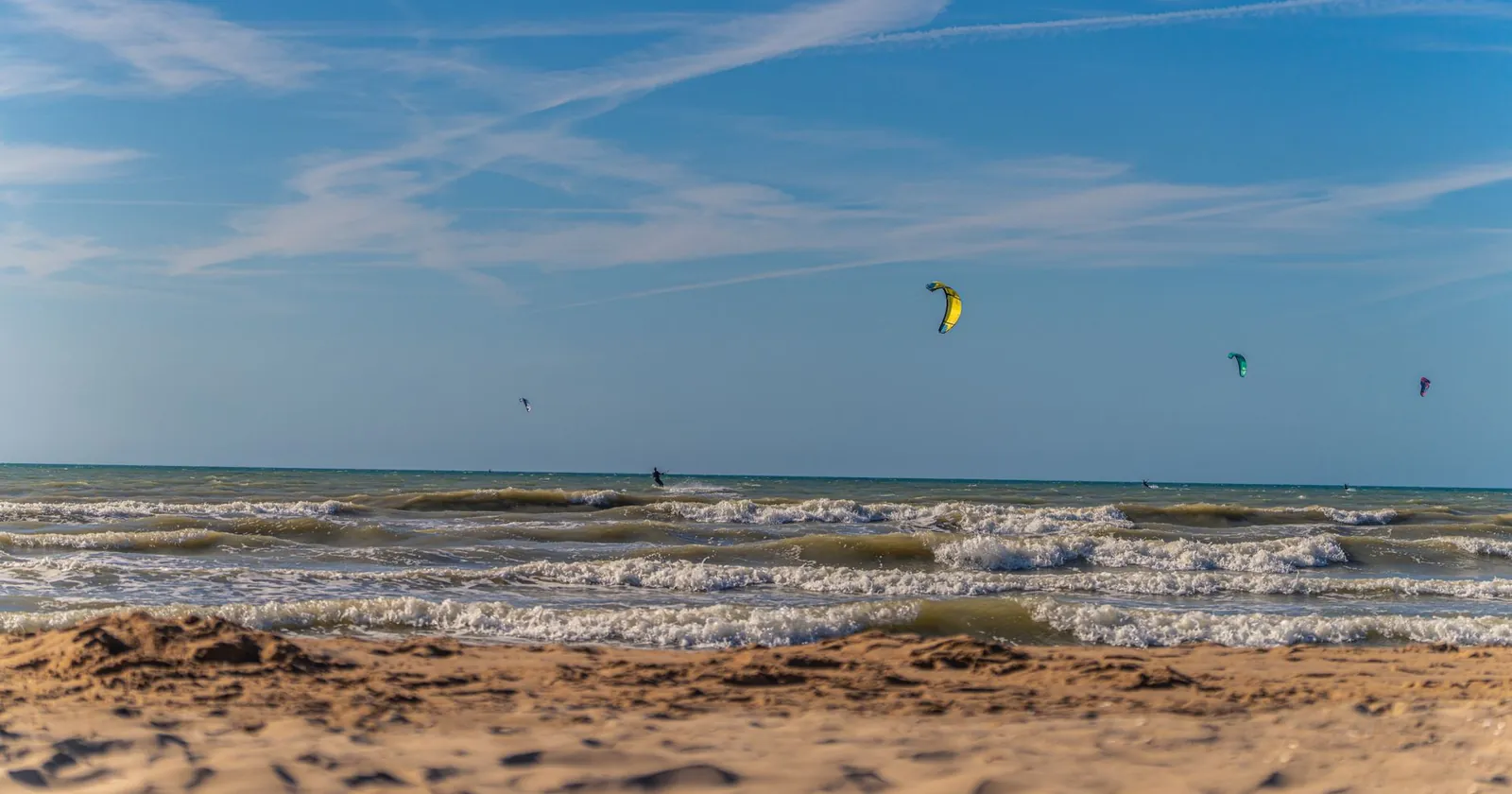
Photo: MPL Original via Pexels (free license).
Figures are indicative and "as of 2026"; verify prices, visa rules and current travel advice before you rely on them.
Key takeaways
- Best for: world-class flat-water kitesurfing with near-constant wind.
- Think twice if: you want a city, fast lagoon-camp wifi, or warm tropical water.
- Cost: roughly $1,000 to $1,900 a month; town cheaper than lagoon resorts.
- Wind: reliable much of the year, strongest around April to September.
- Visa: Moroccan rules apply, no dedicated nomad visa; check travel advice too.
Why Dakhla works (and doesn't) for a nomad who kites
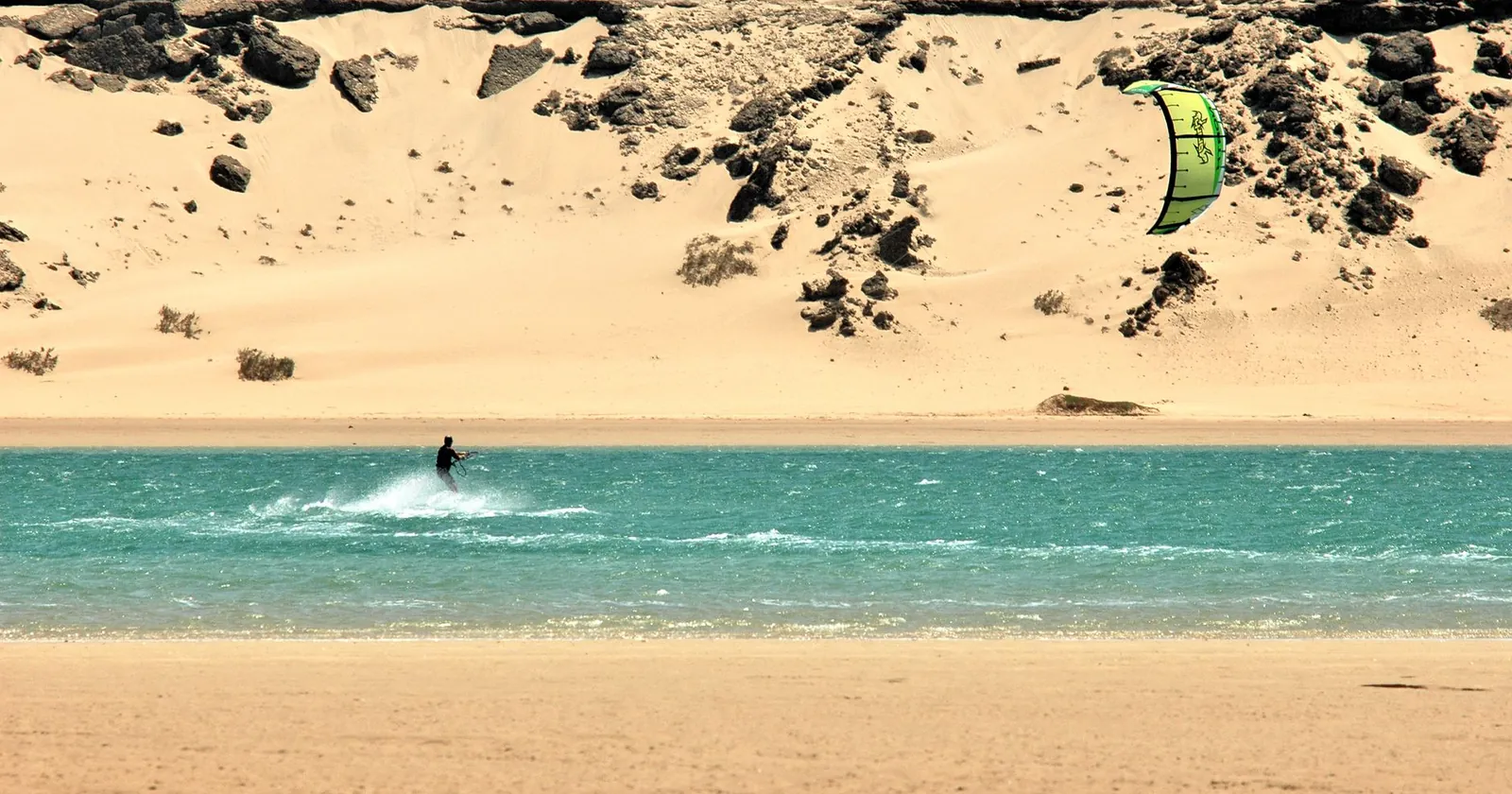
Far down the Atlantic coast, Dakhla sits on a long, thin peninsula in Morocco's far south (the Western Sahara region administered by Morocco). For a kitesurfer, it is close to a dream: a huge flat-water lagoon on one side, ocean waves on the other, and near-constant wind for much of the year, all in a stark, beautiful desert setting. The limits: it is remote (you fly in), the water is cool (wetsuit weather), wifi is better in town than at some lagoon camps, and it is a specialist escape, not a city with a big nomad scene. For serious wind, though, few places rival it.
Kitesurfing Dakhla: a world-class lagoon
The setup is special: the lagoon is large, shallow and flat, ideal for learning and freestyle, while the Atlantic side offers waves for the experienced, and the trade winds are remarkably consistent. A cluster of specialist kite camps lines the lagoon, many running IKO-style lessons and downwinders. The strongest season is generally April to September, though it blows much of the year. Read our how to learn kitesurfing guide first.
Beyond kiting: desert and lagoon
Dakhla is a nature-and-wind escape. The lagoon has flamingos and dolphins, there are desert excursions (dunes, the white dune, hot springs), and local oysters are a specialty. It is quiet and remote, closer to a wind-and-nature retreat than a nightlife destination.
Wifi and remote-work reality in Dakhla
Be realistic. Wifi is workable, and better in Dakhla town (cafés, mobile coverage, cheap Moroccan data) than at some remote lagoon camps, which can have limited or slower connections. If you need to work reliably, check the specific place carefully, consider basing in or near town, and keep a local SIM as backup. Coverage differs by carrier; see the eSIM comparison. As of 2026.
Cost of living in Dakhla
Costs are moderate: Dakhla town is affordable, while lagoon kite camps/resorts run pricier. A comfortable nomad month lands around $1,000 to $1,900. Rough numbers:
| Item | Typical |
|---|---|
| Town rental | affordable; confirm locally |
| Lagoon kite camp | pricier (package stays) |
| Local Moroccan meal | a few dollars |
| Kite gear rental (day) | confirm locally |
To spend at the real exchange rate and avoid card fees, see the best bank account for nomads guide.
Visas and travel advice
Dakhla is administered by Morocco, so Moroccan entry rules apply. As of 2026, Morocco has no dedicated digital nomad visa; many nationalities enter visa-free as tourists for up to 90 days, extendable once (up to around six months). We cover the full Morocco visa breakdown in the Taghazout guide, so we will not repeat it here.
Also check current travel advice. Because Dakhla is in a region whose status is disputed, some governments issue specific travel advisories for parts of this area; check your own government's current advice before booking, alongside confirming entry rules with Moroccan authorities.
Getting to Dakhla
Most people fly into Dakhla (VIL/DAX), typically via Casablanca or another Moroccan hub; some kite camps arrange transfers. Stays are on Booking.com (affiliate). Most camps sit well outside town on the lagoon and usually run their own shuttle, so confirm that first and only book a transfer through GetTransfer (affiliate) if they do not. Excursions are on Klook (affiliate).
Who Dakhla suits, and who it does not
- Great if you want world-class, near-constant wind and a flat lagoon, love a remote desert setting, and can arrange reliable wifi.
- Think twice if you want a city, a big social scene, warm tropical water, or seamless connectivity at a remote camp.
A winter season that costs you nothing from the European allowance
Dakhla's case as a winter base is usually made on wind and lagoon. For anyone working their way around Europe there is a second argument that is easier to check and often worth more.
Morocco is not in the Schengen area. The European Commission's own description of that area: it “is composed of 29 countries: 25 EU Member States and 4 non-EU countries (Iceland, Norway, Switzerland and Liechtenstein)”, with “Bulgaria and Romania being the last countries to join on 1 January 2025”. Morocco appears in none of it. A winter month here therefore takes nothing out of the 90 days in any 180 that a non-EU traveller is allowed in Schengen, which, for somebody whose European allowance is the binding constraint on a year, is the whole point of the place.
Morocco has its own entry rules, which change and are not covered by anything above. The durable part is narrower: whatever Morocco asks of you, it is not deducted from a Schengen window.
The kit question is the same as anywhere sandy. Since 14 February 2020, ISO 21853 has governed quick-release systems on kite bars and safety leashes, with a maximum release force of 170 N or less and an opening time of two seconds or less, tested clean and dry, in dry sand, in water with and without sand, and cold and wet. Dakhla is a desert lagoon with a long season and a large rental fleet; whether a bar postdates the standard is a reasonable thing to ask.
FAQ: living and kiting in Dakhla
How much does it cost to live in Dakhla as a digital nomad?
Budget roughly $1,000 to $1,900 a month. Dakhla is remote, and much of its kite scene is built around lagoon camps and resorts that can be pricier than staying in Dakhla town, where costs are lower. Local Moroccan food is cheap, and town rentals are affordable, but the flip side of remoteness is that some goods cost more. Verify current prices, which rise in peak wind season.
Why is Dakhla a top kitesurfing spot?
Dakhla sits on a long, thin peninsula with the Atlantic on one side and a large, shallow, flat-water lagoon on the other, and it gets remarkably consistent trade winds for much of the year. That combination of near-constant wind and a huge flat lagoon (plus ocean waves nearby) makes it one of the world's most reliable kitesurfing destinations, with a cluster of specialist kite camps.
Do I need a visa to live in Dakhla?
Dakhla is administered by Morocco, so Moroccan entry rules apply. As of 2026 Morocco has no dedicated digital nomad visa; many nationalities enter visa-free as tourists for up to 90 days, extendable once at a police prefecture (up to around six months). See our Taghazout guide for the full Morocco visa breakdown, and confirm current rules with Moroccan authorities before you rely on this.
Is the wifi in Dakhla good enough for remote work?
It is workable, better in Dakhla town than at some remote lagoon camps. The town has cafes and mobile coverage, and Moroccan mobile data is cheap, but the kite camps out on the lagoon can have limited or slower connections, so if you need to work reliably, check the specific place carefully and keep a local SIM as backup. Confirm before you rely on it, especially for video calls.
When is the best time to kitesurf in Dakhla?
Dakhla is windy for a large part of the year, with the strongest, most reliable season generally in the warmer months (around April to September). It can be windy outside that too. The water is on the cooler side (a wetsuit is normal), and the climate is desert-dry. Always check the current forecast, as conditions vary.
Is Dakhla safe and what else is there to do?
Dakhla is a remote desert-and-ocean destination popular with kitesurfers; as anywhere, check your government's current travel advice for the region before booking, since advisories for parts of this area can change. Beyond kiting there is the lagoon and its wildlife (flamingos, dolphins), desert excursions, oysters and a quiet, wind-and-nature pace. It is a specialist wind escape rather than a city.
Yannick Schroth
Founder of NOMADREEF and a former digital nomad who has based across Europe, Asia and Latin America. This guide is researched and cites its sources; the Morocco visa detail is covered in our Taghazout guide, we flag that travel advice for this region should be checked, and where we lack first-hand time in Dakhla we say so. About the author · LinkedIn ↗
Sources
- What the Schengen area is, and that Morocco is not in it. European Commission, Migration and Home Affairs, the Schengen area: it “is composed of 29 countries: 25 EU Member States and 4 non-EU countries (Iceland, Norway, Switzerland and Liechtenstein)”, with “Bulgaria and Romania being the last countries to join on 1 January 2025”. home-affairs.ec.europa.eu. Read 13 September 2026.
- The quick-release standard. Global Kitesports Association on ISO 21853:2020, in force “14th February 2020”, covering “quick-release systems on kite bars and safety leashes” with a “maximum release force (equal to or less than 170N) and opening time (equal to or less than 2 seconds)”, tested across dry and clean conditions, dry sand, water with and without sand, and cold and wet. global-kitesports.org. Read 13 September 2026.
- Dakhla kitesurfing (lagoon, trade winds, season); IKO school network. ikointl.com.
- Morocco entry (no dedicated nomad visa; 90-day visa-free entry, extendable). Confirm with Moroccan authorities; check your government's travel advice for the region.
- Our own Taghazout guide for the full Morocco visa breakdown.