Malta Diving: 60 Licensed Centres and a 50-Year Rule
 by Yannick Schroth
Sep 14, 2026
6 min read
by Yannick Schroth
Sep 14, 2026
6 min read
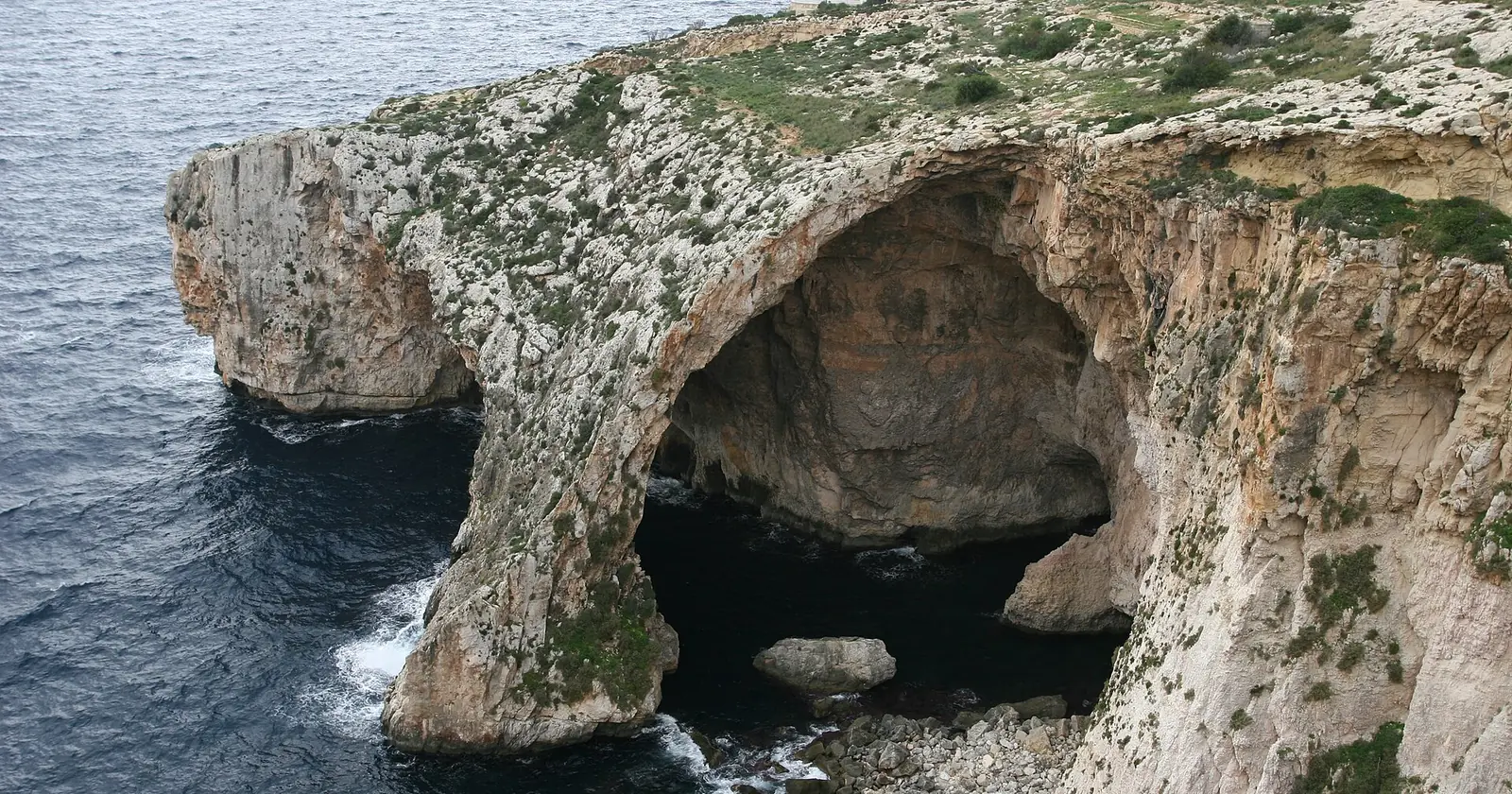
Photo: Chris Brown, Wikimedia Commons, CC BY 2.0.

Key takeaways
- Diving is licensed here, and the register is public. The Malta Tourism Authority lists 78 businesses in its Diving sector; 59 of them are on Malta and 19 on Gozo.
- Of every place here with more than fifty businesses, Malta has the highest share carrying a licence, 98 per cent, against 93 in Sharm El-Sheikh and 76 in Hurghada.
- The 50-year rule is the one to know. Protection follows age, not fame, so an unremarkable hull can be a protected site.
- The ratings lean technical: 9 of the 19 Malta centres in the SSI register are listed for Extended Range, against 22 per cent across all 972 SSI centres here.
- No Green Fins members on either island. Nobody here has had an in-person environmental assessment.
What a Maltese diving licence is, and what it is not
Recreational diving in Malta is licensed work. The Malta Tourism Authority issues the licence under Chapter 409 of the Travel and Tourism Services Act and S.L. 409.13, the Recreational Diving Services Regulations, and, the part that matters for a visitor, it publishes the holders. The register is searchable by locality, each entry carries a reference, and the requirements behind it are unusually specific: the person in charge must document 400 dives, of which 300 in local waters.
That is why the Malta operator list reads differently from most places we cover. 59 of 60 records carry a licence reference; on Gozo it is 19 of 21. For comparison, the strongest Egyptian list manages 101 of 109, and Hurghada 68 of 90.
Two qualifications, both from the register itself. It licenses “diving operations”, and some holders are beach concessions and watersports centres rather than dedicated dive schools: they are on the list because the state licensed them for diving, not because we judged them a dive centre. And a licence says the business was licensed on the date shown. It says nothing about the boat, the briefing or the instructor you will actually meet.
The rule almost nobody mentions: 50 years
Malta's wrecks are the reason most people come, and there is a legal layer under them that dive marketing rarely explains. Act No. XIX of 2019 amended the 2002 Cultural Heritage Act and, in the words of Heritage Malta's own virtual museum, “included any cultural remains over 50 years old on the seabed as part of Malta's underwater cultural heritage”.
Read that as a diver. Protection is triggered by age, not by fame or by a name on a dive map. A hull nobody has written about, lying in twenty metres, can be protected cultural heritage on exactly the same footing as a celebrated wreck.
The institutions are split in a way worth knowing if you ever need to ask: “The 2002 Act set up the Superintendence of Cultural Heritage as the regulator of cultural heritage, and Heritage Malta as the operator”, and within Heritage Malta an Underwater Cultural Heritage Unit manages documentation and access.
The conduct rules are published in plain language, and they are stricter than the habits many divers arrive with:
- “Do not penetrate the wreck, observe from the outside”
- “Look but don't touch”
- “Avoid touching and disturbing any marine flora or fauna”
- “Avoid contact with the wreck when taking photographs”
Nothing in that list is unusual as good practice. What is unusual is that it attaches to a legal designation rather than to a briefing, and that it applies to more of the seabed than a visitor would guess.
What the training registers add
Nineteen of the 60 Malta businesses also appear in the SSI register of affiliated centres, and the pattern there says something about the diving. 9 of the 19 are listed for Extended Range, against 22 per cent across all 972 SSI centres here. Five are listed for freediving, one for rebreather, one for Extended Range instructor training. On Gozo the concentration is higher still: 7 of 9.
A rating means the body lists the centre for that programme. It is not a promise that a course runs this week. But a cluster this size is a reasonable place to start if you want depth, and it fits a coast whose best-known sites are wrecks rather than reefs.
The blank on both islands is the same as in Egypt: no Green Fins members, so nobody here has had an in-person environmental assessment. The licence tells you the business may trade; it is not that check, and nothing on our list is.
How to use the Malta operator list
Because the licence register is public and nearly complete on our page, Malta is the rare place where a simple question works: ask for the licence reference and look it up. If a business is not in the register, that is worth asking about rather than assuming, and if it is, you have learned exactly one fact, a real one.
For the island question rather than the business question, Gozo vs Malta sets the two lists side by side with the shore-diving reputation that runs the other way from the numbers.
FAQ: Malta diving
Are dive centres in Malta licensed?
Yes. The Malta Tourism Authority licenses recreational diving under Chapter 409 of the Travel and Tourism Services Act and S.L. 409.13, and its register of licensed establishments is public. The Diving sector held 78 entries when we read it on 14 September 2026, and 59 of the 60 businesses on our Malta list carry one.
Can I dive on a historic wreck in Malta?
Some are open with managed access. Act No. XIX of 2019 amended the 2002 Cultural Heritage Act to include any cultural remains over 50 years old on the seabed, so a wreck does not have to be famous to be protected. The published guidance for divers is to observe from the outside, not to penetrate the wreck, and not to touch anything.
How many dive centres does Malta have?
This list carries 60 on Malta and 21 on Gozo. The state licence register held 78 diving entries across both islands on 14 September 2026, so the list is close to the whole set rather than a selection.
Is Malta good for technical diving?
The SSI register lists 9 of the 19 Malta centres in it for Extended Range, against 22 per cent across every SSI centre here. Gozo runs higher still at 7 of 9. Deep wrecks are the obvious reason.
Writes NOMADREEF and compiles its operator directory. This guide is desk research from published registers, not a trip report, and says so at the top. About the author
Sources
- The licence and its register. Malta Tourism Authority, Licensed Establishments, sector Diving: the public register of establishments currently licensed by the Authority, 78 entries in the Diving sector, read 14 September 2026; the licence is issued under “Chapter 409 of Travel and Tourism Services Act” and “Subsidiary Legislation 409.13: Recreational Diving Services Regulations”, and the Director of Diving must declare a “minimum of 400 dives, of which 300 are in local waters”. mta.com.mt. Read 14 September 2026.
- The law under the wrecks. Heritage Malta, Underwater Malta, The Virtual Museum, Shipwrecks & the law: “Act No. XIX of 2019, which made amends to the 2002 Cultural Heritage Act and included any cultural remains over 50 years old on the seabed as part of Malta's underwater cultural heritage”; “The 2002 Act set up the Superintendence of Cultural Heritage as the regulator of cultural heritage, and Heritage Malta as the operator”; the published diver guidance includes “Do not penetrate the wreck, observe from the outside”, “Look but don't touch”, “Avoid touching and disturbing any marine flora or fauna” and “Avoid contact with the wreck when taking photographs”. underwatermalta.org. Read 14 September 2026.
- Counted from the MTA register of licensed establishments and the SSI register of affiliated centres, read 14 September 2026, with the site-wide comparison counted across the 972 SSI centres in our operator data. Every figure is recorded per business on the Malta and Gozo operator lists, which are where the readings are kept rather than the evidence for them.