Kalpitiya vs Mui Ne: Which Kite Base in 2026?
 by Yannick SchrothAug 3, 20266 min read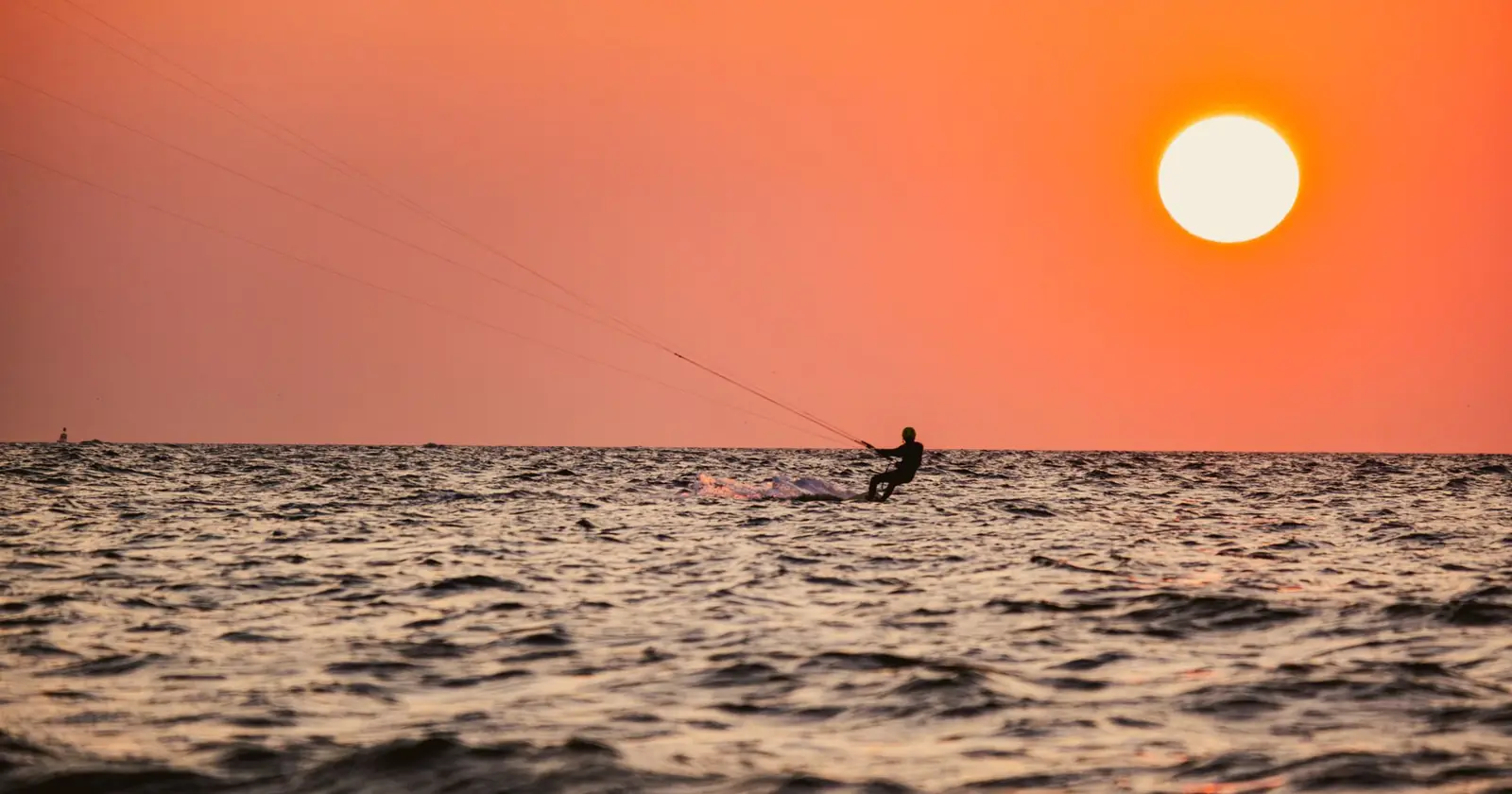
Photo: Jonas Horsch / Pexels.
Best for
- A huge flat-water lagoon, superb for learning: Kalpitiya, Sri Lanka
- Reliable strong wind and a bigger scene: Mui Ne, Vietnam
| Kalpitiya | Mui Ne | |
|---|---|---|
| Water | Vast, shallow flat-water lagoon | Choppy to wavy sea, some flat |
| Wind | Two monsoon windows, reliable in season | Strong, dependable (Nov to Apr) |
| Level | Excellent for beginners | Beginner to advanced, punchier |
| Scene | Smaller, camps and lagoon | Bigger, developed kite town |
| Cost | Rock-bottom | Cheap |
| Visa | Sri Lanka nomad visa or ETA | Vietnam 90-day e-visa (no nomad visa) |
| Best for | Flat-water learning, cheapest | Reliable strong wind and a scene |
Kalpitiya in short
Kalpitiya, on Sri Lanka's northwest coast, is built around a vast, shallow flat-water lagoon that is one of the best places anywhere to learn to kite: waist-deep water, space, and reliable wind in its two monsoon windows, all at rock-bottom prices. It is smaller and more camp-based than Mui Ne, and Sri Lanka now has a nomad visa, so it works for a longer stay too.
Mui Ne in short
Mui Ne is Vietnam's kite capital: strong, dependable wind roughly November to April, warm water, and a bigger, more developed kite town with schools, bars and cheap seafood. The riding is punchier and more varied than Kalpitiya's flat lagoon, suiting improving and advanced kiters as well as beginners. Vietnam has no nomad visa, but the 90-day e-visa covers most stays.
The verdict: Kalpitiya or Mui Ne
Choose Kalpitiya for the flat-water lagoon and the cheapest learning, plus a nomad visa; choose Mui Ne for stronger, more reliable wind, a bigger scene and punchier riding. Beginners often progress fastest on Kalpitiya's lagoon, while Mui Ne suits those chasing dependable wind and a livelier town.
Kalpitiya or Mui Ne: which to pick
- If you want a flat-water lagoon and the cheapest learning: Kalpitiya.
- If you want reliable strong wind and a bigger kite town: Mui Ne.
- Kalpitiya has a nomad visa; Vietnam uses a 90-day e-visa. Both are cheap and warm in season.
One of these coasts is in a typhoon basin and the other is not
Both bases are cheap, both have season wind, and the seasonal advice for each reads similarly. The structural difference is which ocean they are on.
Mui Ne faces the South China Sea, inside the western North Pacific, the busiest tropical cyclone basin on earth. The Japan Meteorological Agency has counted it monthly since 1951, and its 1991–2020 normals run 5.7 in August, 5.0 in September, 3.4 in October, 2.2 in November, 1.0 in December and 0.3 in January, for 25.1 a year. Read those numbers against Mui Ne's kite season, roughly November to April, and the season turns out to be built precisely on the basin's quiet half. That is not a coincidence; it is the same northeast monsoon doing both jobs.
Kalpitiya is on the other side of India, outside that basin entirely, and its season is monsoon timing rather than storm counting. Which is the real trade: Mui Ne's wind is stronger and its shoulder months are sharper-edged, Kalpitiya's lagoon is bigger and its calendar less abrupt.
One thing is identical at both, and it is the piece of kit you did not bring. Since 14 February 2020, ISO 21853 has governed quick-release systems on kite bars and safety leashes, with a maximum release force of 170 N or less and an opening time of two seconds or less, tested in dry sand, in water with and without sand, and cold and wet. At a cheap base with a big rental fleet, the useful question is whether the bar you are handed postdates the standard.
FAQ: Kalpitiya vs Mui Ne
Which is better for learning to kitesurf?
Kalpitiya, generally: its huge, shallow, flat-water lagoon and steady in-season wind make it one of the best places in the world to learn. Mui Ne has schools and beginner options too, but the water is choppier and the wind punchier, which suits progressing kiters.
Which has more reliable wind?
Mui Ne has strong, dependable wind roughly November to April. Kalpitiya is reliable within its two monsoon windows but has off-seasons in between. Check the season for each before booking; both are firmly seasonal.
Which is cheaper?
Both are cheap, among the most affordable kite bases in Asia, and costs are close. Kalpitiya often edges it on rock-bottom prices. The bigger difference is the visa: Sri Lanka now has a nomad visa, while Vietnam uses a 90-day e-visa.
Sources
- The basin one of them sits in. RSMC Tokyo – Typhoon Center, Japan Meteorological Agency, annual and monthly numbers of tropical cyclones reaching tropical storm intensity or higher since 1951. Normals 1991–2020: 5.7 (Aug), 5.0 (Sep), 3.4 (Oct), 2.2 (Nov), 1.0 (Dec), 0.3 (Jan), annual 25.1. jma.go.jp. Read 12 September 2026.
- The standard behind the bar you rent. Global Kitesports Association on ISO 21853:2020, in force “14th February 2020”, covering “quick-release systems on kite bars and safety leashes” with a “maximum release force (equal to or less than 170N) and opening time (equal to or less than 2 seconds)”, tested across dry and clean conditions, dry sand, water with and without sand, and cold and wet. global-kitesports.org. Read 12 September 2026.
- This comparison is assembled from our two full destination guides, and every cost, wifi, season and visa claim above is one those guides already verify: Kalpitiya, Sri Lanka, Mui Ne, Vietnam.
- How we work: editorial standards.