Itacaré, Brazil: A Nomad Base for Surf and Jungle
 by Yannick Schroth
Aug 1, 2026
7 min read
by Yannick Schroth
Aug 1, 2026
7 min read
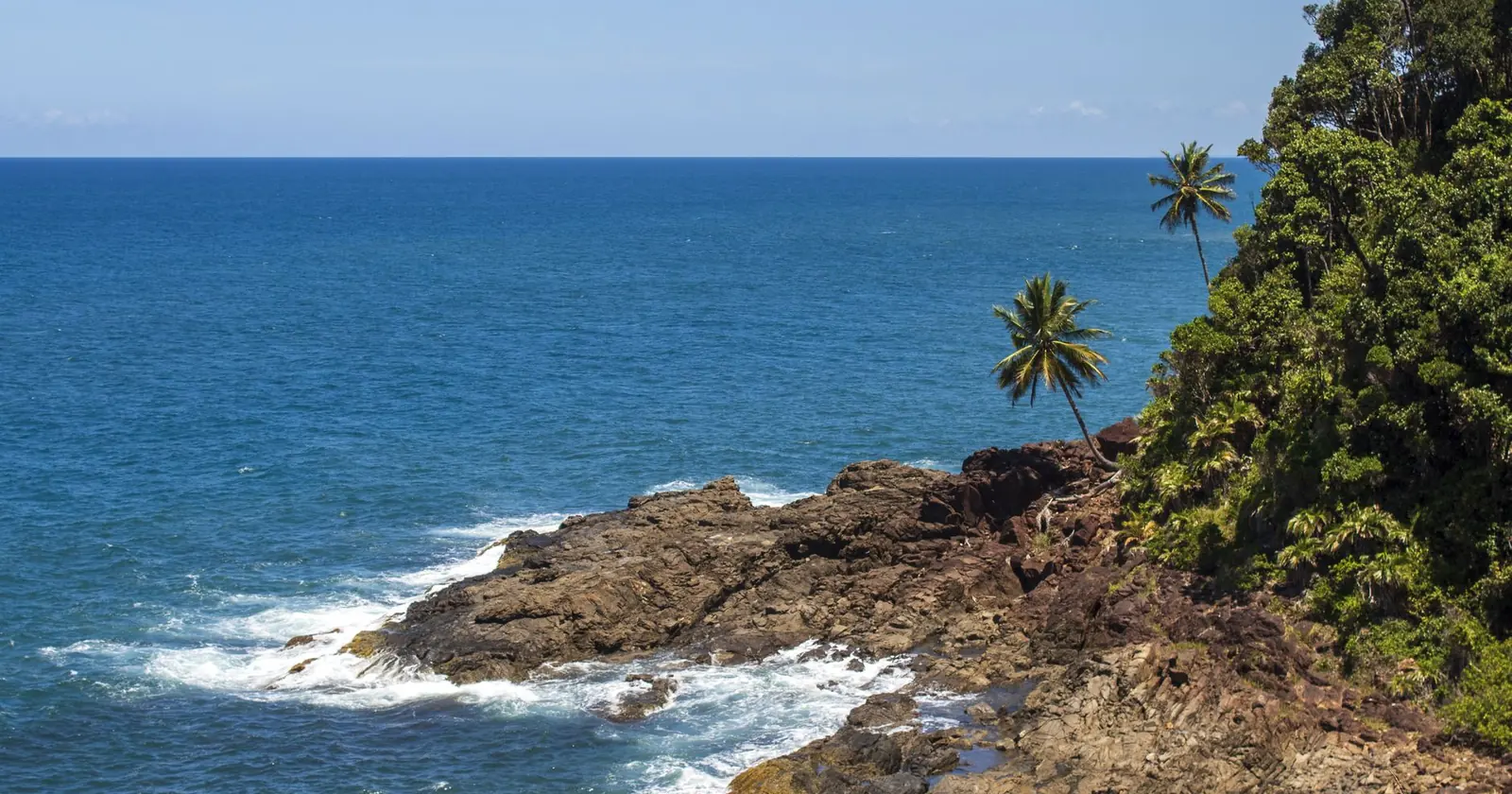
Photo: Jakeline Guimarães de Lucena / Pexels.
Figures are indicative and "as of 2026"; verify prices, seasons and visa rules before you rely on them.
Key takeaways
- Brazil's VITEM XIV digital-nomad visa is genuinely operational (since January 2022), so long stays are legal and straightforward if you meet the ~US$1,500/month income or ~US$18,000 savings bar; the tourist route (90 days plus a 90-day extension) works for shorter trips.
- Water is warm year-round (26-28C, no wetsuit); the bigger, cleaner surf comes on south swells in the Brazilian winter, roughly May to September, while November to April suits beginners.
- Wifi is the real weak point: parts of town get fast 4G+, but plenty of it is patchy standard 4G, so plan a SIM hotspot, cafe workspots, or Starlink backup.
- Itacaré is affordable by Brazilian beach-town standards, with realistic monthly nomad budgets around US$900-1,600 as of 2026, though December to Carnival prices spike hard.
- This is a remote, laid-back rainforest town reached via Ilhéus airport, not a slick coworking hub; it rewards self-directed workers who want surf, waterfalls, and a slower pace.
The surf season and conditions in Itacaré
Itacaré sits on Bahia's Atlantic rainforest coast, where a chain of forest trails leads to a different break every few hundred meters: Tiririca right in town, then Havaizinho, Engenhoca, Jeribucaçu, and the longer walk to Itacarezinho. Most are beach and reef combinations, so there is genuine range from mellow beginner peaks to hollow, shallow reef for the experienced.
The water is warm all year, roughly 26-28C, meaning you never need a wetsuit. The bigger and more consistent surf arrives with south and southeast swells during the Brazilian winter, broadly May to September. That window is also cooler, quieter, and cheaper. Pontal, near the river mouth, comes alive when swells and winds turn south.
If you are learning, November to April tends to be friendlier, with smaller waves in the 2-4ft range and more sun. Being in the rainforest, rain can arrive in any month, and that same rain feeds the waterfalls the region is famous for. Tiririca is the social hub break and a fine place to gauge the day before hiking further out.
Cost of living in Itacaré
Itacaré is a small beach town, so it undercuts Rio and São Paulo, but it is a tourism economy and prices swing with the calendar. As of 2026 (always verify on the ground), a budget-conscious single nomad often lands somewhere around US$900-1,600 a month once you factor a modest rented room or long-stay pousada, local food, and getting around. Live more comfortably, in a nicer place with frequent restaurant meals, and you will spend more.
Accommodation is the biggest lever. Nightly pousada rates commonly sit near US$40-95, but nobody paying nightly rates is doing it right for a multi-week stay; negotiate a monthly rate directly with a pousada or find a room, and the effective cost drops sharply. Food is a bright spot: Bahia's agriculture makes fresh produce, fish, and staples cheap, and a por-quilo (pay-by-weight) lunch is excellent value.
The one hard rule is seasonality. December through February and especially Carnival see prices spike and availability vanish. Arriving for a long stay in the shoulder or low season gives you both better rates and a calmer town.
Internet in Itacaré: fibre in town, patchy on the beach
Be candid with yourself here: Itacaré is not a place with fast, reliable internet everywhere. Coverage is genuinely uneven. Some pockets of town get fast, stable 4G+; others drop to standard 4G at around 10Mbps or less, and pousada wifi ranges from perfectly workable to frustrating. If your job depends on flawless live video calls, this town will test you.
The practical fix most long-stay nomads use is redundancy. Buy a Brazilian SIM on arrival (Claro and Vivo generally have the strongest local coverage) and use it as a hotspot, then keep a short list of reliable cafe workspots such as Café com Surf. Hosts increasingly install Starlink, which delivers a big jump in reliability, so it is worth asking specifically about the internet setup, and testing it, before committing to a monthly booking.
Do not expect a dense coworking scene. There are casual places to plug in, but this is a surf-and-jungle town first. Treat connectivity as something you actively manage rather than something you take for granted.
Visa and entry rules for Itacaré
This is the trust-critical part, so here is the status. Brazil's digital-nomad visa, the VITEM XIV, is real and operational, not merely announced. It was created by CNIg Resolution 45 in September 2021 and has been in force since January 2022. To qualify you generally show foreign-source income of at least about US$1,500 per month, or savings of roughly US$18,000, plus a valid passport, an apostilled criminal background check, and health insurance. It grants one year and is renewable for a second, and it does not permit working for a Brazilian employer.
There are two routes. Apply at a Brazilian consulate in your home country before traveling and receive a visa sticker, or, if you are already in Brazil on a tourist entry, convert your status from inside the country through the Federal Police MigranteWeb system, receiving a residence authorization. Either way you register with the Federal Police and obtain a CPF (tax ID) after arrival.
For shorter stays you do not need this visa at all. Many Western tourists (EU, UK, and others) enter visa-free for 90 days, extendable once at the Federal Police for another 90, up to 180 days per 12-month period. Important caveat: Brazil reintroduced an e-visa requirement for US, Canadian, and Australian citizens, so check your specific nationality on the official Brazilian government e-visa portal before booking. Treat every figure above as a starting point to confirm against the official consulate or Federal Police source, since thresholds and rules change.
Daily life, safety, and getting there
Getting in means flying to Ilhéus (airport code IOS), roughly 70km south, then covering the last stretch by pre-booked private transfer, taxi, or the cheaper Rota Transportes bus (with a change), which runs around 1.5 to 2 hours all-in. There is no airport at Itacaré itself, so factor this connection into arrival-day planning. Some travelers route through Salvador instead, which is a longer land journey.
Daily life is slow and outdoorsy: mornings surfing or hiking to waterfalls and rainforest beaches, afternoons working around the heat, evenings on the Rua da Pituba pedestrian strip with its restaurants and live music. It is a walkable town, though the beaches worth surfing involve trail hikes, so decent footwear and a dry bag earn their place.
On safety, Itacaré is a relaxed tourist town and generally calm, but normal Brazil common sense applies: do not flash expensive gear, avoid unlit isolated stretches and empty trails alone at night, use registered transfers rather than improvised rides late at night, and keep an eye on belongings on the beach. In the water, respect the reef breaks and rips, ask locals about conditions, and do not paddle out to a spot beyond your level just because the walk was long.
Itacaré is far enough south to have a real winter day
Bahia gets described as year-round tropical, which is true of the water and not quite true of the light. Itacaré is at about 14°17′ South, and the US Naval Observatory's table puts the shortest day at 11 h 17 min on 21 June and the longest at 12 h 58 min on 21 December, a swing of 1 h 41 min across the year.
That is four times the variation of Jericoacoara, a thousand kilometres up the same coast, and it lands on the part of the year when the surf is best. The southern-swell season and the short day arrive together: in June the sun is up at 05:59 and down at 17:16, so a dawn session and an afternoon session are the same session with a working day squeezed between them. In December you get an 18:03 sunset and can put a session either side of the desk.
Nobody plans a trip around ninety minutes of daylight. But it is the reason a Bahian June feels different from a Bahian December in a way the temperature chart does not explain, and it is worth knowing before you book a winter month on the assumption that the tropics do not have seasons.
FAQ: Itacare
Is there a digital-nomad visa for Brazil, and can I actually use it?
Yes, and this one is real, not just announced. Brazil's VITEM XIV digital-nomad visa was created by CNIg Resolution 45 (Sept 2021) and has been operational since January 2022. You show roughly US$1,500/month in foreign-source income or about US$18,000 in savings, plus a passport, apostilled background check, and health insurance. It grants one year, renewable for a second. You can apply at a Brazilian consulate before arriving, or, if you are already in Brazil on a tourist entry, convert your status through the Federal Police MigranteWeb system without leaving. Confirm current thresholds and documents with the official consulate or Federal Police, as figures change.
If I do not want the nomad visa, how long can I legally stay?
Most Western tourists (EU, UK, and others) enter visa-free for up to 90 days, extendable once at the Federal Police for another 90, capped at 180 days per 12-month period. Note that Brazil reintroduced an e-visa requirement for US, Canadian, and Australian citizens, so check your nationality's current rule on the official Brazilian government e-visa portal before booking. For stays beyond 180 days a year, the VITEM XIV is the clean route.
When is the best time to surf Itacaré?
Water sits at roughly 26-28C all year, so no wetsuit is needed anytime. The bigger, more consistent waves arrive with south and southeast swells in the Brazilian winter, roughly May to September, which is also cooler and less crowded. Beginners often prefer November to April, when swells are smaller (2-4ft) and the vibe is sunnier. Rain can come any month given the rainforest setting.
Is the wifi good enough to work remotely?
Be realistic: it is variable. Some parts of town get fast, stable 4G+, while others drop to standard 4G around 10Mbps or less. Pousada wifi ranges from decent to frustrating. Many longer-stay nomads run a Brazilian SIM (Claro or Vivo tend to have the best local coverage) as a hotspot, work from cafes like Café com Surf, or rely on Starlink where hosts have installed it. Do not assume a stable connection for a critical live call without a tested backup.
Roughly what does a month in Itacaré cost in 2026?
As a small Bahia beach town it is cheaper than Rio or São Paulo. As of 2026 (verify locally), budget-conscious monthly stays often land around US$900-1,600 for one person including a modest pousada or rented room, local food, and getting around; comfort with a nicer place and frequent dining runs higher. Nightly pousada rates commonly sit near US$40-95. Prices spike hard over the December-February high season and Carnival, so monthly negotiated rates are far better value.
Yannick Schroth
Founder of NOMADREEF and a former digital nomad. This guide is sourced from the references below; conditions, prices and rules change, so verify current details, and follow qualified local guidance and safety briefings. About the author · LinkedIn ↗
Sources
- The annual swing in daylight. US Naval Observatory, Astronomical Applications Department, table of sunrise and sunset for an entire year. Itacaré, 2027: 21 June rise 05:59, set 17:16 (11 h 17 min); 21 December rise 05:05, set 18:03 (12 h 58 min); 21 September rise 05:26, set 17:32. aa.usno.navy.mil. Table for Itacaré (S14 17, W038 59), 2027, zone UTC−3. Read 12 September 2026.
- Oliveira Lawyers / ZS Advogados VITEM XIV digital-nomad visa guides (CNIg Resolution 45, operational since Jan 2022)
- Official Brazilian government / consulate visa and e-visa guidance (confirm current rules)
- Surf-Forecast and Itacare.com surf-spot and seasonal swell data
- Booking.com / Numbeo / Wise 2026 cost-of-living and pousada pricing
- Digital-nomad connectivity reports for Itacaré (4G+/Starlink) and carrier coverage notes
- Rome2Rio and transfer operators for Ilhéus (IOS) to Itacaré routes