Uluwatu, Bali: A Surf Nomad Base on the Bukit
 by Yannick Schroth
Aug 1, 2026
8 min read
by Yannick Schroth
Aug 1, 2026
8 min read
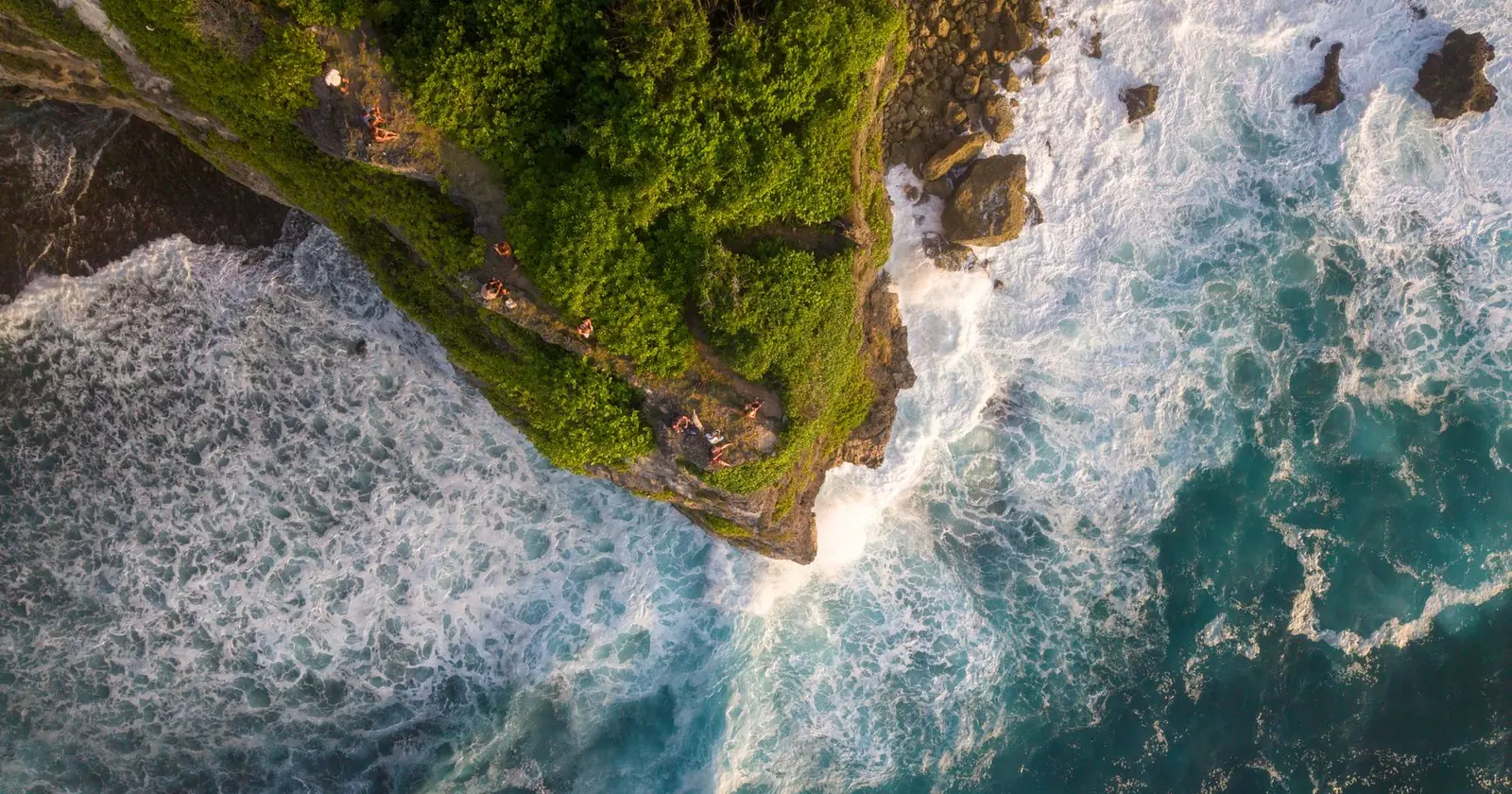
Photo: Tom Fisk / Pexels.
Figures are indicative and "as of 2026"; verify prices, seasons and visa rules before you rely on them.
Key takeaways
- Dry season (roughly April to October, peaking June to September) is the surf machine; SE trade winds groom the reef breaks clean from dawn.
- The Bukit's waves are reef breaks over sharp coral and mostly intermediate-to-advanced; beginners are better served in Canggu or on the shoulder months.
- Budget roughly USD 1,200 to 2,500+ per month; clifftop one-bed pool villas run about USD 630 to 1,010, coworking about USD 150 to 240.
- Wifi is usable but inconsistent by villa; treat a good coworking membership plus a Telkomsel eSIM/hotspot as your real connectivity plan.
- The legal long-stay route is the E33G remote-worker visa (open in 2026, needs ~USD 60k/year income and foreign-source work); short stays use visa on arrival or a B211A tourist visa.
The season: a dry-season swell machine
Uluwatu runs on the same rhythm as the whole Bukit peninsula. The dry season, roughly April through October, is when it works best: southeast trade winds blow offshore across the cliffs and groom the south and southwest swells into long, ordered walls. The swell itself peaks between June and September, and July and August combine the biggest, most consistent surf with reliable sunshine.
May, June, September, and October are excellent too and noticeably less crowded than the July-August peak. If you want lighter conditions and thinner lineups, the shoulder months (April, May, and November into early December) deliver clean dawns and building swell without the full-strength crowds.
The wet season, roughly November to March, flips the wind onshore and brings humidity and rain. Uluwatu still breaks, but conditions are less consistent and often better early morning before the wind swings. As a nomad, this is the trade-off to weigh: come for the dry-season machine, or come off-peak for cheaper rooms and space in the water.
The surf scene: reef breaks, not a beginner beach
This is the headline reason to base here. The Bukit is a dense cluster of reef breaks: Uluwatu itself with its cave paddle-out and multiple sections, plus Padang Padang, Bingin, Impossibles, and Dreamland within a short scooter ride. These are performance waves that break over shallow, sharp coral, and most of them reward intermediate-to-advanced surfers who can read reef and handle a crowd.
Uluwatu is more advanced than Canggu, and that is the honest framing. If you are still learning, the whitewater beach-break setup up north is a friendlier place to progress; a Bukit reef on a solid swell is not. That said, the shoulder months and smaller days open up more forgiving windows, and there are surf schools and guides on the peninsula for those stepping up.
Daily life orbits the tide chart. You check the forecast, ride the dawn or the tide window, then work, then maybe a second session. The cliff warungs above Uluwatu, with their view straight down onto the lineup, are the classic between-sessions spot. Bring reef booties, a good relationship with your local lineup etiquette, and respect for how sharp the coral is.
Cost of living (as of 2026, verify locally)
Uluwatu is not the cheapest corner of Bali, but it is reasonable for what you get. As of 2026, most nomads land somewhere between USD 1,200 and 2,500+ per month depending on villa standard and lifestyle. A budget setup with a simple room and local food sits lower; a private pool villa with a dedicated coworking desk pushes toward the top and beyond.
Housing is the main lever. Clifftop one-bedroom villas with a pool run roughly IDR 10 to 16 million per month, about USD 630 to 1,010; simpler guesthouse rooms and shared places cost considerably less, especially booked monthly and off-peak. Coworking memberships run about USD 150 to 240 per month (IDR 2.5 to 4 million), with lighter three-to-four-day passes cheaper.
Everyday costs stay Bali-typical: warung meals are a few dollars, cafe brunches and Western restaurants far more, and a scooter rental runs roughly USD 60 to 100 per month plus fuel. Treat every figure here as a range to verify on the ground; prices move with season, the rupiah, and how long you commit to a lease.
Wifi and connectivity: a reality check
Be realistic here. Bali's average fixed wifi sits around 48 Mbps down and 26 up as of early 2026, but the Bukit is spread out and villa connections vary a lot; some places advertise fast fiber and deliver a shaky 9 Mbps in practice, while good coworking spaces genuinely hit 300+ Mbps. Uluwatu has fewer walkable coworking options than Canggu, so location matters more.
The working plan for most nomads is layered: a coworking membership (Uluwatu Hub, Colabo in the Jimbaran hub, and 24/7 spots like Hedonist Space are commonly cited) for calls and deadlines, plus your own mobile backup. Do not rely on a single villa router for anything mission-critical.
For mobile, Telkomsel has the strongest coverage on the Bukit, with XL Axiata and Indosat as alternatives; 4G is solid and 5G is growing. A local prepaid SIM or eSIM with a generous data package is cheap and makes hotspotting a viable fallback when the villa wifi dies mid-call. If your income depends on uptime, a good data plan is not optional.
The visa: use the E33G or the tourist route, correctly
For living and working here for weeks or months, the legally correct long-stay route is Indonesia's E33G remote-worker visa (a remote-worker KITAS/ITAS). Importantly, this visa is open and actively accepting applications as of 2026, not merely announced, so it is a real option rather than a promise. It lets remote workers and freelancers stay up to one year while working for employers or clients based outside Indonesia.
The requirements are real gates: as of 2026 it asks for roughly USD 60,000 per year of foreign-source income (evidenced by several months of bank statements and contracts), international health insurance rather than basic travel cover, and official fees of Rp 7,000,000 in total (visa Rp 500,000, category II verification Rp 2,000,000, one-year permit Rp 3,000,000, re-entry permit Rp 1,500,000). Agents in Bali charge their own fee on top, which is where higher totals quoted elsewhere come from. Your income must stay foreign-sourced; the E33G does not permit taking local Indonesian employment. Verify the current numbers and document list against the official Indonesian immigration channel before applying, since fees and thresholds change.
If you do not meet the E33G income bar or only want a shorter stay, the honest working route is a tourist entry: a visa on arrival (extendable once) or a B211A tourist visa with extensions. These do not grant the right to work locally, but they are what most short-term surf-and-work visitors actually use. Do not overstay, and do not treat a tourist visa as a remote-work visa; pick the route that matches your income and length of stay.
Getting there, safety, and daily life
Access is easy: Ngurah Rai International Airport (Denpasar) is roughly 30 to 60 minutes from the Bukit by car depending on traffic, and it sits on the same peninsula side, so you skip the long haul up to Canggu or Ubud. Once here, a scooter is effectively required; the breaks, warungs, and coworking spots are spread across the cliffs and not walkable as a cluster.
On safety, the two real hazards are the ocean and the roads. The reef is shallow and sharp, currents around Uluwatu are strong, and paddle-outs like the cave are committing; know your limit and the tide. Scooter accidents are the most common way nomads get hurt in Bali, so wear a helmet, and make sure your travel or health insurance actually covers motorbike riding and surf injuries, because many policies exclude both.
Day to day, Uluwatu is quieter and more scenic than Canggu, drawing surfers and remote workers who want a slower base with cliff views over nightlife. The flip side of that calm is spread-out infrastructure, fewer walk-to conveniences, and dependence on your scooter and data plan. If that trade suits you, it is one of the best surf home-bases in Southeast Asia.
FAQ: Uluwatu, Bali
Is the E33G remote-worker visa actually open in 2026, or just announced?
It is open and actively accepting applications as of 2026, not merely announced. It allows up to a one-year stay for remote work with a foreign employer or foreign clients, but it has real requirements: roughly USD 60,000/year of foreign-source income, international health insurance, and a fee reported around IDR 13 million. Confirm current details on the official Indonesian immigration channel before applying.
What if I do not meet the E33G income requirement?
Then the honest route for a shorter stay is a tourist entry: a visa on arrival (extendable once) or a B211A tourist visa with extensions. These let you visit and, in practice, work remotely for short periods, but they do not grant the legal right to take local Indonesian employment, and you should never overstay or treat a tourist visa as a formal remote-work visa.
When is the best time to surf Uluwatu?
The dry season, roughly April to October, is prime, with the biggest and most consistent swell from June to September and the most reliable sunshine in July and August. If you want cleaner crowds, aim for May, June, September, October, or the shoulder months of April, May, and November, when conditions are lighter and lineups thinner.
Is Uluwatu good for beginner surfers?
Not really. The Bukit's waves are reef breaks over sharp, shallow coral and mostly reward intermediate-to-advanced surfers. Uluwatu is more advanced than Canggu, which has friendlier beach breaks better suited to learning. Beginners can still progress here on small shoulder-season days with a guide, but a solid swell on the reef is not a place to learn.
How much does it cost to live in Uluwatu as a nomad?
As of 2026, most nomads spend roughly USD 1,200 to 2,500+ per month. Clifftop one-bed pool villas run about USD 630 to 1,010, coworking about USD 150 to 240, and a scooter around USD 60 to 100 plus fuel; warung meals are a few dollars while Western cafes cost much more. Treat all of these as ranges to verify locally, since prices shift with season and the rupiah.
Yannick Schroth
Founder of NOMADREEF, a surfer and PADI Advanced Open Water diver who has surfed in Indonesia and beyond. This guide draws on that background plus current research and cited sources; where a detail is from research rather than a personal session at Uluwatu, we say so. About the author · LinkedIn ↗
Sources
- Corrected 9 August 2026. This page said the E33G costs "around IDR 13 million total". The Directorate General of Immigration publishes the components, which total Rp 7,000,000. See our Indonesia E33G guide for the breakdown and the source. Higher totals in circulation are agent fees, not government fees.
- Indonesian immigration / E33G remote-worker visa guidance (2026)
- Surf-Forecast and Bali surf-camp seasonal guides (Uluwatu)
- Bali cost-of-living guides (2026 monthly budgets)
- Nomad coworking and connectivity listings for Uluwatu (2026)
- Bali mobile-network coverage notes (Telkomsel/XL/Indosat)