Sayulita, Mexico: a surf and digital-nomad base guide
 by Yannick Schroth
Jul 31, 2026
7 min read
by Yannick Schroth
Jul 31, 2026
7 min read
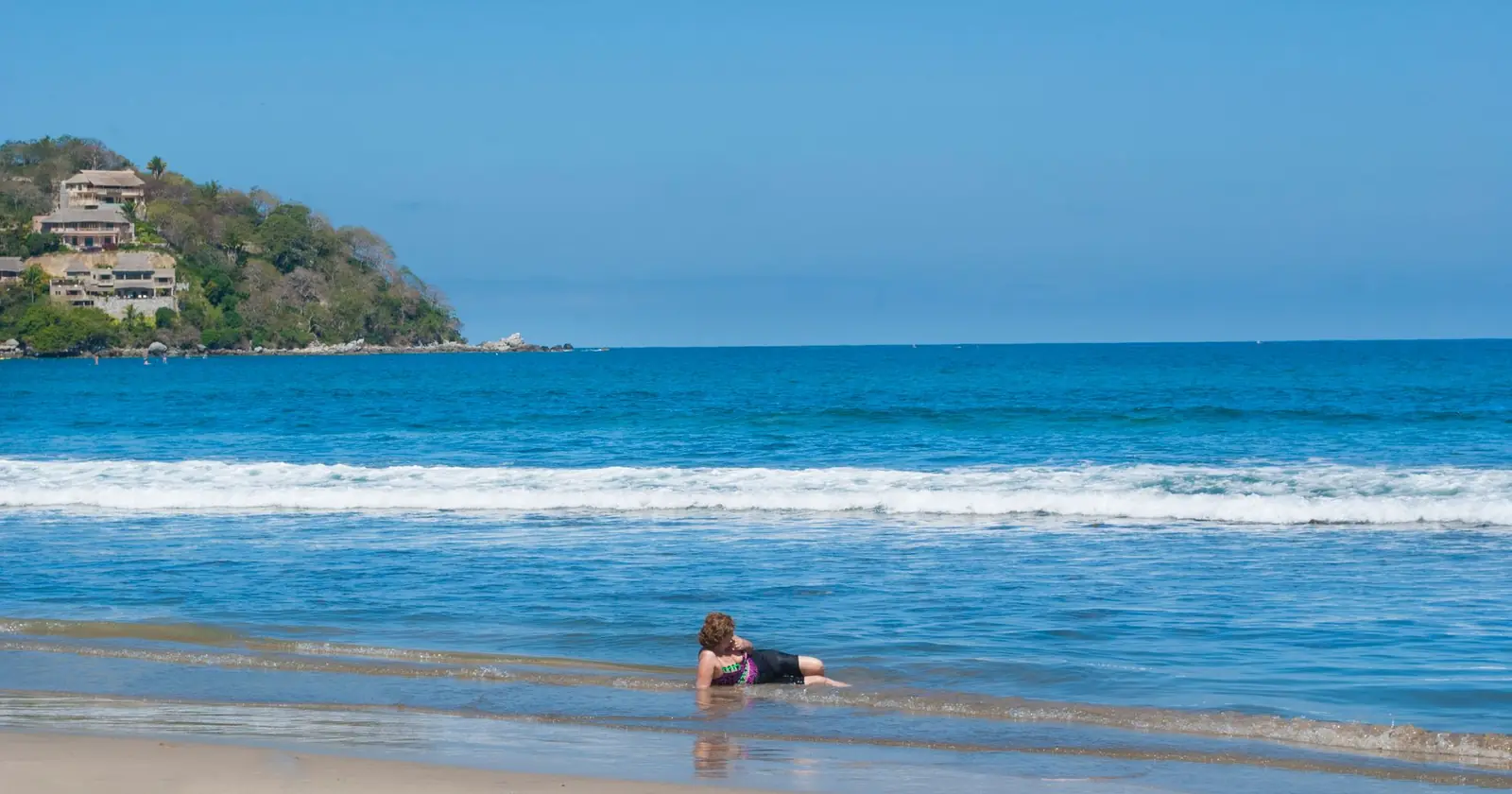
Photo: Sandra Hernández Cornejo / Pexels.
Figures are indicative and "as of 2026"; verify prices, seasons and visa rules before you rely on them.
Key takeaways
- Beginner-friendly beach break: sandy bottom, left-hand peel, warm water, no reef
- Rainy season (June to October) is warmer with smaller surf; dry season (November to April) brings bigger swell and crowds
- Wifi is genuinely weak; treat coworking or a vetted rental as essential for work
- Most US, UK and EU passports enter visa-free up to 180 days on an FMM, at officer discretion
- Cheap by Western standards but pricey for Mexico, and busy and touristy in peak months
The surf: a genuinely gentle place to learn
Sayulita's main beach break is the reason beginners keep coming. Waves peel slowly to the left over a sandy bottom in a waist-to-shoulder-high range for much of the year, with no reef to cut you and rarely the kind of heavy shore break that slams you. That combination gives you long, unhurried rides and a soft place to fall while you learn to pop up.
Surf schools and board hire cluster right on the beach, so lessons and rentals are easy to arrange and competitively priced. Once you find your feet, nearby breaks on the Riviera Nayarit coast offer steeper, more challenging waves, and you can also make the short trip to quieter spots away from town when the main beach gets busy.
Water is warm year round (roughly 28 to 30C in the warmer months), so a rash vest or at most a shorty is plenty. Boards you hire are typically soft-tops and longboards suited to small, forgiving surf, not performance shortboards.
When to go: seasons, surf and crowds
Sayulita has two clear seasons. The dry season runs roughly November to April with warm, sunny days, bigger and more consistent swell, and the heaviest tourist crowds and prices. The wet season runs June to October, when the water is at its warmest and the surf tends to be smaller and gentler, which many absolute beginners actually prefer.
Rainy season does not usually mean washed-out days. Mornings are typically sunny and it is the afternoons that bring tropical showers, often one to two hours before the evening clears. August and September are the wettest months, with September in particular seeing heavy rainfall spread across many days.
If you want the calmest learning conditions, warm water and lower prices, aim for the shoulder and rainy months. If you want reliable sun and more powerful waves and you do not mind crowds and higher costs, come in the dry season. As of 2026 this pattern holds, but check a current swell and weather forecast before you commit.
The nomad reality: wifi, cost and visa
Be honest with yourself about the internet. Wifi in Sayulita is a well-known weak spot: many rentals and cafes have slow or unreliable connections, and a genuinely fast line is the exception rather than the rule. If your work depends on video calls, plan around a coworking space, ask hosts for real speed tests before booking, and carry a local eSIM with a solid mobile-data plan as backup.
On cost, Sayulita is cheaper than most Western cities but noticeably pricey for Mexico. As of 2026, monthly rentals commonly run in the region of roughly 600 to 1,500 USD depending on season and standard, and coworking runs around 12 USD for a day pass up to roughly 150 USD a month; verify current rates before you rely on them. Eating at taco stands and cooking keeps costs down; beachfront restaurants and imported goods push them up fast.
Entry is straightforward for most nomads. Citizens of the US, UK, Canada and the EU can enter Mexico visa-free for tourism for up to 180 days on the FMM immigration permit. Important caveat: the days you get are at the immigration officer's discretion, so you may be granted fewer than 180, and you should never assume the full stay. There is a fee (around 54 USD as of 2026) that is usually already included in your airline ticket if you fly in.
Getting there and the scene
The gateway is Puerto Vallarta International (PVR), roughly 25 miles and about 45 minutes to an hour away by road depending on traffic. A taxi runs a few hundred pesos, and cheaper local buses run frequently from near the airport for only a few dollars, making Sayulita one of the easier Pacific surf towns to reach.
The town itself is small, walkable and lively, with cobbled streets, street art, beach bars and a well-established international remote-work crowd. That energy is a big part of the draw, but it is also the downside: in peak season the town is genuinely crowded and touristy, the main beach line-up gets congested, and nightlife noise carries. If you want solitude and empty waves, base yourself in a quieter nearby village and treat Sayulita as a day trip.
Safety note: crowded line-ups and rip currents
The biggest hazard here is not the wave, it is the crowd. On a busy day the beginner peak is packed with learners, and loose boards, dropped-in waves and collisions are the real risk. Keep hold of your board, look before you take off, and give more experienced surfers right of way.
As with any beach break, rip currents can form, especially on bigger days and around river-mouth flow after rain. Surf near a school or lifeguarded stretch when you are new, never surf alone at dawn or dusk, and if you are caught in a rip stay calm, do not fight it, and paddle across it parallel to the beach until you are free.
During heavy rainy-season downpours, run-off can reduce water quality near the river mouth for a day or two, so it is sensible to avoid surfing right after big storms. Wear a rash vest and reef-safe sunscreen; the tropical sun is stronger than it feels in the water.
FAQ: Sayulita
Is Sayulita good for complete beginner surfers?
Yes, it is one of the better spots in Mexico to start. The main beach break is a gentle left over sand with warm water and no reef, and there are plenty of surf schools and soft-top rentals right on the beach. The main annoyance is how crowded the beginner peak gets in high season.
How is the wifi for working remotely?
Patchy and unreliable, honestly. Many rentals and cafes have slow connections, so if you rely on video calls you should book a coworking space, get a real speed test from any host before committing, and carry a local eSIM with a good data plan as backup.
Do I need a visa, and how long can I stay?
Most US, UK, Canadian and EU citizens do not need a visa and can stay up to 180 days for tourism on the FMM permit. Be aware the exact number of days is granted at the immigration officer's discretion, so do not assume you will automatically get the full 180.
When is the best time to visit for surfing?
For gentle beginner surf, warm water and lower prices, the rainy season (June to October) is ideal, with sunny mornings and afternoon showers. For bigger, more consistent waves and reliable sun, come in the dry season (November to April), but expect bigger crowds and higher costs.
How do I get to Sayulita?
Fly into Puerto Vallarta (PVR), which is about 25 miles and roughly 45 minutes to an hour away by road. A taxi costs a few hundred pesos, or you can take a frequent local bus for only a few dollars.
Yannick Schroth
Founder of NOMADREEF and a former digital nomad. This guide is honestly sourced from the references below; conditions, prices and rules change, so verify current details, and follow qualified local guidance and safety briefings. About the author · LinkedIn ↗
Sources
- Mexican government / immigration guidance on the FMM tourist permit and 180-day visitor rules
- Regional weather and climate records for Sayulita and Nayarit (monthly rainfall and temperature averages)
- Established Sayulita and Riviera Nayarit local travel and surf guides describing breaks and conditions
- Digital-nomad cost-of-living and coworking data for Sayulita, cross-checked across multiple sources
- Puerto Vallarta airport transfer and local transport route information