Pichilemu, Chile: A Surf-Town Nomad Base Guide
 by Yannick Schroth
Aug 1, 2026
7 min read
by Yannick Schroth
Aug 1, 2026
7 min read
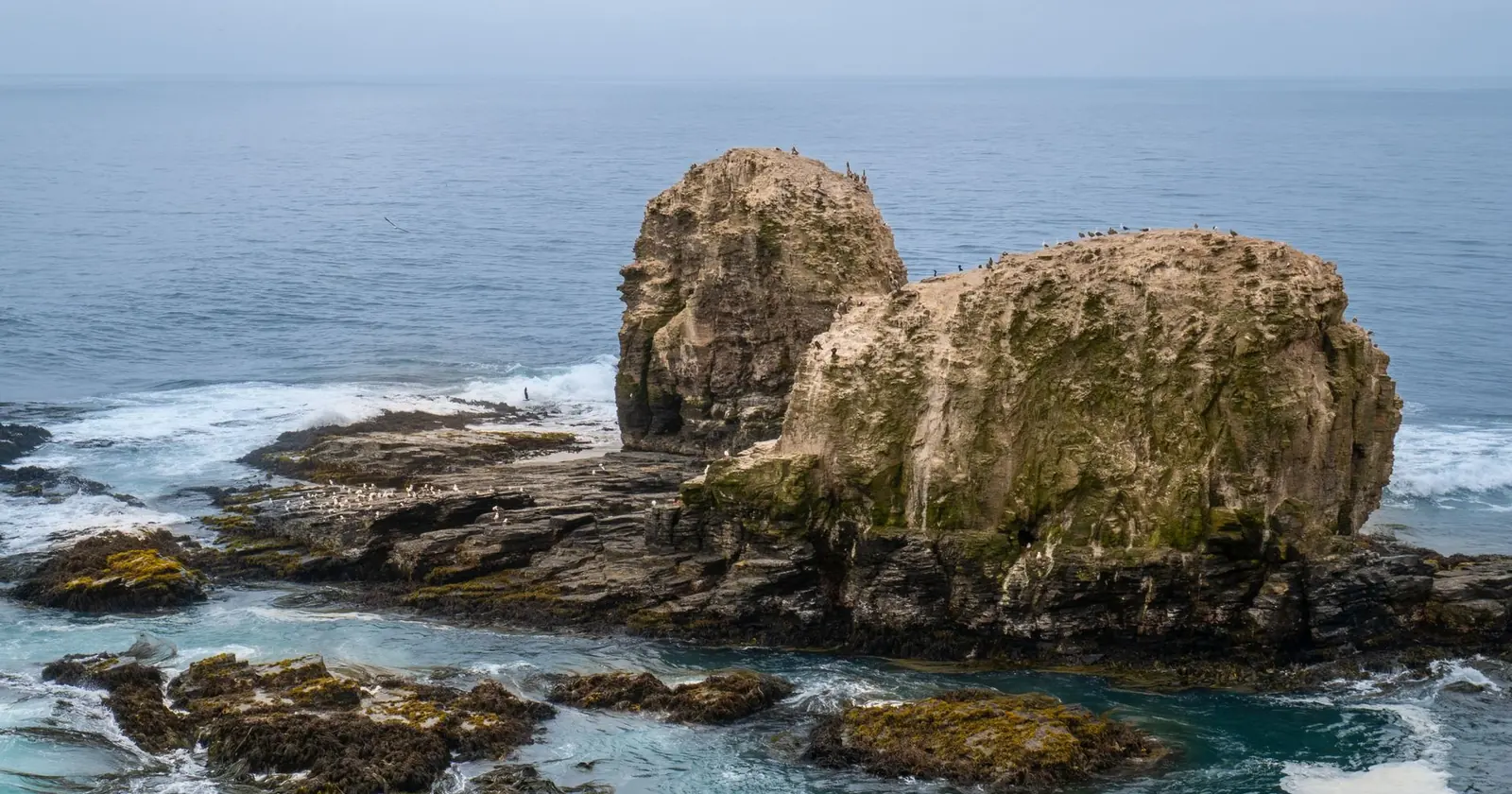
Photo: Hernan Berwart / Pexels.
Figures are indicative and "as of 2026"; verify prices, seasons and visa rules before you rely on them.
Key takeaways
- Pichilemu is Chile's surf capital, built around Punta de Lobos, a long, powerful left point break that draws big-wave surfers from March to October.
- The water is cold all year (roughly 12 to 15C, warming to about 19C in Feb to March), so a wetsuit is mandatory: 3/2mm in summer, 4/3mm plus boots and hood in winter.
- There is no operational dedicated digital-nomad visa in Chile as of 2026; most nomads use the 90-day tourist entry (extendable once) or a temporary-residence subcategory via SERMIG.
- Costs are moderate for South America: budget roughly USD 1,000 to 1,800 per month solo, with long-term rooms and small apartments far cheaper than nightly holiday rentals (verify current rates).
- Connectivity is workable but not world-class: expect functional cafe and rental wifi plus a good 4G SIM as backup, not guaranteed fiber. Test before you commit to long calls.
The season: cold water, big lefts, wetsuit year-round
Pichilemu surfs all year, but the character changes with the calendar. The prime big-wave window runs roughly March to October, when long-period southwest swells light up Punta de Lobos with its famous long left walls and heavy sections; July is often the most consistent and the most serious. Autumn, roughly March to May, tends to give the best balance of solid surf, more manageable temperatures, and thinner crowds than the Chilean summer peak.
This is cold Pacific water. Temperatures sit around 12 to 15C for much of the year, dipping to about 14C in July to September and warming to roughly 19C in February to March. Plan on a wetsuit every session: a 3/2mm is the minimum in summer, and winter calls for a 4/3mm with booties and often a hood. Punta de Lobos works best on a southwest swell with an east-southeast offshore wind; La Puntilla and Infiernillo closer to town are the more beginner-friendly options when the point is too big.
Cost of living as of 2026 (ranges, verify)
Pichilemu is affordable by Western standards but not dirt cheap, and prices swing hard with the season. January and February are the Chilean summer holidays, when domestic tourism floods the town and short-term rental prices spike; the shoulder and winter months are much calmer and cheaper. Nightly holiday rentals commonly run from around USD 28 for a basic room up to USD 100-plus for a full apartment, but those are tourist rates. For a stay of weeks, negotiate a monthly rate, which drops the effective cost substantially.
As a rough planning figure for one person, budget somewhere in the region of USD 1,000 to 1,800 per month all-in, depending on whether you rent a shared room or a private apartment and how much you eat out. Local buses and the intercity bus to Santiago are cheap (single tickets to the capital run roughly USD 8 to 13). Treat every number here as an estimate to confirm on the ground, since exchange rates and peak-season demand move prices quickly.
Wifi and connectivity: a reality check
Chile has some of the better internet infrastructure in Latin America, with fiber-to-the-home common in cities. Pichilemu, however, is a small coastal town, so do not assume big-city speeds. Cafe, hostel, and rental wifi is generally good enough for email, browsing, and standard video calls, and some hostels advertise dedicated coworking or telework corners, but reliability varies by property and can degrade in peak season when the town is full.
The practical setup is redundancy: pick accommodation with a wired fiber connection if you can confirm it, and carry a local prepaid SIM (Entel, Movistar, or WOM are the main carriers) or an eSIM for 4G backup and tethering. If your work depends on flawless video meetings, ask the host to run a speed test and send you a screenshot before you book a long stay, and have a fallback cafe or two scouted for critical calls.
The visa: what actually works
This is the part to get right. Despite what many blogs claim, Chile does not operate a dedicated, functioning digital-nomad visa as of 2026. Announcements and mislabeled write-ups circulate, but there is no distinct 'digital nomad' category you can simply apply for and use. Do not build your plans around one.
The realistic routes are: first, the tourist entry, free for many nationalities on arrival, valid for up to 90 days and extendable once for a further 90 (about 180 days maximum), during which you may work remotely for clients or employers outside Chile but not for Chilean companies. Second, for longer stays, a temporary-residence visa through the Servicio Nacional de Migraciones (SERMIG) under Law 21.325, typically the remunerated-activities subcategory using a service contract with foreign clients; note the Rentista route generally requires passive income and excludes freelance contract income. Processing can take many months and is usually done from abroad. Also watch the 183-day rule: passing 183 days in a year can trigger Chilean tax residency. Always verify current requirements directly on the official SERMIG portal before relying on any of this.
The surf scene and daily life
Pichilemu is genuinely a surf town, not a resort with a beach. The rhythm revolves around swell, tide, and wind, and the community is a mix of Chilean surfers, longer-term travelers, and a growing thread of remote workers. There are surf schools, board and wetsuit rentals, and repair shops clustered around La Puntilla and the road out to Punta de Lobos, so you can arrive without gear and get set up locally. Beginners should stick to La Puntilla and the town beaches and take a lesson before going anywhere near the point.
Off the water, daily life is low-key: markets and small supermarkets for groceries, empanada and seafood spots, a handful of cafes that double as work perches, and easy access to long walks along the cliffs at Punta de Lobos. It is quiet and slow, which suits focused work and early surf sessions, but it is not a nightlife or big-city amenities destination. Come for waves and calm, not variety.
Getting there and safety
Most people arrive via Santiago. Pichilemu is about 162 km southwest of the capital, roughly a 3.5 to 4 hour intercity bus ride from Santiago's main terminals (San Borja/Alameda area) to Terminal Infiernillo in Pichilemu, with tickets around USD 8 to 13. From Santiago's airport (SCL) there is no direct bus, so expect a transfer via the city terminals and a total of around 5 hours. Renting a car gives you far more flexibility to chase spots up and down the coast if your budget allows.
Chile is one of the safer countries in the region, and Pichilemu itself is a relaxed town, but apply normal precautions: watch belongings on beaches and buses, and do not leave valuables in parked cars. The bigger risk here is the ocean. Punta de Lobos is a serious wave with cold water, strong currents, rocks, and size; respect your limits, never surf beyond your ability, and check conditions and local advice daily. Cold-water surfing also means real hypothermia and fatigue risk, so suit up properly and keep sessions sensible.
FAQ: Pichilemu
Is there a digital-nomad visa for Chile I can use in Pichilemu?
No. As of 2026 Chile has no operational dedicated digital-nomad visa, despite many blogs implying otherwise. Most nomads use the tourist entry (up to 90 days, extendable once for another 90) for remote work for foreign clients, or apply for a temporary-residence visa through SERMIG under a remunerated-activities subcategory for longer stays. Verify current rules on the official SERMIG portal before you travel.
When is the best time to surf Pichilemu?
The big-wave season runs roughly March to October, with July often the most consistent and heaviest, especially at Punta de Lobos. Autumn (March to May) tends to offer the best balance of solid surf, milder temperatures, and fewer crowds. Beginners will find the town beaches and La Puntilla more forgiving year-round.
How cold is the water and what wetsuit do I need?
Cold all year. Water is generally about 12 to 15C, dipping near 14C in July to September and warming to roughly 19C in February to March. Bring at least a 3/2mm wetsuit for summer and a 4/3mm with booties and a hood for winter. You will need a wetsuit every session regardless of month.
What should I budget per month?
As a rough planning figure, around USD 1,000 to 1,800 per month for one person, depending on whether you take a shared room or a private apartment and how often you eat out. Negotiate monthly rates rather than paying nightly holiday-rental prices, and expect higher costs and scarcer rooms during the January to February Chilean summer peak. Treat all figures as estimates to verify locally.
Can I rely on the wifi for video calls?
For standard calls, usually yes; for mission-critical, high-stakes meetings, build in backup. Pichilemu is a small town, so speeds are functional rather than fiber-fast and vary by property and season. Confirm a wired connection with your host (ask for a speed test), carry a local 4G SIM or eSIM for tethering, and scout a cafe fallback.
Yannick Schroth
Founder of NOMADREEF and a former digital nomad. This guide is honestly sourced from the references below; conditions, prices and rules change, so verify current details, and follow qualified local guidance and safety briefings. About the author · LinkedIn ↗
Sources
- Servicio Nacional de Migraciones (SERMIG), official Chile immigration portal, Law 21.325
- Expat.cl Chile digital-nomad and remote-work visa guide (2026)
- Surf-forecast.com break pages for Punta de Lobos and La Puntilla
- Chile.travel surfing and connectivity guides
- Busbud / Rome2rio Santiago to Pichilemu route data
- Booking.com and Hostelworld Pichilemu accommodation listings (2026)