Jeffreys Bay: A Trip Guide to Surfing Supertubes
 by Yannick Schroth
Aug 1, 2026
7 min read
by Yannick Schroth
Aug 1, 2026
7 min read
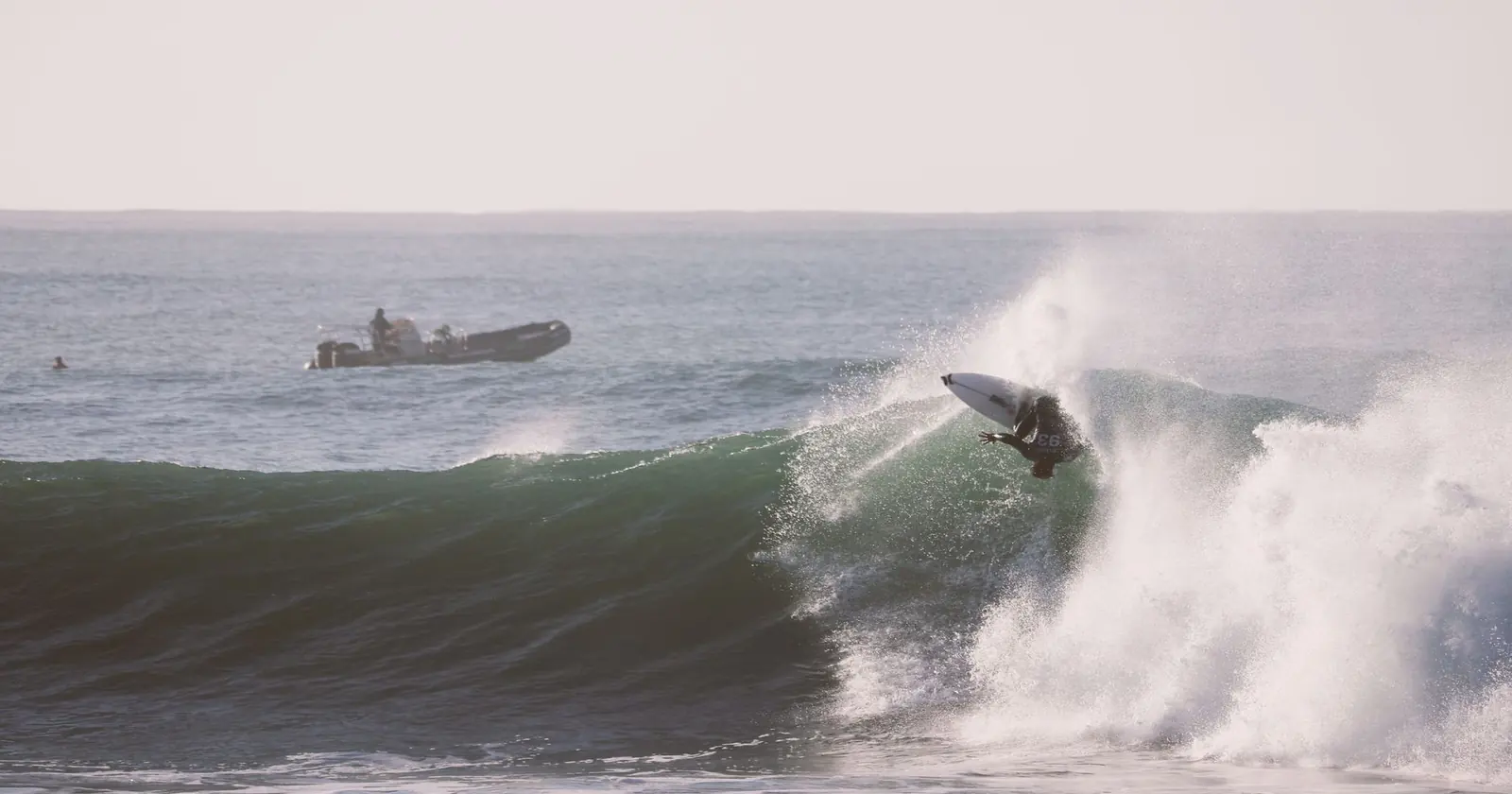
Photo: Wayne Barnes / Pexels.
Conditions shift with the season and the year, so confirm locally and go with qualified people.
Key takeaways
- Season is Southern Hemisphere winter: May to August, with June and July the most consistent for clean Supertubes conditions.
- Supertubes proper is an advanced-to-expert wave: fast, powerful, cobblestone reef, crowded lineups. Beginners should surf the mellower nearby beach and point sections instead.
- Water is cold in season (roughly 14 to 18C). Plan on a 4/3 wetsuit and often booties.
- Fly into Gqeberha (Port Elizabeth, airport code PLZ), then drive about 75 to 80 km (roughly an hour) on the N2. A rental car is the easiest way in.
- South Africa's Remote Work Visitor Visa is open and processing as of 2026, but you apply in advance from abroad. For a short winter surf trip most travelers simply use the visitor (tourist) entry. Verify rules for your nationality.
The wave and the season
Supertubes is the crown jewel of a long point that peels along a cobblestone reef through a chain of named sections: Kitchen Windows, Magnatubes, Boneyards, Supertubes, Impossibles, Tubes, and the Point. On a clean 6 to 8 ft south to southwest swell with offshore northwest wind, rides can run several hundred meters through multiple barreling and racing sections. It is a right-hander, so it favors regular-footers, though goofies happily surf it backside.
The engine is Southern Ocean winter. From about May through August, deep low-pressure systems track below the continent and fire consistent southwest groundswell up the coast, while the prevailing northwest wind grooms it offshore. June and July are the classic peak. Outside winter you can still score, but consistency drops and the wind is less reliably favorable.
One honest note: this is cold-water surfing. In-season water sits roughly in the 14 to 18C range, so plan on a 4/3 wetsuit and, for many people, booties on the rocky entries and exits. Check a live source such as Surf-Forecast before you commit to a swell window.
Grade and who it is really for
Be candid with yourself. Supertubes is an advanced-to-expert wave. It is fast, drawn-out, and unforgiving, breaks over rock and reef, and gets extremely crowded when it is on, with a competitive and at times localized lineup. Getting worked here, or blowing takeoffs in front of a packed pack, is not a beginner experience.
If you are not yet a confident intermediate on a powerful point break, that is fine, just pick the right section. The Kitchen Windows and Point areas and the nearby beach breaks (such as Dolphin Beach) are far more forgiving on smaller days and are where lessons and less-experienced surfers should be. The main peak is best earned after some time reading the wave from the channel.
Board choice matters. Most people ride a step-up or a well-tuned shortboard for size and speed here rather than a groveler. If you are still building your quiver or your skills, our beginner surfboard guide and how-to-start-surfing primer are worth a read before you book.
Getting there
The gateway is Gqeberha (formerly Port Elizabeth), served by Chief Dawid Stuurman International Airport (code PLZ), with domestic flights from Johannesburg (OR Tambo) and Cape Town. From the airport, Jeffreys Bay is roughly 75 to 80 km southwest, about an hour on the N2 highway.
A rental car is the simplest and most flexible option, especially if you want to chase sections up and down the point or explore other Eastern Cape breaks. Shuttle services and backpacker bus routes also connect Gqeberha and J-Bay, but a car makes dawn patrols and swell-chasing much easier.
J-Bay itself is a compact, walkable surf town. Once you are based near Supertubes you can reach the lineup on foot, which is a big part of the appeal.
Cost, connectivity, and basing up
By Western standards J-Bay is affordable. As of 2026 (verify current figures), an inexpensive meal runs around USD 6 and a mid-range two-course meal for two around USD 27, with basic monthly utilities for an apartment near USD 120. A modest nomad monthly budget in the low four figures USD is realistic depending on your accommodation and habits. Winter is high surf season, so book accommodation early and expect peak pricing around the best swell months.
Connectivity is generally workable. Fibre is available in town and many rentals, colivings, and cafes advertise decent wifi, though speeds and reliability vary by property, so confirm before booking a work stay. For mobile data, local SIMs or an eSIM on MTN or Vodacom give solid coverage; see our best-eSIM-for-nomads guide.
One meaningful positive for remote workers: after years of rolling blackouts, South Africa went a sustained stretch without load-shedding into 2026 (Eskom reported over a year without interruptions by mid-2026). That said, the grid is not bulletproof, so many accommodations still keep inverters or backup power, and it is worth asking about that if uptime is critical to your work.
The visa: the real route
South Africa's Remote Work Visitor Visa (its digital nomad visa, under Section 11 of the Immigration Act) is genuinely open and processing as of 2026, not merely announced. It was implemented in 2024 with documentary requirements published later that year, and applications run through South African missions and VFS Global centers. The headline requirement is a gross income of about ZAR 650,976 per year (roughly USD 35,000 to 38,000, exchange-rate dependent), proven with bank statements, plus the usual passport, insurance, and background paperwork.
The catch for a surf trip is practical, not legal: you apply in advance from your home country or country of residence, in person for biometrics, with processing commonly quoted at 4 to 10 weeks. You cannot show up on a tourist stamp and convert on arrival, and holders who work in-country beyond six months within a 36-month window must register for South African tax. Treat all figures as of 2026 and confirm against the official Department of Home Affairs and VFS pages.
For a typical winter surf trip of a few weeks to a couple of months, most travelers simply enter on the standard visitor (tourist) route. Many nationalities receive up to 90 days visa-free on arrival, extendable once, but this varies by passport, so verify your specific nationality on the official South African immigration site before you fly. Use the remote-work visa only if you are staying long and have applied ahead of time.
Safety and operators
Two safety realities to respect. First, sharks: great whites are present in Eastern Cape waters, and J-Bay has had serious incidents, including the well-known 2015 encounter during a pro event. Local groups have positioned shark-bite kits at the main spots and have used spotters, flags, and at times drones. Take flag warnings and any water-clearance seriously; exits are not optional.
Second, the ocean itself. This is a powerful, cold, rock-and-reef point with strong currents and a hard bottom. Surf within your ability, respect the lineup and the locals, and never paddle out somewhere unfamiliar without watching it first. South Africa's National Sea Rescue Institute (NSRI) covers the coast, but self-reliance in the water is on you.
On land, use normal South Africa travel sense: do not leave valuables in cars or on the beach, be aware after dark, and keep an eye on your gear. For operators, J-Bay has several surf schools and board-rental and repair shops in town for lessons, guiding, and hardware, but confirm current, reputable providers locally rather than relying on any single name, as businesses change. One trip-planning note: J-Bay hosted the WSL Championship Tour for years, but it was dropped from the 2026 CT calendar (replaced by Raglan, New Zealand) for financial reasons, so do not plan a trip around a pro event without checking the current-year WSL schedule first.
FAQ: Jeffreys Bay
When is the best time to surf Jeffreys Bay?
Southern Hemisphere winter, roughly May to August, with June and July the most consistent. That is when Southern Ocean storms send southwest groundswell and the offshore northwest wind grooms Supertubes. Expect cold water (about 14 to 18C) and pack a 4/3 wetsuit.
Can beginners surf Supertubes?
Not the main peak. Supertubes proper is a fast, powerful, crowded reef-and-rock point best for advanced surfers. Beginners and improving intermediates should stick to the mellower nearby sections and beach breaks (like Kitchen Windows or Dolphin Beach) and take a lesson before going anywhere near the main lineup.
Do I need South Africa's digital nomad visa for a surf trip?
Usually not for a short trip. The Remote Work Visitor Visa is open and processing as of 2026, but you must apply in advance from abroad and meet an income threshold of about ZAR 650,976/year. For a few weeks or months, most travelers use the standard visitor entry (many nationalities get up to 90 days, extendable once). Verify your nationality's rules on the official immigration site.
How much does a J-Bay surf trip cost?
By Western standards it is affordable. As of 2026, inexpensive meals run around USD 6, a mid-range two-course meal for two around USD 27, and basic utilities near USD 120/month, with a modest monthly nomad budget in the low four figures USD. Winter is peak surf season, so accommodation costs more and books out early. Verify current prices.
How do I get to Jeffreys Bay?
Fly into Gqeberha (Port Elizabeth), airport code PLZ, with domestic connections from Johannesburg and Cape Town. From there J-Bay is about 75 to 80 km (roughly an hour) on the N2. A rental car is the easiest option; shuttles and backpacker buses also run.
Yannick Schroth
Founder of NOMADREEF and a former digital nomad. This guide is honestly sourced from the references below; conditions, prices and rules change, so verify current details, and follow qualified local guidance and safety briefings. About the author · LinkedIn ↗
Sources
- SA Dept of Home Affairs Remote Work Visitor Visa rules and Fragomen visa briefing (2024 to 2026)
- VFS Global South Africa remote work visa application info
- Surf-Forecast and JBay Surf View seasonal and swell data
- World Surf League 2026 Championship Tour schedule (worldsurfleague.com)
- Eskom load-shedding status updates, 2026
- Wise and Hikersbay Jeffreys Bay cost-of-living data, 2026